Not every control carries the same weight in a SOX audit. Some controls address significant financial reporting risks. Others address lower-risk processes. Treating them the same way can add unnecessary audit work and documentation.
SOX risk assessment helps make this distinction explicit. It identifies where financial reporting risk is concentrated, which assertions are affected, and which controls address those risks. The assessment then informs SOX scope: which controls are tested and the nature, timing, and extent of testing.
In this article, I will explain how auditors identify, scope, and prioritize SOX controls under PCAOB AS 2201, including how risk control matrices support that process and where a risk-based approach commonly breaks down.
What Is a SOX Risk Assessment?

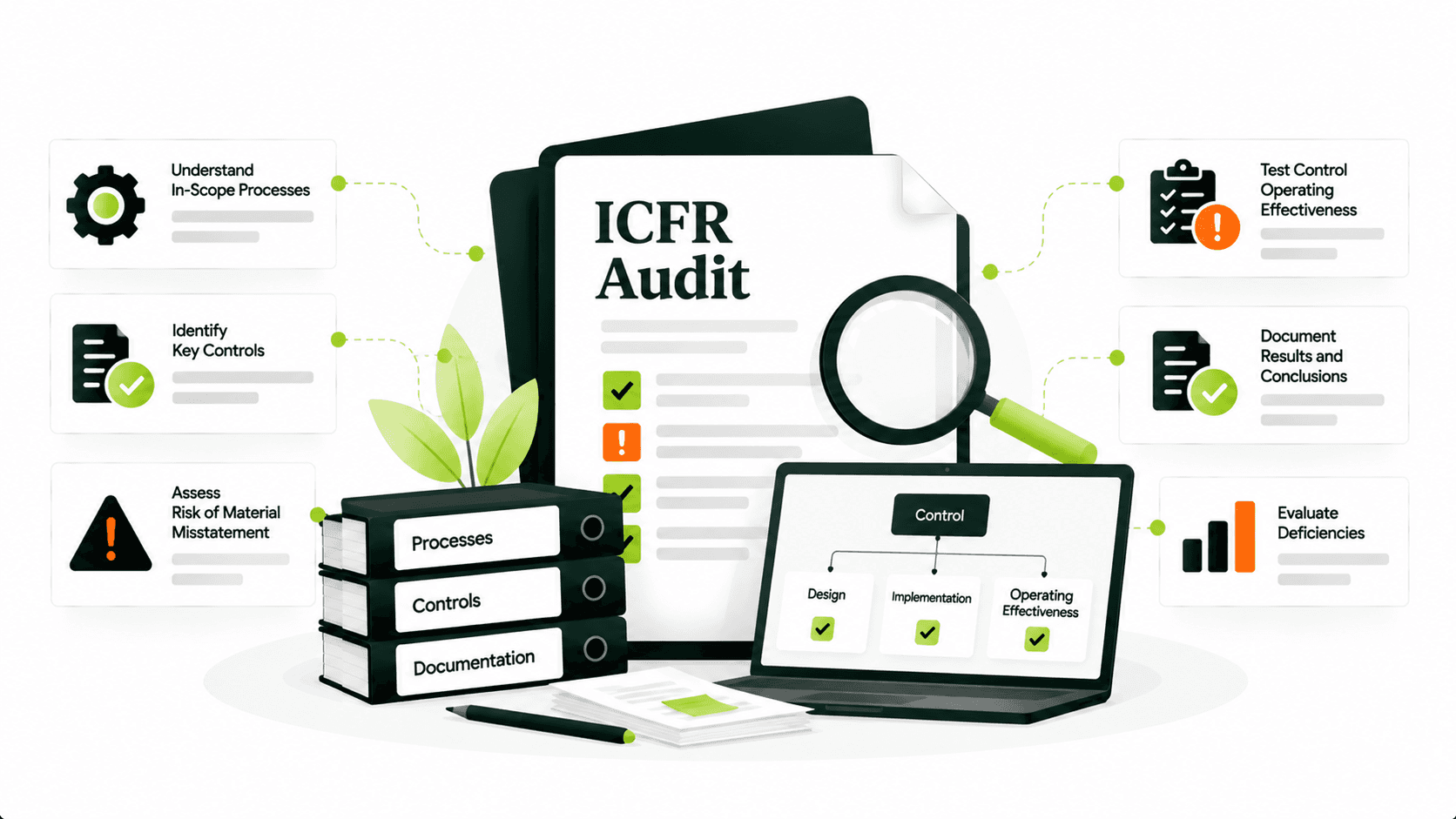
A SOX risk assessment helps management and auditors identify areas where material misstatement could occur in the financial statements and determine which internal controls are designed to prevent or detect those risks. It is an important part of management’s assessment of internal control over financial reporting (ICFR) and the auditor’s work under Section 404 of the Sarbanes-Oxley Act.
PCAOB Auditing Standard 2201 describes risk assessment as an ongoing process integrated throughout the audit. It helps determine the accounts, disclosures, and controls that will be assessed and informs the nature, timing, and extent of the audit procedures performed.
What Does a SOX Risk Assessment Evaluate?
A SOX risk assessment includes the following:
Significant accounts and disclosures
Relevant financial statement assertions such as completeness, accuracy, existence, and valuation
Risks of material misstatement within those accounts
Business processes and systems that support financial reporting
Controls addressing each identified risk
A thorough understanding of these components is important when performing a SOX risk assessment. The significance of an account or disclosure depends in part on the risk of material misstatement. Relevant assertions help describe the ways in which a financial statement amount or disclosure could be misstated. Management evaluates financial reporting risks and identifies the controls designed to address those risks, while auditors perform their own risk assessment and evaluate the related controls as required by the engagement.
How Auditors Perform a SOX Risk Assessment
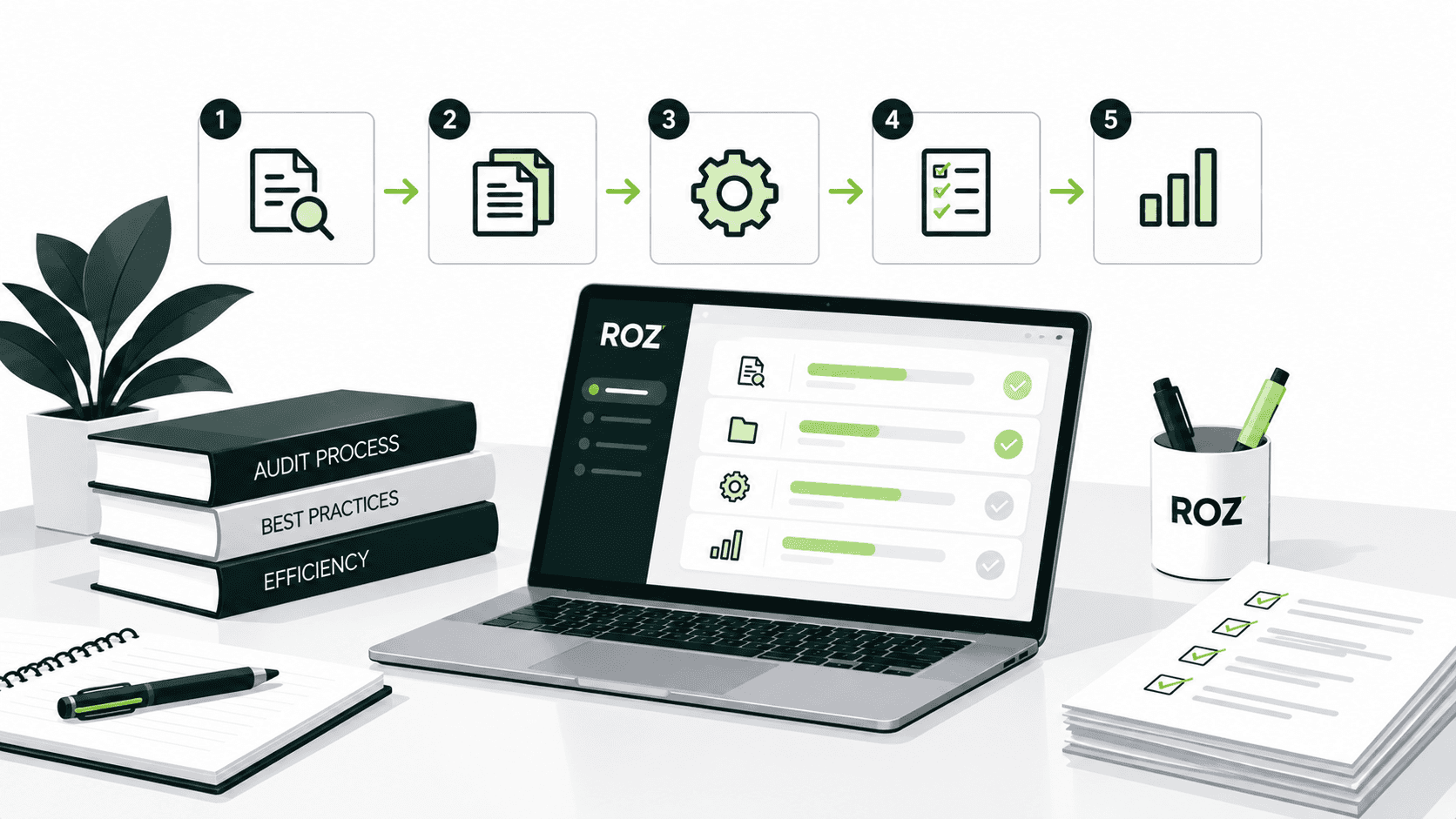
Auditors typically use a five-step process to build a thorough understanding of risk within a client’s organization. The process is outlined below.
Understand the financial reporting environment: Auditors review client’s financial statements, and consider the client’s significant business activities, accounts, and processes. Additionally, they consider any changes the company has recently implemented (i.e. new systems, acquisitions, restructuring, etc.)
Identify risks of material misstatement: This step requires auditors to consider the company’s processes and related controls to identify potential risks and consider the nature and complexity of the company’s transactions, including fraud.
Determine relevant assertions: Auditors consider the various types of assertions that management could make with respect to an element of the business and consider the risks and controls associated therewith.
Identify controls that address those risks: Auditors identify and evaluate controls mapping that are relevant to the identified risks of material misstatement and consider whether those controls are appropriately designed to address the risks.
Evaluate risk and determine scope: Using professional judgment, auditors consider factors such as the significance and likelihood of potential misstatement, transaction volume and complexity, fraud risk, and changes in the business to determine where audit effort should be directed.
The five steps described above are repeated as many times as required to complete the audit; however, the auditors are free to revisit any step based upon changes that have occurred in the business environment.
How Auditors Prioritize SOX Controls

This is the central question in any SOX risk assessment: once risks and controls are identified, which controls actually get tested, and how thoroughly?
What Makes a SOX Control High Priority
Several factors can push a control toward higher-priority testing:
Importance of the financial statement area it addresses
Risk of material misstatement if the control fails
Fraud risk associated with the underlying process
Complexity of the transaction or estimate involved
Degree of management judgment required
Transaction volume flowing through the process
History of prior control deficiencies
Recent changes in systems or processes
Controls tied to high-volume processes, significant estimates, complex transactions, or known control deficiencies may receive greater audit attention. Lower-risk, routine controls may receive less attention depending on the engagement’s scope, risk assessment, and audit methodology.
Key Controls vs. Non-Key Controls
Auditors and organizations may distinguish between key and non-key controls when determining testing scope.
Key controls are controls that address relevant risks of material misstatement and are considered important to the assessment of ICFR. A deficiency in a key control may affect the organization’s ability to prevent or detect a material misstatement, depending on the circumstances.
Non-key controls may support a process or address lower-level risks but may not be relied upon to address significant risks in the ICFR assessment.
Determining whether a control is key or non-key does not, by itself, establish whether the control is adequately designed or operating effectively. It considers the control within the broader control framework and the risks it is intended to address.
How Risk Determines Control Priority
Controls that address more significant financial reporting risks generally receive greater audit attention. The nature and extent of testing depend on the engagement’s risk assessment, control reliance, audit methodology, and professional judgment.
Risk Level | Control Priority | Typical Auditor Focus |
High | High | Detailed testing and review |
Moderate | Medium | Targeted testing |
Lower | Lower | Limited or no reliance, depending on scope |
This table represents a typical condition, and may not represent an absolute relationship. The actual prioritization would depend on the circumstances of a given engagement.
Avoid Testing Every Control
Regulatory bodies have criticized SOX test procedures for being excessively burdensome and procedure-oriented. In the view of the SEC, some procedures may result in testing more controls than are warranted based on the risks.
Controls selected for SOX testing should have a clear relationship to the financial reporting risks and objectives within the engagement’s scope. Testing controls that are not relevant to the identified risks can add unnecessary work without providing corresponding value to the assessment.
SOX Risk Assessment Scoping: What Should Be Included?
SOX risk assessments include various elements. These assessments may consider the following:
Financial Statement Accounts and Disclosures
Auditors assess the accounts and disclosures that are material or otherwise relevant to the risk of material misstatement and consider which areas warrant inclusion in the SOX scope.
Relevant Assertions
Scope is determined by more than account definition. Auditors must also discern which risks are pertinent by evaluating various assertions. For example, the nature and extent of risks associated with an account may vary with the type of assertion being evaluated.
Business Processes
Common in-scope processes include:
Revenue
Procure-to-pay
Payroll
Financial close
Treasury
Inventory
IT Systems and IT General Controls
IT general controls and other controls in the scope of the review may also be included in the scope of the review if the controls are related to the processes of financial reporting and if the controls support the generation of reports.
Changes From the Prior Year
Scoping should account for:
New systems
Acquisitions
Organizational changes
New products or transaction types
Process changes
Shifts in financial reporting risk
Auditors should understand the nature of the changes and discuss them with management before reaching conclusions regarding scope for the year under review.
Common SOX Risk Assessment Mistakes
Several recurring mistakes can weaken the reliability of a SOX risk assessment.
Using the prior year's assessment without reassessment: Rolling forward last year’s assessment without considering current conditions can cause changes in risks, controls, systems, and processes to be overlooked. The prior-year assessment can provide a useful starting point, but the current environment should be reassessed.
Treating materiality as the only risk factor: Management should consider other qualitative factors when evaluating risk. Prior period findings, management judgment, the complexity of the transaction, and susceptibility to fraud are qualitative factors that may impact risk and should also be evaluated.
Including too many controls: More controls do not necessarily provide a better assessment of risk. Each control included in scope should have a clear relationship to the risks being addressed. Including unnecessary controls can increase testing and documentation effort without materially improving risk coverage.
Failing to connect risks to assertions and controls: Each significant risk should be linked to the relevant financial statement assertions and controls that address it. Where a control does not adequately address the identified risk, the assessment should document the basis for that conclusion.
Poor documentation of scoping decisions: A rating of "high risk" without explanation doesn't tell a reviewer why an account or control was included. Documenting the reasoning behind inclusion and exclusion decisions makes the assessment easier to understand and review.
Ignoring technology and system changes: New risks may be introduced by changes to an organization’s systems and processes. The impact of such changes on the risk environment should be considered during the risk assessment.
How to Use a Risk Control Matrix for SOX Compliance
A risk control matrix (RCM) organizes the risks, assertions, controls, and evidence associated with a financial reporting process. It provides a structured link between the risks identified during the assessment and the controls selected for testing during a SOX engagement.
What Should a SOX RCM Include?
A SOX RCM may typically document:
Risk
Account or process
Assertion
Control
Control owner
Control frequency
Control type
Evidence
Testing approach
Risk rating
How the RCM Helps Prioritize Controls
Through the RCM, the relationship of a control to the risks it addresses is documented and characterized. This relationship is expressed as risks link to one or more assertions, assertions link to one or more controls and controls link to one or more evidences.
An RCM should clearly document the basis for including controls within the engagement scope and provide enough context for a reviewer to understand the relationship between the risk, control, and testing approach. Supporting documentation may still be appropriate where additional detail is needed.
Using the RCM to Identify Gaps and Redundancies
A well-maintained RCM can also surface problems in the assessment itself, including:
Risks without a mapped control
Controls without a clearly documented risk
Duplicate controls addressing the same risk
Controls that don't directly address the risk they're mapped to
How to avoid these gaps: Review the RCM specifically for orphaned risks and redundant controls before finalizing scope, rather than treating the matrix as a static record.
SOX Risk Assessment Best Practices
Use a risk-based approach: Direct your testing efforts to controls that relate to more significant risks.
Refresh the assessment for business changes: Reassess risks when significant changes occur in systems, processes, transactions, organizational structure, or the financial reporting environment.
Document the reasoning behind scope decisions: Ensure that the rationale supporting the scope of the risk assessment is clear and understandable to persons other than the individual that provided the rationale.
Connect risk assessment to control testing: The output of a risk assessment should be used to prioritize controls for testing.
Keep the RCM current: Change should occur when risks or the controls that mitigate those risks also change.
Standardize documentation across engagements: This is especially important for organizations that perform SOX work for multiple clients.
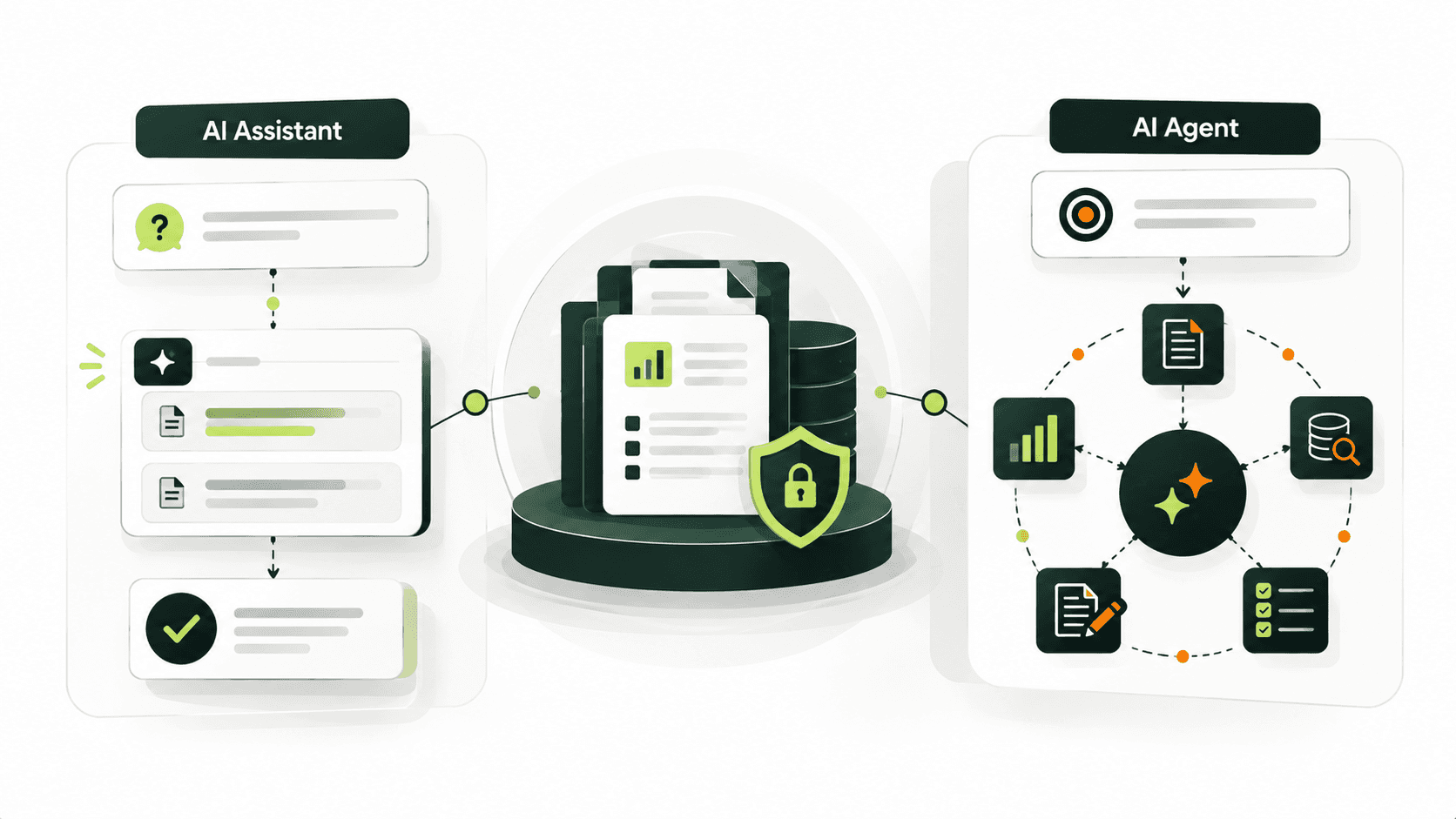
Maintain human review and judgment: Establish appropriate human review when using AI or automation to assist with risk assessment, control mapping, evidence analysis, or testing. Auditors and management remain responsible for the decisions and conclusions within their respective roles.
How Roz Supports SOX Risk Assessment and Control Testing
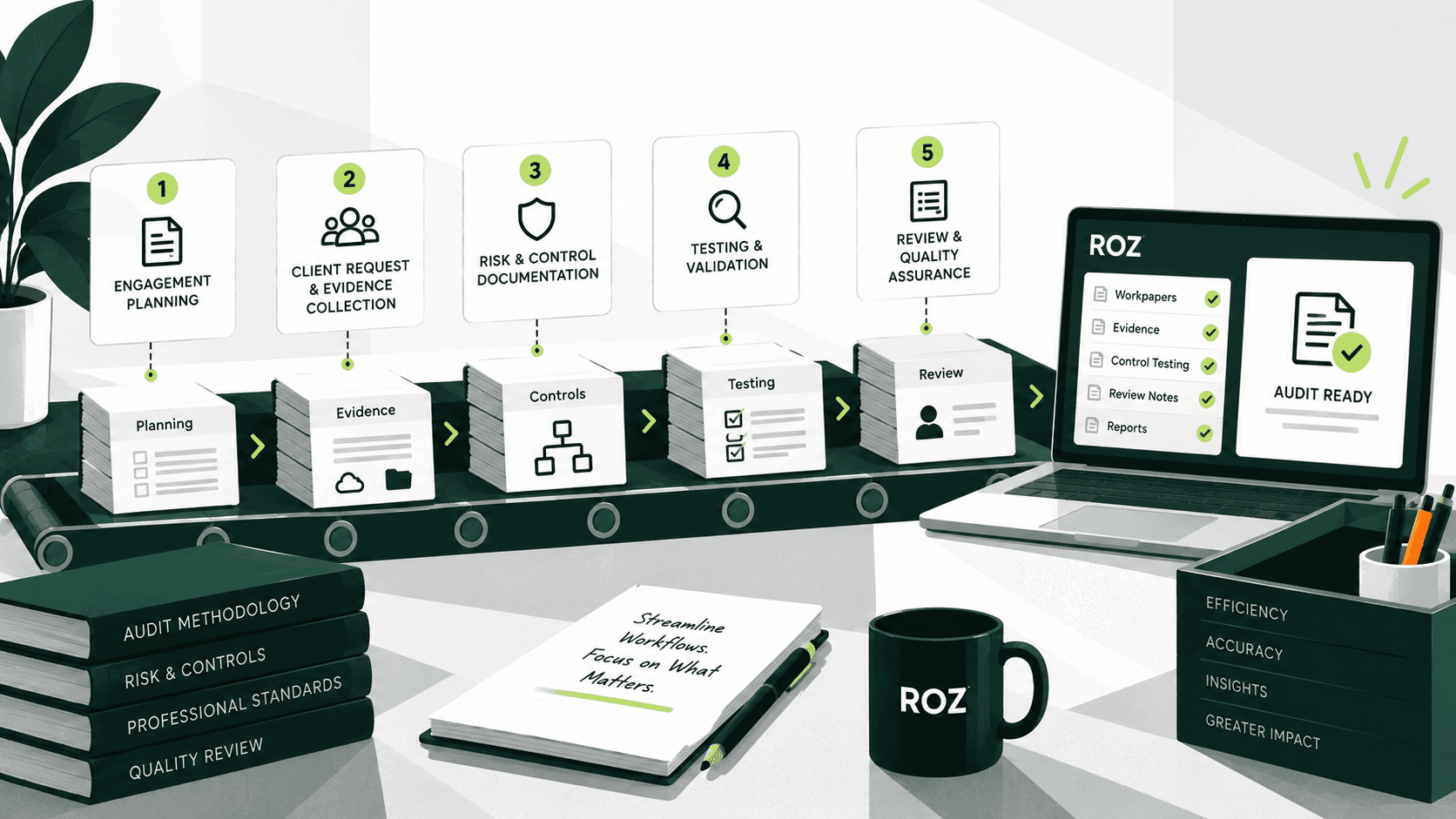
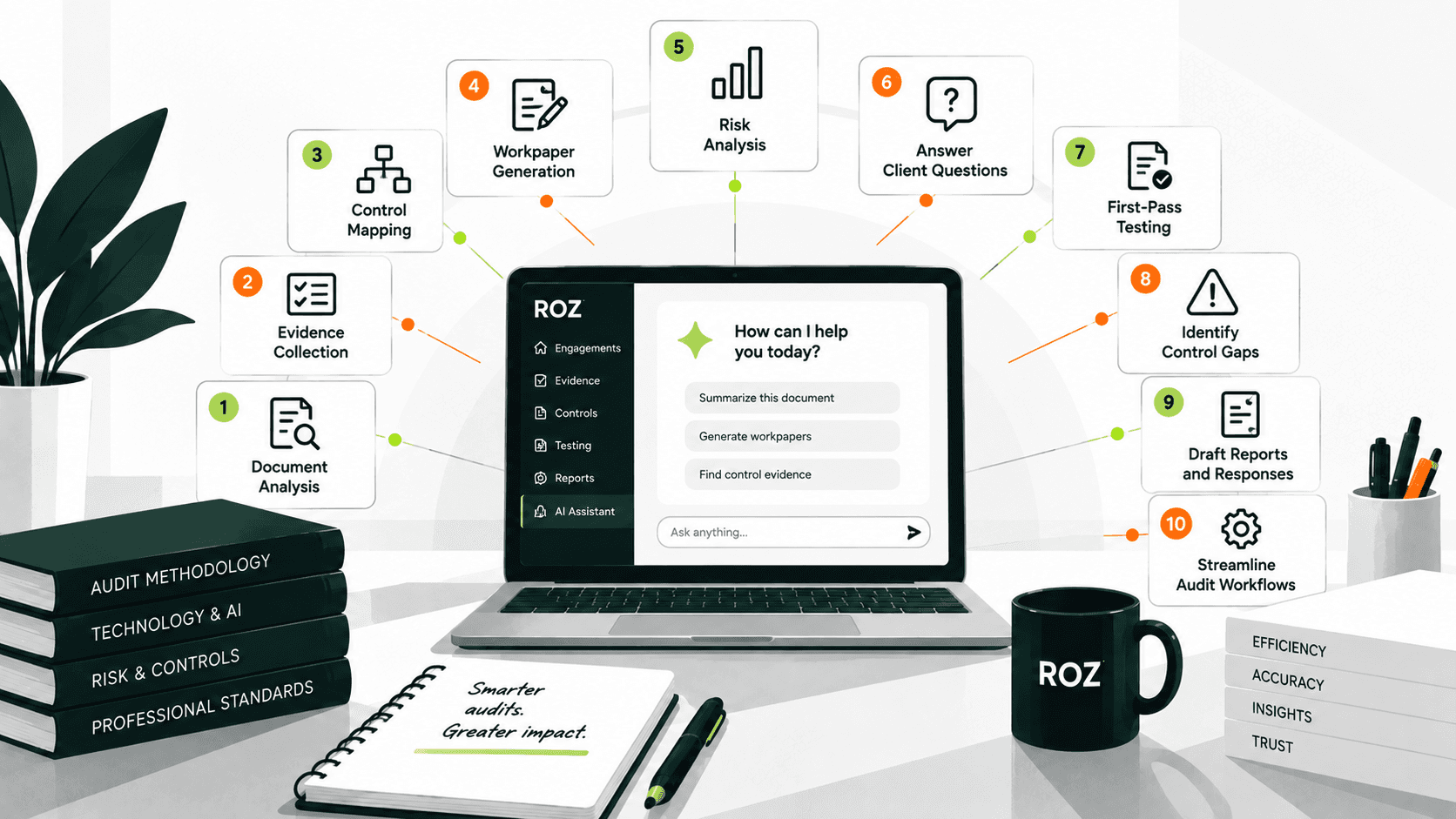
Roz is an AI-native audit fieldwork platform built for auditors performing control testing, including SOX engagements. It doesn't replace the risk assessment itself, but it supports the workflow that follows it.
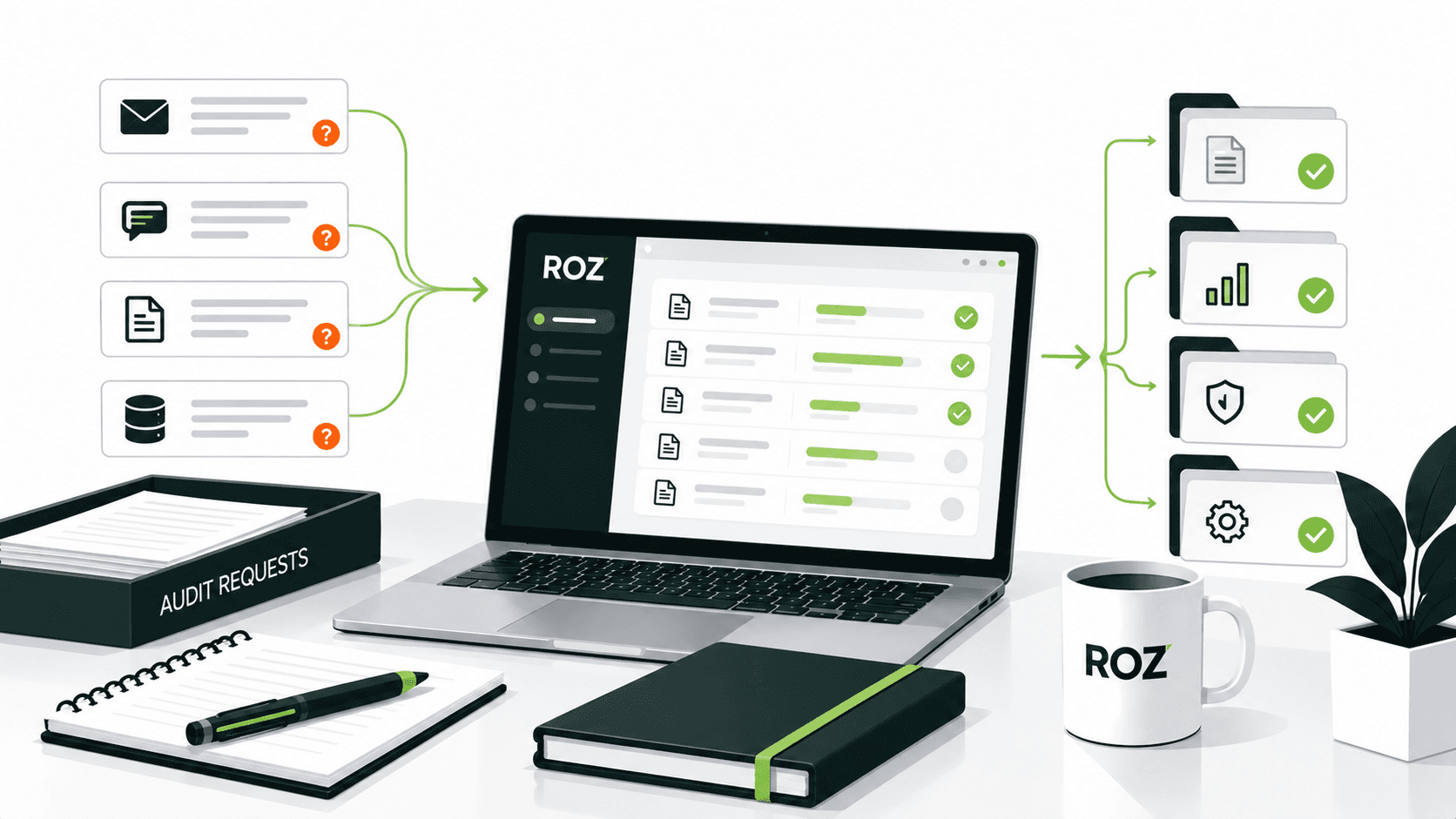
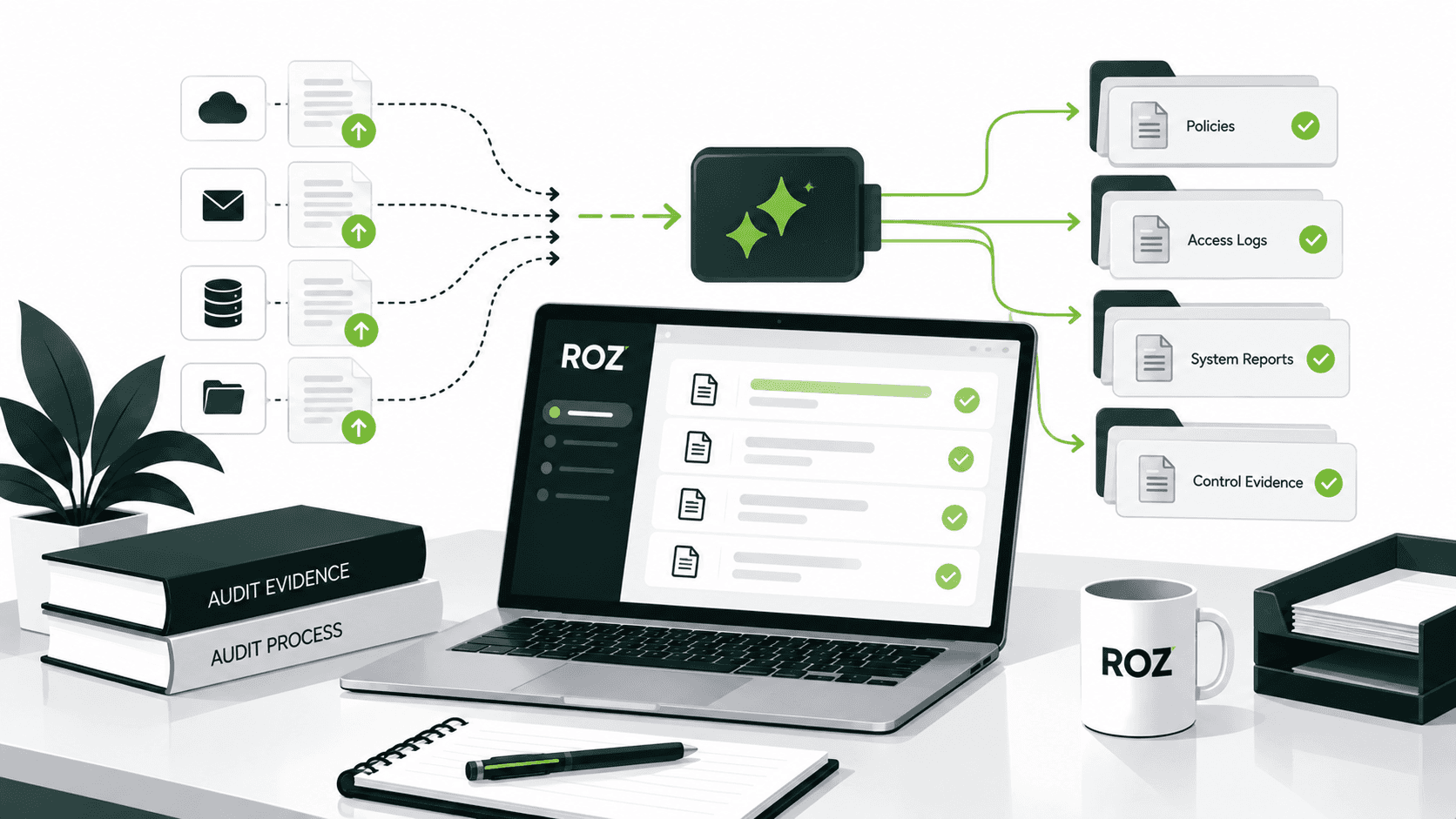
Organizing engagement evidence: Roz provides an isolated, client-specific workspace where controls, evidence, and documentation for a given SOX engagement stay contained and organized.
Connecting risks, controls, and evidence: Roz's workflow structure helps auditors organize the risk-to-control relationship and connect supporting evidence directly to the relevant control, rather than managing that connection across disconnected spreadsheets and file folders.
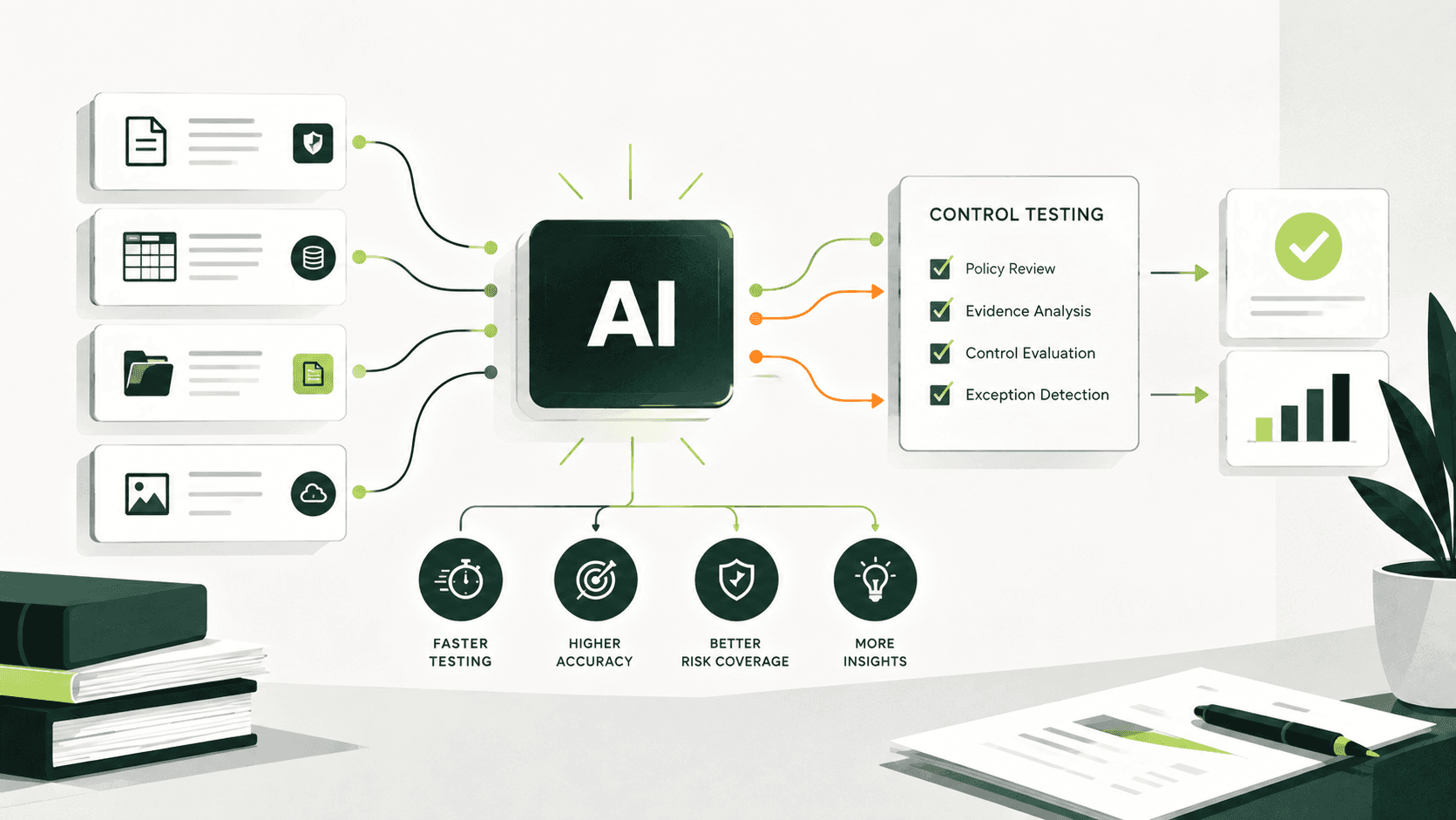
Supporting first-pass control testing: Once controls and evidence are in place, Roz can run defined or AI-suggested attribute checks against relevant evidence and sample sets, returning PASS, FAIL, N/A, or INFO results with reasoning for the auditor to review.
Identifying evidence gaps: Roz's evidence sufficiency checks can help auditors surface missing or potentially insufficient support before or during testing, rather than discovering the gap during review.
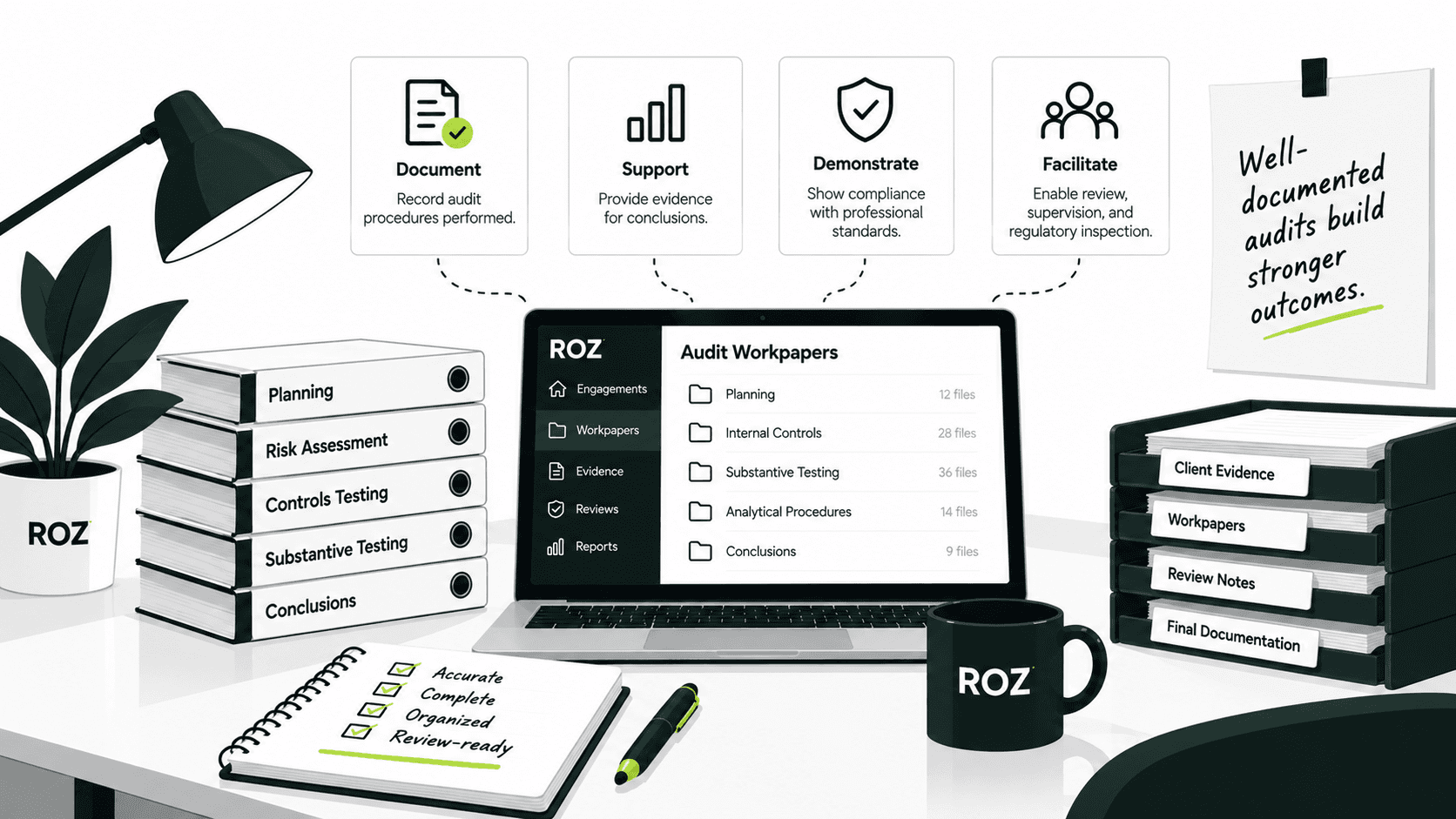
Generating workpaper-ready documentation: Completed control activities can be exported as formatted workpapers with supporting evidence and annotations attached.
Human-in-the-loop review: Roz performs a first pass of testing. The auditor reviews the result, verifies the underlying evidence, and can rerun or override the test where appropriate. Final professional judgment and the audit conclusion remain with the auditor.
Conclusion
SOX risk assessment determines where audit attention should go before control testing. Getting this right means identifying the actual financial reporting risk, determining the relevant assertions, mapping risks to controls, and prioritizing testing based on that risk — not on convenience or last year's scope.
The risk control matrix is what turns this assessment into a practical testing approach, and it's worth maintaining as a living document rather than a static file. Technology, including AI-assisted platforms like Roz, can accelerate the fieldwork that follows the assessment, but the underlying discipline of connecting risk to control remains the auditor's responsibility.
Treat this as a recurring practice, not an annual checkbox: revisit the assessment as the business changes, and let the risk determine the scope.
Frequently Asked Questions
How do auditors prioritize SOX controls?
Auditors prioritize controls based on the risk of material misstatement they address, along with fraud risk, transaction volume, complexity, management judgment, and prior control deficiencies. Controls tied to higher-risk areas generally receive greater audit attention.
What should be included in a SOX risk control matrix?
A SOX RCM should typically include the identified risk, account or process, relevant assertion, control description, control owner, control frequency, control type, supporting evidence, testing approach, and risk rating.
What is the difference between SOX risk assessment and control testing?
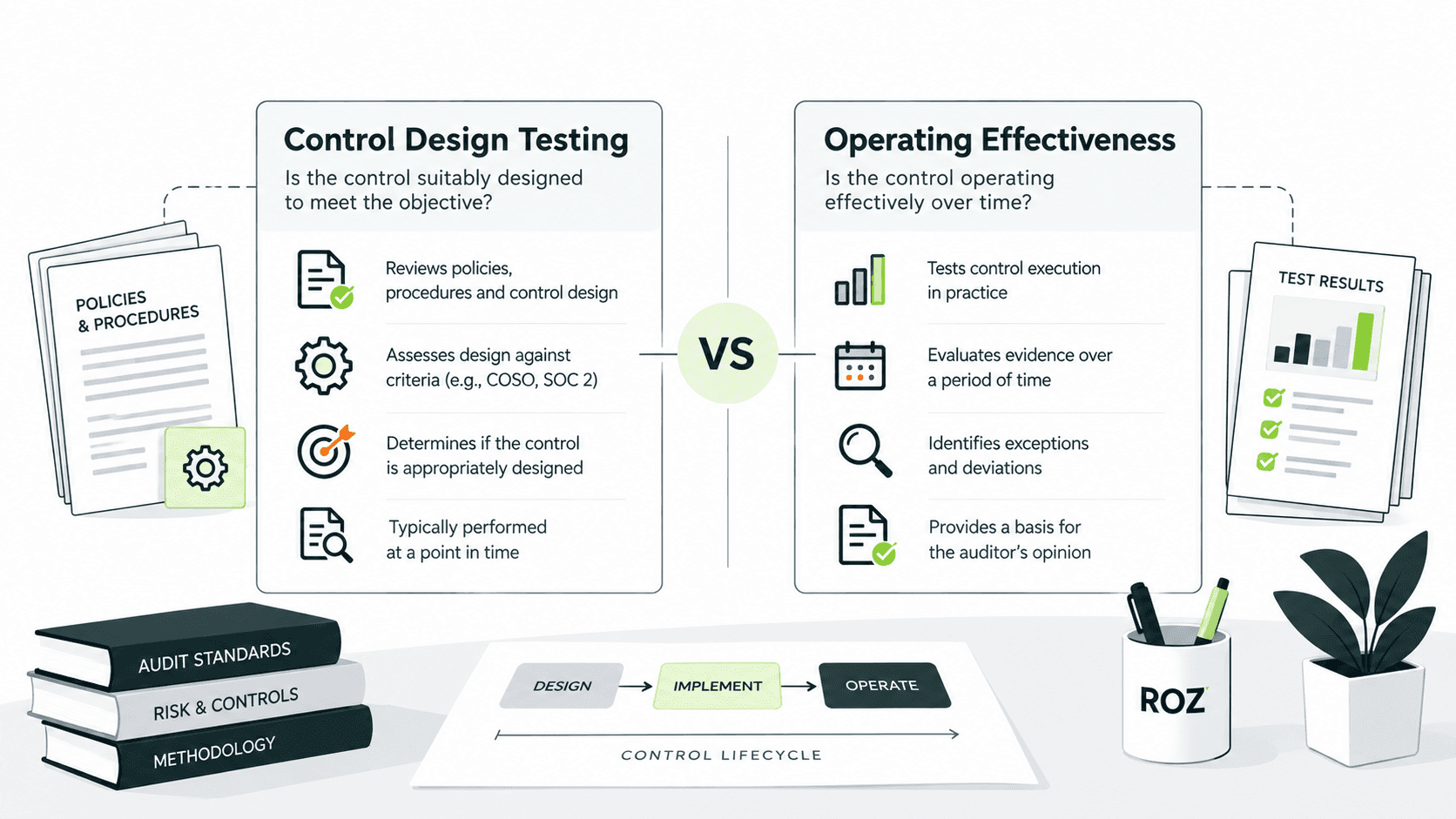
Risk assessment identifies where financial reporting risk exists and which controls address it, helping determine what gets tested. Control testing is the subsequent step where auditors evaluate selected controls to determine whether they are suitably designed and, where applicable, operating effectively.
Can AI help with SOX risk assessment?
AI can assist with organizing evidence, mapping risks to controls, and performing first-pass control testing against defined criteria. It can support the assessment process but does not replace auditor judgment when determining risk significance or finalizing scope decisions.