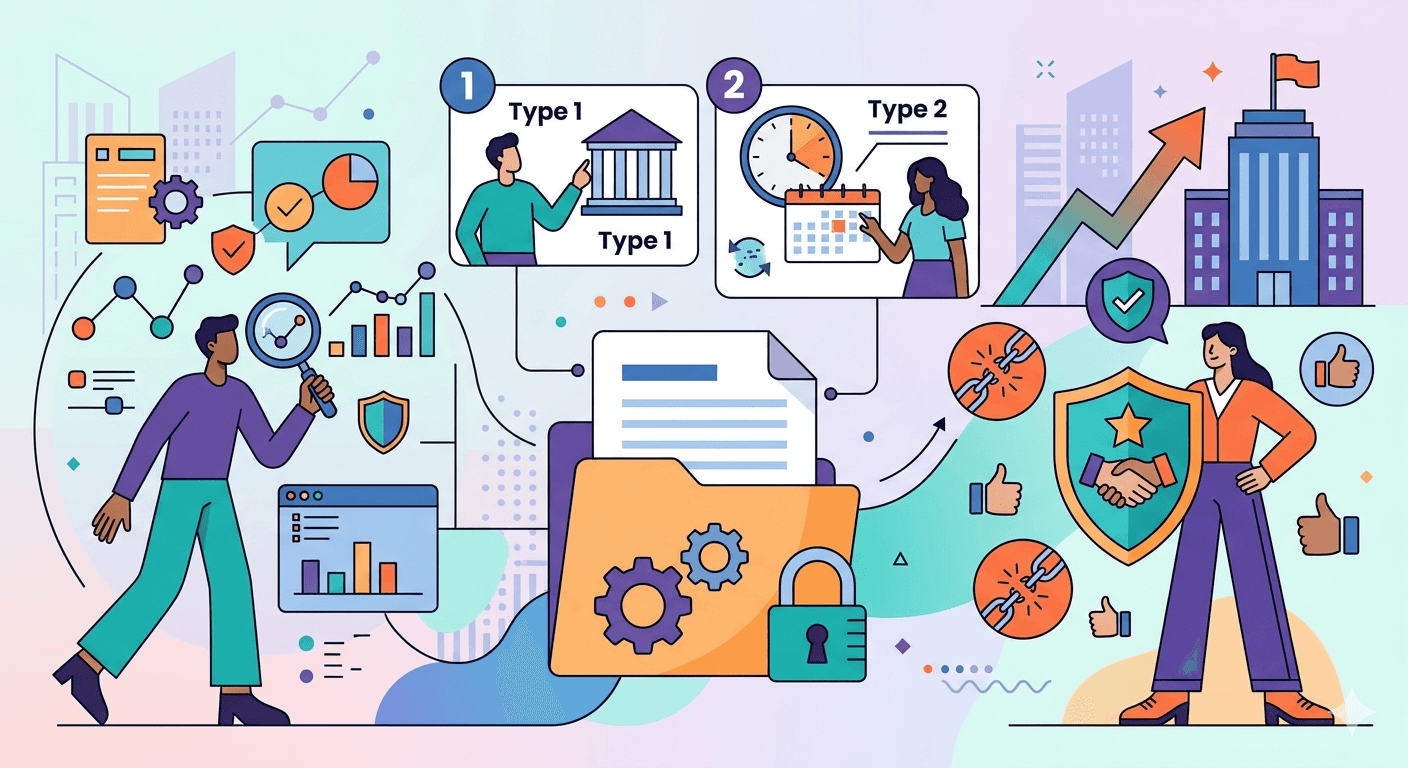
Control mapping is the process of linking an organization’s internal controls to specific compliance framework requirements. Control testing is the process of validating whether those mapped controls are properly designed and operating effectively. Modern organizations rely on both workflows to maintain compliance and support audit readiness.
Control mapping tells auditors which controls apply to which requirements. Control testing determines whether those controls actually work.
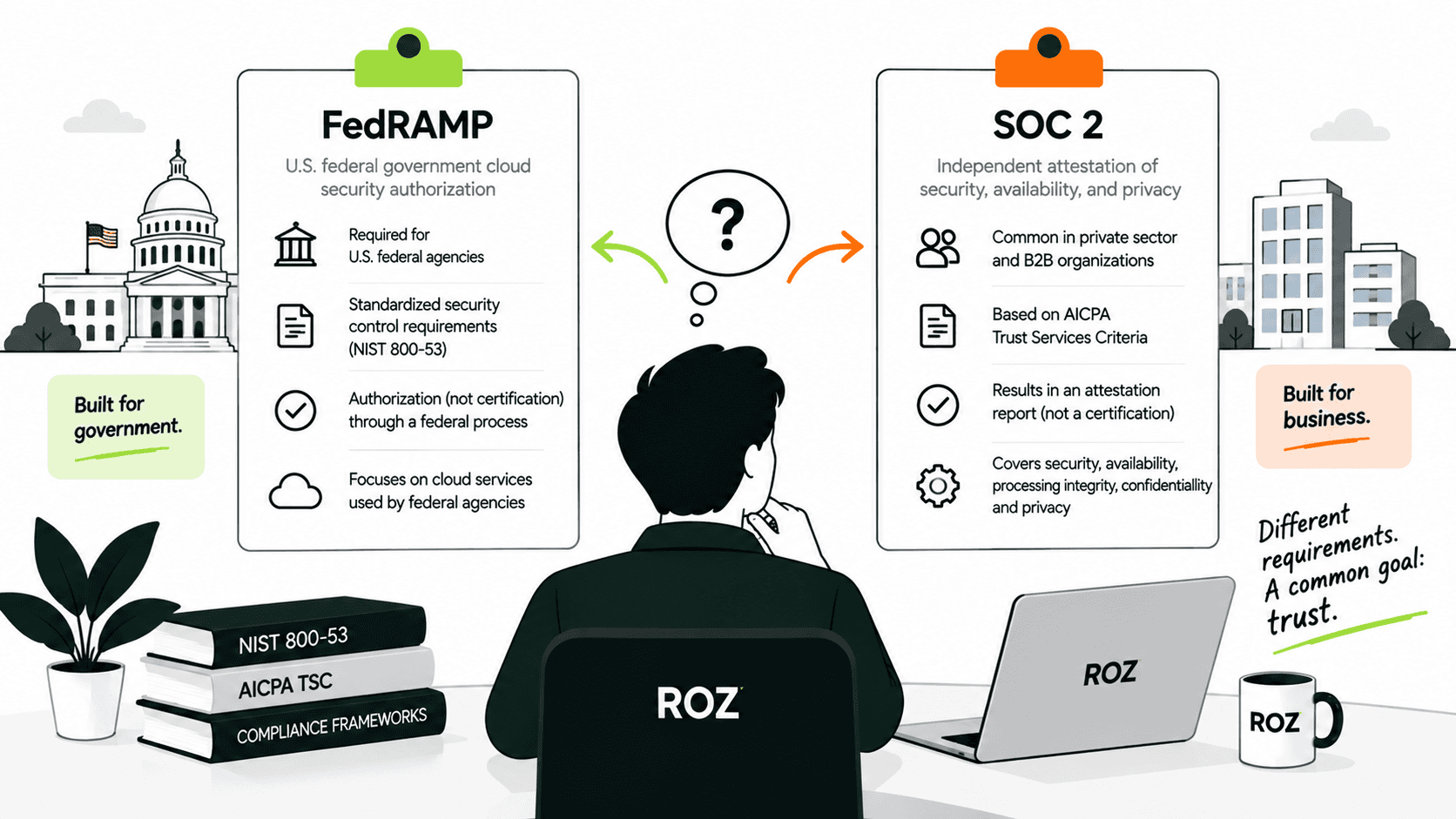
Although these concepts are closely connected, many organizations still treat them as interchangeable parts of the compliance process. In reality, they solve different, but equally important, compliance challenges. As organizations increasingly manage multiple frameworks such as SOC 2, ISO 27001, HIPAA, and NIST, audit teams often struggle with repetitive mapping activities, fragmented evidence collection, and manual testing workflows. Control mapping helps create structure and traceability across frameworks, while control testing provides assurance that controls are functioning as intended.
Modern AI-native audit platforms are also changing how organizations manage these workflows by replacing disconnected spreadsheets with more centralized, continuous compliance operations.
In this article, I will explain the key differences between control mapping and control testing, how they work together, and why both are essential for scalable compliance programs.
What Is Control Mapping?
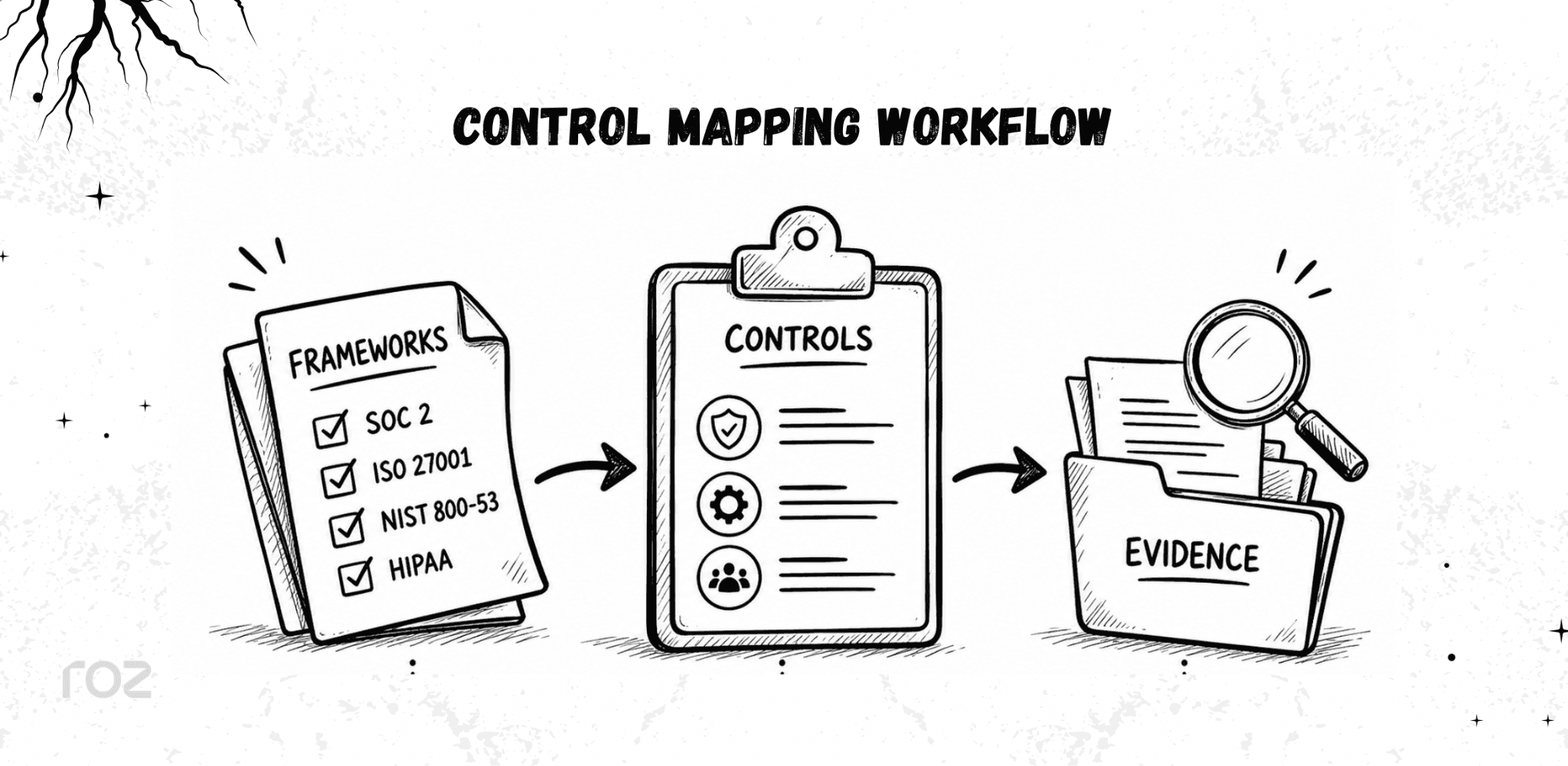
A security program is more than just policies; to make it truly compliant, a business needs a structured way to align internal controls with compliance requirements. Control mapping provides that structure.
Control mapping connects an organization’s internal controls to external compliance frameworks such as SOC 2, ISO 27001, HIPAA, and NIST. Control mapping is vital for the management of multi-framework compliance. This approach allows internal teams to focus on a single control and apply it to multiple requirements, rather than having to create distinct and separate controls for each compliance framework, thus facilitating the reuse of compliance evidence.
For example, a company can map one control for multi-factor authentication (MFA) to:
SOC 2 logical access requirements
ISO 27001 access control requirements
NIST authentication controls
HIPAA access control standards
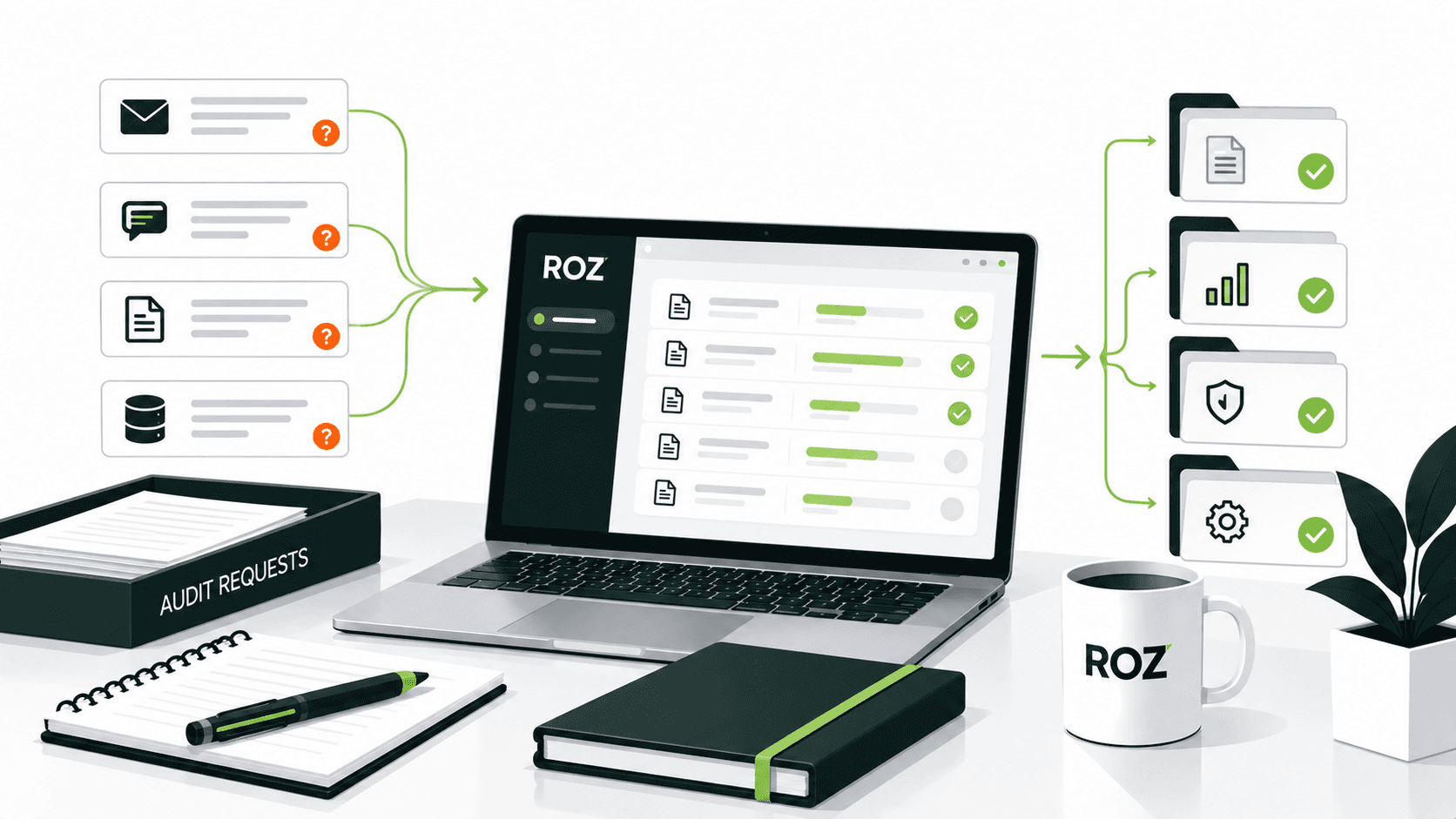
In the past, organizations managed control mappings through operational spreadsheets. Although popular, this approach provides inconsistent mappings, scattered documentation, and inefficient audits. Current compliance programs have moved to GRC and AI-based audit tools to provide a centralized approach to mappings and improve audit traceability across multiple frameworks.
What Is Control Testing?
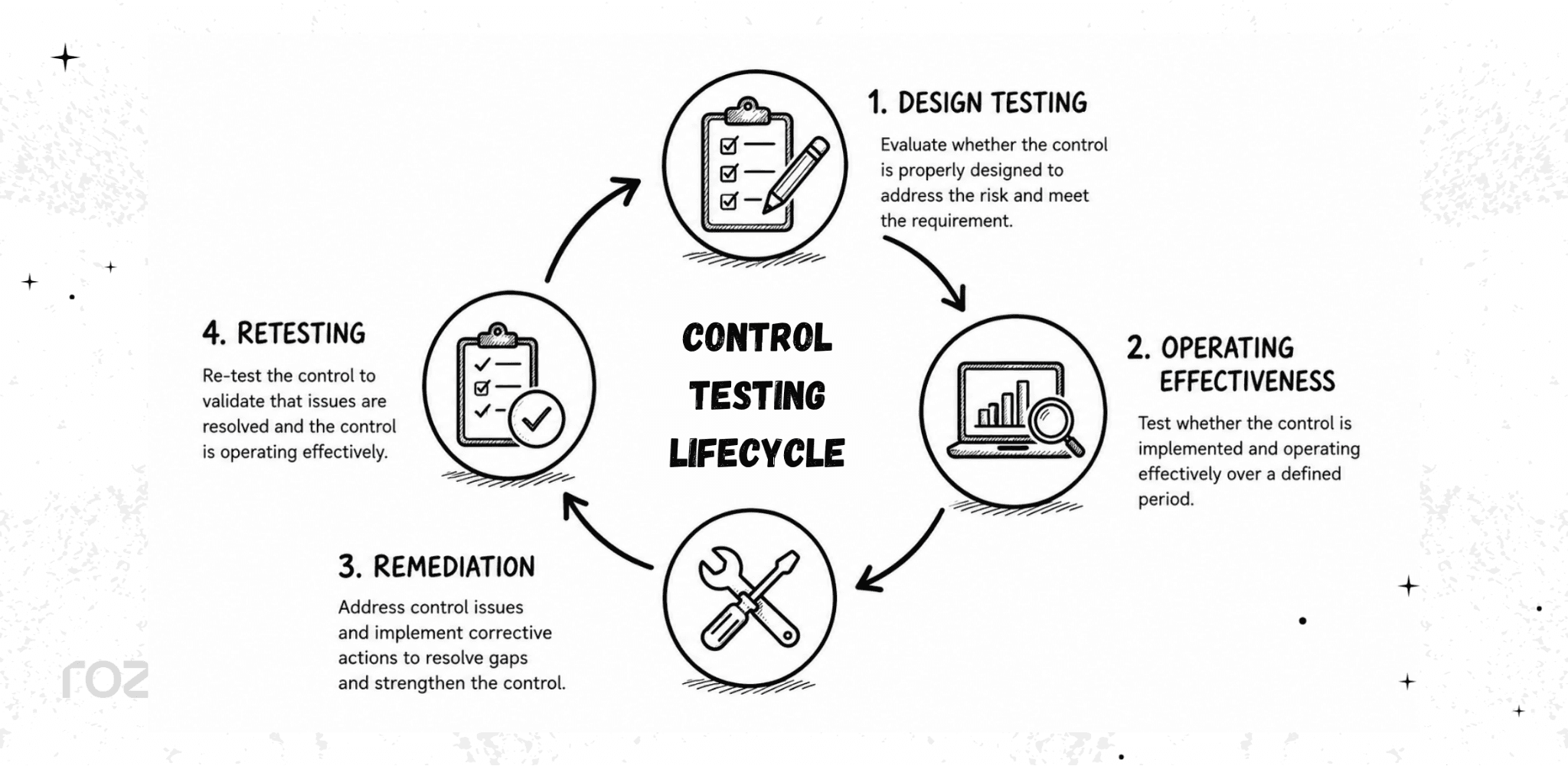
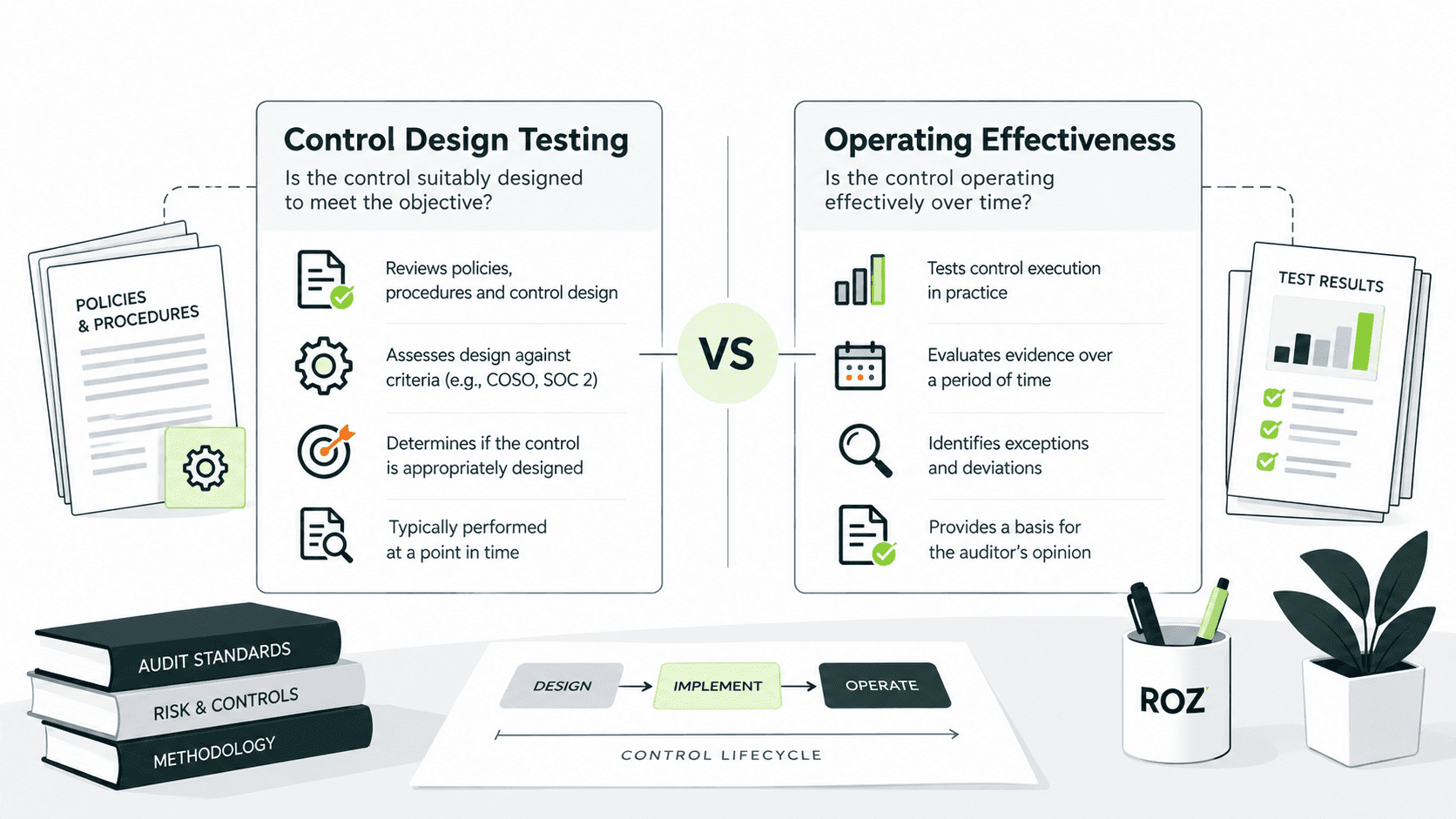
Control mapping establishes the structure of a compliance program; however, control testing provides the evidence. This is the examination of whether an internal control is adequately designed and is functioning properly. The intent is to go beyond simple existence testing to actually establish that a control can operate consistently to prevent or detect identified risks during normal operations.
Control testing is comprised of two separate components:
Design effectiveness: In this phase, control testing focuses on the design of the control and whether it can mitigate identified risks and achieve the intended control objectives.
Operational effectiveness: In this phase of control testing, the focus is on the functionality and operation of the control over a defined period of time.
As part of these components, auditors typically rely on a variety of approaches:
Inquiry of staff to assess the performance of a control.
Observing a control operation to confirm a control is operating as intended.
Inspection of control evidence.
Reperforming a control to validate the result of the control.
Continuous control monitoring through automated tools.
Control testing is a well-defined process. Some common examples of control testing include reviewing MFA enforcement through log review, completing user access reviews quarterly, and documenting management approval of changes.
Control testing is a requirement for any audit. Control mapping by itself will not demonstrate the success of your security program. When control testing is performed, your organization is likely to demonstrate a stronger level of audit readiness, is more likely to discover gaps in compliance before they can be identified as control deficiencies, and will also be able to enhance the overall level of risk management.
Control Mapping vs Control Testing: What Are the Key Differences?
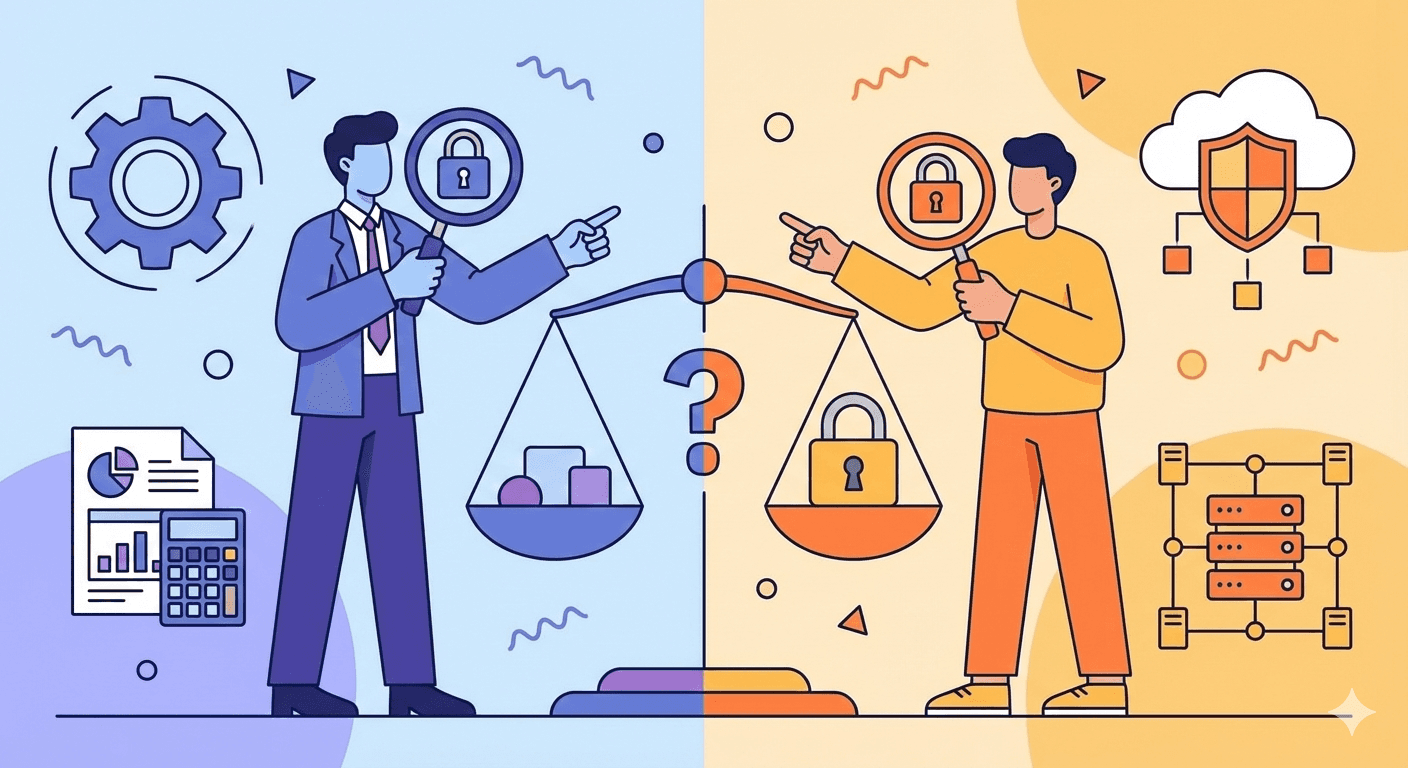
To pass an audit, you need both workflows. The table below outlines the core differences between control mapping and testing.
Area | Control Mapping | Control Testing |
Primary Purpose | Link controls to requirements | Validate controls work effectively |
Focus | Framework alignment | Operational effectiveness |
Timing | Planning & compliance design | Audit execution & monitoring |
Output | Control relationships | Testing evidence/results |
Users | Compliance teams | Auditors & risk teams |
Automation Potential | AI-assisted mapping | Continuous monitoring/testing |
How Do Control Mapping and Testing Work Together?
Control mapping and control testing serve different roles, but both are key for the compliance process. Control mapping is the determination of which internal controls satisfy specific requirements of a compliance framework. Control testing, however, is the determination of the effectiveness of those controls.
For example, your organization may be mapping its controls for compliance with the password policy against the access control requirements of SOC 2 or perhaps ISO 27001. The auditor, through the documentation of control, will review the password settings and the enforcement controls and other supporting documentation.
Together, these processes help organizations:
Establish clear audit traceability
Reduce redundant compliance work
Reuse controls across multiple frameworks
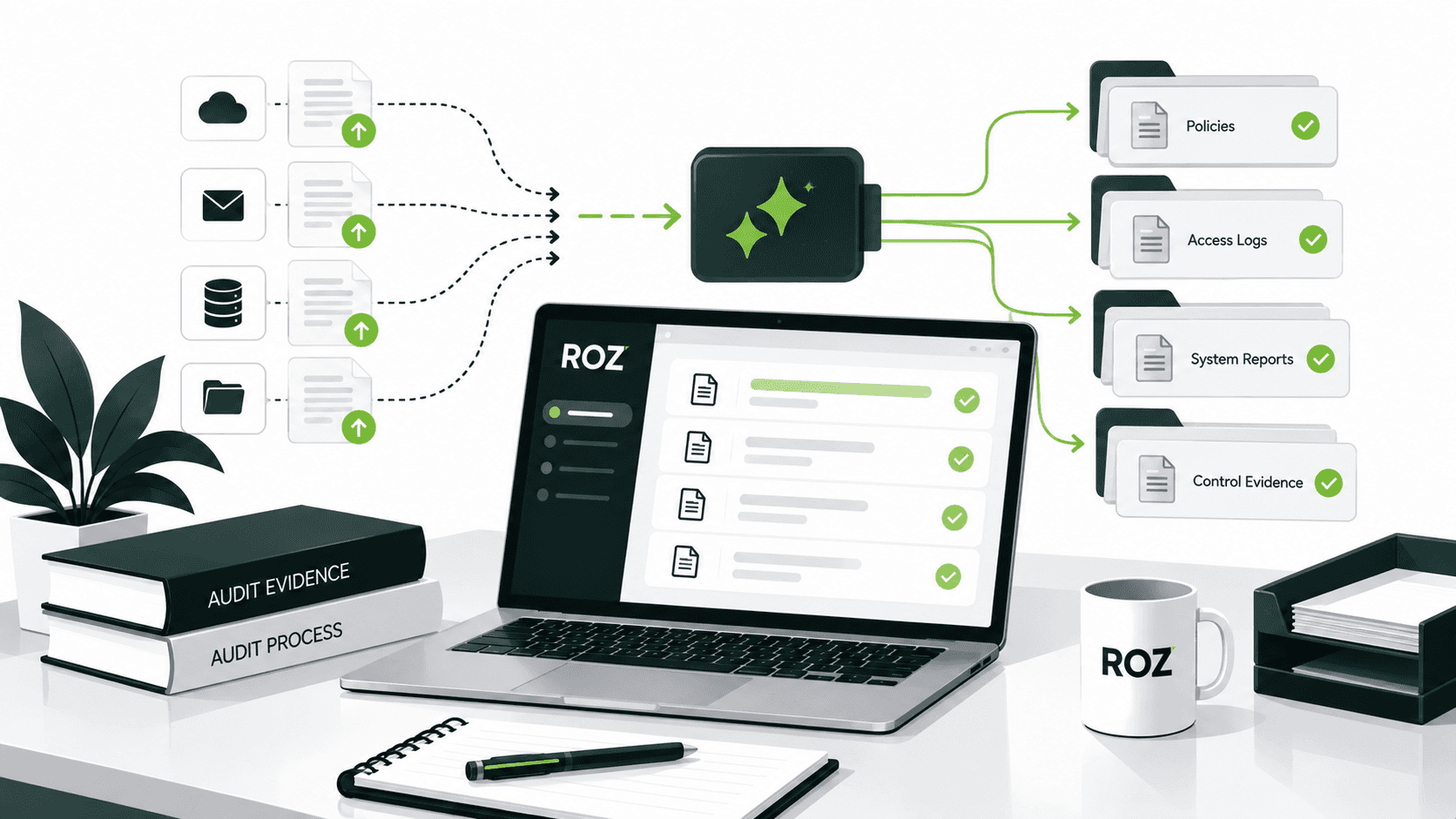
Simplify evidence collection
Improve overall audit readiness
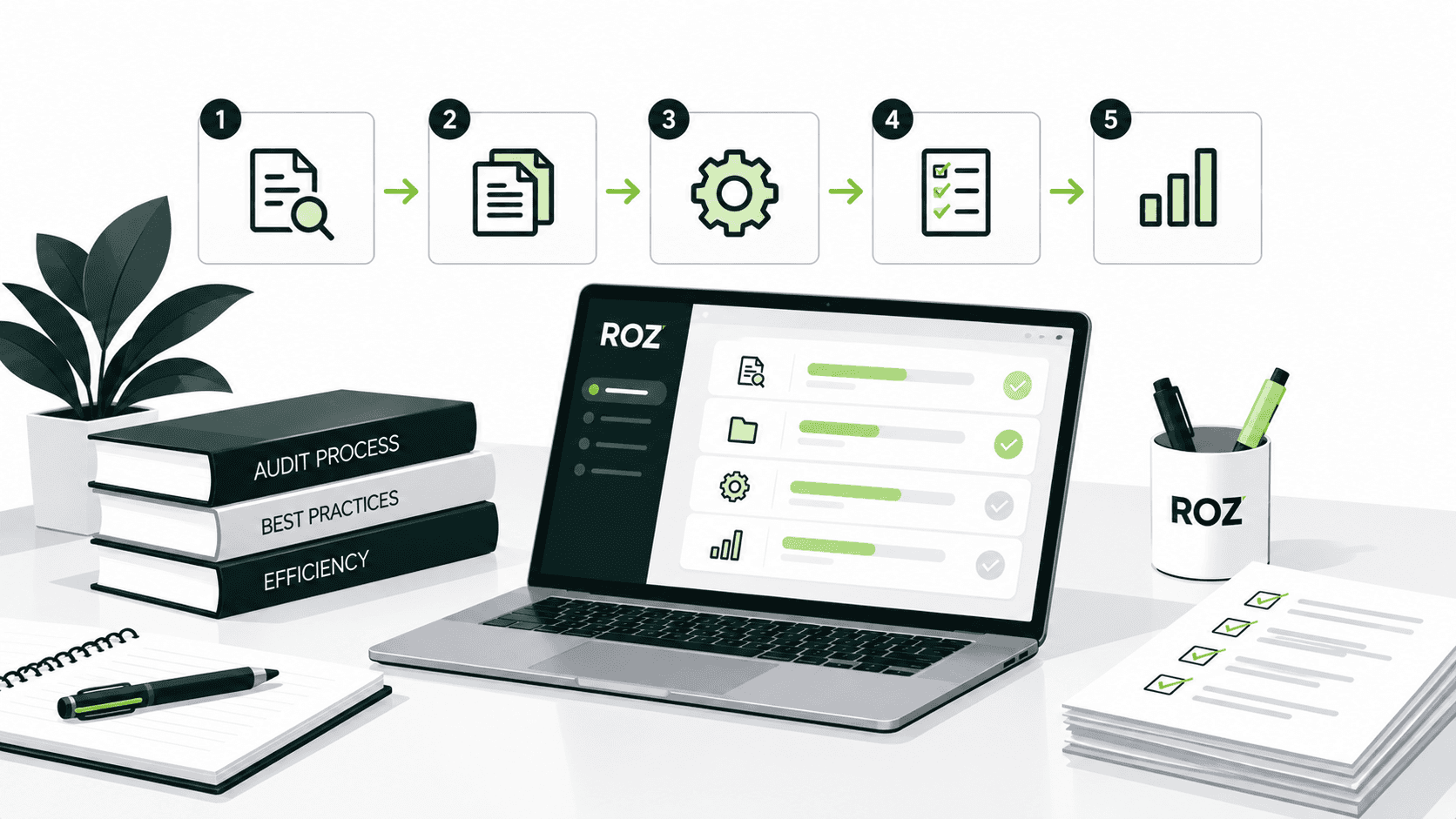
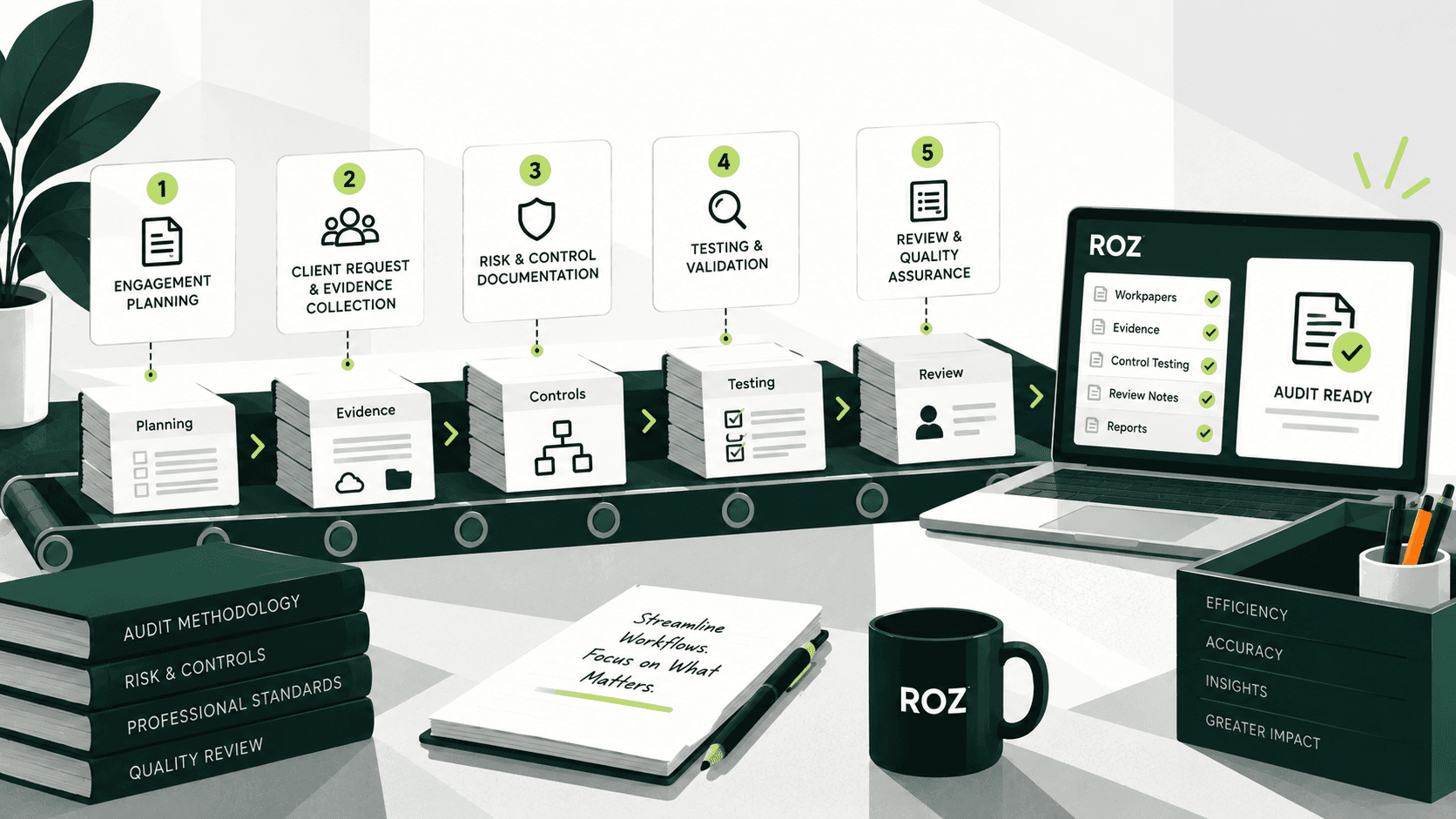
Centralizing the mapping and testing provides a single, unified workflow for the auditor to connect the requirements of the framework with controls, evidence, and the associated testing activities in a single workflow. Centralizing these workflows helps streamline audit operations and improve scalability across compliance frameworks.
What Common Challenges Do Organizations Face?
Managing both control mapping and control testing workflows offers many potential advantages. Nevertheless, for many organizations, there are real challenges in their execution.
Failing spreadsheet-driven workflows: When organizations manage controls using a spreadsheet, they face many problems, including loss of document control, fragmented evidence, and heavy reliance on manual updates. All of these issues slow down audit cycles. A spreadsheet, being a static document, is ill-suited for dynamic compliance management.
Creating duplicate controls: Without a central control library, teams will create a new control for every new framework. This leads to inconsistent naming and unneeded testing, wasting time for auditors.
Relying on manual evidence collection: Having auditors take screenshots, store data, and log evidence via email creates bottlenecks. Missing evidence can result in audit exceptions or incomplete testing.
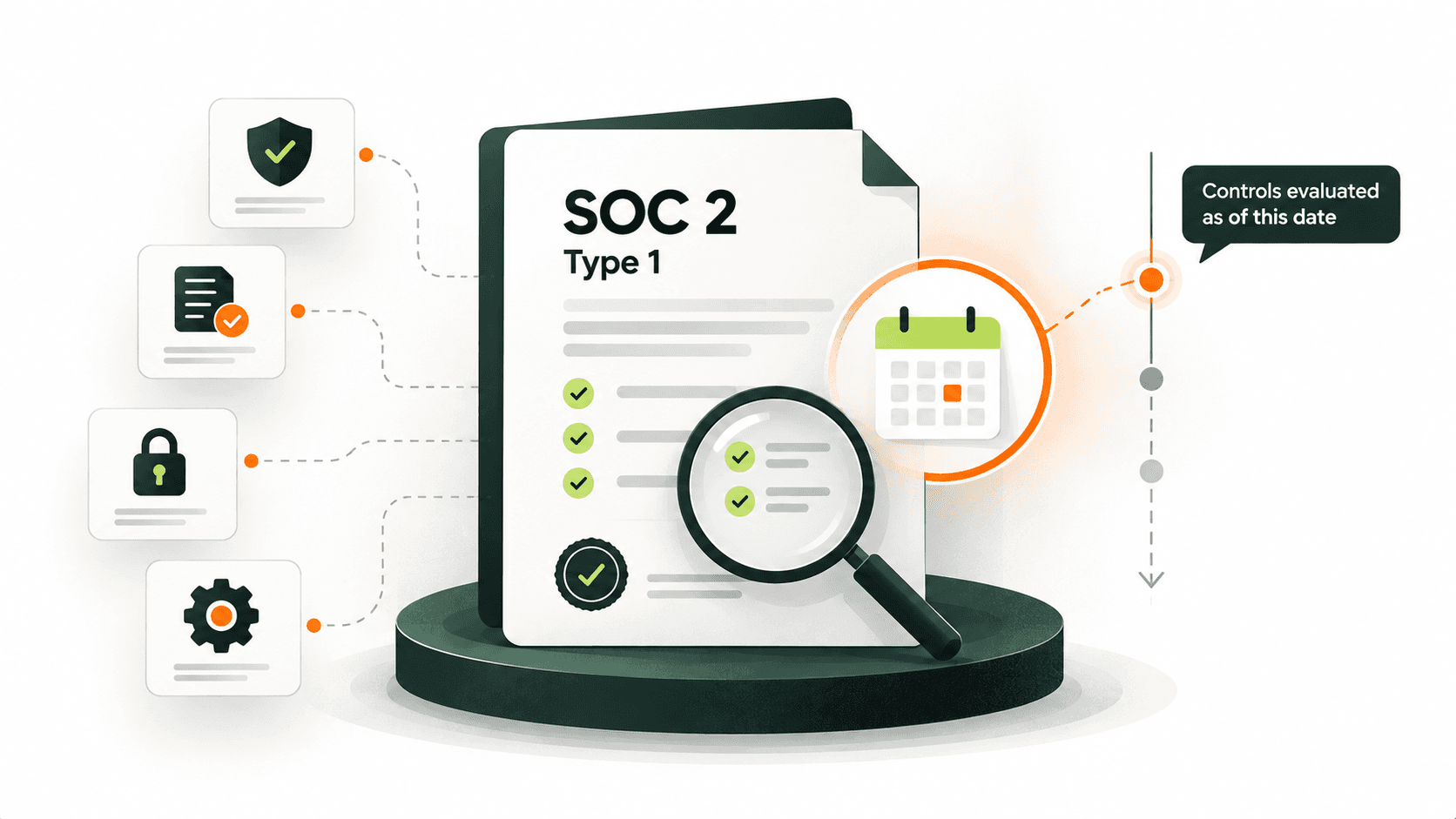
Having limited visibility into control health: Audits conducted at a single point in time indicate that a control was functioning on a specific date. Since there is no form of monitoring in place, a control could malfunction and go undetected for months, resulting in unnecessary risk to the organization.
Struggling to scale audits: For CPA firms and advisory groups, standardization of audits is essential for scalability across multiple clients. Without a single system to manage both mapping and testing, firms may encounter operational scalability limitations where they can no longer increase client engagements without an equivalent increase in personnel.
How Is AI Changing Control Mapping and Testing?
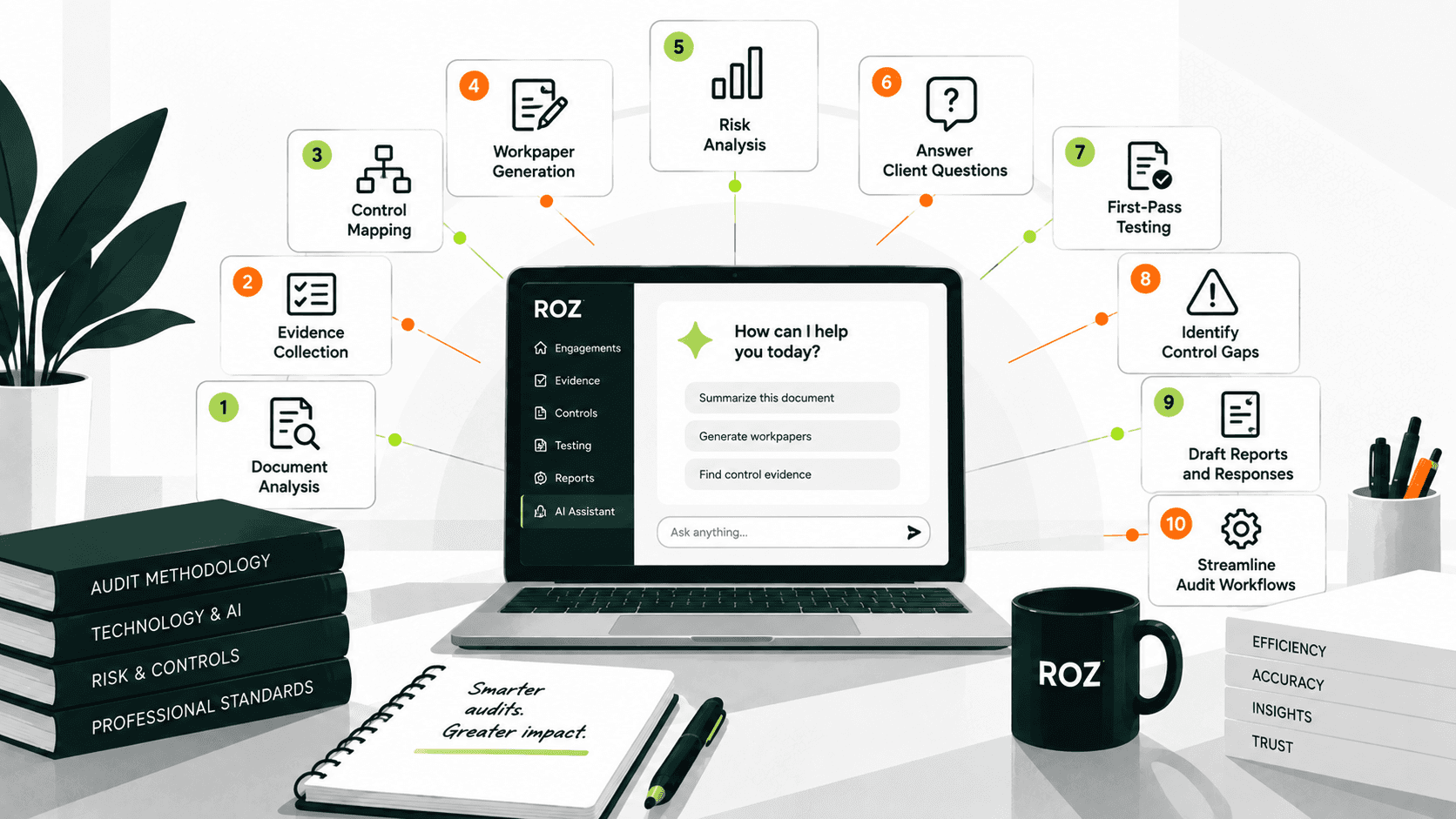
Many modern audit teams are using AI-native platforms for managing documentation-heavy engagements. Platforms like Roz function as intelligent enterprise data rooms that support engagement workflows and compliance analysis.
AI-Assisted Control Mapping: Roz can read corporate policies and assist in aligning them with the control frameworks. This platform can pull controls from uploaded documents, perform mapping across compliance frameworks, and identify gaps quickly.
AI-Assisted Evidence Analysis: AI offers automation of the ingestion, organization, and classification of documents. Roz can process large volumes of client documentation, connect supporting documentation to controls, and provide an evidence score to help sort documentation for review.
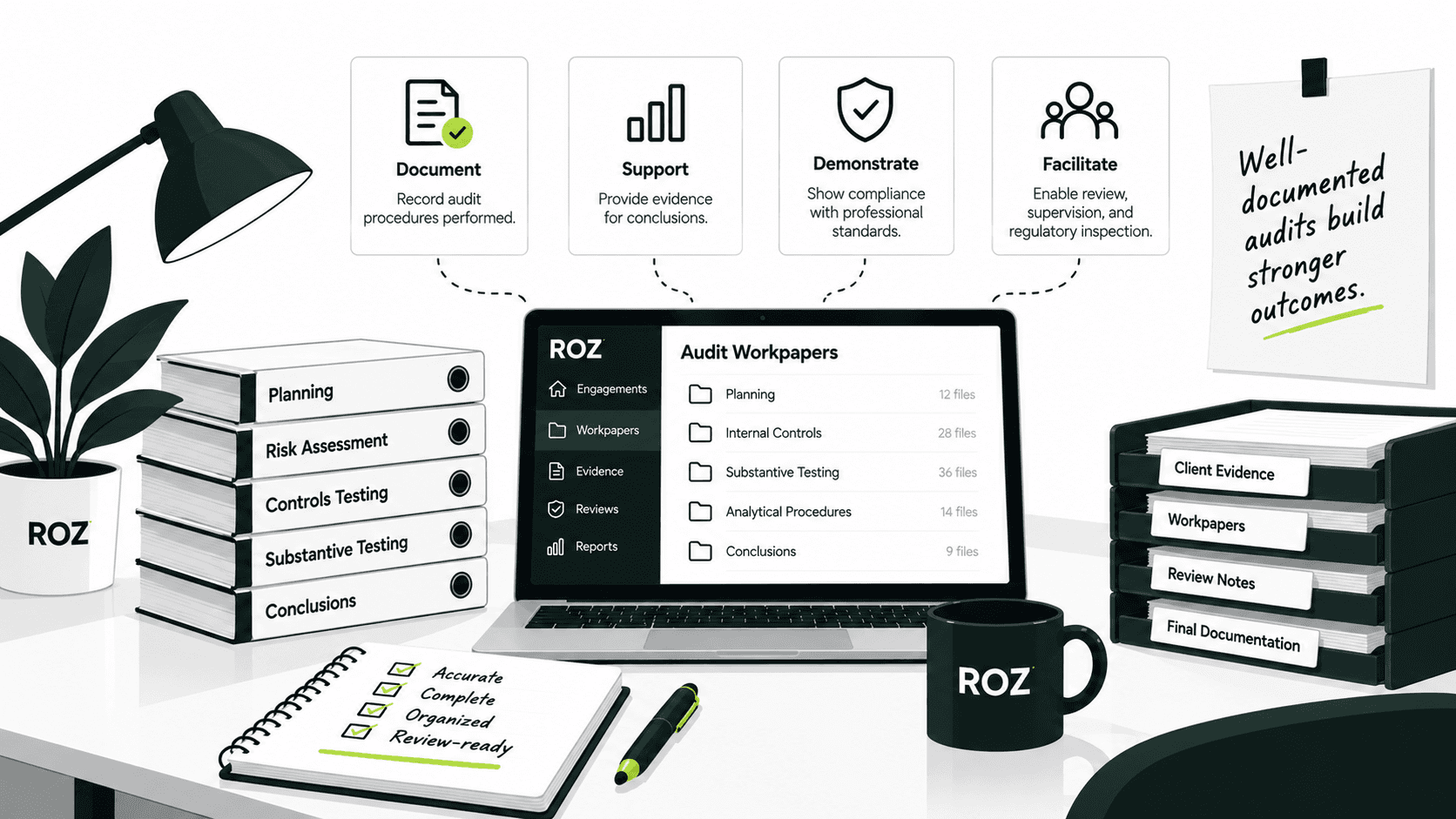
AI-Assisted Reporting: Roz can draft workpapers and automate report sections via the documentation and templates from the firm. This helps standardize document drafting and reduce the time spent on documentation.
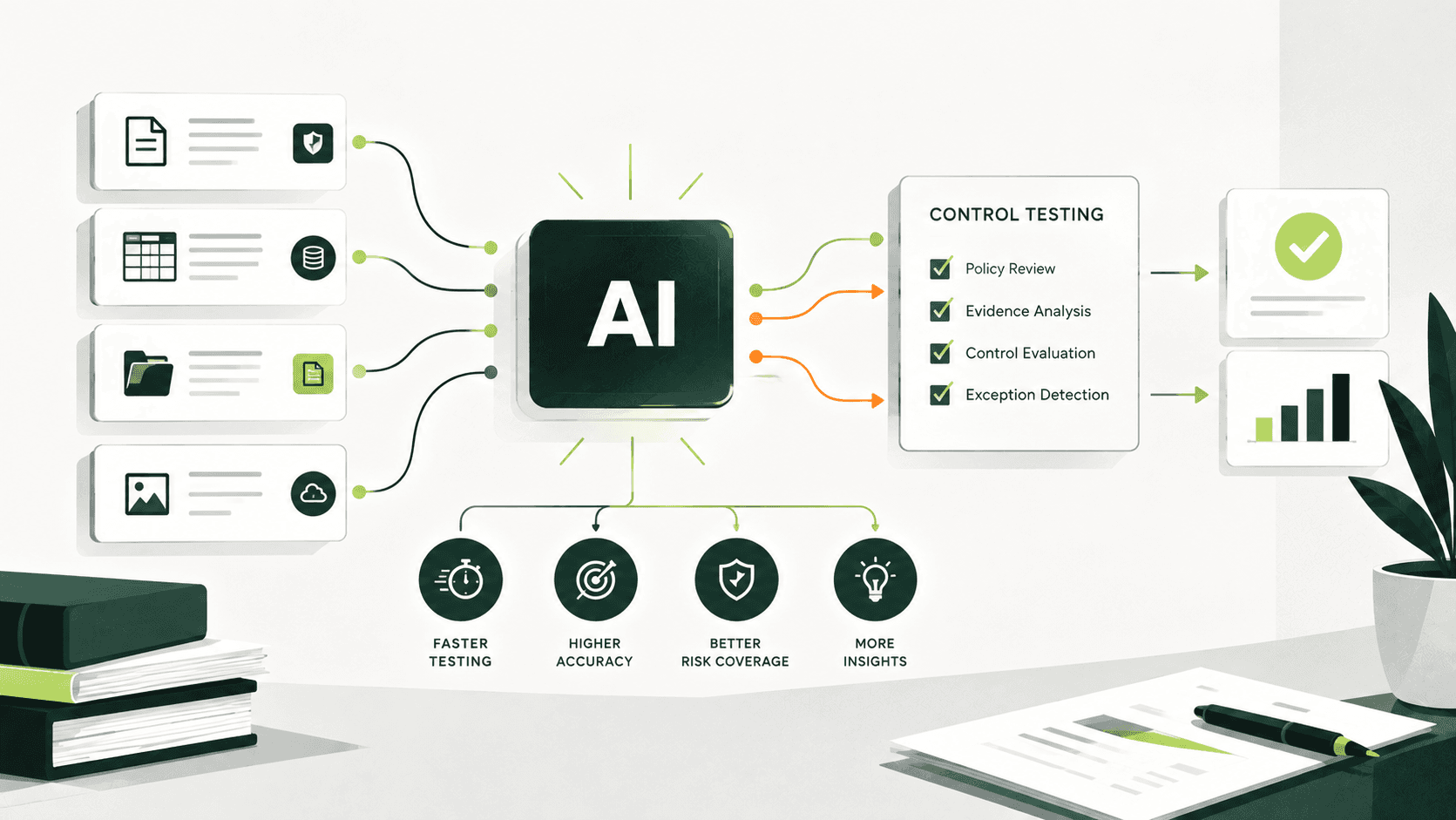
AI should be used to support audit teams during first-pass analysis and documentation workflows. Human oversight remains essential for review, validation, and audit defensibility, and auditors retain responsibility for final conclusions and formal assurance activities.
Why Continuous Compliance Changes Everything
Modern audits are increasingly shifting from periodic assessments to continuous assurance models. Where systems, configurations, and access controls are in a constant state of change in a cloud environment, a once-a-year audit can no longer be relied on to assess the risk that may be exposed at a given moment in time.
Continuous Controls Monitoring (CCM) relies on automated tests, telemetry-based monitoring, and real-time alerts to verify controls over time. Continuous compliance programs can provide several operational benefits, including:
Faster identification of control failures
Reduced manual evidence collection
Improved real-time visibility into risk exposure
Better audit readiness throughout the year
More scalable compliance operations across frameworks
Technical controls are well suited for automation. You can easily automate the enforcement of MFA, password rules, cloud configurations, and monitoring of privileged access, among others. Organizations are experiencing a shift towards continuous compliance as AI-based audit platforms are improved. Compliance models where evidence collection is automated, real-time visibility is granted, and the control framework is integrated with testing workflows are becoming increasingly common.
Conclusion
Control mapping is the first step to understanding the compliance requirements; however, testing the controls helps determine whether they operate as intended. Although these workflows serve different purposes, organizations increasingly integrate them to strengthen compliance and risk management programs.
Mapping and testing integration helps audit teams manage evidence collection more efficiently; they need to meet regulatory requirements and improve visibility into organizational risk exposure. With multiple frameworks, organizations are using AI-native audit platforms to reduce the repetitive manual mapping activities, make control testing more efficient, and keep the organization in a state of “ongoing audit readiness."
To see how Roz can help make your next audit engagement easier with automated workpaper generation and gap analysis, book a demo to identify the differences that an intelligent enterprise data room can offer.
Frequently Asked Questions (FAQ)
Why is control mapping important for SOC 2 and ISO 27001?
Through control mapping, an organization identifies the controls that are common to both the SOC 2 and the ISO 27001 frameworks. This means that if the audit team were to assess the control individually, evidence related to both audits could be presented, thereby reducing duplicate testing and evidence collection efforts.
Can control mapping be automated?
Control mapping can be automated. Several AI-native audit platforms and GRC tools evaluate policies and extract controls to automatically map relevant controls to the requirements of frameworks such as NIST, SOC 2, or HIPAA.
Can one control map to multiple frameworks?
Yes. A single control can serve as an employee offboarding control and can map to several frameworks. This practice results in the establishment of a control library that can be scalable with the introduction of additional compliance frameworks.
What evidence is used during control testing?
When performing control testing, evidence may include system configuration screenshots, access logs, approved change management tickets, signed policy documents, and automated telemetry data from continuous monitoring tools.