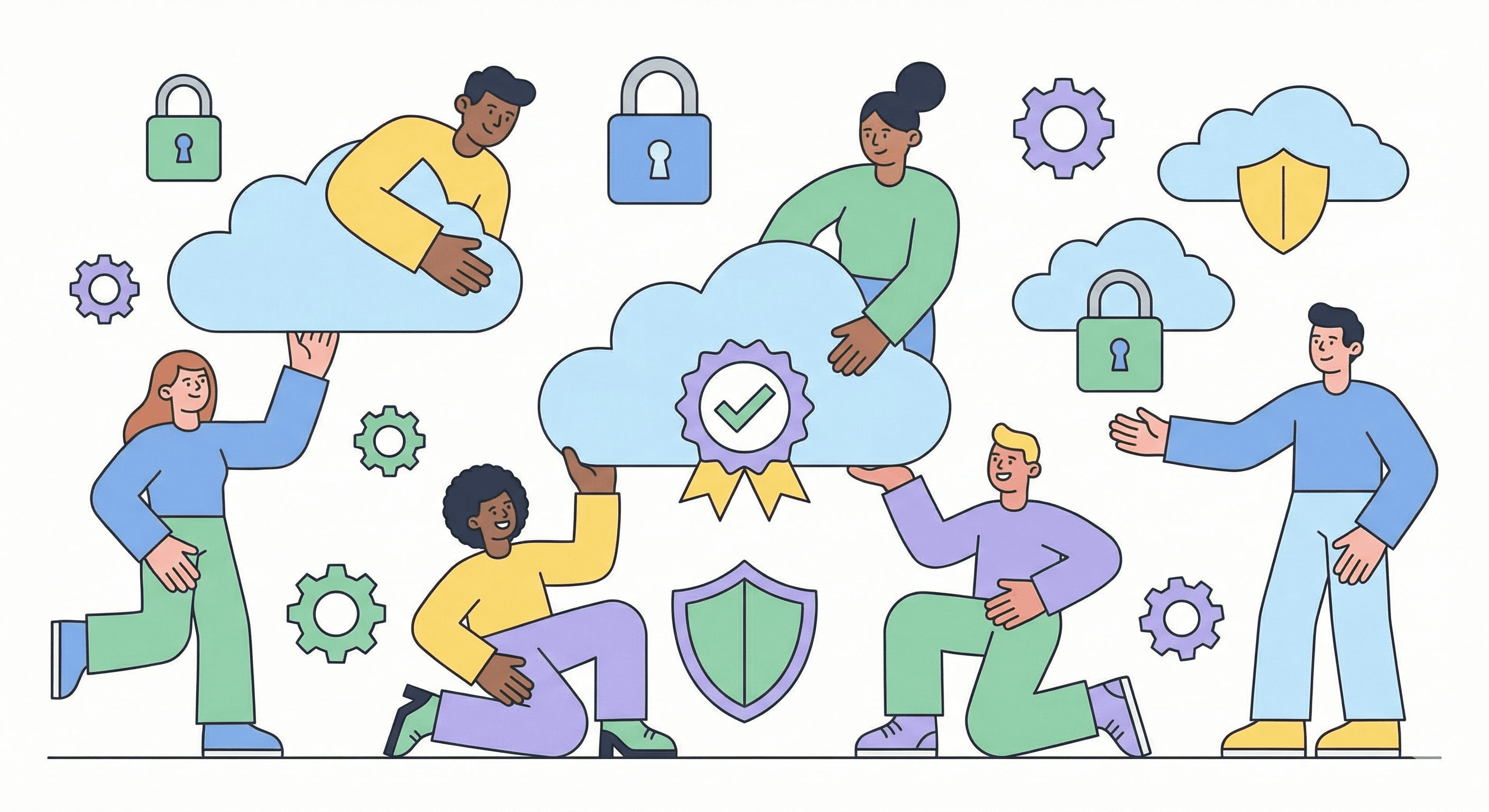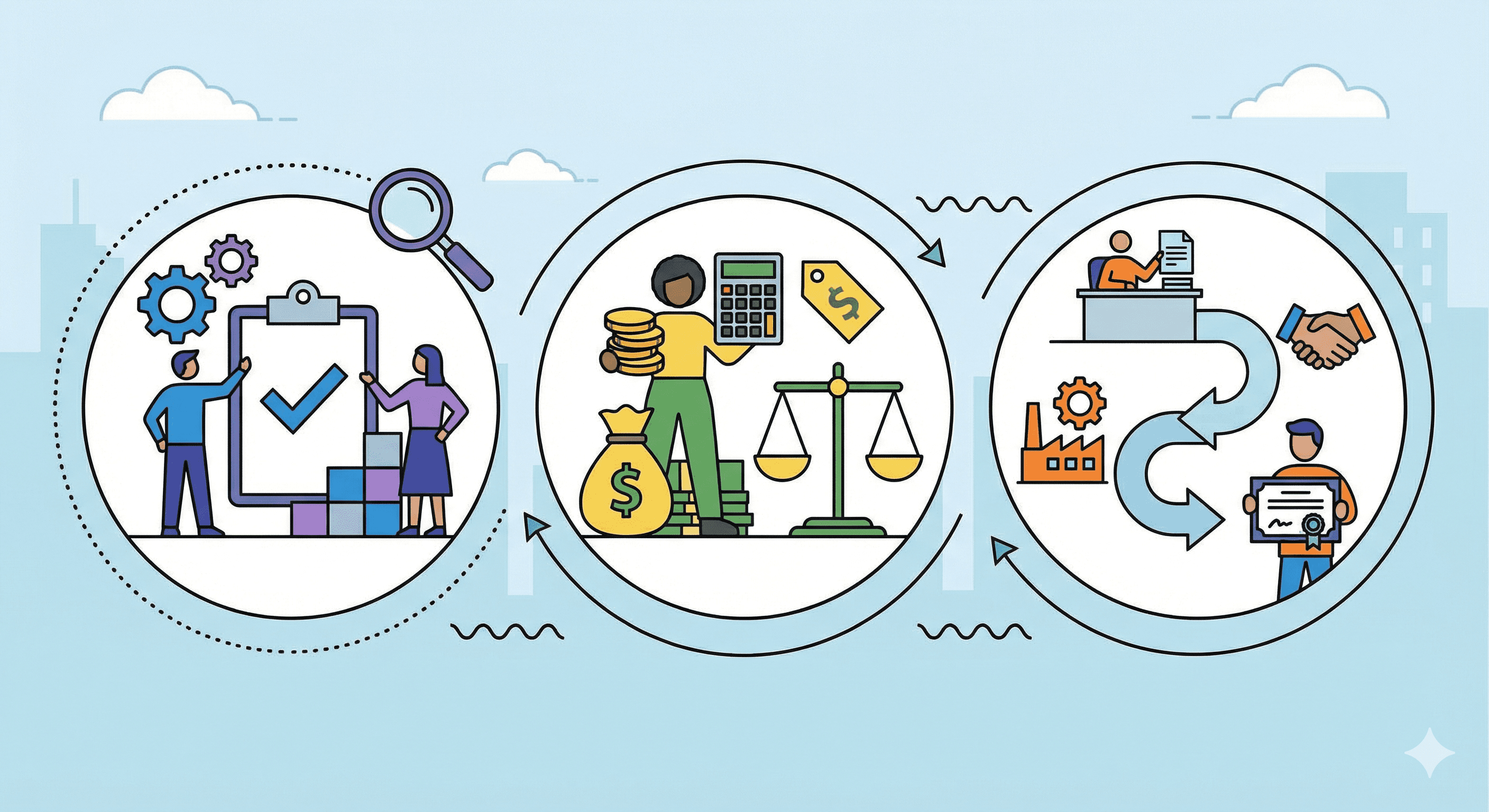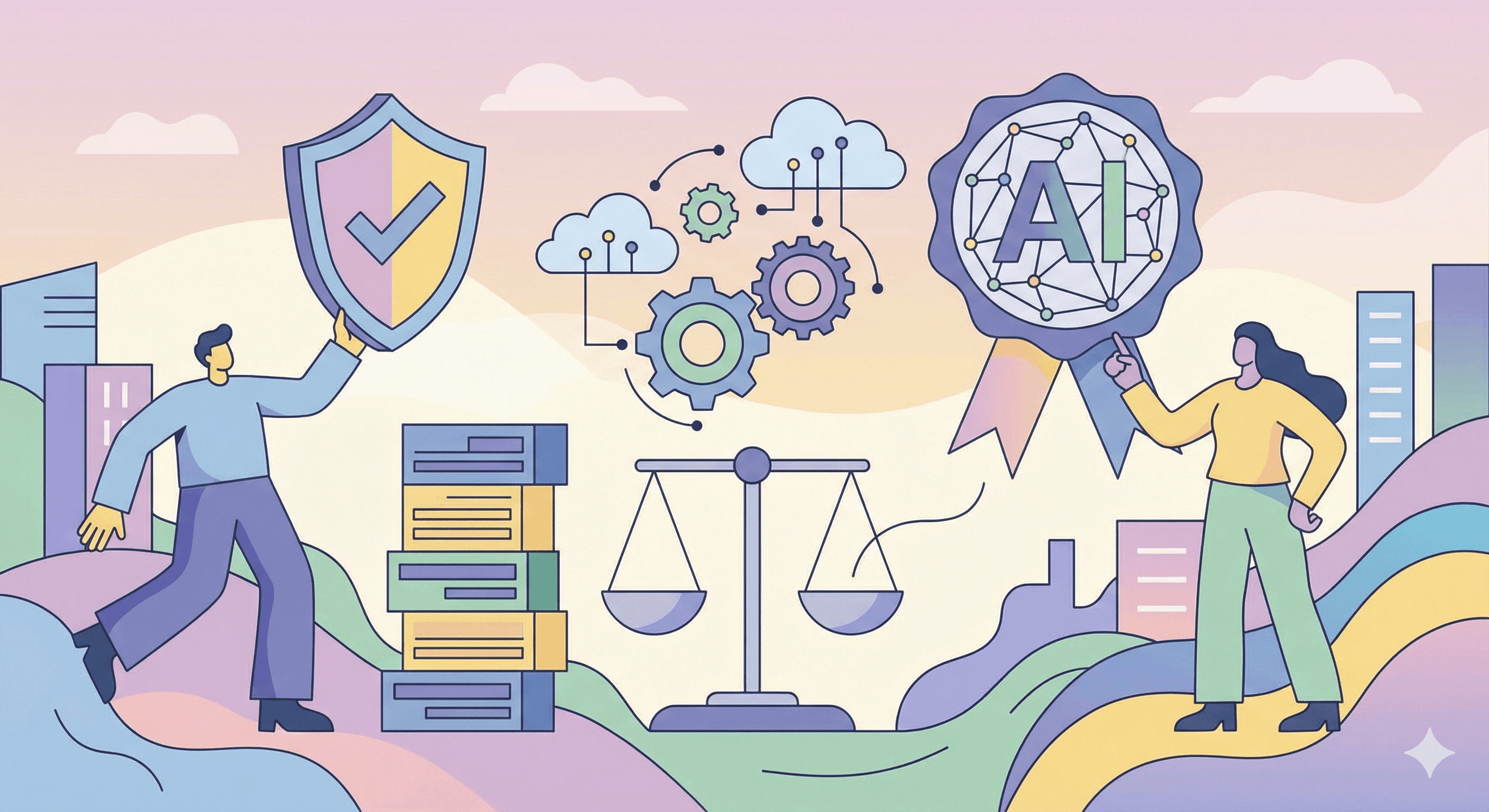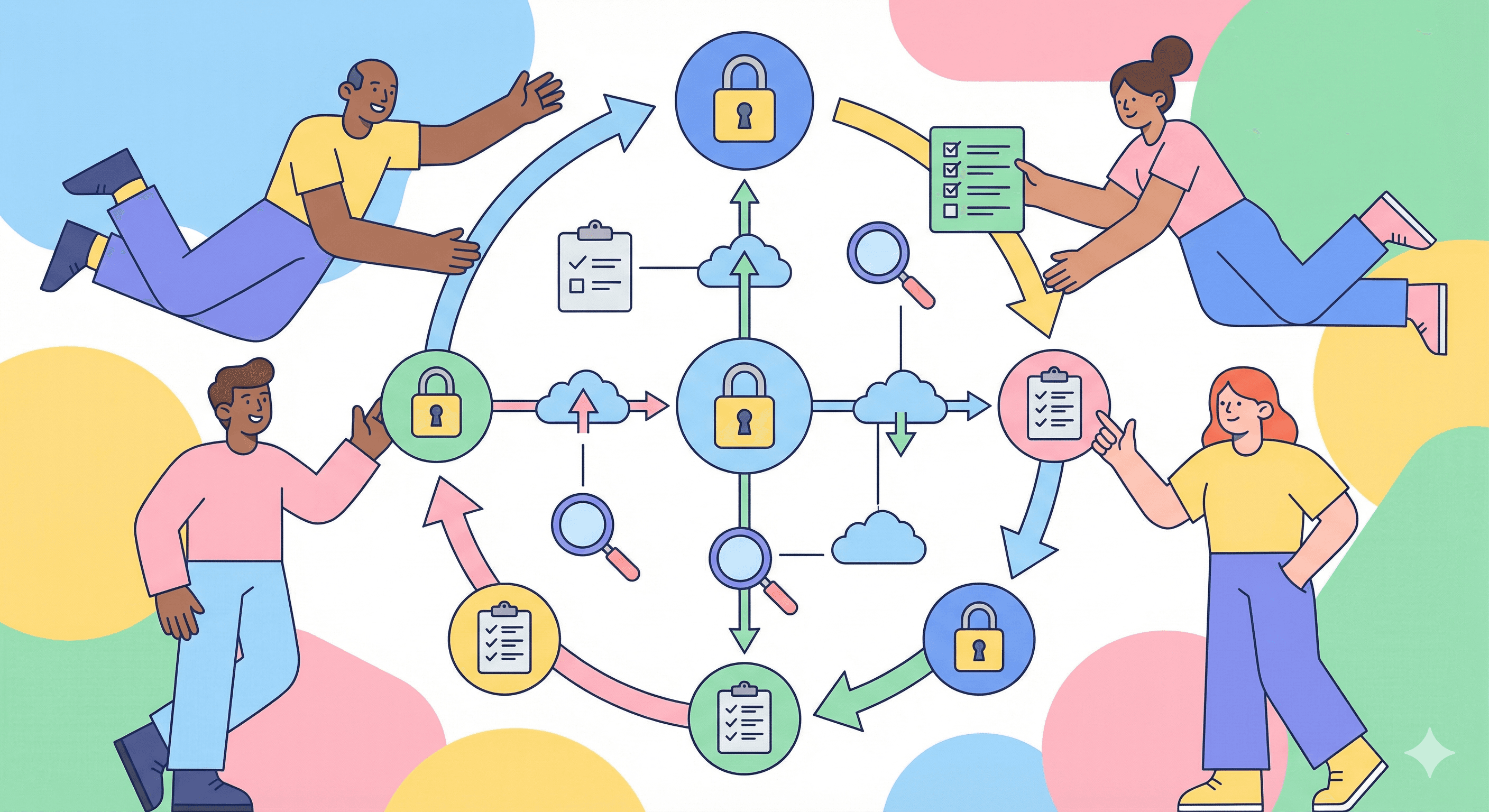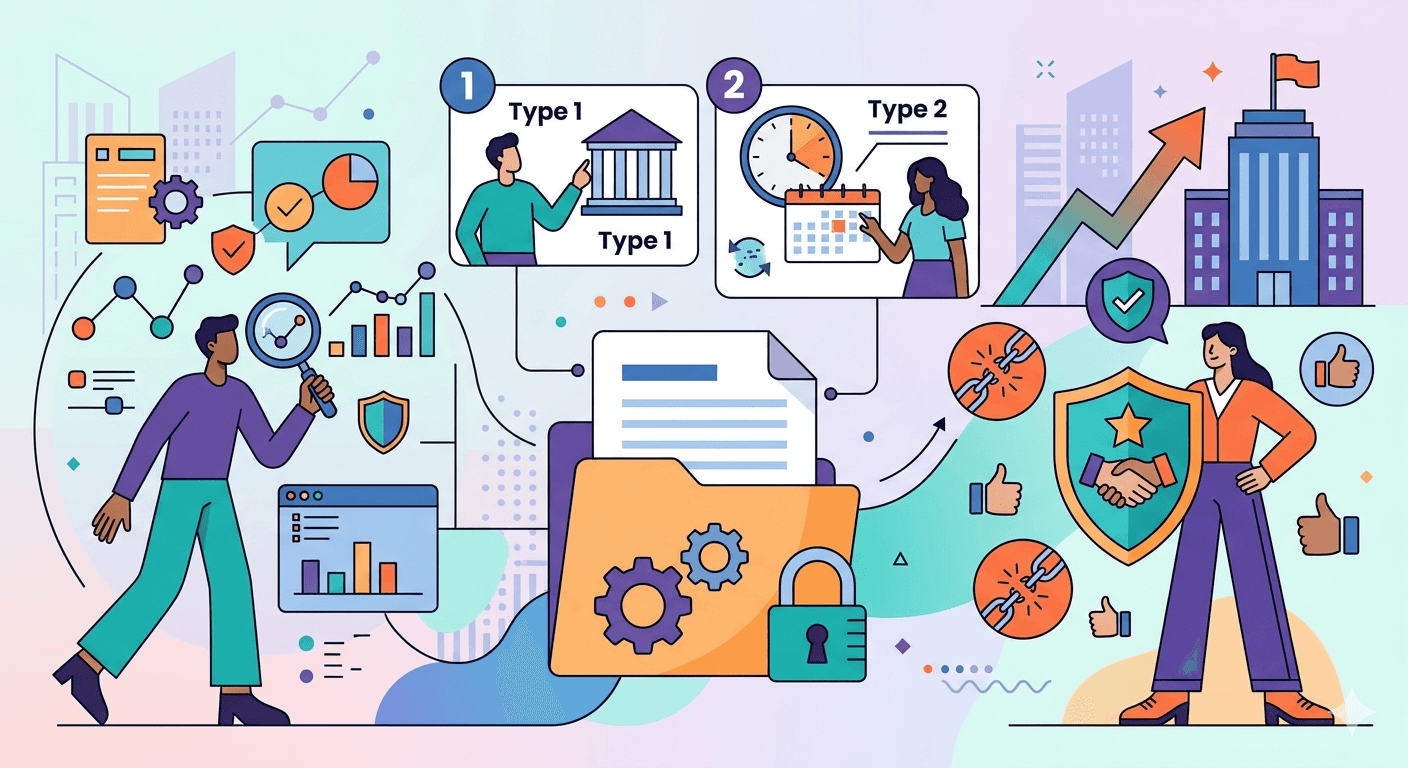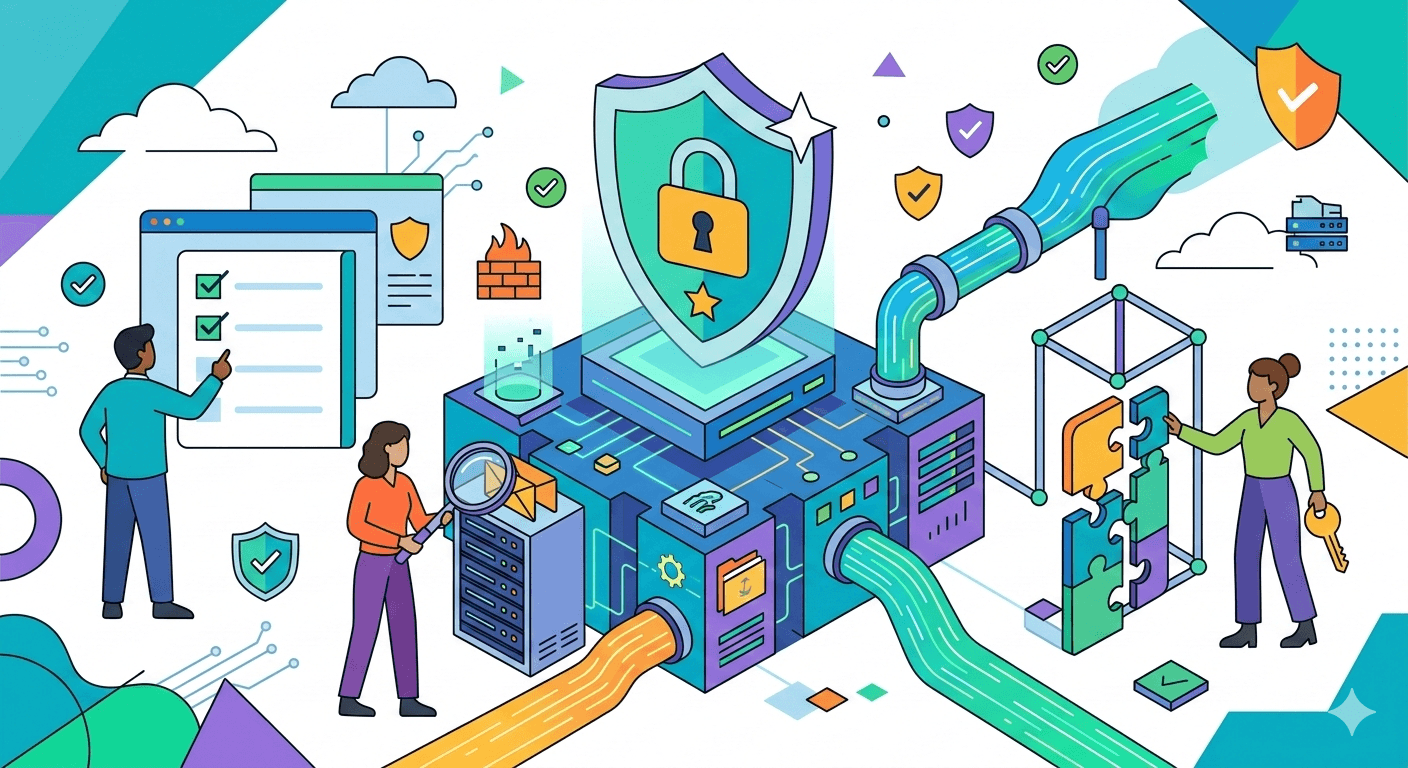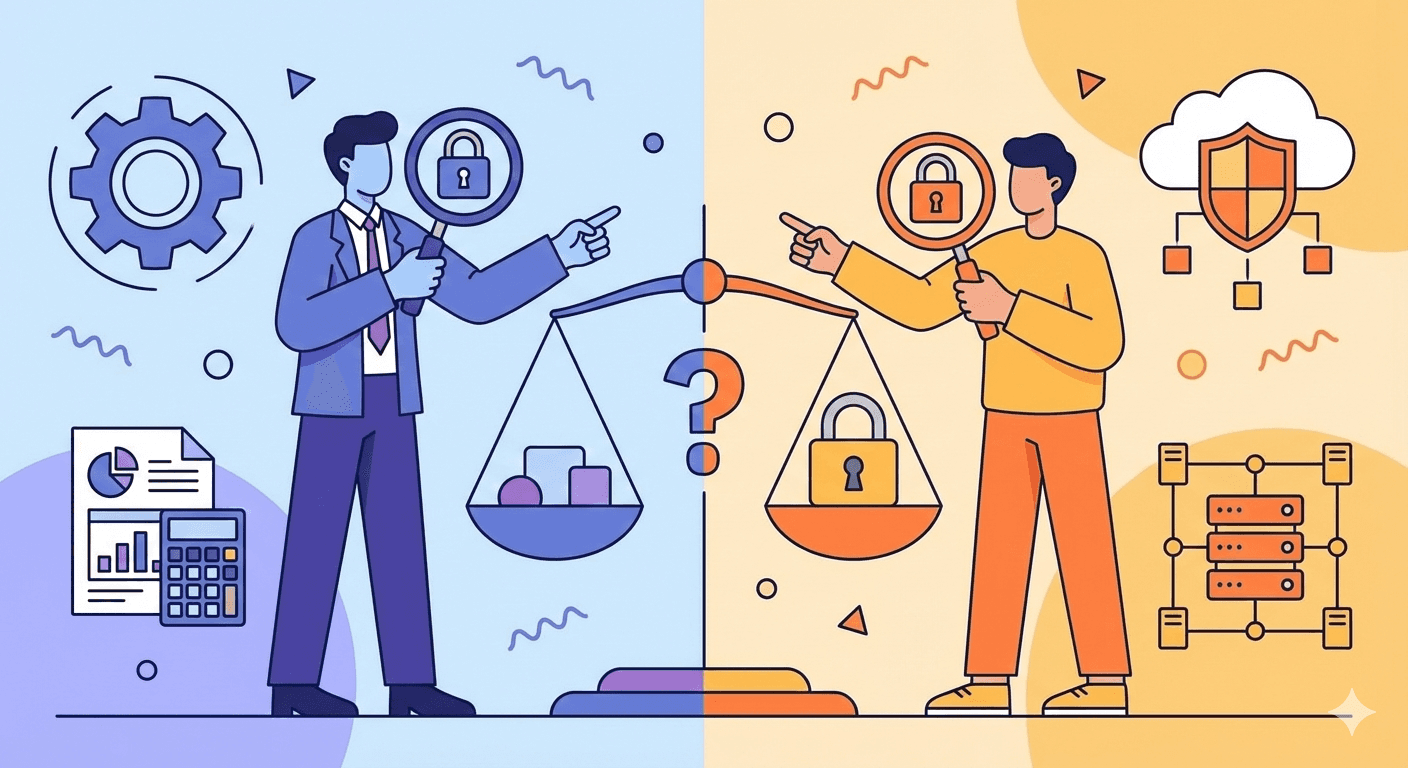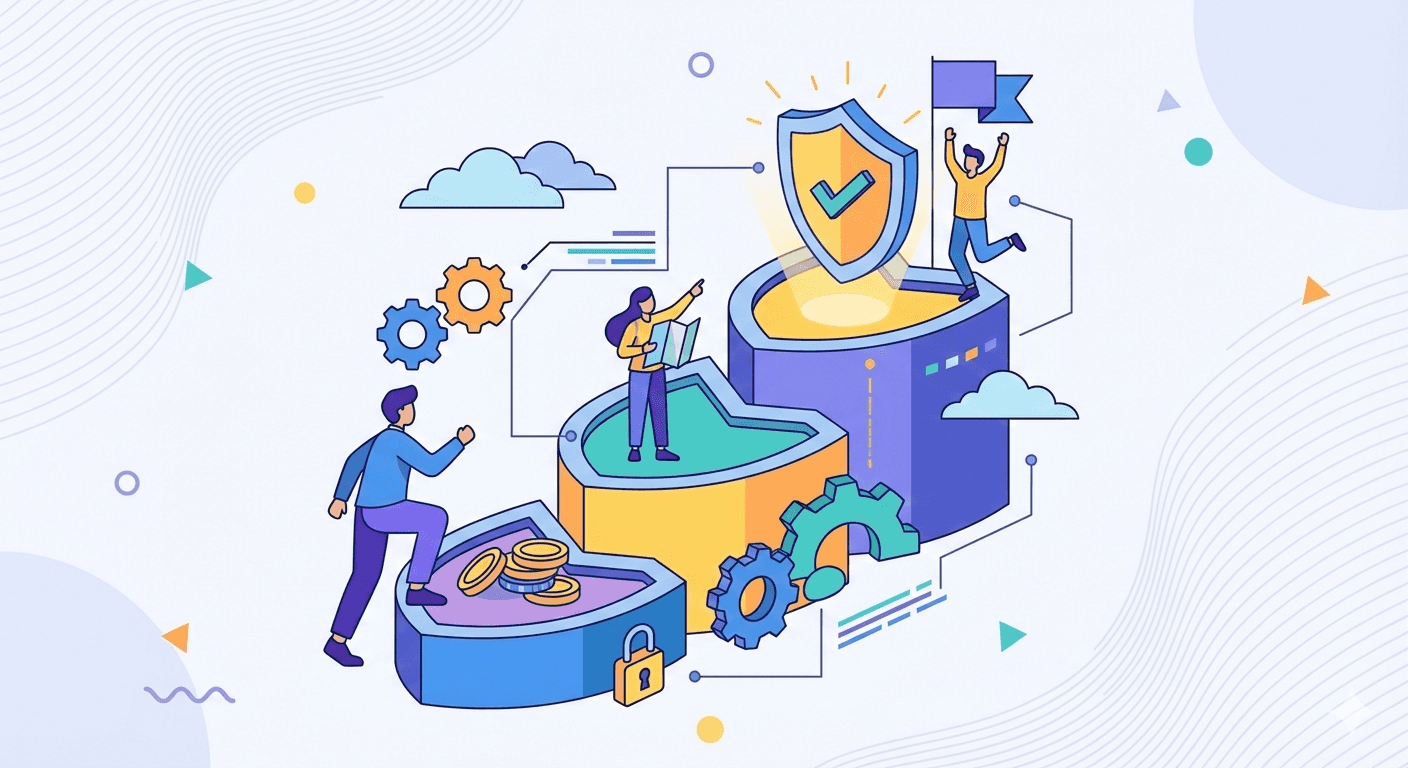
A GRC framework is a structured approach used by companies to match governance, risk management, and compliance activities into a unified system of policies, controls, and processes.
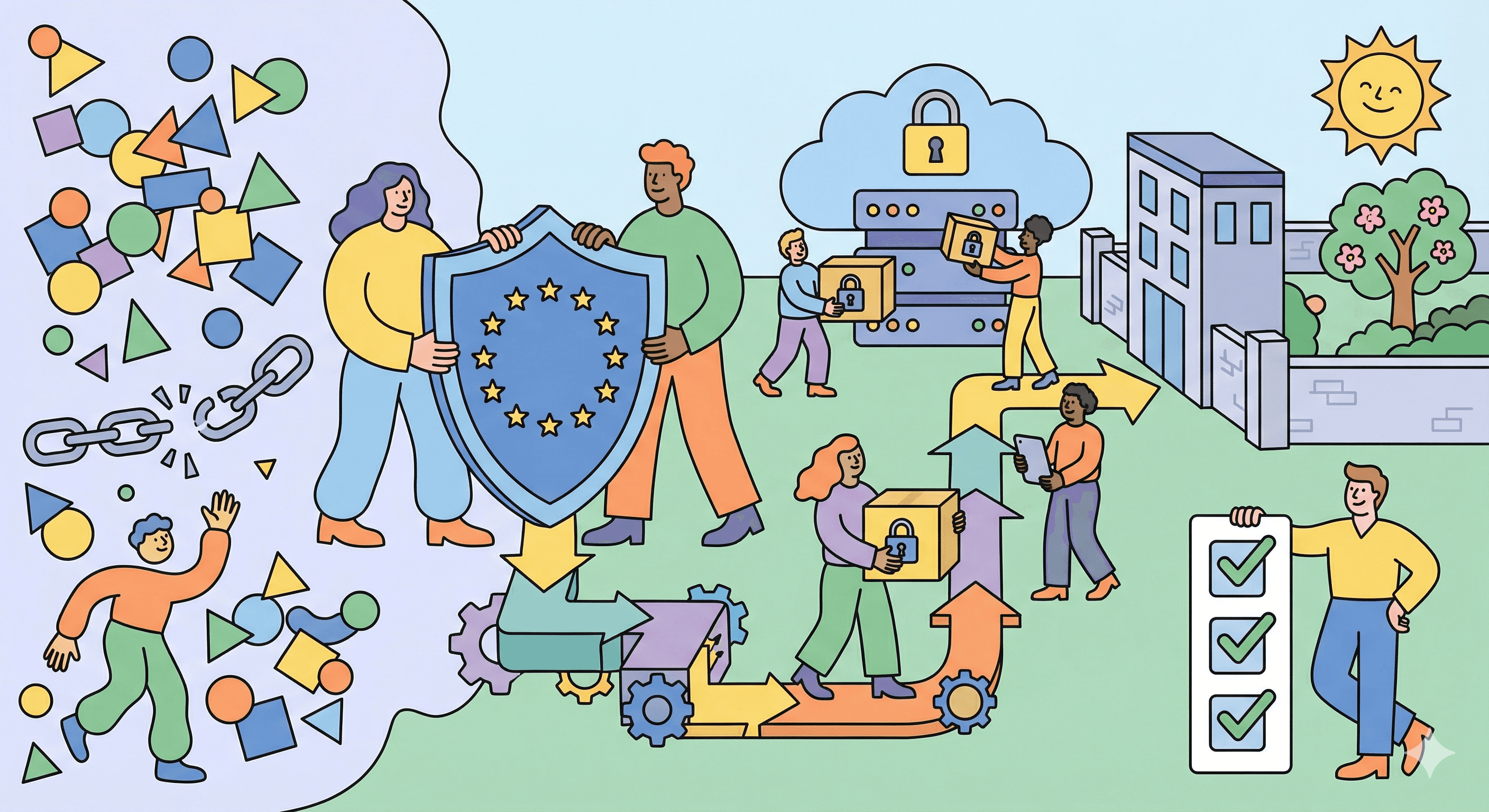
Regulatory demands are intensifying across various sectors. Consequently, companies often navigate fragmented risk landscapes, managing regulatory requirements, internal protocols, and third-party commitments through disparate systems or operational units. This fragmentation can obscure risk exposure and give rise to operational inefficiencies.
An integrated approach to governance, risk, and compliance helps improve oversight and coordination across these areas. This, in turn, allows organizations to better align their risk management activities with their overall business goals.
In this article, I will walk you through the core components of GRC, compare widely used industry standards, and offer practical implementation considerations to help you succeed.
What Is a GRC Framework?
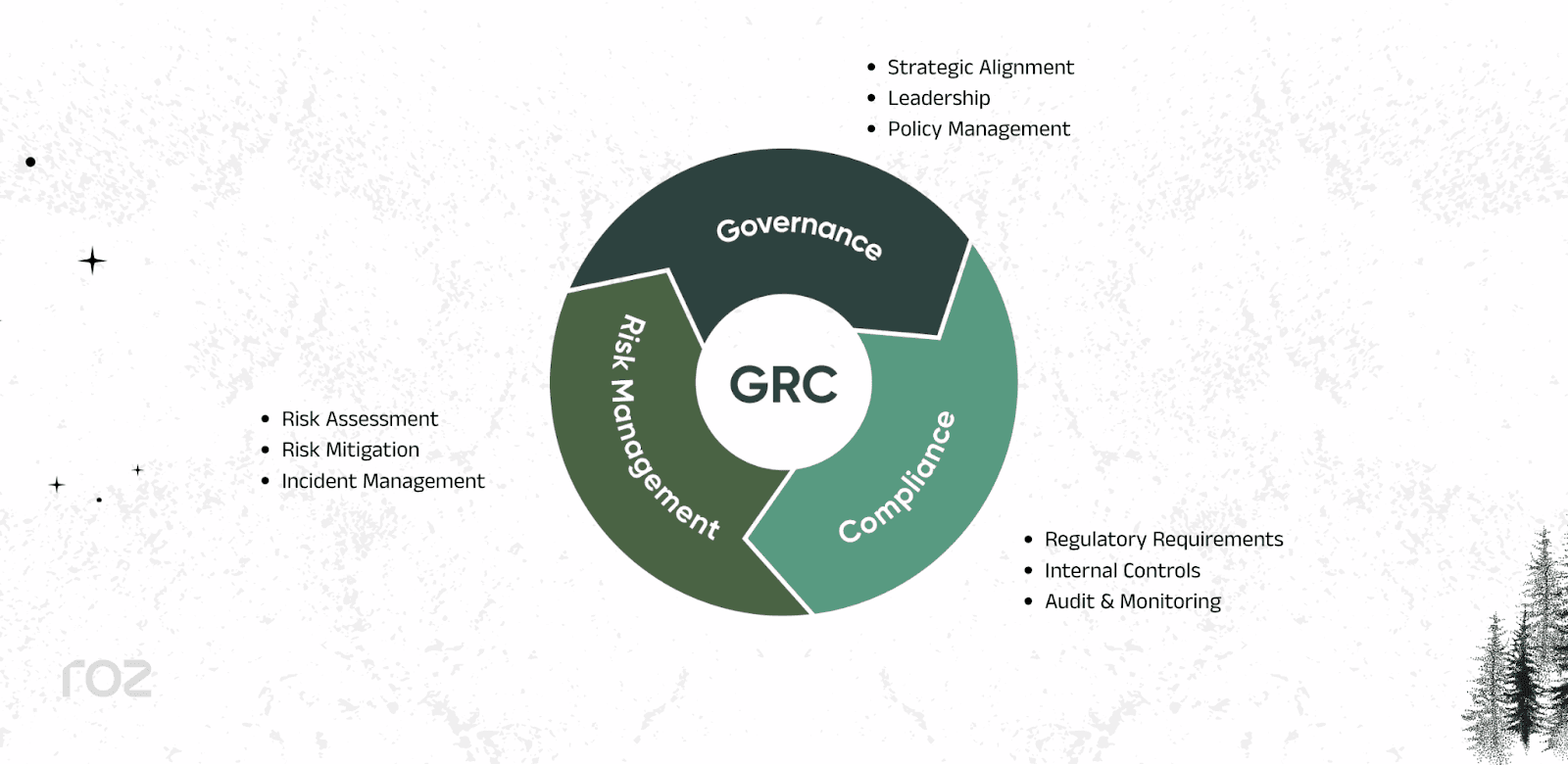
A Governance, Risk, and Compliance (GRC) framework offers companies a structured method for integrating governance, risk management, and compliance functions into a cohesive system of policies, controls, and processes. This framework helps manage risks, encourages ethical behavior in the company, and ensures that daily activities match the overall goals of the organization.
It's worth emphasizing that a GRC framework isn't a one-size-fits-all standard. Nor is it a software package or a certification in and of itself. Instead, it's a methodology designed to bolster governance, risk management, and compliance efforts. GRC frameworks are often implemented alongside specific standards and regulations rather than replacing them. Though it doesn't guarantee compliance on its own.
Core Components of a GRC Framework
To understand how this approach works, it helps to look at the individual components and the specific role each one plays in your organization.
Governance
Governance is the system of policies, decision-making roles, and responsibilities that define and structure a process and how an organization is run. It also focuses the organization’s activities on its goals, also known as its strategies, and provides an overall framework for accountability and control.
Defining a framework for the governance structure allows for better communication and a unified function for business and compliance goals. Decision-making takes into account all operational goals and the relevant governing policies and laws. The governance framework also prescribes decision-making authority, resource control, and the structure of communication within and outside the company.
Effective governance typically includes the following:
A well-documented and detailed specification of the roles and functions of each organizational unit, including control over the formulation and implementation of policies, controls, and processes.
A control framework, including an appropriate distribution of authority and oversight, is designed to minimize the risk of control failures.
A structured approach to stakeholder interests, which include management, staff, clients, and external business partners.
A management control system encompassing all the technologies and processes necessary to achieve business goals and compliance.
The company regularly revises its documented policies and processes to keep them current.
Operational governance provides the company with a reliable organizational structure necessary for accountability and control in its operations.
Risk Management
Risk management is the process of identifying, assessing, and addressing internal and external threats that could affect an organization’s ability to achieve its objective. Risks can be operational, financial, legal, strategic, or computer security risks and exposures.
Risks cannot be eliminated, but the goal is to assess and manage them within defined tolerance levels, based on established risk tolerance and a systematic assessment of potential risks, along with effective corrective measures.
Usually, the risk management effort will:
Identify the risk and its sources, such as obsolescence, a process, or control.
Evaluate the risk and its impact on the business.
Justify the relationship between the risk and the business goal.
Assess both existing and legacy systems within the company.
Identify mechanisms in the business to minimize and control the risk to acceptable limits.
Justify the legal, regulatory, and internal risk control frameworks.
Risk management enables companies to allocate their resources effectively and implement preventive measures before harm occurs.
Compliance
Compliance means that the company is following all relevant laws and regulations, guidelines from the industry, and internal policies. To achieve compliance, an organization must put the requirements given into practice and then check that the practices were done correctly.
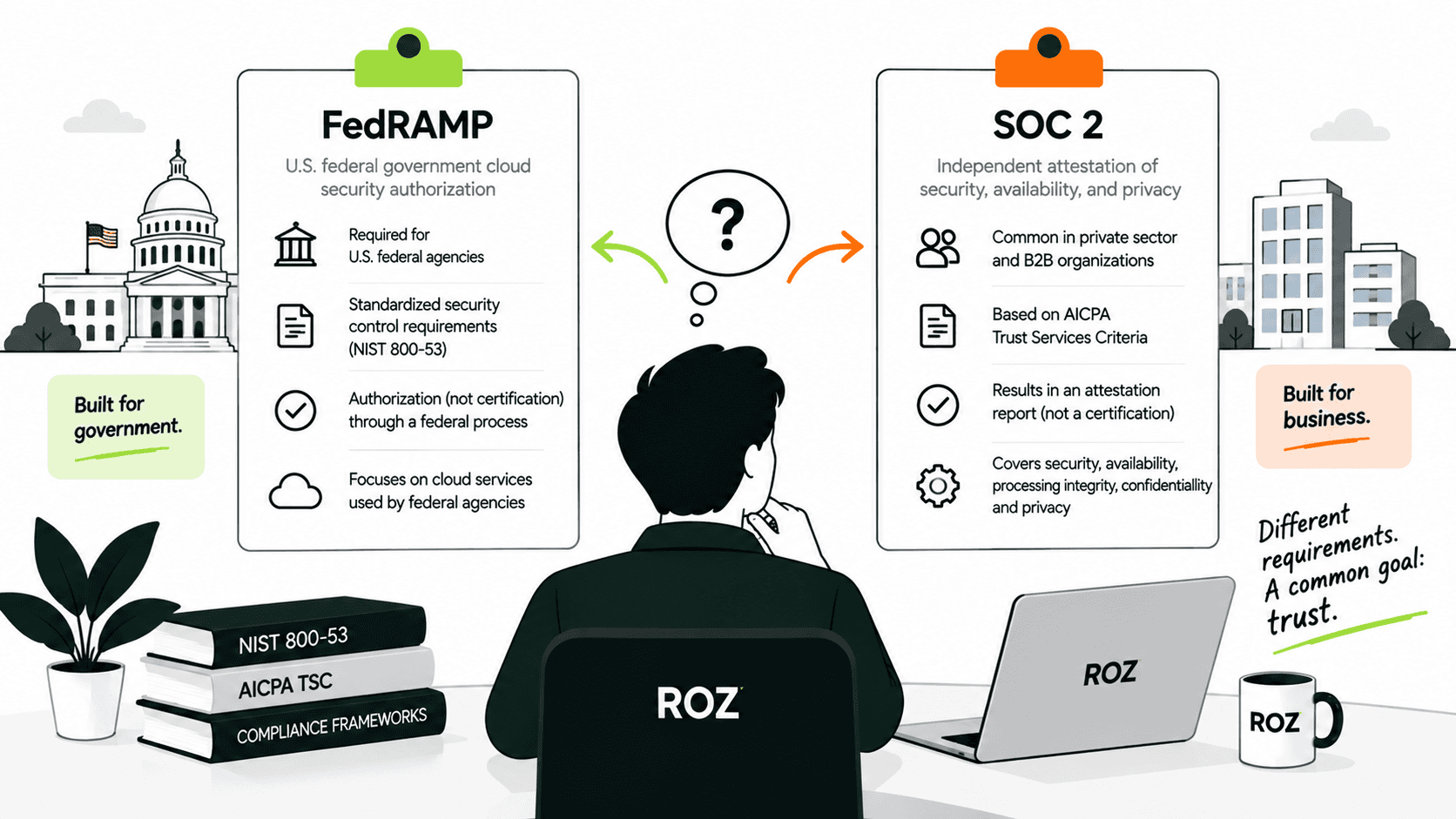
Each company will have different regulations and standards to apply to compliance, as every industry and region will be subject to different requirements. Common frameworks and regulations include ISO standards, HIPAA, and SOX.
Compliance management plans that are done correctly will do the following:
Locate and thoroughly research the regulations or contracts that are applicable.
Internal controls that are relevant to the regulations will be adjusted.
Create a compliance training policy and hold sessions so that employees and other stakeholders are aware of it.
Ensure that compliance policies are adhered to and that the controls work to achieve compliance in all areas of the organization.
Provide evidence to auditors or regulators, as required.
Corrective action plans will be established in areas that are determined to be non-compliant.
Although compliance programs support alignment with regulations, they are not a substitute for audits and other objective assessments.
How a GRC Framework Works
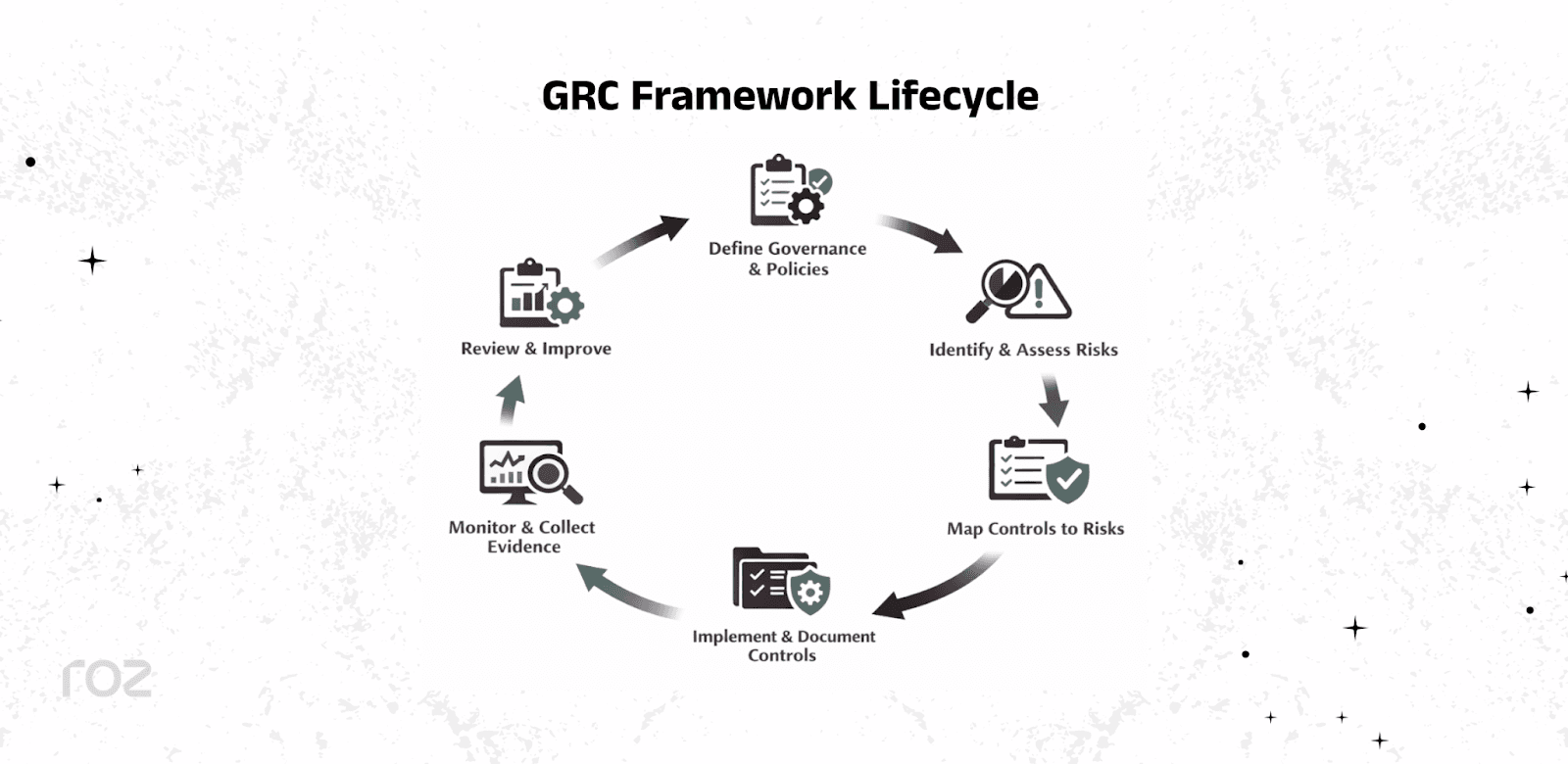
Moving from theory to practice requires a structured, repeatable method. A defined lifecycle supports the implementation, monitoring, and continuous improvement of GRC activities consistently over time.
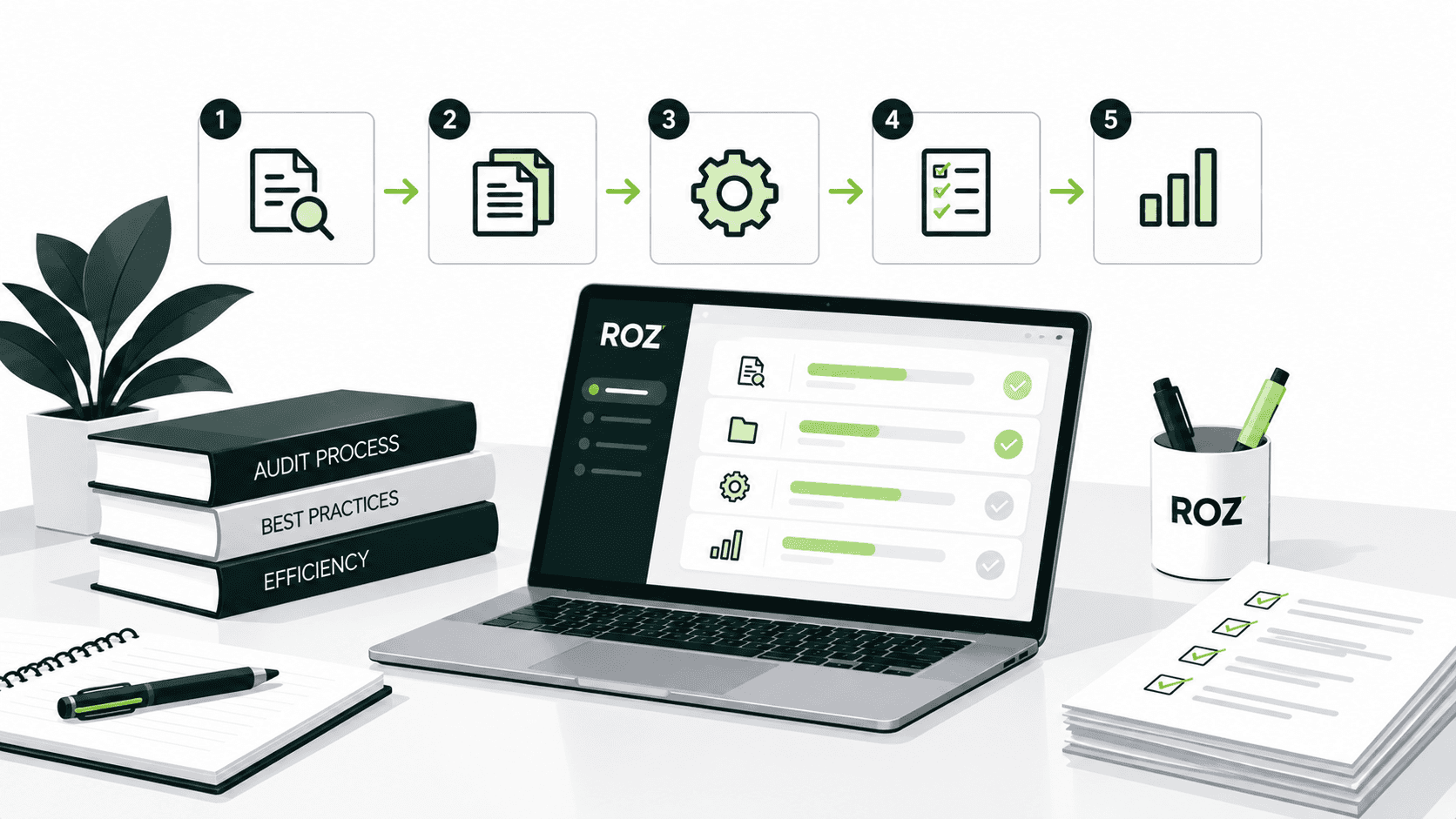
Typical GRC Lifecycle
Define governance structure and policies: Determine roles, define internal policies, and state the risk appetite and oversight frameworks of the company.
Identify and assess risks: Document business operational risks and analyze them based on their likelihood and impact.
Map controls to risks and obligations: Identify applicable regulatory or contractual obligations and align them to the identified risks.
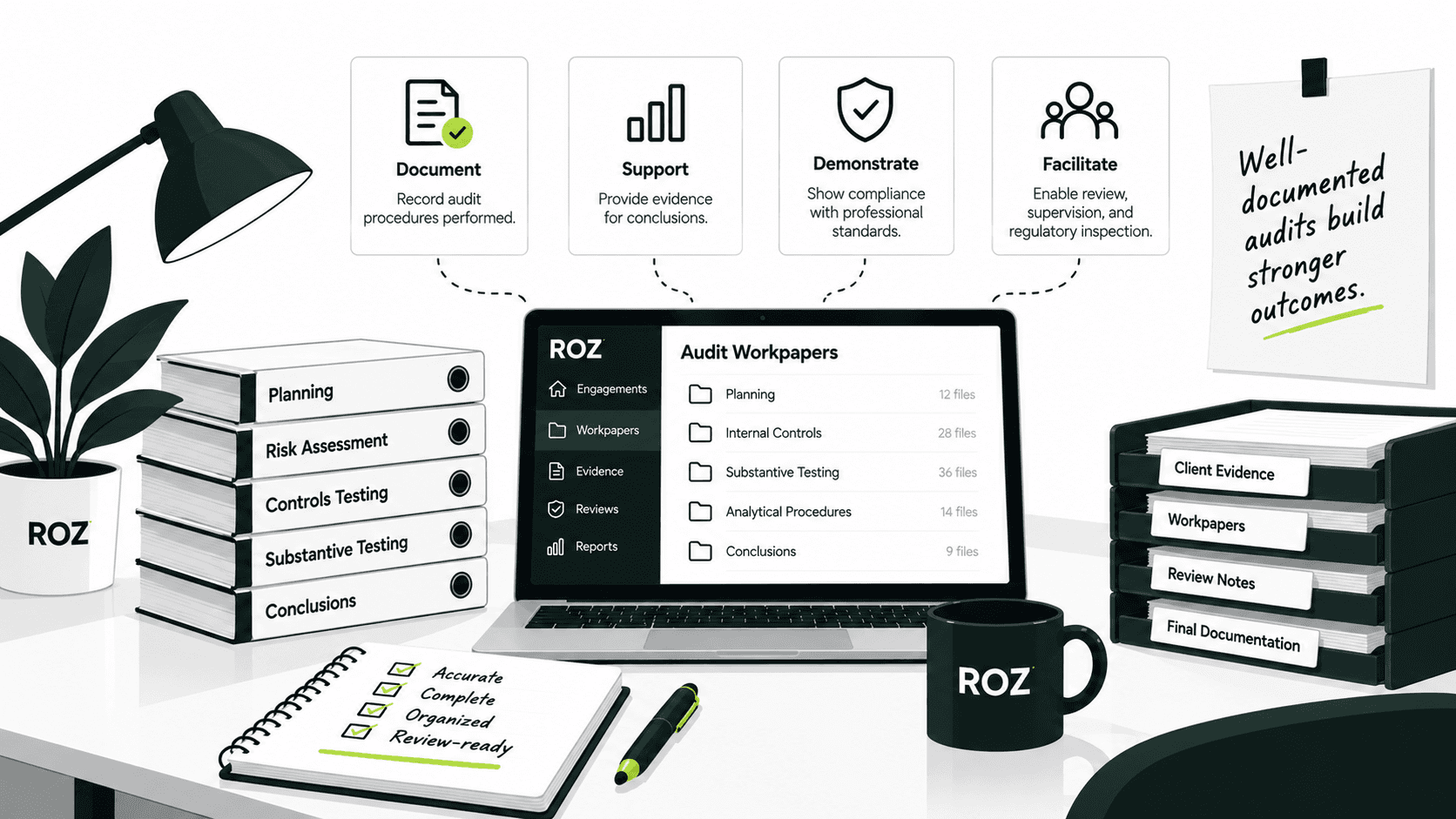
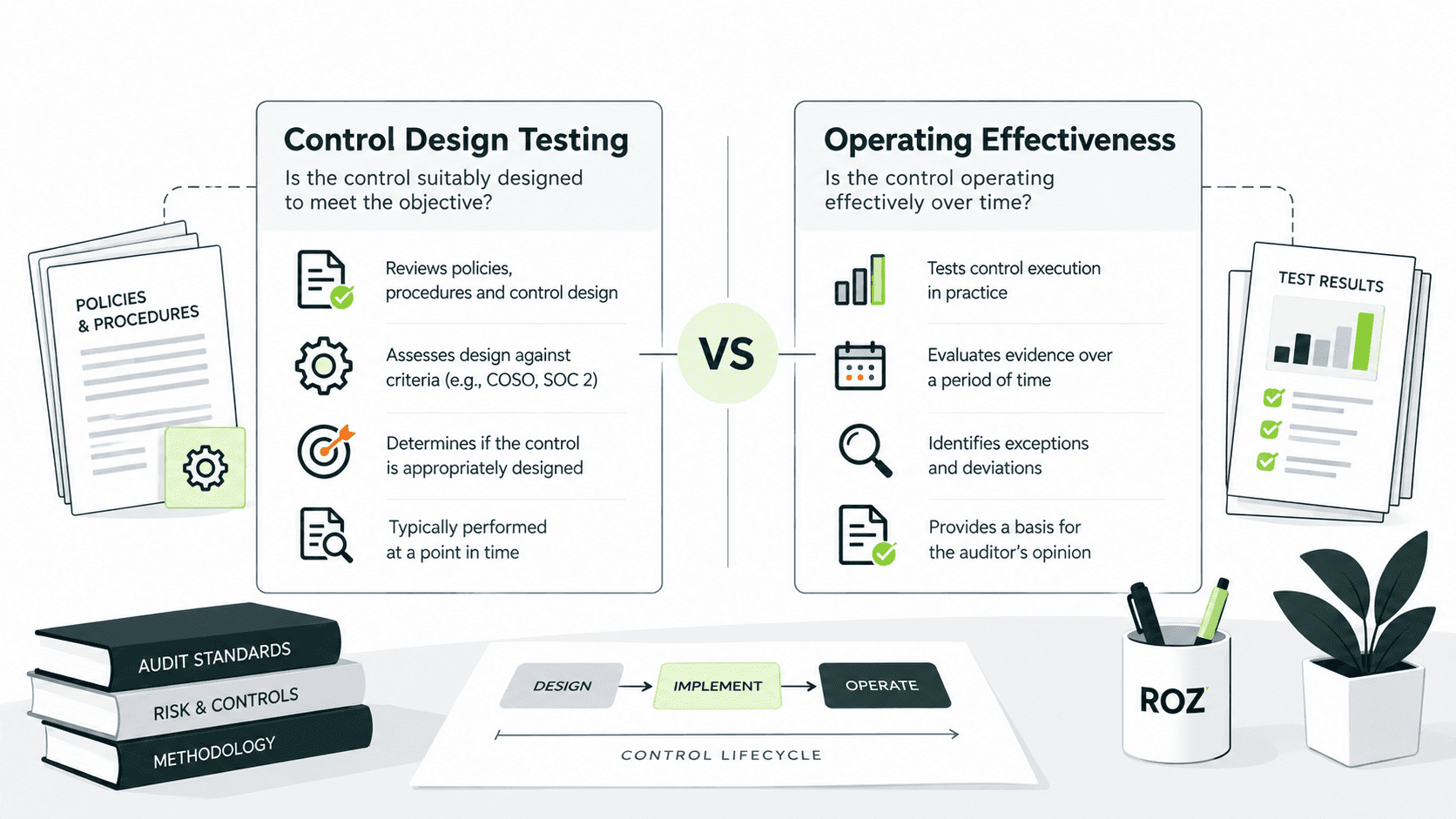
Implement and document controls: Implement the controls and maintain documentation describing control design and operation.
Monitor performance and collect evidence: Control effectiveness should be supervised continuously, and evidence for internal reviews and external audits should be maintained.
Review and improve continuously: Adjust GRC processes to respond to changing risks, operations, or regulatory requirements. Changes should be made to the processes and schedule to improve the GRC program.
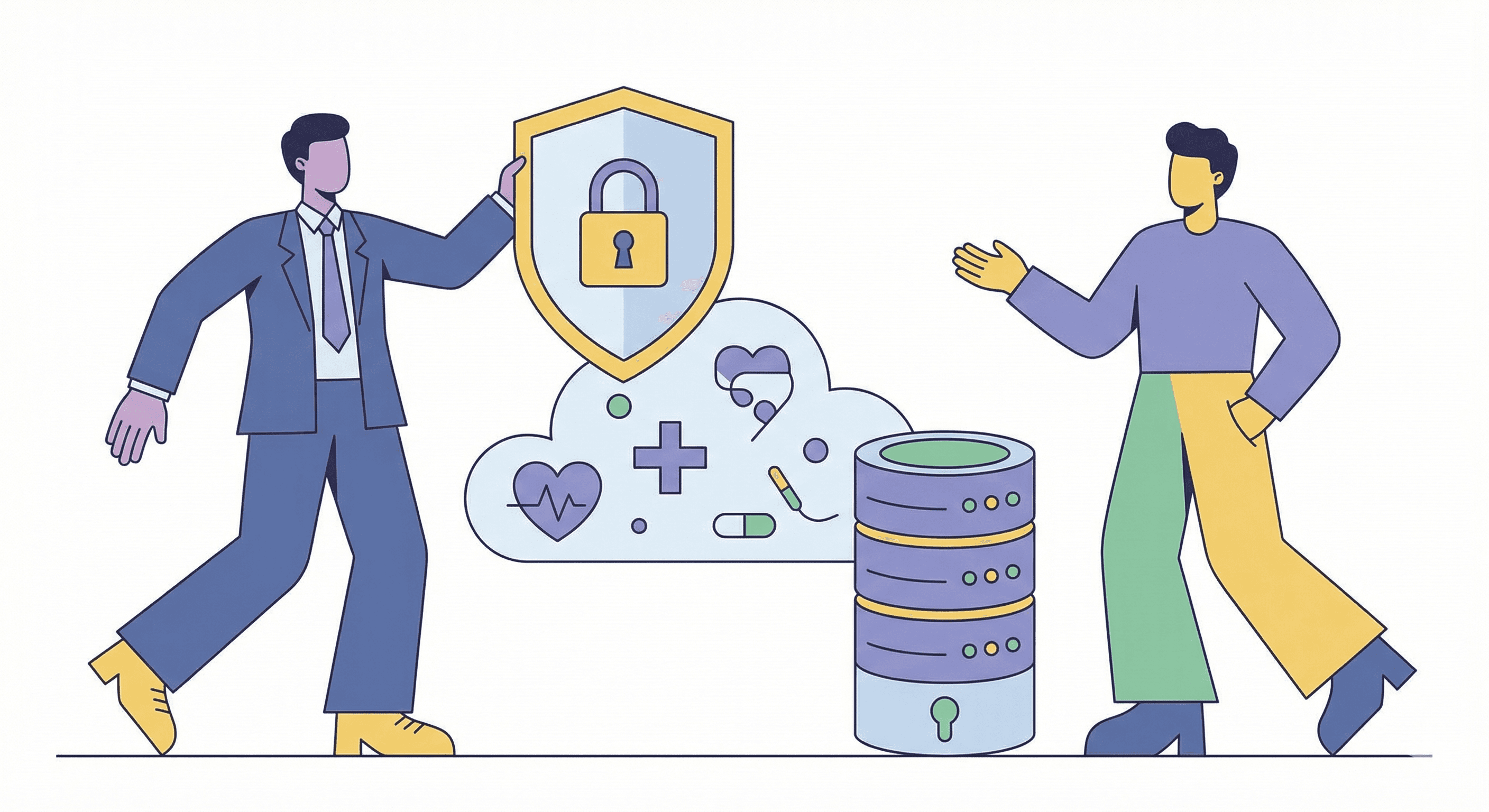
Consider a mid-sized company in the healthcare technology sector that needs to ensure internal security complies with regulations for healthcare data protection. The company encrypts the patient data it handles and establishes access controls. Additionally, the company monitors system activity and logs, and they review oversight to see if incidents have been reported. Documentation is kept for any audits and assessments and in other situations requiring accountability. This approach is less ad hoc and more structured, allowing for more consistent compliance with regulations and requirements.
GRC Roles and Responsibilities
GRC functions are often distributed across governance, risk, compliance, and audit teams to support independence and accountability.
While collaboration is critical, certain functions tend to dominate:
Board/Executive Leadership: Provide high-level oversight, establish strategic goals, and determine the risk tolerance of the company.
Risk managers: Lead risk assessments, track vulnerabilities, and recommend mitigation strategies.
Compliance teams: Focus on regulatory compliance, updating the business on legal developments, and handling compliance training.
Internal audit: Provide independent assurance, reviewing controls and processes to support the conclusion that these controls and processes operate as intended.
IT/Security teams: Implement the controls from a technical perspective, providing the necessary software and infrastructure to secure the organization’s data.
Common GRC Frameworks and Standards
Many readily available frameworks and standards assist organizations with the development of GRC programs. The selection of the relevant frameworks is often influenced by the industry, regulations, and risk appetite of the company.
Widely Used Frameworks
COSO ERM: Gives a comprehensive guide to enterprise risk management along with internal control. It offers assistance to consider risk management at every level of the organization, especially in the long-term company vision and day-to-day operations.
ISO 31000: Offers a collection of guidelines and principles on a risk management system. The guidelines and principles can be used by companies of all sizes in all sectors.
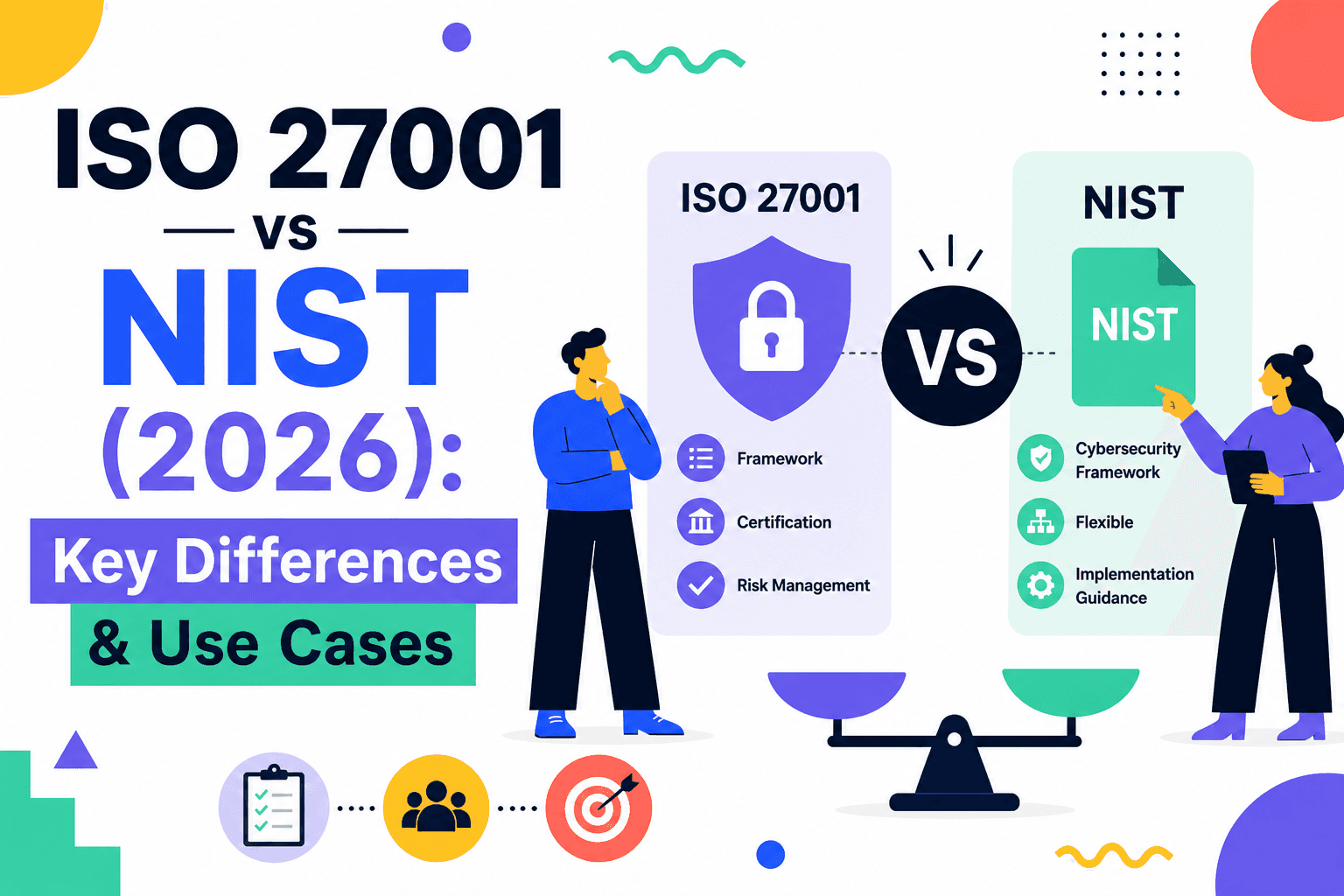
ISO 27001: Specifies requirements of a risk management information security system that helps with the documentation and implementation of security measures to manage and continuously improve the information security system.
NIST CSF / RMF: Provides risk management frameworks that support identification, assessment, and management of cybersecurity risks.
COBIT: Focuses on IT governance and management of information technology. In the governance and management of information technology sectors, it helps to bridge the gap between business objectives and information technology processes.
How They Work Together
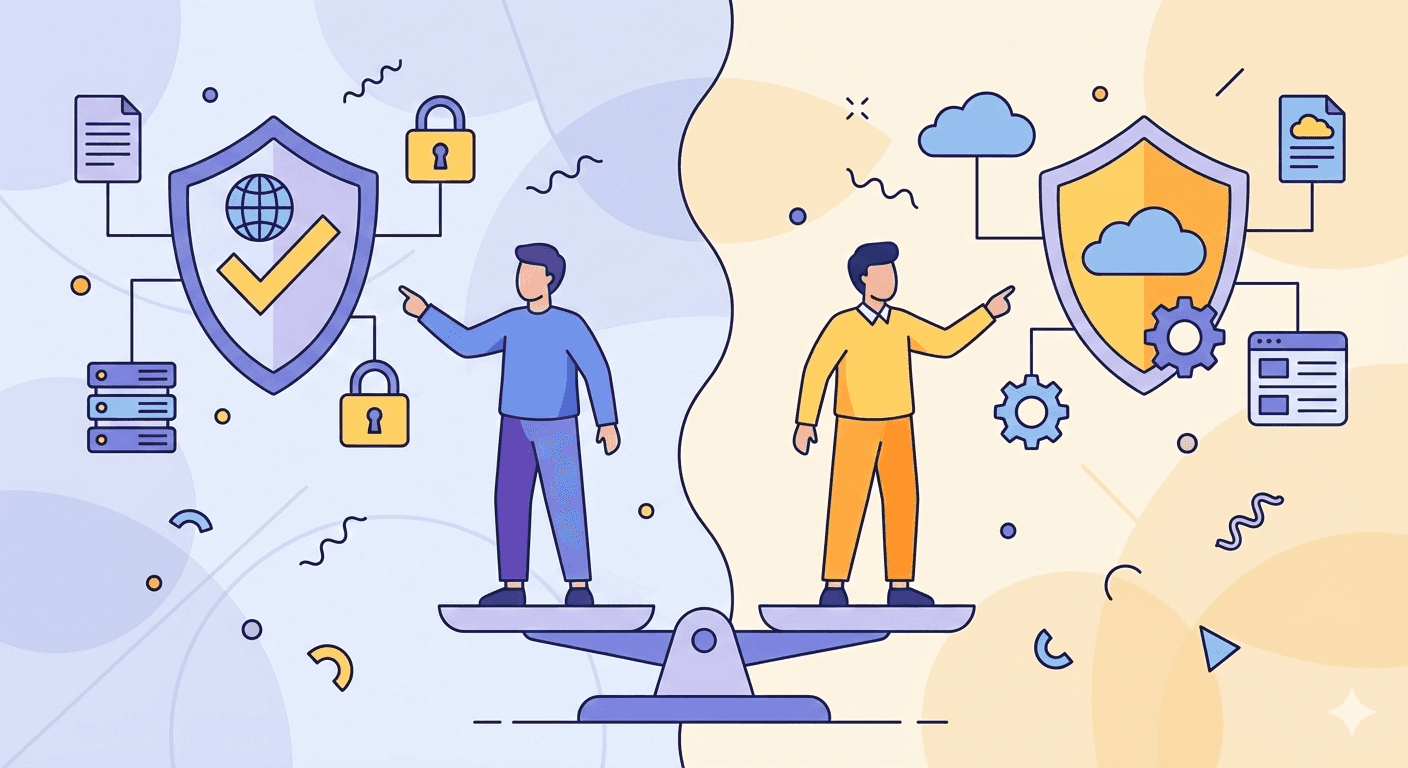
These frameworks are not mutually exclusive. In most cases, companies often use multiple frameworks depending on operational needs, regulatory obligations, and risk exposure.
In practice, companies can use a variety of models in the domains of governance, risk management, and compliance. A financial services company might use COSO ERM to support risk governance at the enterprise level and ISO 27001 to support the management of information security controls.
This approach provides companies the ability to integrate and align strategic oversight, risk management, and control practices across business and technology.
Key Benefits of Implementing a GRC Framework
A GRC framework can help strengthen oversight and consistency. However, this will depend on the implementation stage.
When applied correctly, companies usually benefit from:
Improved risk visibility: Leadership understands the vulnerabilities of the whole company.
More consistent control environment: Standardized procedures take the place of rules that have been made specifically for that department.
Streamlined audit preparation: Documented central evidence collection is quicker to provide to external auditors.
Reduced duplication across teams: Organizational silos are reduced so that different divisions do not do the same risk assessment.
Better alignment between business and compliance functions: Regulatory demands are included in the daily operational workflow rather than being treated as an external obligation.
How to Choose the Right GRC Framework
Choosing the right GRC framework should take into consideration the regulatory responsibilities of the organization, risk exposure, and complexity of operations. A framework that is not aligned may create more unnecessary administrative work or lack some essential areas.
Key Considerations
Before a framework is adopted, companies must analyze their environment, which includes:
Industry-specific requirements: Consider if your company operates in healthcare, finance, or technology.
Regulatory obligations: Determine the laws, regulations, standards, and contracts that the company must comply with.
Current governance maturity: Assess the existing governance structures and controls that exist.
Organizational scale: Consider the size and complexity of your company along with its geographic distribution.
System integration: Determine how the framework will align with your existing systems, processes, and tools.
Practical Approach
Start with a risk assessment to establish your baseline. Identify applicable regulatory and contractual obligations. Choose the frameworks that best align with your operational goals. Lastly, avoid over-engineering from the start. Starting with the simplest solution and scaling alongside your business growth is often the best.
The optimal GRC framework is based on a combination of factors, including regulations, risk appetite, and organizational complexity, rather than one static universal rule.
Roz Supports GRC Workflows
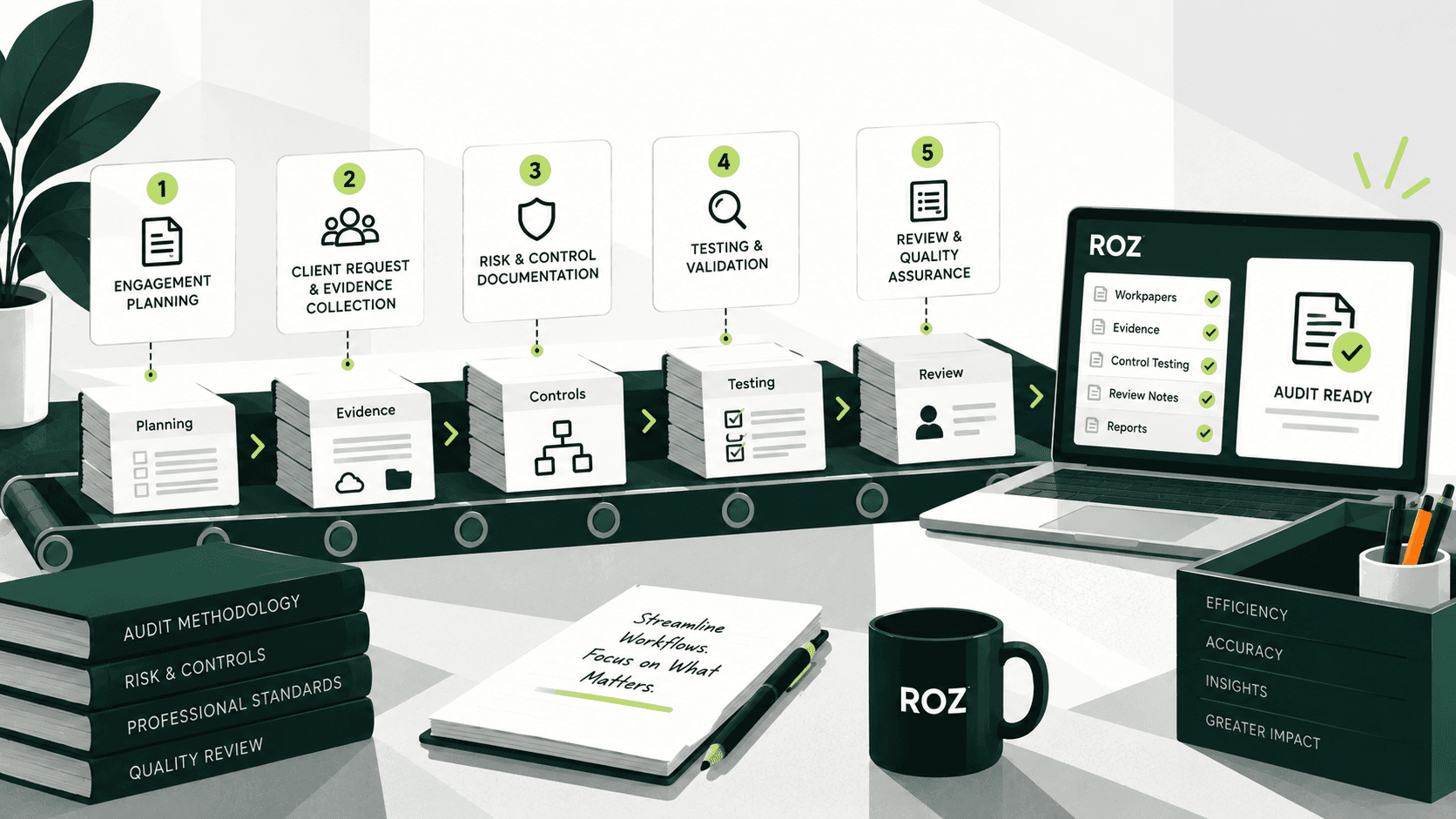
We support GRC workflows by providing a structured environment for audit and compliance engagement delivery.
Designed for CPA firms and advisory teams, Roz functions as an intelligent enterprise data room with a centralized workspace for:
Risk and control documentation
Evidence organization and traceability
Audit trail visibility across engagement outputs
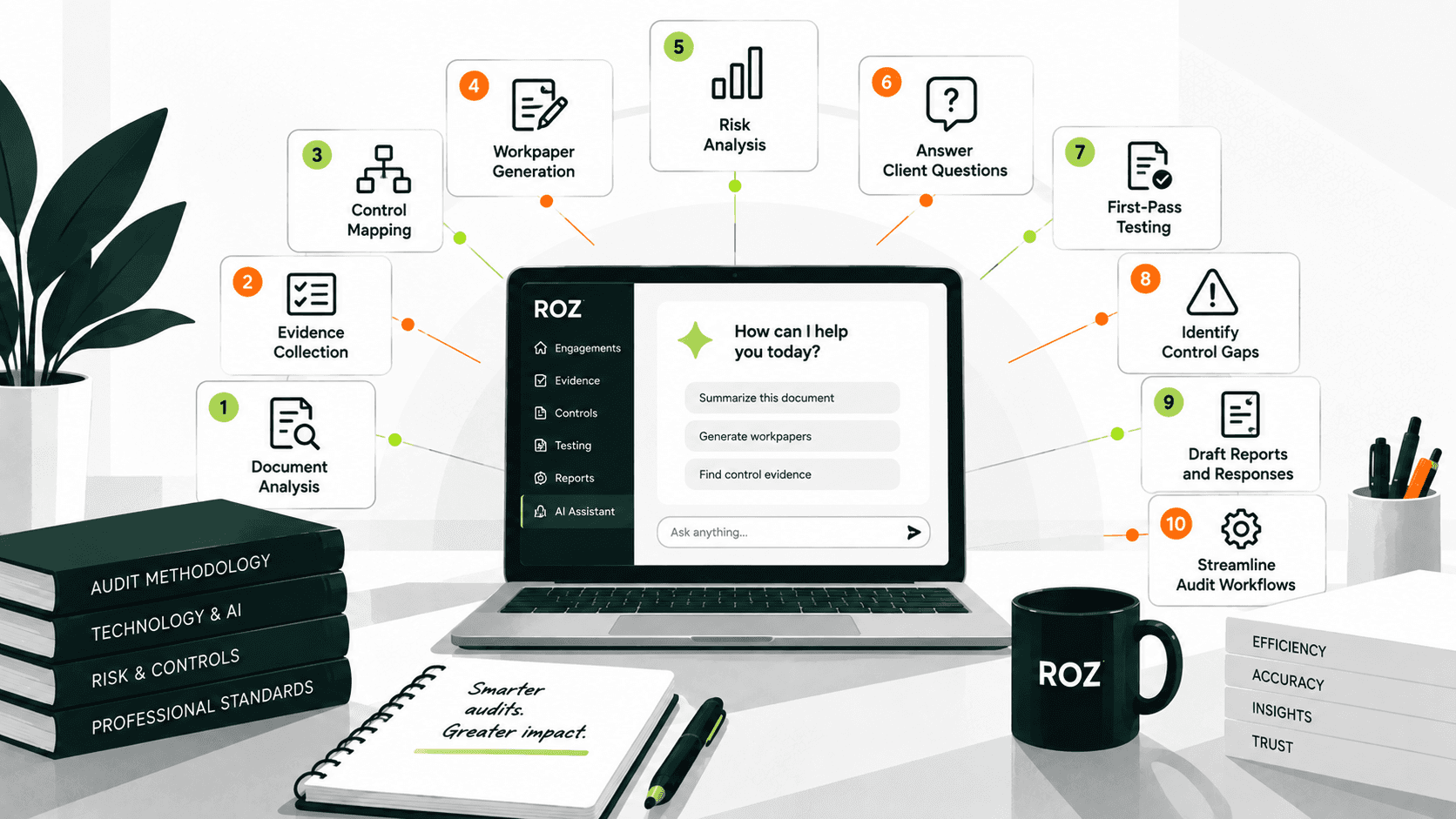
Roz also supports:
Control extraction from client documentation
Structured mapping of controls to framework requirements
Gap identification through documentation analysis
First-pass control testing and evidence sufficiency checks
Roz supports GRC workflows but does not replace formal audits, certification processes, or enterprise GRC platforms. It is designed to structure documentation, support analysis, and streamline engagement delivery.
Conclusion
A GRC framework is an integrated approach to governance, risk management, and compliance rather than a standalone solution. Its effectiveness depends on alignment with regulatory requirements, risk profile, and organizational complexity. Ongoing monitoring and periodic reassessment remain essential as risk and regulatory environments evolve.
I hope this article has provided a clear understanding of GRC frameworks and their key components.