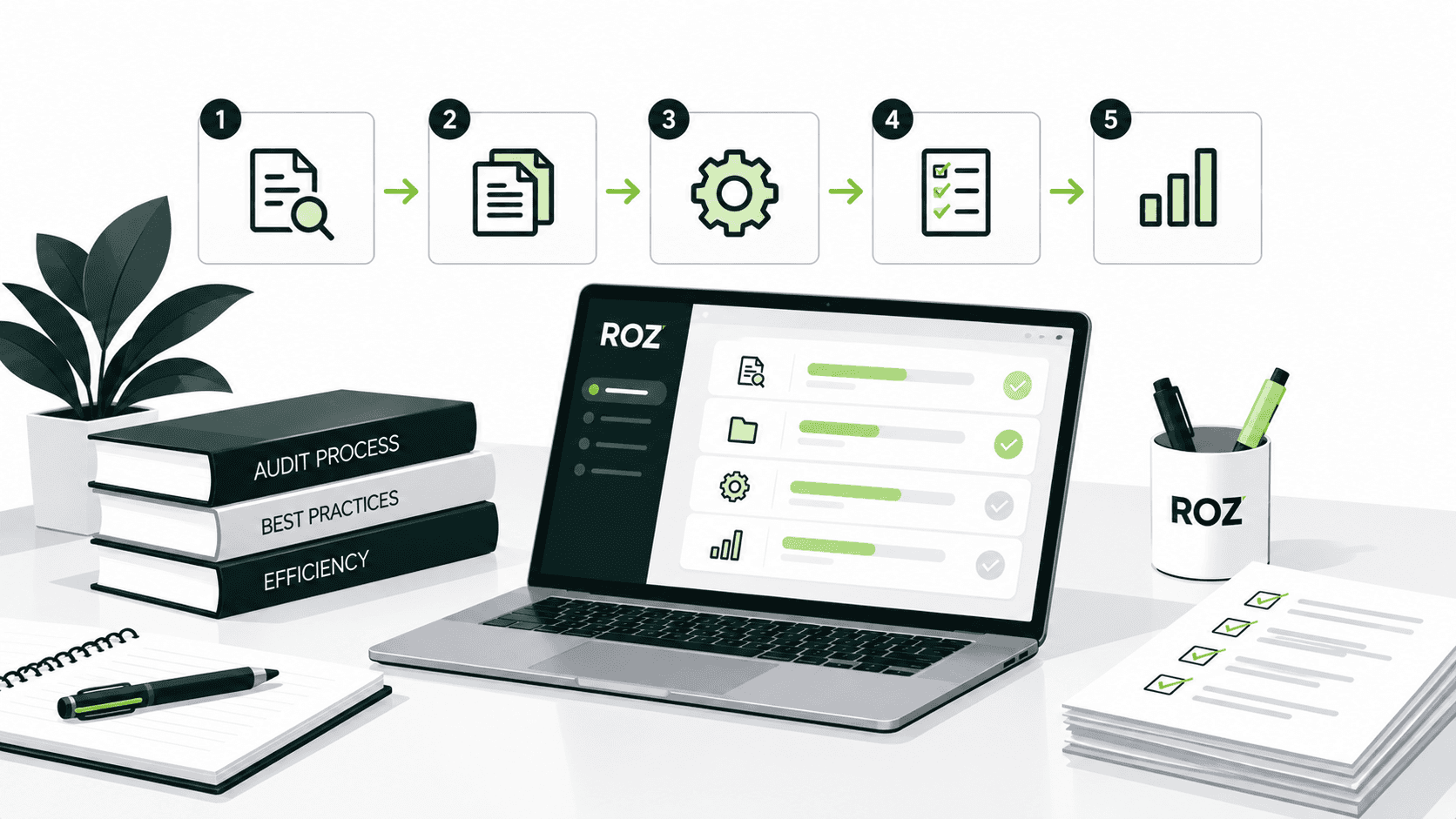
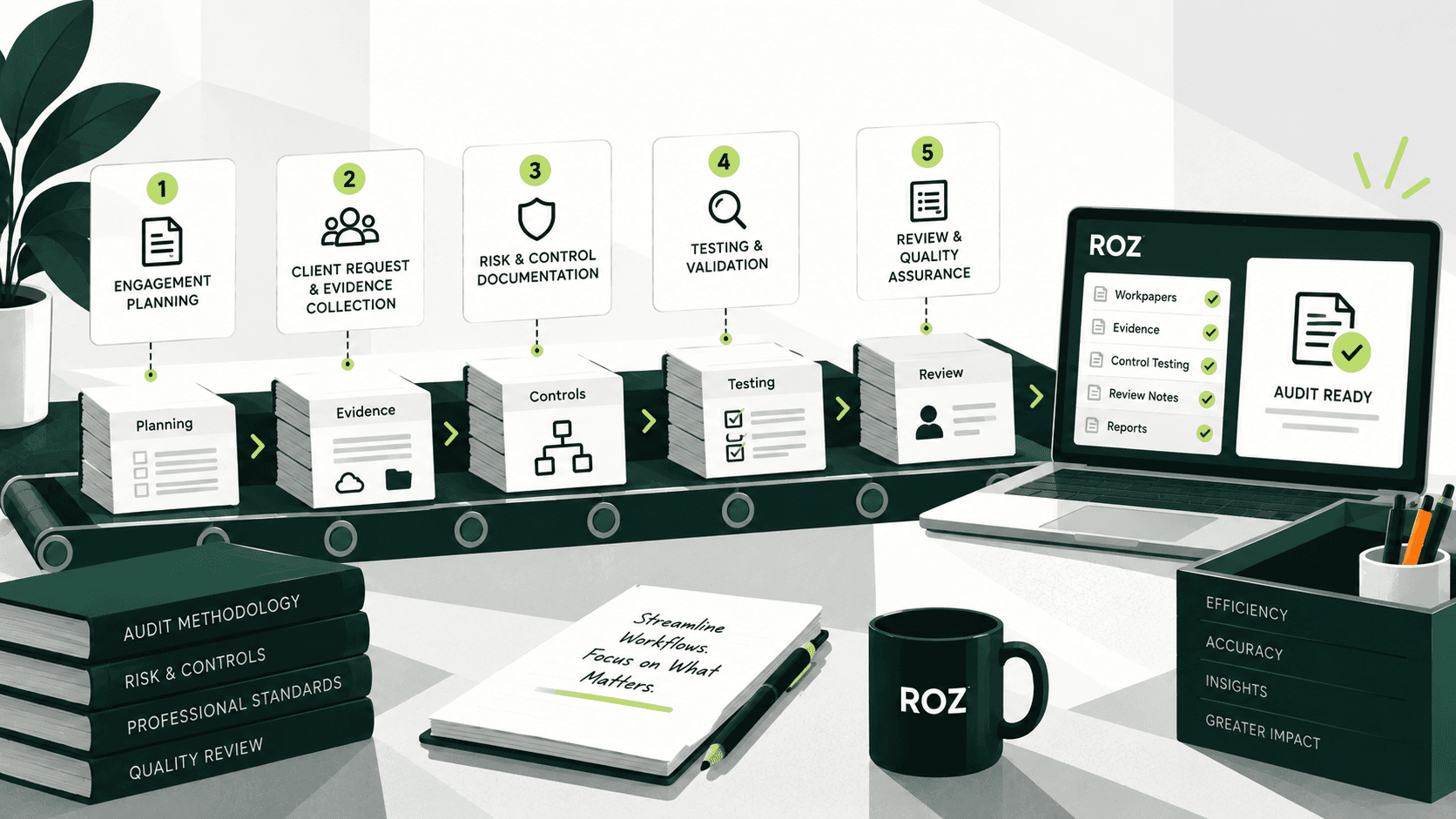
An audit deadline falls at the end of an extended series of activities. Planning informs evidence collection. Evidence collection informs sampling and testing. Sampling and testing inform the drafting of work papers. Review of work papers and amendment of work papers inform the drafting of reports. A delay in one activity can create downstream delays across the engagement.
That’s what makes audit delays difficult to spot early. Most delays are not caused by a sudden collapse in final week productivity. It is actually little delays that occur throughout the process that are more problematic.
In this article, I will examine why those bottlenecks form, what audit teams can do to address them, and which practical tactics can help protect the reporting date.
Why Audit Engagement Deadlines Are So Difficult to Meet
An audit engagement is a connected workflow:

Each stage is preceded by a prerequisite stage. When one component of the workflow stalls, the subsequent work stalls with it.
Managing deadlines for an audit engagement is unlike managing a task list. An 80% completion rate may appear to be significant; however, it may still be cause for concern. For example, if the final 20% of the work is a significant component of the entire audit engagement and an exception is still outstanding for partner review, then the reporting date remains unreliable.
Effective engagement deadline management depends on monitoring dependencies and blockers, not simply tracking the percentage of tasks completed.
7 Common Reasons Audit Teams Miss Engagement Deadlines
1. Audit Evidence Arrives Late or Incomplete
Audits typically face delays from incomplete or late audit evidence. This could look like:
Late PBC (Prepared by Client) responses
Incomplete or incorrect documents
Missing reconciliations
Unclear client-side ownership
Repeated follow-up requests
Evidence scattered across email, portals, and shared drives
Evidence that is submitted late leads to delays in testing, which in turn delays completion of workpapers and, subsequently, reviews. A delay in one critical dependency can also force other work to be deferred, compressing the time available for downstream testing and review.
2. Too Much Audit Work Happens Too Late
Delays in planning and risk assessment can leave insufficient time for fieldwork. This can create a surge of testing in the days or hours before the reporting deadline, when issues and questions are more difficult to resolve.
One way to reduce this risk is to establish an internal deadline buffer, the time between the team's target for completing the engagement and the external reporting deadline. This buffer provides room for unexpected issues, additional testing, and final review.
3. Review Bottlenecks Slow Down Otherwise-Complete Work
Even if the team has made significant progress on a workpaper, the process can stall in a familiar cycle:
Prepared → Waiting for review → Review notes → Rework → Re-review
Late review can create a surge of work as teams have less time to resolve review notes before the reporting deadline. A workpaper that is waiting for review should not be treated as fully complete, even if testing has been documented.
4. Audit Teams Are Spread Across Too Many Engagements
During busy periods, teams can span multiple engagements due to:
Concurrent clients
Overlapping schedules
Context switching
Limited senior availability
Uneven staffing across engagements
Research on audit-firm workloads shows associations between heavier workloads, demands of multiple clients, and risks to audit quality. Stability of staff is also linked to efficiency and audit quality. Longer work hours will not address these issues. Teams should manage capacity deliberately and allocate the appropriate resources based on each engagement's stage, risk, and immediate workload.
5. Manual Work Creates Hidden Delays
Many small administrative tasks consume time without directly advancing audit procedures:
Downloading and renaming files
Sorting evidence
Copying information into workpapers
Formatting and reconciling spreadsheets
Maintaining request lists
Manually mapping evidence to controls
While individually, these tasks may be small, they can result in significant deadline risk across a full engagement.
6. Exceptions Are Identified Too Late
A late exception can trigger a chain of additional work:
Additional evidence → New testing → Client response → Auditor assessment → Reviewer discussion → Revised conclusion
Identifying exceptions early provides more time to investigate and resolve them. Finding exceptions in the last minute of the engagement can lead to excessive time pressure on testing and review and create time pressure for reporting.
7. Managers Lack Real-Time Visibility Into Engagement Status
Managers should not have to search across multiple systems to understand the current status of an engagement:
Which PBC requests are still open?
Which audit areas are blocked?
Which workpapers are awaiting review?
Where are review notes accumulating?
Which exceptions remain unresolved?
Which engagements are most at risk of missing their deadlines?
Without this visibility, existing problems can remain unseen and hidden until they become significant risks to the schedule. Centralized engagement management and status dashboards can help engagement teams identify and address those hidden issues earlier.
How to Keep Audit Engagements on Schedule
Start Evidence Collection Before Fieldwork
Many requests can be made prior to fieldwork being conducted:
Prior-year carry-forward items
Trial balance and GL data
Reconciliations
Policies and contracts
Process documentation
Control evidence
Collecting evidence, even prior to fieldwork, provides clients with the opportunity to respond in a timely manner and gives the audit team time to determine why certain evidence is missing and to follow up on it before it becomes a roadblock for fieldwork.
Prioritize PBC Requests by Criticality
Not all requests carry the same deadline risk, so they should not all be treated with the same level of urgency.
Classify each PBC item into three tiers:
Critical: Blocks testing or a major engagement area.
High: Blocks a specific audit procedure.
Normal: Can be completed while other work continues in parallel.
Focus escalation on requests that are actually blocking progress. Treating all overdue requests as highly urgent can lead to a misallocation of resources for the other requirements that have a greater focus on the risk associated with the engagement.
Assign One Owner to Every PBC Request
“Please provide the supporting documents” is a weak request. A strong PBC request should specify what is required, the owner, the due date, and the specific audit procedure that it supports.
For example: “Finance, Revenue Controller, provide the Q3 Revenue reconciliation by September 5 to support the testing of revenue recognition.”
Strong requests and clear communication can reduce unnecessary back-and-forth, make overdue requests easier to escalate, and give both the client and audit team a clear understanding of what is expected.
Build Internal Deadlines Before the Client Deadline
Set milestones that are earlier than the deadline:
Milestone | Internal target |
Evidence substantially collected | Day 10 |
Testing substantially complete | Day 17 |
Manager review | Day 21 |
Review notes substantially cleared | Day 24 |
Partner/final review | Day 26 |
Reporting | Day 30 |
The external reporting deadline should not be treated as the date by which core engagement work is completed. Internal milestones create time for final review, additional testing, and unexpected issues before reporting.
Review Workpapers Continuously
Waiting until all workpapers are substantially complete before beginning review creates unnecessary risk. If an issue related to methodology, documentation, or testing appears in workpaper three, identifying it only after dozens of workpapers are complete can create significant rework.
Reviews should be clear and defined as the following states:
Prepared → Ready for Review → Reviewed → Notes Cleared → Final
This approach spreads the review throughout the engagement, thereby addressing issues related to documentation and methodology prior to preparing dozens of workpapers.
Track Blockers Separately From Progress
Having an engagement status of “85% complete” may still indicate significant deadline risk.
Blocker status should be tracked with the following metrics:
Critical blockers outstanding
Overdue evidence requests
Workpapers awaiting review
Open review notes
Outstanding exceptions
Days remaining to reporting
These metrics provide a more useful view of the factors affecting engagement completion than percentage-complete reporting alone.
7 Audit Deadline Tactics Teams Can Use Immediately
These are practical workflow recommendations, not formal requirements from the AICPA, PCAOB, or IAASB. Consider them as guidelines that reduce the scheduling risk before it creates a reporting issue.
Apply the 48-hour escalation rule: Define a policy to escalate a blocked critical procedure after 48 hours to the audit lead. Do not plan to follow up on this throughout the regular process. If it is an internal management policy and not an audit standard, a defined escalation point can prevent small blockers from accumulating into material schedule risks.
Hold a daily "biggest risk to deadline" check: Identify the biggest risk to meeting the deadline. Address this before the regular status checks.
Start review before the workpaper is finished: Where appropriate, reviewers can begin reviewing portions of a workpaper as supporting procedures, evidence, and conclusions become available. This can surface issues earlier rather than waiting until the workpaper is fully finalized.
Use Prior-Year Delays to Improve Planning: Review last year's PBC delays, recurring review notes, and repeated exceptions. Address predictable issues as pre-engagement planning items.
Separate client delays from internal delays: Document if lost time was due to client delays (evidence), capacity, rework, or review. You cannot solve the right problem until you understand where the time was actually lost.
Measure review aging: Track average time spent in review and time since a review note was created and cleared. These metrics identify a review bottleneck prior to impacting your reporting deadline.
Protect senior review capacity: Reserve sufficient time for both managers and partners to complete review and finalize work. A last-minute senior review can block work that is otherwise 95% complete and leave insufficient time to resolve final issues before reporting.
How Roz Helps Audit Teams Reduce Engagement Bottlenecks
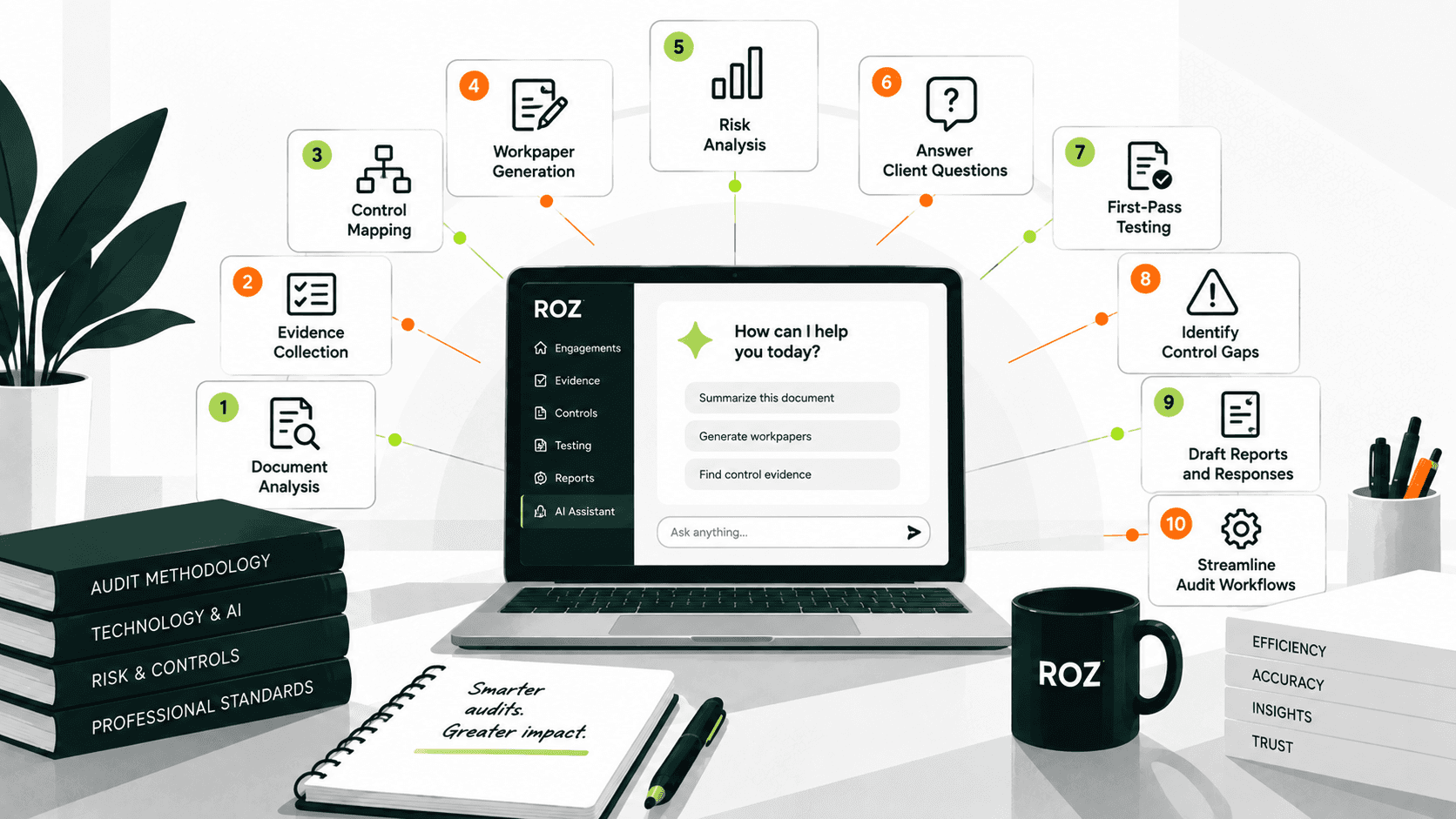
Roz is an AI-native audit fieldwork platform built for auditors, risk advisory firms, and audit teams. It helps accelerate the fieldwork behind common engagement bottlenecks while keeping auditors in control. Here's how each capability maps to a specific delay:
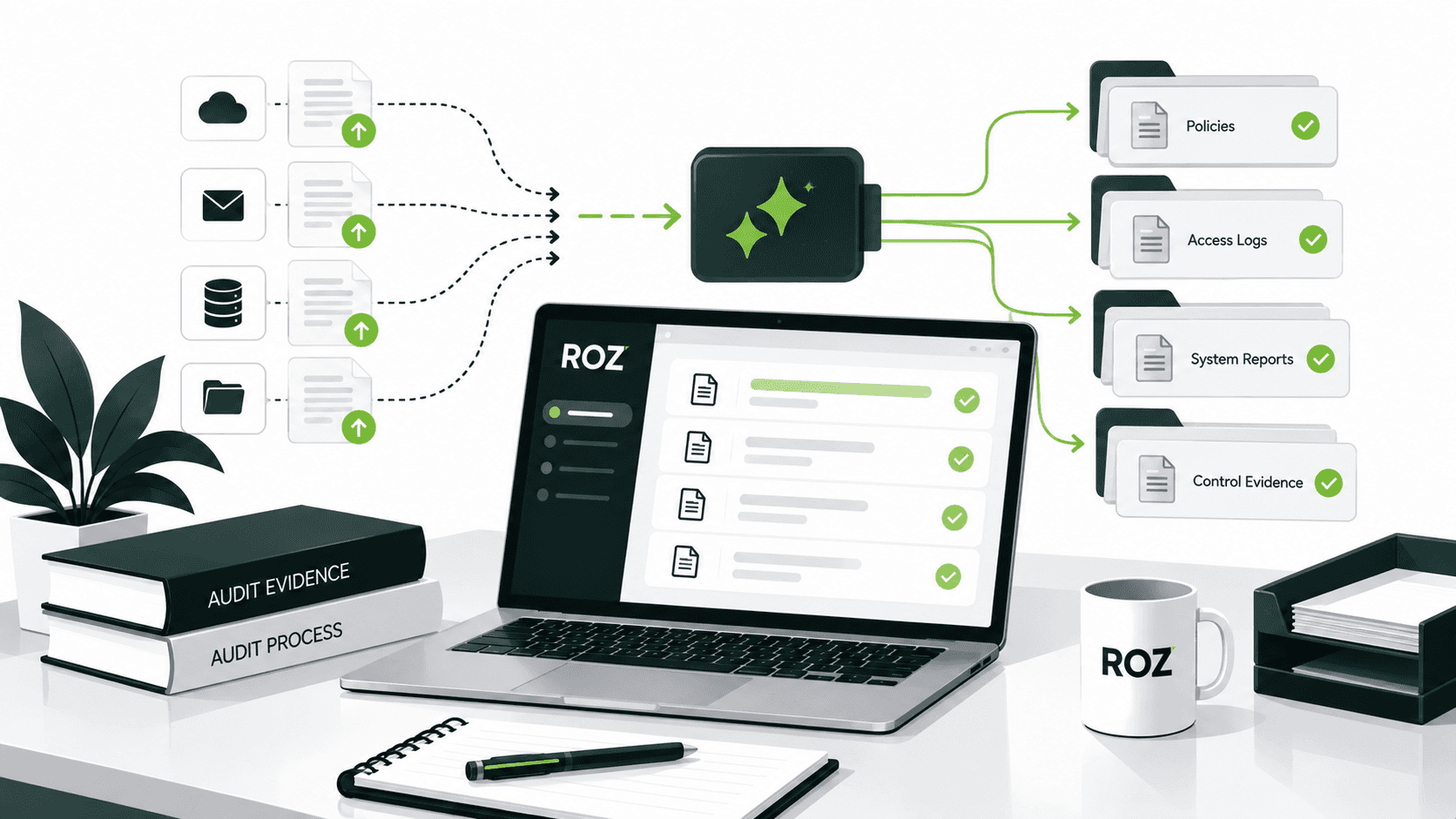
Evidence delays: Organizes client evidence in isolated, engagement-specific workspaces and supports evidence requests tied directly to controls.
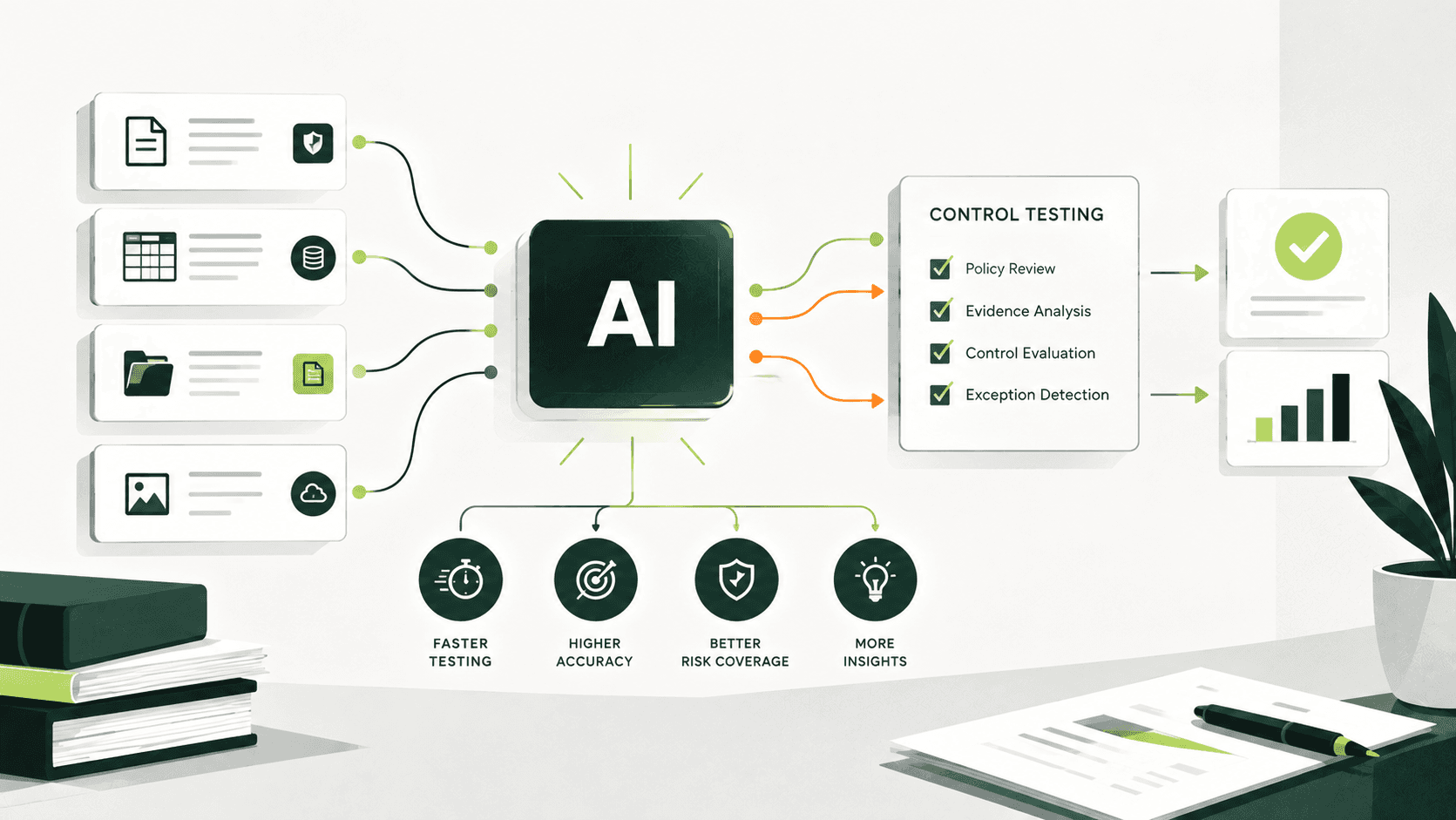
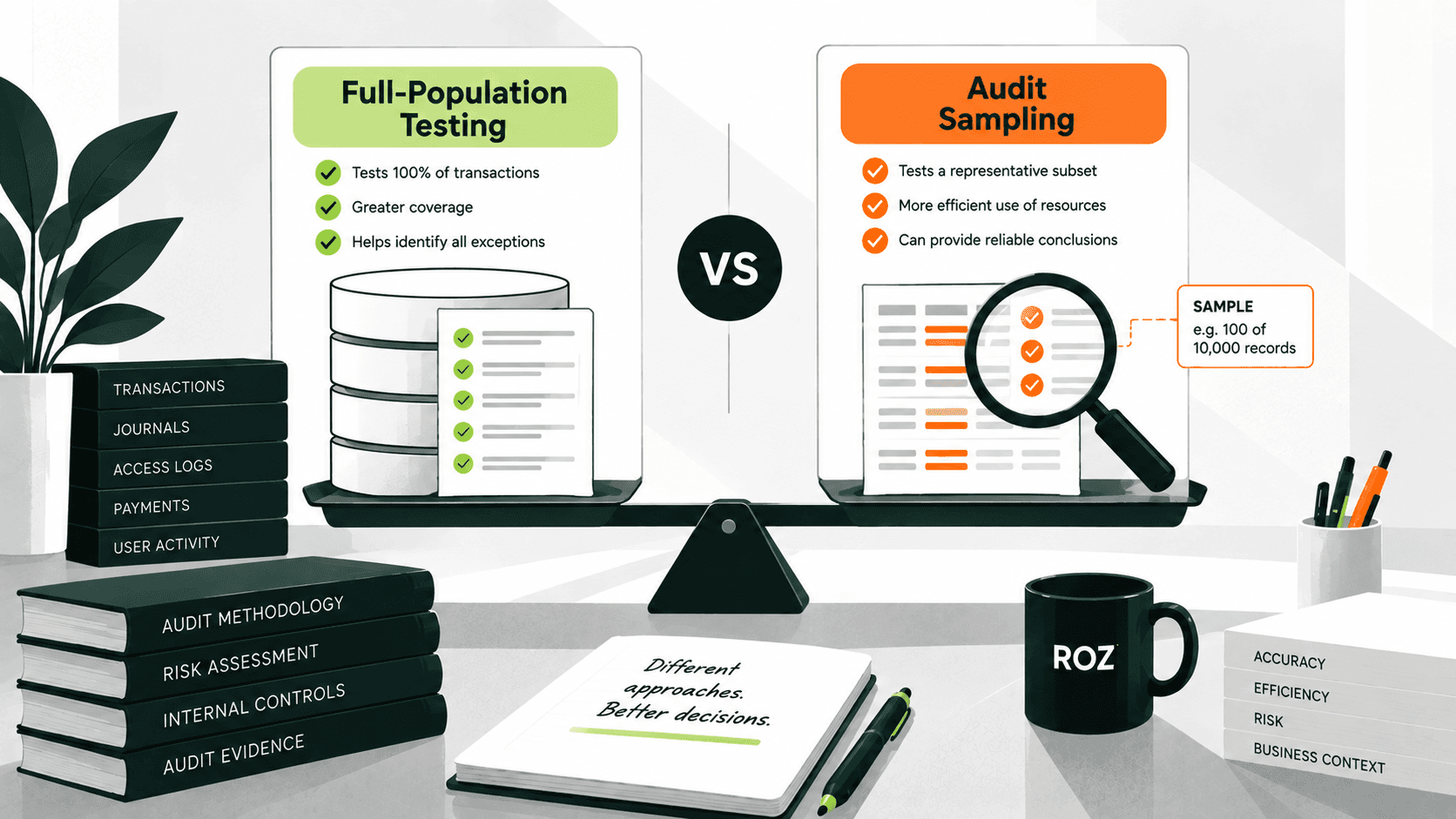
Testing bottlenecks: Uses AI-powered control testing to run defined or suggested attribute checks against evidence and sample sets, with results and reasoning for auditor review.
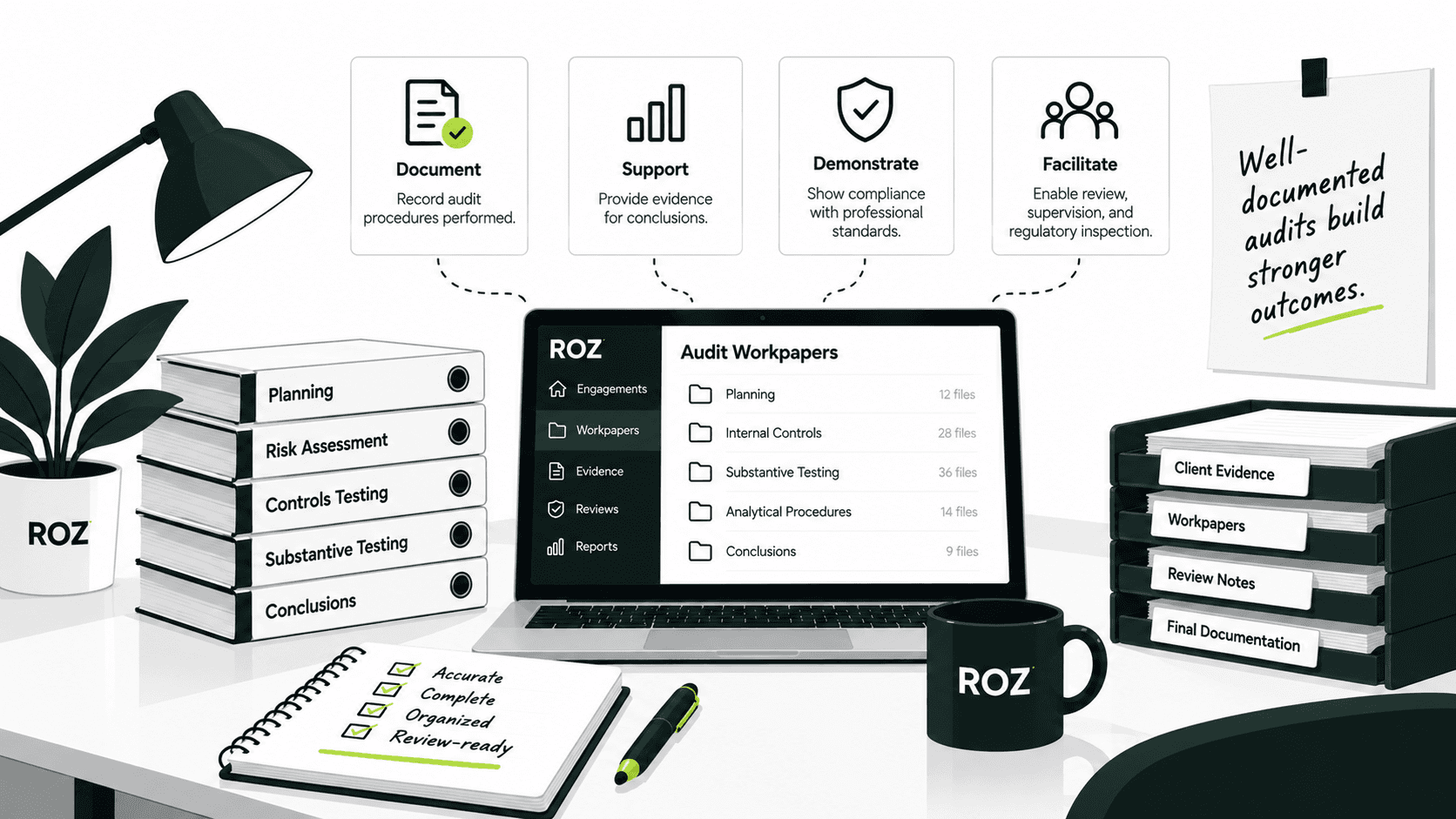
Manual workpaper preparation: Exports completed control activities as formatted workpapers, with supporting evidence, annotations, and audit trails.
Engagement visibility: Brings controls, evidence, testing, and documentation into one centralized assessment workflow.
Reporting pressure: Streamlines repetitive control-testing and documentation work, reducing administrative effort around delivery.
The result is less time spent on repetitive fieldwork and more time available for review and the professional judgment that remains the responsibility of the audit team.
Audit Engagement Deadline Checklist
Before fieldwork
Finalize engagement scope
Identify high-priority audit areas
Send out priority PBC requests
Assign PBC request owners
Review prior-year delays
Set internal due dates
During fieldwork
Track open PBC requests and outstanding evidence on a regular basis
Escalate blockers
Evidence review on a rolling basis
Keeping exceptions under control
Reallocate resources where needed
Before reporting
Clear review notes
Resolve outstanding exceptions
Complete final audit procedures
Review evidence on a final basis
Perform final quality review
Preserve time for last-minute review and reporting
Conclusion
Audit deadlines are rarely missed because of one major delay. More often, small bottlenecks, late evidence, blocked requests, delayed reviews, unresolved exceptions, and communication gaps add up.
Teams that meet target dates treat the engagement as a connected workflow. Continuous review, proactive blocker management, and streamlined administrative work create more time to address unexpected issues before the final deadline.
Frequently Asked Questions
Why do audit engagements get delayed?
Late or incomplete evidence, work done almost exclusively at the last minute, blocked review, time-constrained competing tasks, manual labor, last-minute exceptions, and insufficient visibility are all reasons why audit engagements experience delays. Since they're interconnected, delays that happen early can affect reporting.
How can auditors reduce audit turnaround time?
Collect evidence as early as possible, set priority and responsibility for key requests, and establish a target completion date. While reviewing workpapers, manage blockers. Reporting progress as a percentage complete may not be sufficient to manage the engagement.
How do PBC requests affect audit deadlines?
PBC (Prepared by Client) requests are normally part of an engagement dependency chain. If requests are made last minute and are incomplete, this will also impede testing, workpaper preparation, and review. If clear ownership and due dates are assigned to early requests, this will also help decrease the effect of delays.
Can AI help audit teams complete engagements faster?
AI can help organize evidence, support first-pass workpaper preparation, surface potential gaps, and streamline repetitive administrative work. Auditors remain responsible for evaluating the evidence, investigating exceptions, and applying professional judgment to reach the final conclusions.