Pressure for cybersecurity assurance is growing across every industry. As a SaaS provider, you’re likely seeing more vendor risk questionnaires every day. Your enterprise customers want to see a SOC 2 report before they’ll sign a contract, while federal agencies often require FedRAMP authorization just to evaluate your software.
Many SaaS companies get confused about which framework applies to their business. Both are security frameworks, and both demand significant time and resources, but they serve entirely different purposes.
The choice between these frameworks can significantly affect security operations, compliance scope, and go-to-market strategy.
In this article, I will break down the key differences between FedRAMP and SOC 2 so you can decide which path is right for your business.
What Is FedRAMP?
Why do federal agencies require rigorous cloud security reviews? The main goal is to protect sensitive government data and maintain consistent cybersecurity standards across all federal systems.
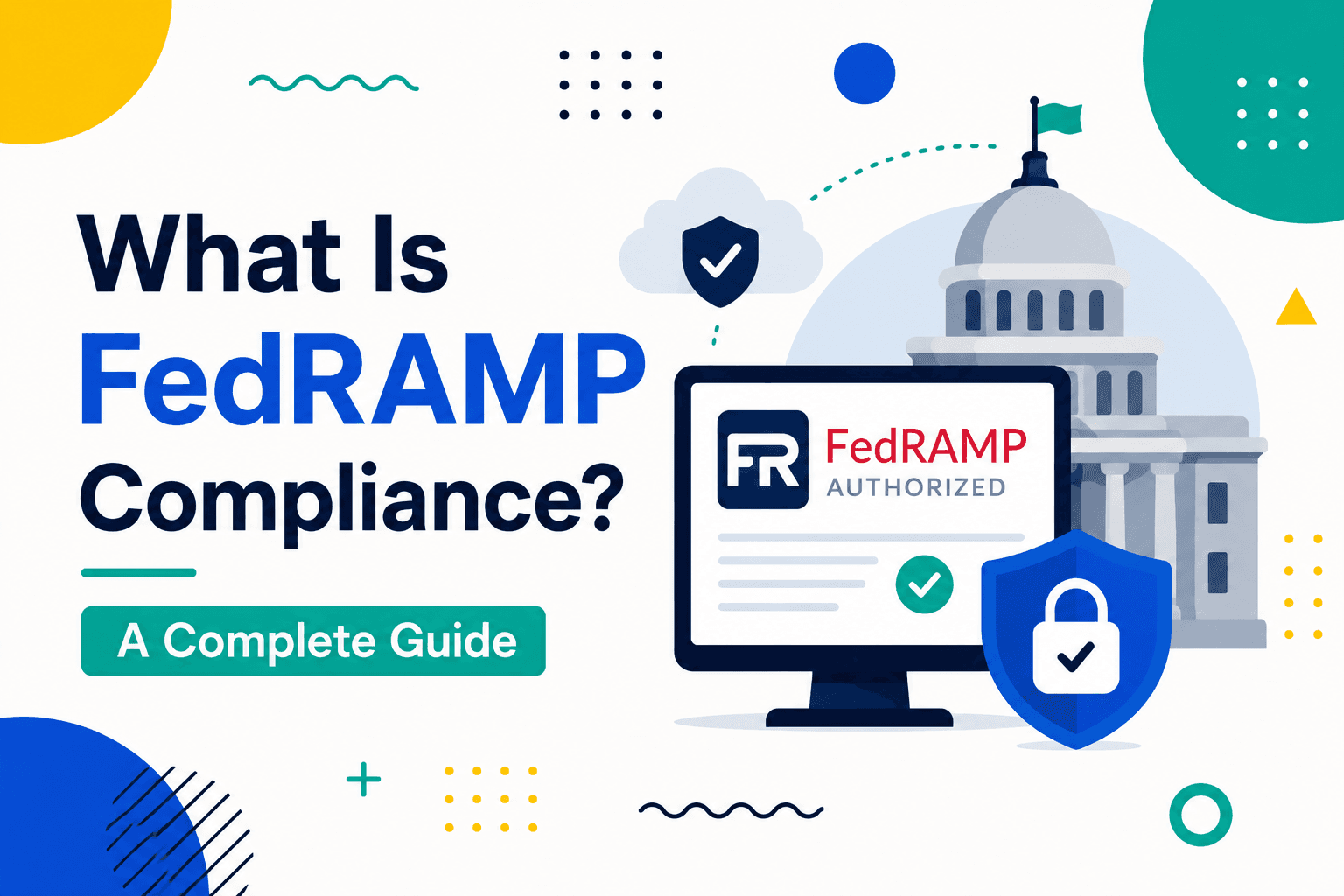
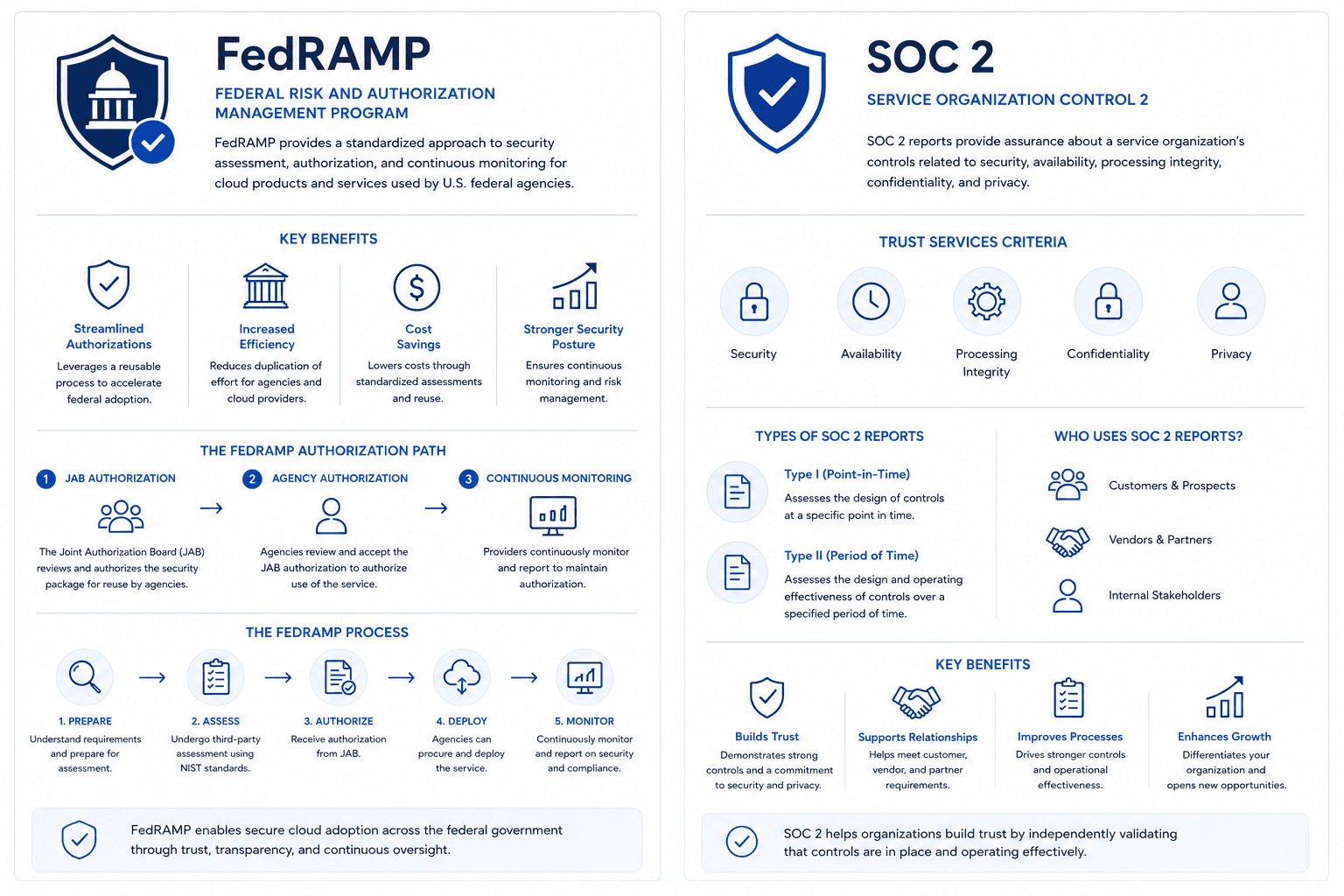
The Federal Risk and Authorization Management Program (FedRAMP) is a U.S. government-wide program that standardizes security assessment, authorization, and continuous monitoring for cloud products and services. Federal agencies generally require FedRAMP authorization before adopting cloud services. The framework relies on a rigorous set of baseline controls to protect federal data in the cloud.
Key Components of FedRAMP
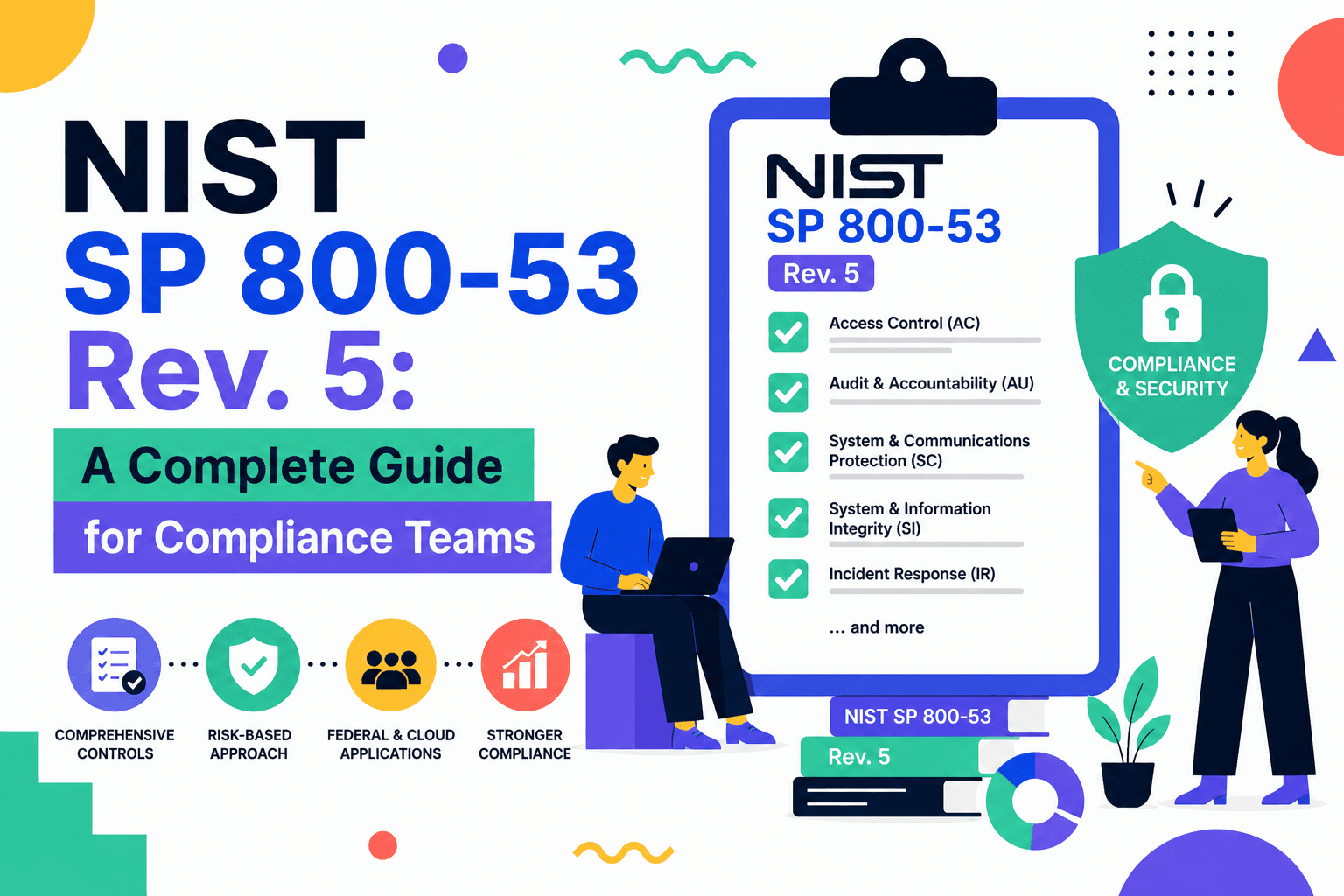
NIST SP 800-53: FedRAMP uses security and privacy controls defined in NIST SP 800-53.
Continuous Monitoring: To maintain your authorization, you must conduct ongoing vulnerability management, continuous reporting, and testing.
3PAOs: Accredited Third-Party Assessment Organizations 3PAOs act as independent auditors and conduct the security assessment.
Authorization Pathways: You can attain authorization using a particular government agency (Agency Authorization) or the Joint Authorization Board (JAB).
How is FedRAMP changing?
The FedRAMP 20x initiative aims to modernize the authorization process through increased automation, reusable evidence, and machine-readable documentation, helping streamline assessments and support modern cloud technologies.
What Is SOC 2?
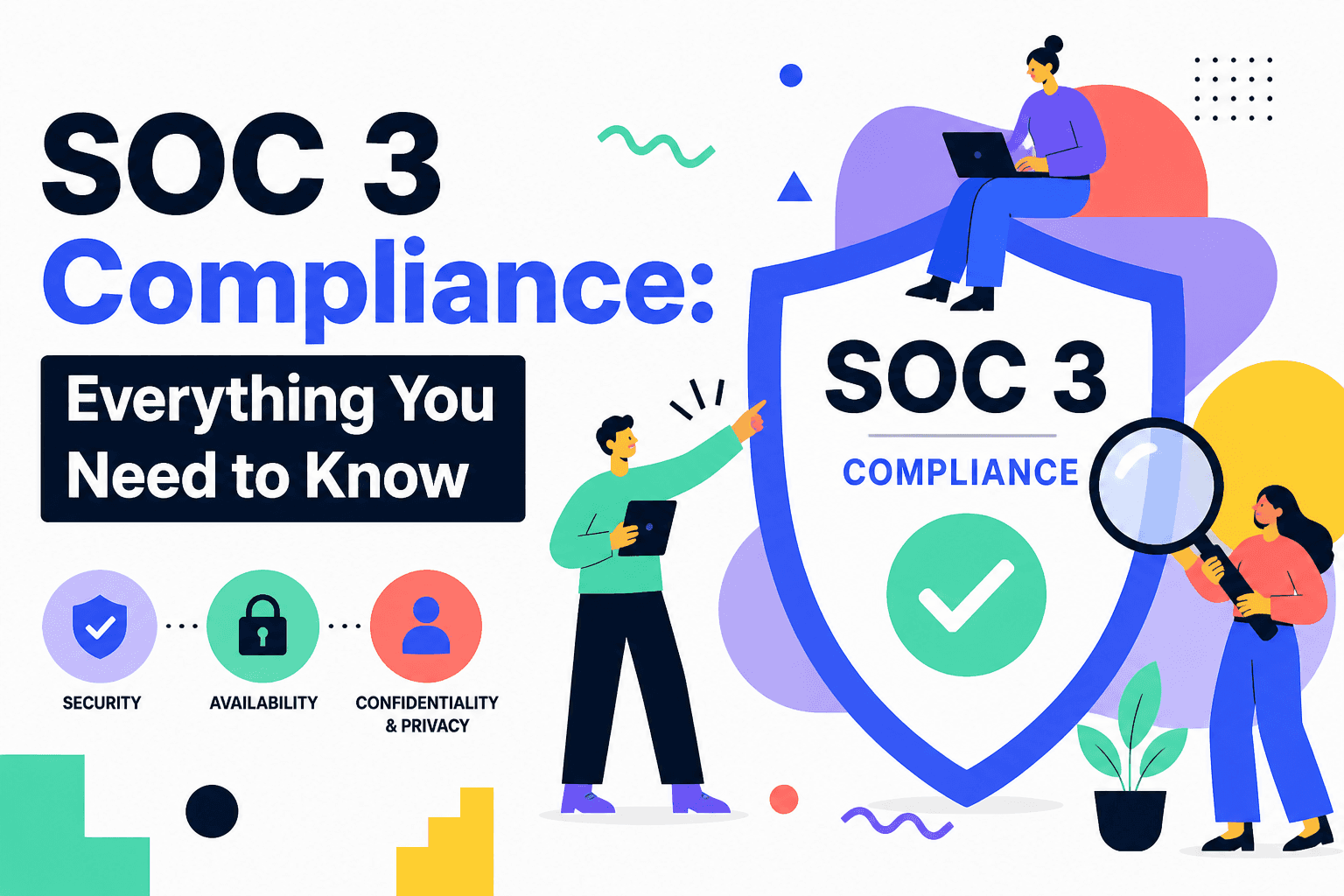
Why do businesses request SOC 2 reports? They can prove that they safely manage the data of their clients. System and Organization Controls (SOC 2) is an attestation framework developed by the AICPA for evaluating controls related to security, availability, processing integrity, confidentiality, and privacy.
AICPA Trust Services Criteria: SOC 2 audits check the organization against the five specific Trust Services Criteria.
Attestation, Not Certification: SOC 2 is not a certification program. Thus, a CPA firm independently issues a report of attestation that will assess whether controls are suitably designed and operating effectively.
A SOC 2 report can address any of the five Trust Services Criteria:
Security: Protection against unauthorized access, system misuse, or unauthorized disclosure of information. This is the only mandatory criterion.
Availability: Evaluates whether systems are available for operation and use as committed or agreed.
Processing Integrity: Evaluates whether system processing is complete, valid, accurate, and timely.
Confidentiality: Focuses on protecting sensitive information from unauthorized disclosure.
Privacy: Evaluates how organizations collect, use, retain, disclose, and dispose of personal information.
SOC 2 Type 1 vs Type 2
When preparing for a SOC 2 audit, you must choose between two report types:
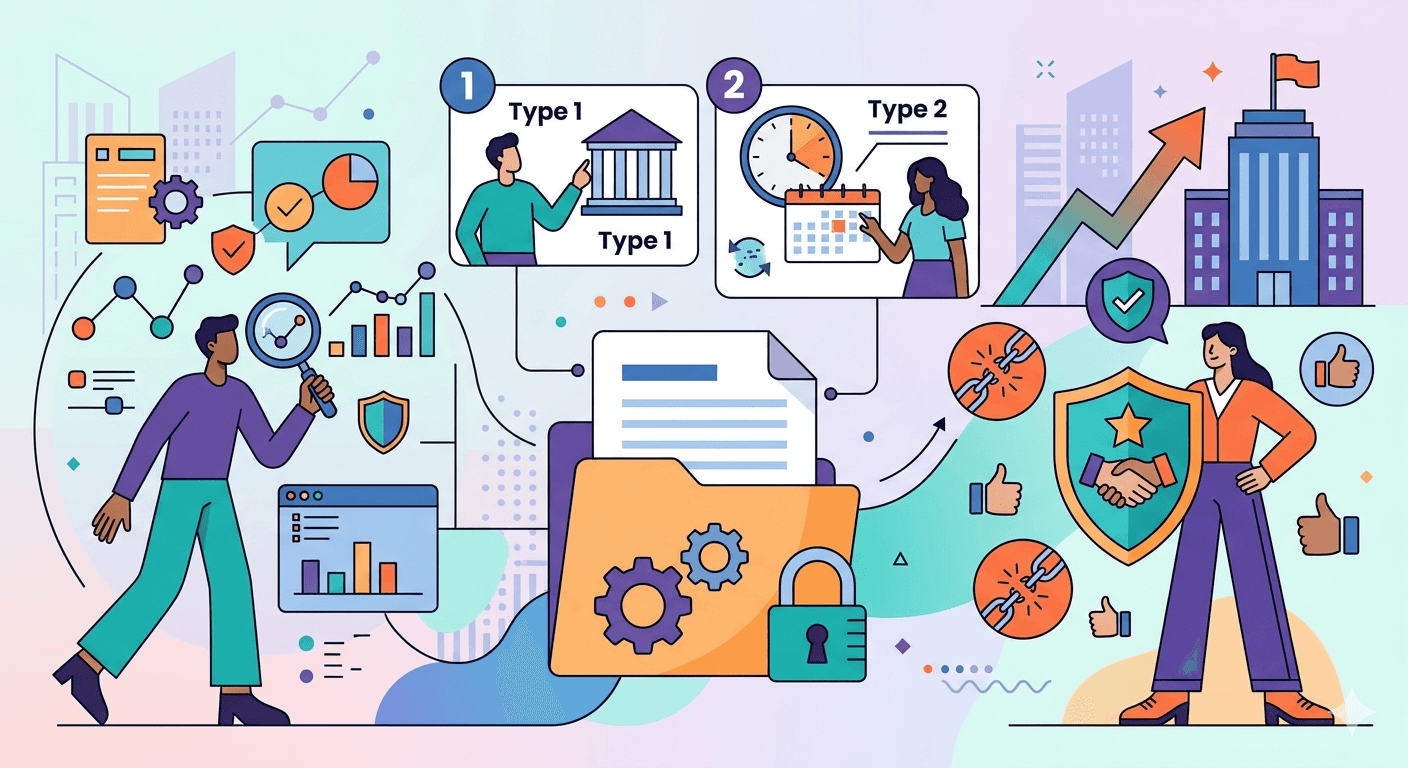
Type 1: This report evaluates the design of your security controls at a single point in time.
Type 2: This report evaluates the operating effectiveness of your controls over a specified observation period, usually 3 to 12 months. Enterprise buyers heavily favor the SOC 2 Type 2 report because it provides evidence that controls operated over the review period.
FedRAMP vs SOC 2: Key Differences
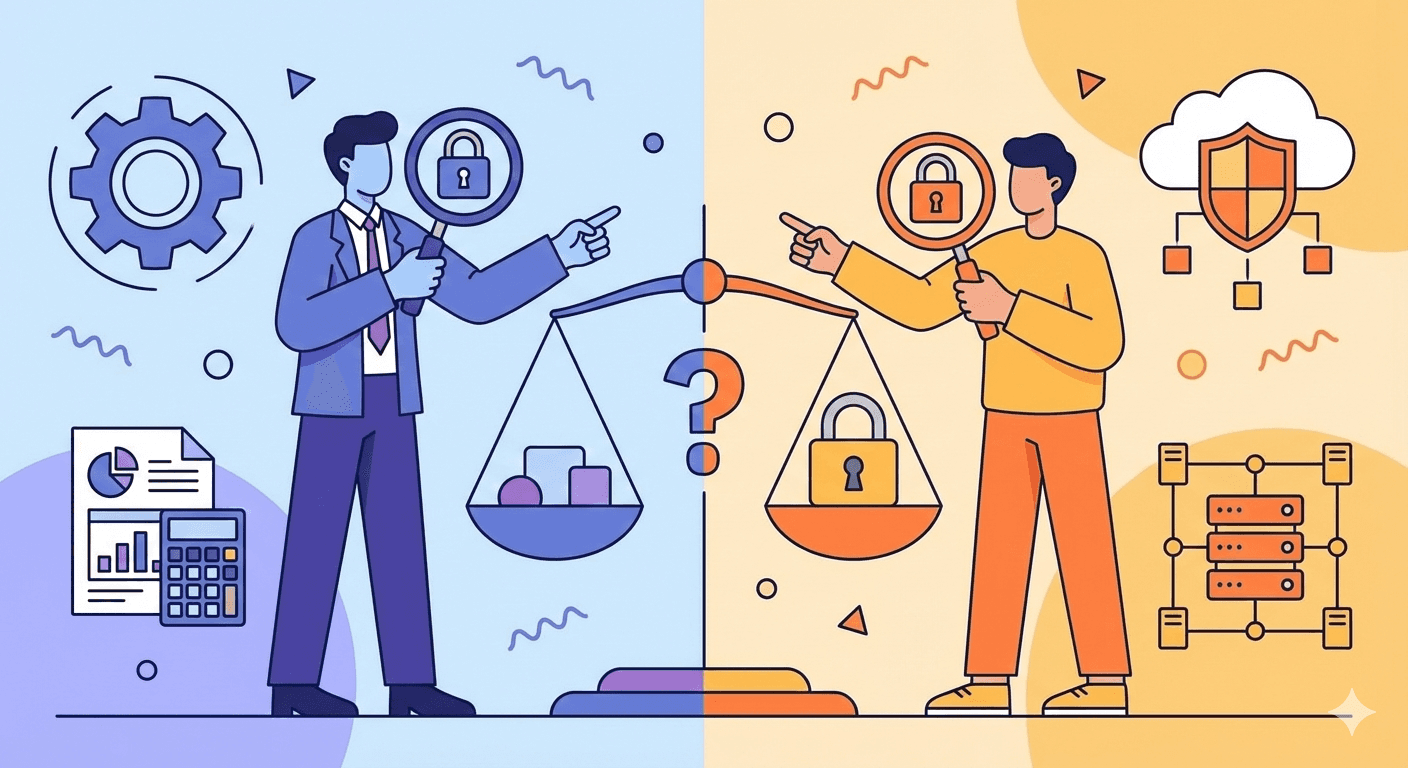
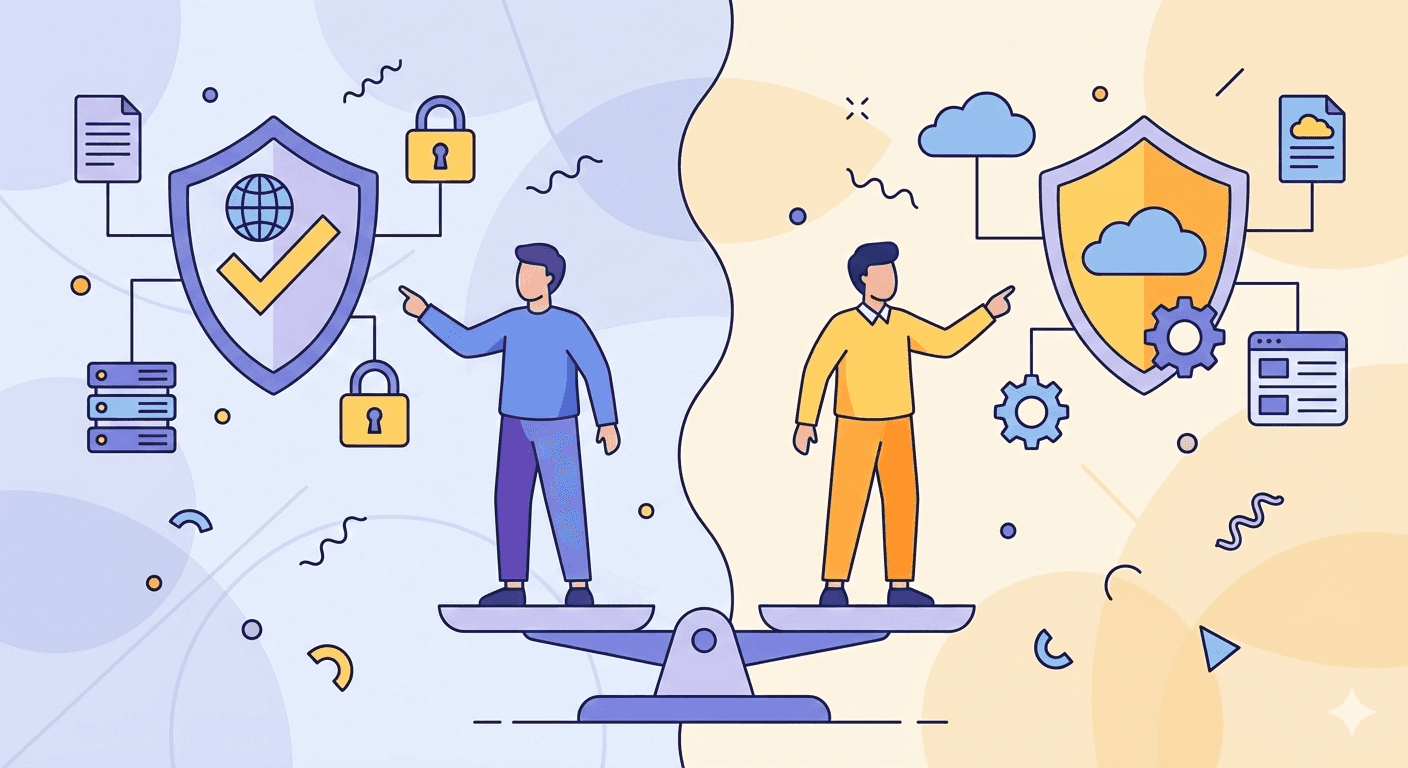
When comparing these frameworks, the difference between FedRAMP and SOC 2 largely comes down to your target audience.
Area | FedRAMP | SOC 2 |
Purpose | Federal cloud authorization | Commercial security assurance |
Governing Body | U.S. Government | AICPA |
Target Audience | Federal agencies | Commercial customers |
Framework Basis | NIST SP 800-53 | Trust Services Criteria |
Required Controls | Highly prescriptive | Flexible/risk-based |
Assessment | 3PAO + government authorization | CPA attestation |
Monitoring | Continuous monitoring | Periodic audits |
Complexity | Very high | Moderate |
Timeline | Longer | Faster |
Cost | Higher | Lower |
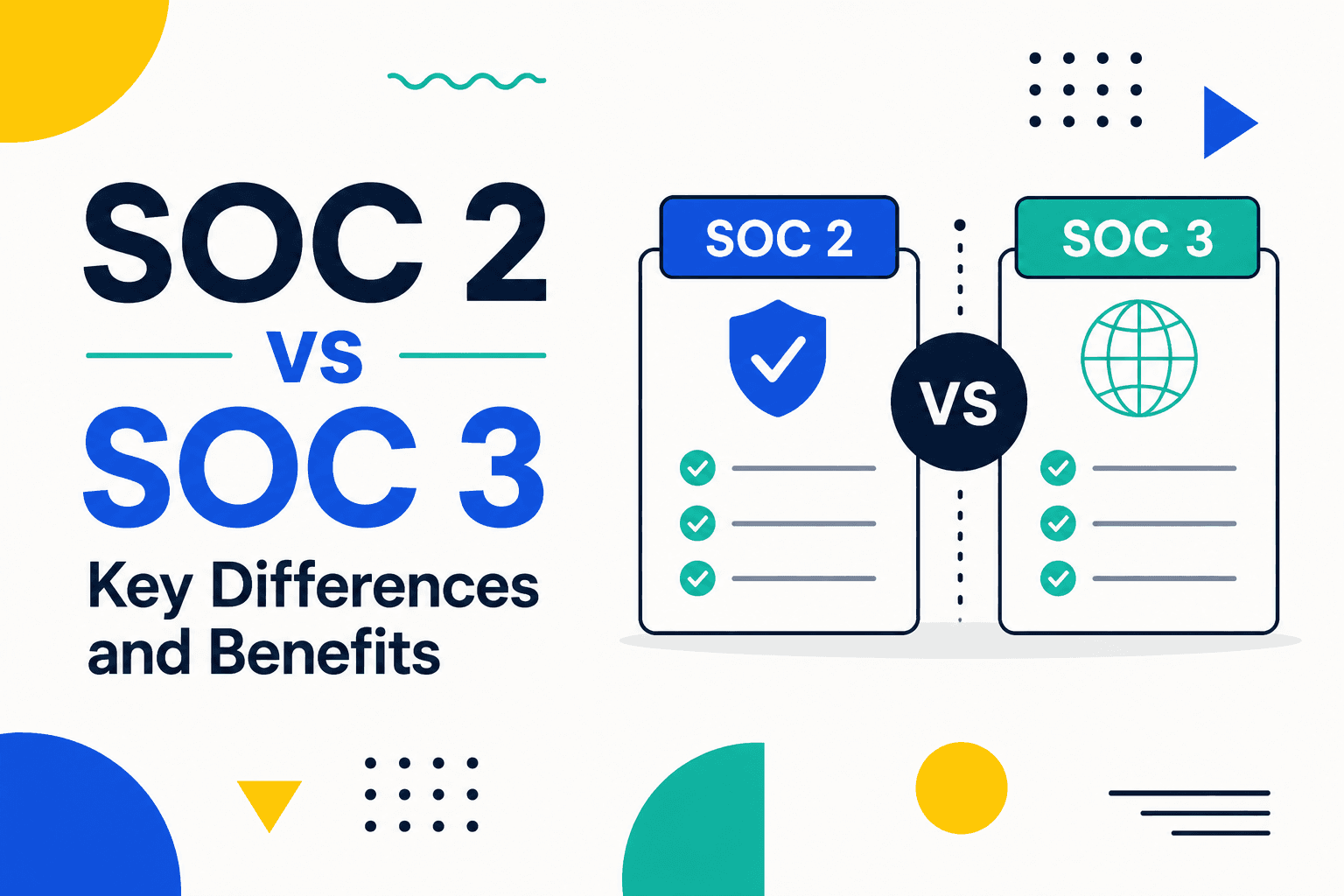
This FedRAMP vs SOC 2 comparison reveals a fundamental divide. FedRAMP is highly prescriptive and government-centric. It dictates exactly how you must configure systems. SOC 2 is flexible and enterprise-centric. It allows you to design controls that fit your specific organizational risks. Both frameworks can coexist, but they serve distinct markets.
Is FedRAMP Harder Than SOC 2?
In most cases, FedRAMP authorization requires greater operational and documentation effort than SOC 2 reporting.
Here’s why:
Control Count: A FedRAMP Moderate baseline includes several hundred security controls from NIST SP 800-53. SOC 2 includes a relatively small number of controls depending on your chosen scope.
Rigor and Documentation: FedRAMP includes more rigorous documentation and controls and includes a more formal review by the government.
Continuous Monitoring: FedRAMP requires ongoing monitoring activities, which may require dedicated compliance and security resources.
SOC 2 allows organizations to design controls based on their risk environment, while FedRAMP defines more prescriptive control requirements.
However, your security, cloud architecture, and cloud environment determine the actual complexity. Many organizations begin with SOC 2 to support enterprise sales. They can pursue FedRAMP later, as their security and compliance programs mature, when they want to tap into the federal market.
Which One Should You Choose: SOC 2 or FedRAMP?
How do you figure out what framework to focus on? It is typically based on who you intend to sell to, your sales pipeline, and what you need to be compliant with.
Choose SOC 2 If…
Your customers are commercial enterprises.
Your enterprise customers will require independent assurance reports.
You are early-stage SaaS and need a foundational security program.
Your sales are lagging due to the number of security questionnaires.
Choose FedRAMP If…
Your focus is on serving customers who are federal agencies.
Your cloud computing setup is used for workloads that are in the government or federally sensitive areas.
Some public sector contracts may require FedRAMP authorization.
You maintain mature security and compliance operations that have the capacity to support the added complexity of ongoing continuous monitoring.
Do You Need Both?
It is quite common for most organizations to pursue a SOC 2 first in order to support enterprise customer due diligence requirements and to establish an initial security assurance foundation. Some cloud vendors, as their security operations mature, venture into FedRAMP as a means to satisfy their federal business opportunities. Although there may be some commonality in some controls, the frameworks are not interchangeable. A SOC 2 report does not replace FedRAMP authorization requirements for federal cloud environments.
FedRAMP vs SOC 2 Costs and Timelines
When preparing your budget for compliance, know how much each will cost and how much each will take to implement, taking into account the differences between SOC 2 and FedRAMP.
SOC 2 Costs and Timeline
SOC 2 will require a smaller budget and fewer staff resources than FedRAMP. Some of the items to include for the budget and time will be:
Security maturity.
Existing controls.
Scope complexity.
Internal resources.
Type of report to be issued.
Organizations with mature security programs may find that they can quickly complete a SOC 2 Type I examination. A SOC 2 Type II examination will require the organization to be observed for a period of time that will vary and may range from 3 to 12 months.
FedRAMP Costs and Timeline
Compared to SOC 2, FedRAMP requires significantly greater resources. Organizations must budget for costs related to:
Independent 3PAO assessment costs.
Additional engineering and security resources.
System architecture adjustments.
Extensive documentation requirements.
Dedicated compliance coordination.
Ongoing continuous monitoring obligations.
Despite the FedRAMP 20x initiative seeking to improve the use of automation and reusable evidence to shorten FedRAMP time, the process is significantly more complex and takes longer than a SOC 2. Costs vary significantly depending on system complexity, authorization scope, and existing security maturity; in most cases, FedRAMP is a long-term and significant compliance commitment.
How Roz Supports FedRAMP and SOC 2 Engagements
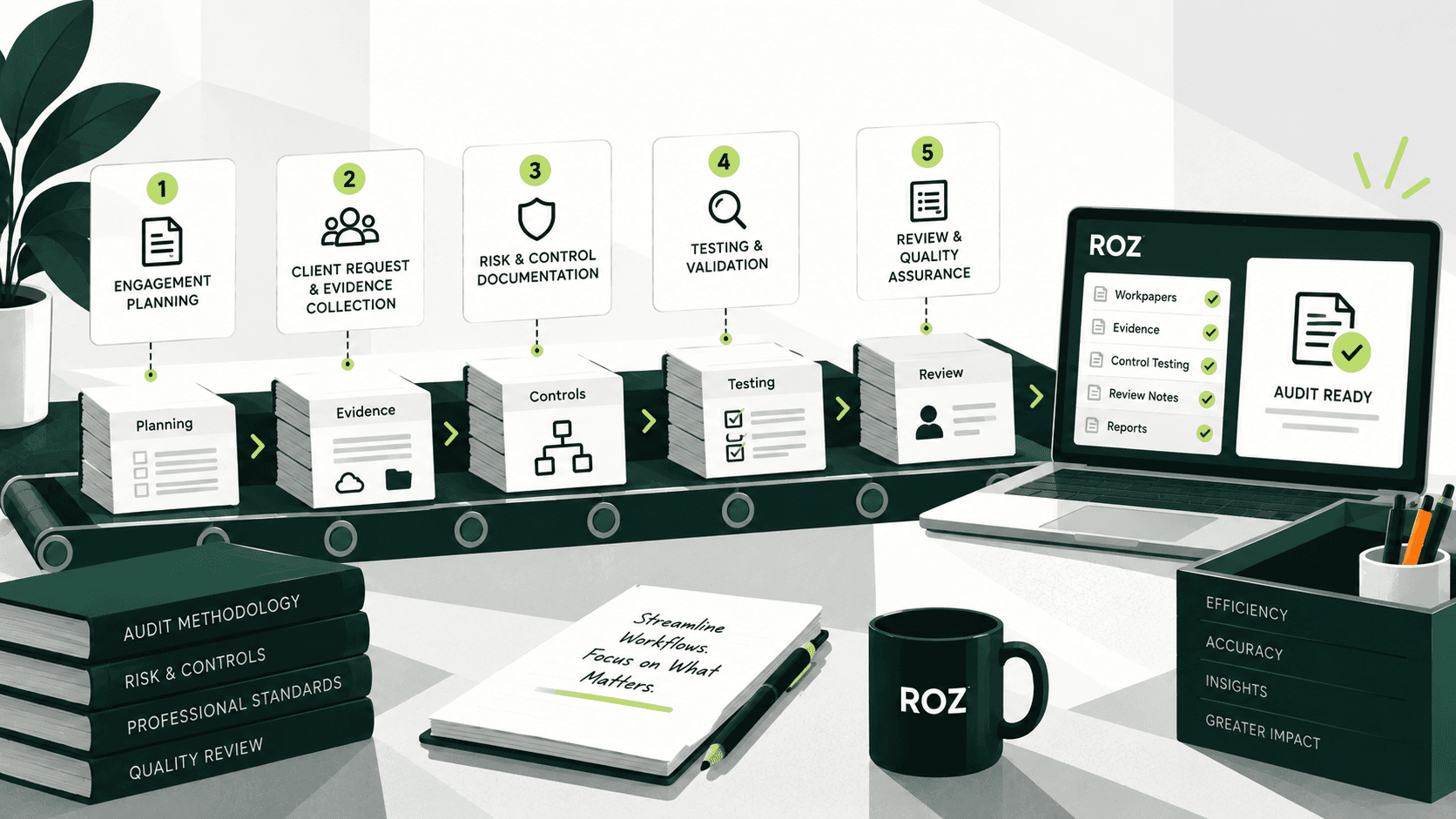
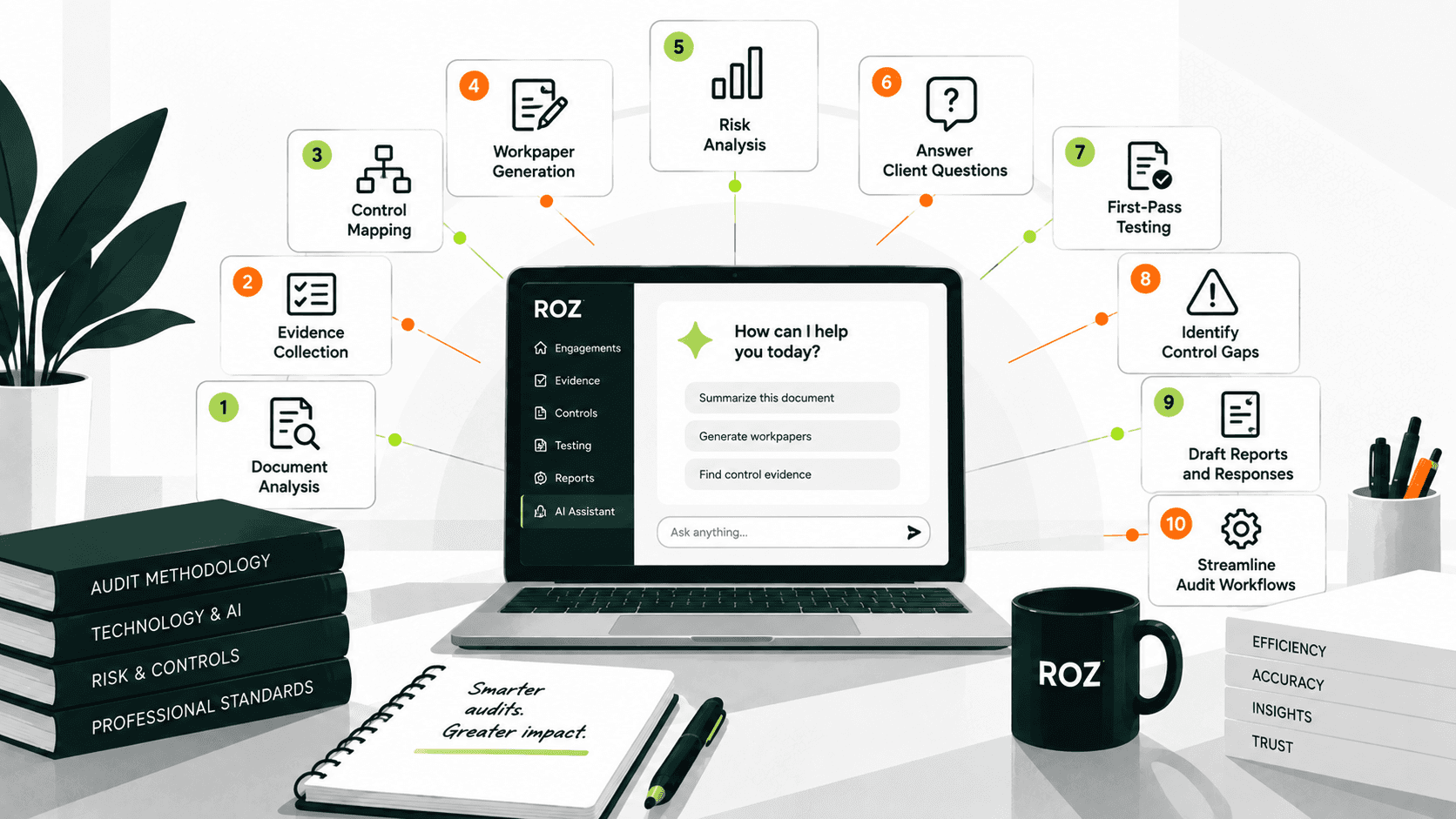
For CPA firms and advisory teams managing FedRAMP and SOC 2 engagements, manual documentation review and evidence organization can become time-consuming. Roz is an AI-native engagement and audit-delivery platform that helps teams structure these workflows more efficiently.
Roz acts as an intelligent enterprise data room, helping teams:
Centralize compliance documentation in secure, client-specific workspaces.
Organize evidence with traceability back to source files.
Extract controls and highlight potential documentation gaps for comparison against framework requirements.
Generate AI-assisted draft workpapers with audit trails.
Support readiness assessments and engagement workflows.
Roz supports audit readiness and documentation workflows without replacing auditors or formal assessment processes. By structuring documentation and supporting first-pass analysis, it helps teams manage large compliance engagements more consistently and efficiently.
Conclusion
When deciding whether to pursue FedRAMP or SOC 2 accreditation, you should keep your goals and target markets in mind. While both frameworks emphasize security assurance, they fulfill different use cases. SOC 2 is generally the best choice for SaaS businesses seeking commercial security assurance, while FedRAMP authorization is generally required for cloud service providers working with U.S. federal agencies.
Compliance programs can support customer trust and market access. Investing in the right security controls strengthens security governance and supports business growth. From here, owners and managers should evaluate their security posture and determine which framework best aligns with their business strategy and target market.