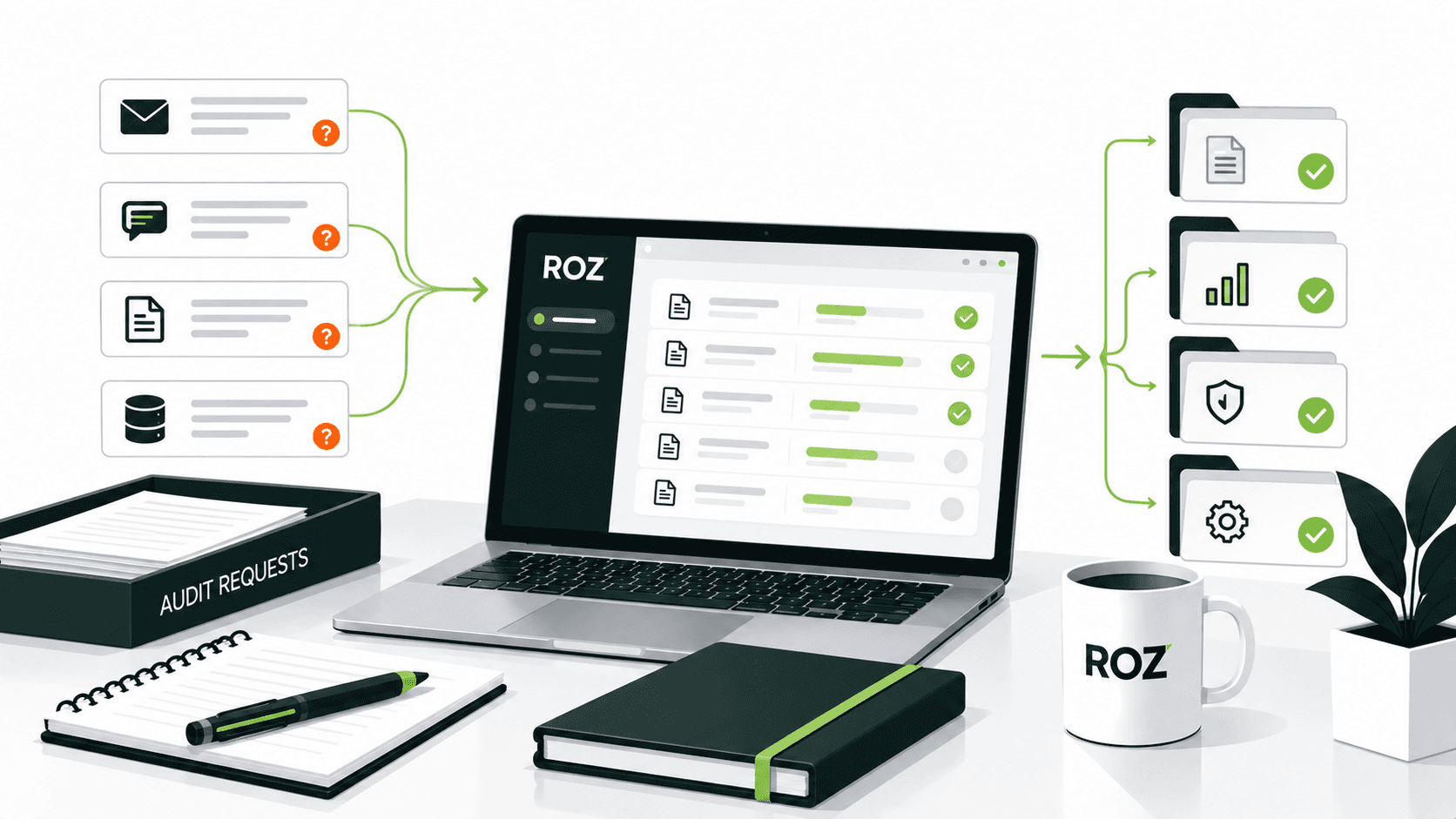
Managing audit evidence is straightforward when an engagement involves a handful of controls. Add multiple stakeholders, several systems, and tight review deadlines, and the process becomes significantly more complex. Evidence ends up spread across shared drives, email threads, and client portals. Reviewers find files without version labels. And by the time the audit wraps, the team spends more time locating, organizing, and validating evidence than analyzing it.
In this article, I will explain what audit evidence tracking is, why it matters, and the specific practices that help auditors stay organized and inspection-ready across the full engagement lifecycle.
What Is Audit Evidence Tracking?
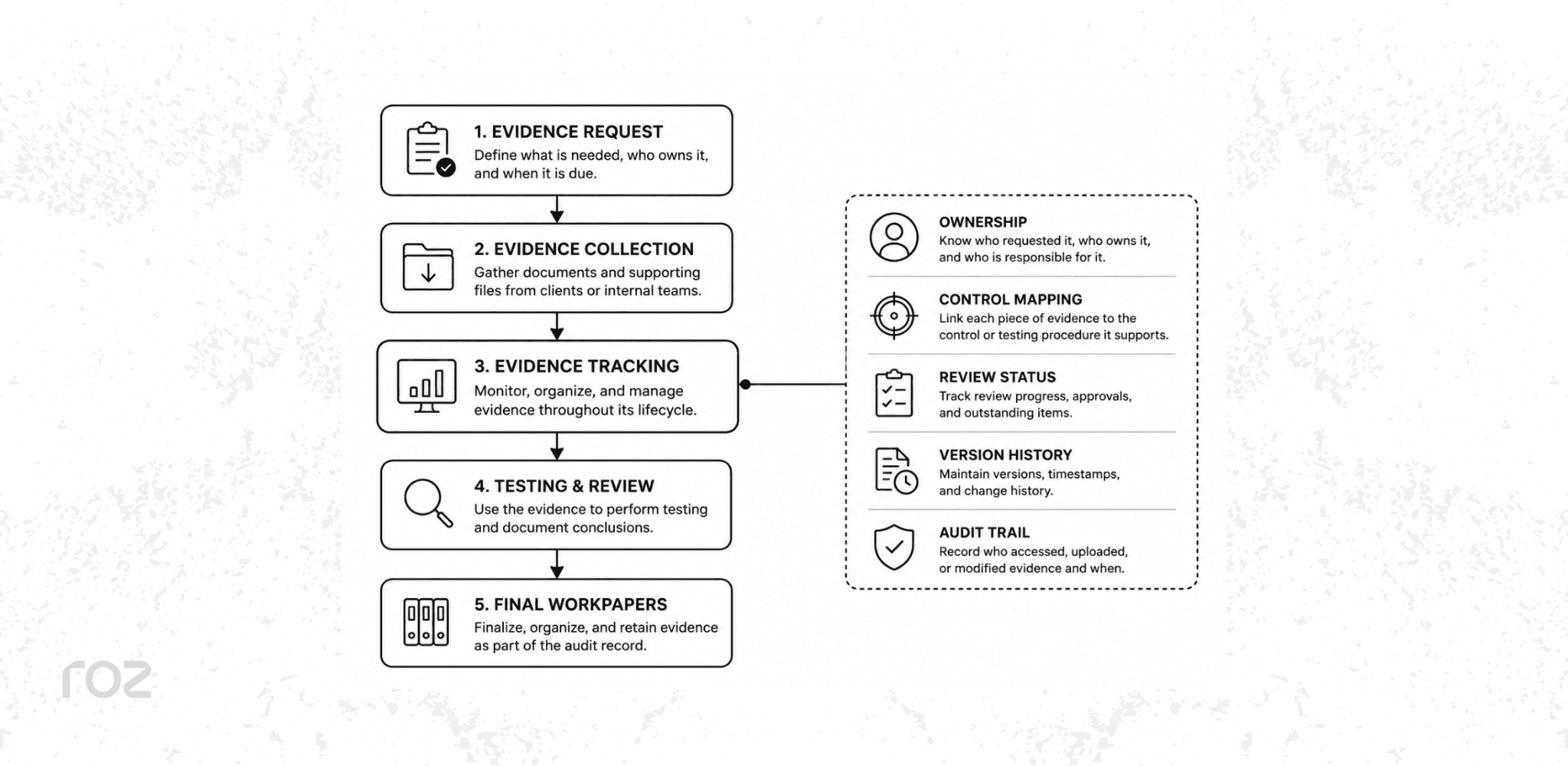
Audit evidence tracking is the structured monitoring of documents, approvals, records, and supporting files used to support conclusions about whether financial transactions and controls are complete, accurate, and authorized. It covers the full evidence lifecycle, from the initial request through collection, review, and final disposition.
The distinction between collecting evidence and tracking evidence matters here. Collection is the act of gathering documents, pulling a system-generated report, requesting a policy, or downloading an access listing. Tracking is what happens around that document: who requested it, who owns it, when it is due, whether it has been reviewed, and which control or testing procedure it supports.
Without tracking, evidence collection produces a pile of files. With tracking, it produces a more organized, traceable, and well-supported audit record.
Types of Audit Evidence Commonly Tracked
The types of audit evidence depend on the specific engagement; however, there are some common categories across SOC 2, ISO 27001, SOX, and similar frameworks:
System-generated reports: Access listings, configuration exports, activity logs, and exception reports.
Policies and procedures: Information security policies, HR procedures, change management policies, and other governance documentation.
Screenshots and configuration evidence: Documentation demonstrating the implementation of control settings within systems and applications.
User access listings: Records showing system users, roles, and privilege levels.
Change management records: Change requests, approvals, testing documentation, and deployment tickets.
Supporting calculations and reconciliations: Account reconciliations, management estimates, schedules, and supporting calculations.
Third-party confirmations: Vendor assessments, independent reports, certifications, and attestation letters.
All types of evidence need to be linked to the control they support, have an owner assigned, and need to be tracked to completion of the review.
Common Audit Evidence Tracking Challenges
Evidence Stored Across Multiple Locations
Evidence is almost never consolidated. Clients often provide evidence through emails, shared drives, client portals, collaboration platforms such as SharePoint, and cloud storage services. When evidence is scattered, audit teams spend more time locating documentation than performing audit procedures, increasing the risk that important evidence will be overlooked.
Missing Links Between Evidence and Controls
Evidence that is not linked to a control or test has little value for an audit. When conducting a review or inspection, an auditor must show that a particular piece of evidence supports a particular conclusion. In the absence of this link, reviewers may identify documentation deficiencies, requiring additional effort to establish the relationship between the evidence and the associated control.
Version Control Issues
Documents that have multiple versions and are sent with new file names or have no version names create ambiguity about which document was used to conduct the test. This scenario is especially common when clients send updated versions of reports or policies midway through an engagement.
Manual Follow-Ups and Status Tracking
In the absence of a request workflow, tracking evidence leads to status tracking logs, reminder emails, and a lot of follow-up. Manual tracking creates additional administrative effort and increases the risk that follow-up activities will be delayed or overlooked.
Incomplete Audit Trails
Inspections of evidence are quality assured when it can be shown who and when evidence was uploaded, reviewed, and approved. Otherwise, reviewers have less visibility into the evidence lifecycle, making inspections and quality reviews more difficult.
Key Components of an Effective Audit Evidence Tracking Process
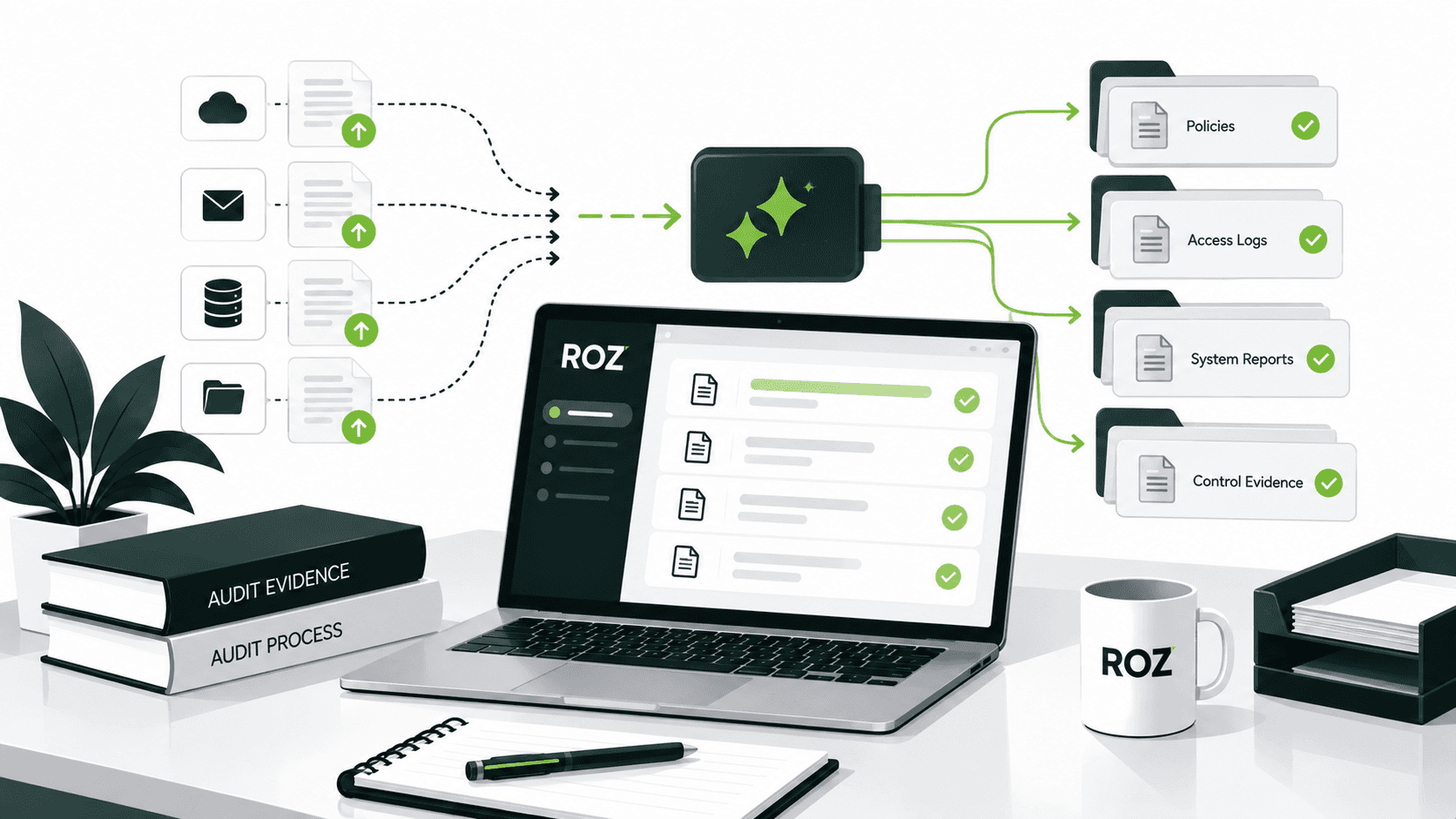
Centralized evidence repository: All evidence should be documented in a single location that is file-structured by client name and organized by audit period and control. Centralized evidence repositories reduce the time spent locating and managing evidence and allow the entire audit team to see what evidence has been collected or is still outstanding.
Evidence-to-control mapping: Each piece of evidence should be linked to a control, identified risk, or test. Evidence mapping facilitates a review process by linking audit conclusions to supporting evidence.
Evidence request management: Well-defined evidence requests reduce unnecessary back-and-forth communication to clarify requests. Well-defined requests state what is required, the evidence format, who is responsible for providing the evidence, and the evidence request deadline.
Version history and audit trails: To mitigate the risk of evidence loss, there should be a record of evidence along with the date and time of the record change and the name of the person that made the change.
Review and approval workflows: Reviewer sign-offs should be documented within the evidence record itself along with any notes or exceptions. Escalation paths for missing or insufficient evidence help ensure that gaps are addressed.
Evidence retention and documentation policies: Retention policies vary by type of engagement. PCAOB standards generally require registered public accounting firms to retain audit documentation for seven years following the report release date. Adherence to retention policies is a key aspect of an audit evidence tracking system.
Audit Evidence Tracking Throughout the Audit Lifecycle
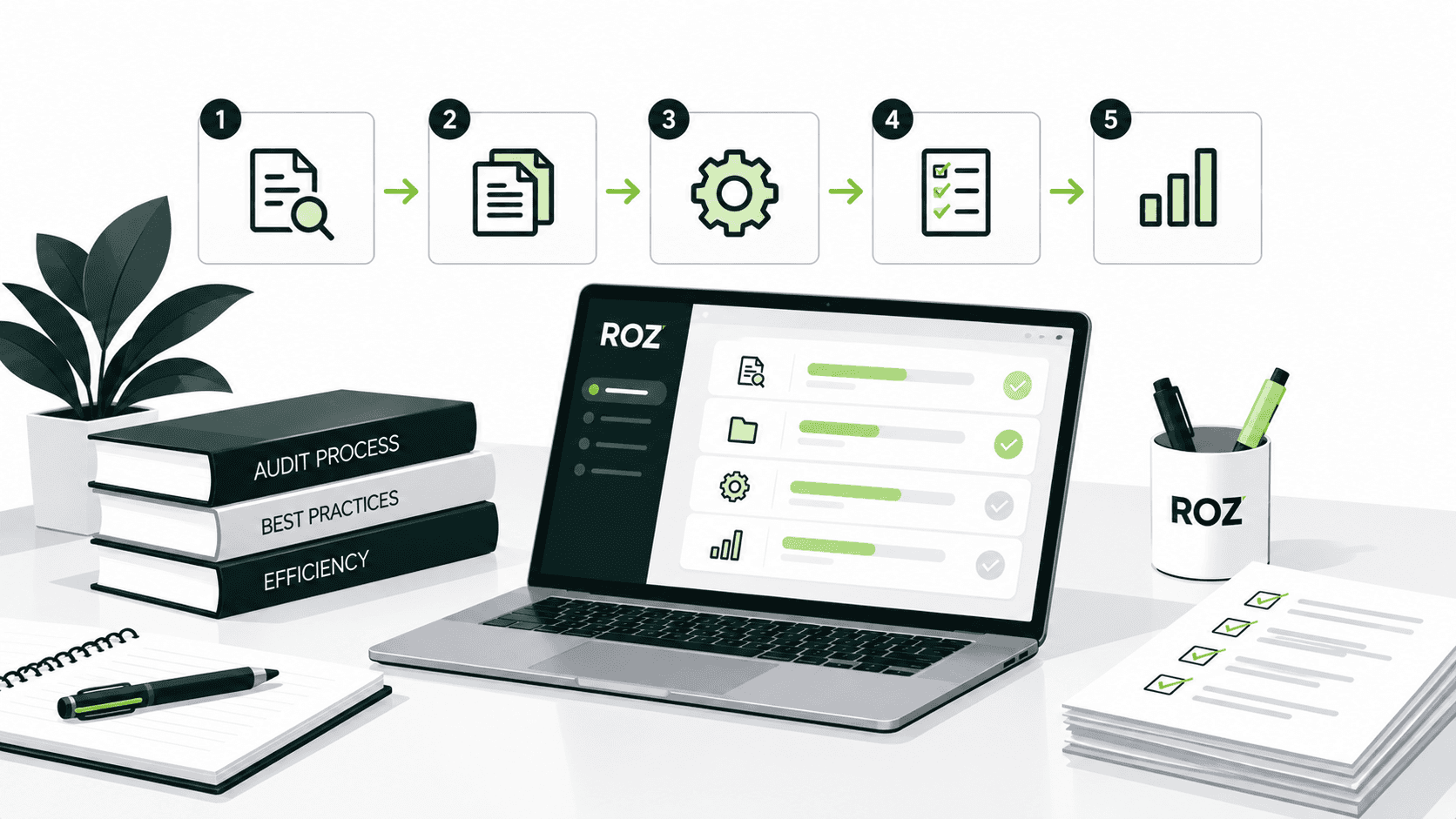
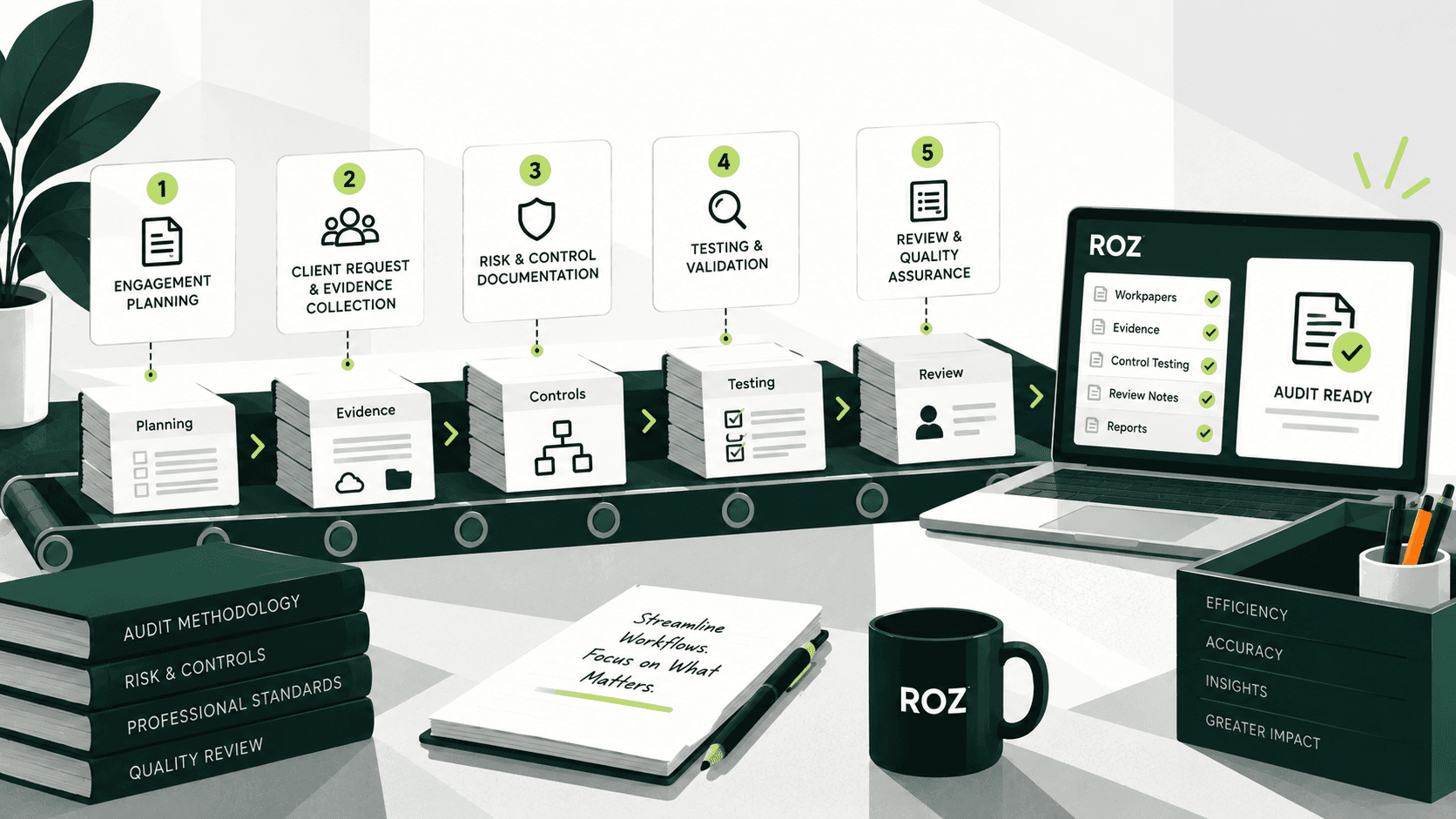
Planning phase: Auditors determine the evidence needed for each control and each procedure, stipulate document requirements, and prepare evidence requests. Preparing evidence requests early helps reduce delays during evidence collection.
Evidence collection phase: Requests are sent to either the client or to internal teams, and the status of requests is monitored. As evidence files are received, they are organized and linked to the respective controls in preparation for testing.
Testing phase: Evidence is linked to each test procedure, exceptions are noted, and conclusions along with evidence are documented in the workpaper.
Review phase: Evidence is assessed for completeness and sufficiency, and the links are reviewed. If insufficient evidence or documentation gaps are identified, they should be addressed prior to finalizing the workpaper.
Reporting and retention phase: Workpapers are completed, evidence is retained in accordance with established policies and requirements, and the workpapers are organized in a manner that will assist future audits and inspections.
Best Practices for Audit Evidence Tracking
Use Standardized Naming Conventions
Using consistent naming structures means evidence can easily be located and reviewed. Using a naming structure that identifies the client, the period, the control reference, and the document type means reviewers do not have to spend unnecessary time identifying files.
Link Evidence Directly to Controls and Assertions
Every control and assertion should have evidence linked to it. Doing so aids in traceability and supports more defensible audit conclusions during inspections without the need to reconstruct the evidence.
Document in Real Time
Evidence should be recorded immediately to reduce the risk that evidence is omitted and improve accuracy. The recording of evidence is time efficient and allows a complete and well-supported audit to be maintained.
Assign Clear Ownership
Each evidence request should be assigned a name that is responsible for submitting the evidence request. This encourages accountability and improves time efficiency.
Maintain Version Controls and Audit Trails
Each evidence request should have a record of who accessed and modified the files. This record aids in the quality assurance process and provides the necessary documentation during inspections.
Evaluate Evidence Sufficiency Before Review
Evidence should be assessed prior to reaching the review stage to reduce work time. Before evidence is submitted for review, auditors should assess evidence to determine if it is sufficient and appropriate for the objective. Early evidence assessment should be done to determine if evidence is relevant, reliable, and complete and if it is consistent.
Use Standardized Templates and Workpapers
Incorporating templates ensures uniformity across various engagements and team members. A consistent structure in workpapers aids reviewers in efficiently locating necessary information within files. It also accelerates the ability of new staff to make contributions.
How Roz Supports Audit Evidence Tracking
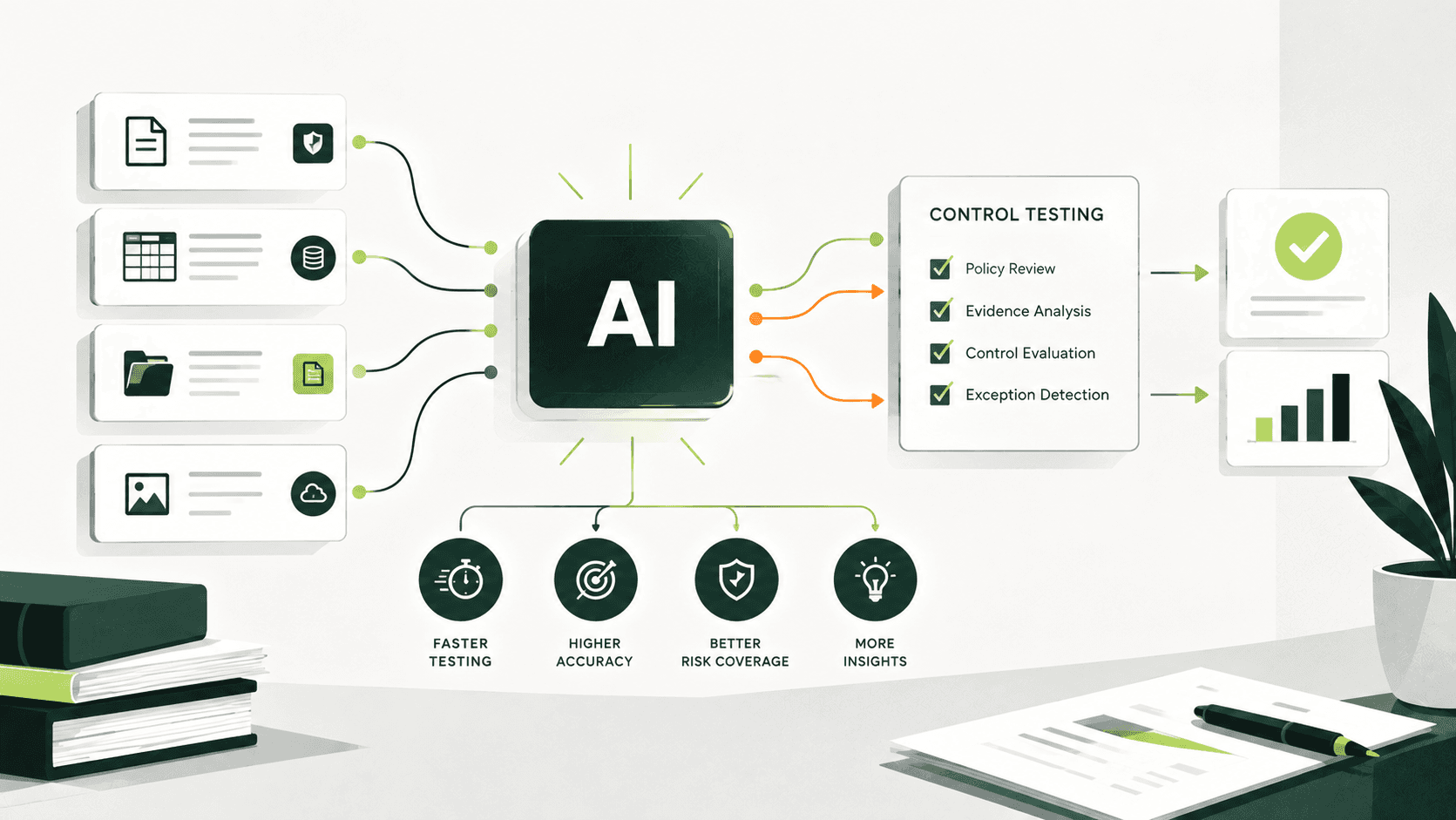
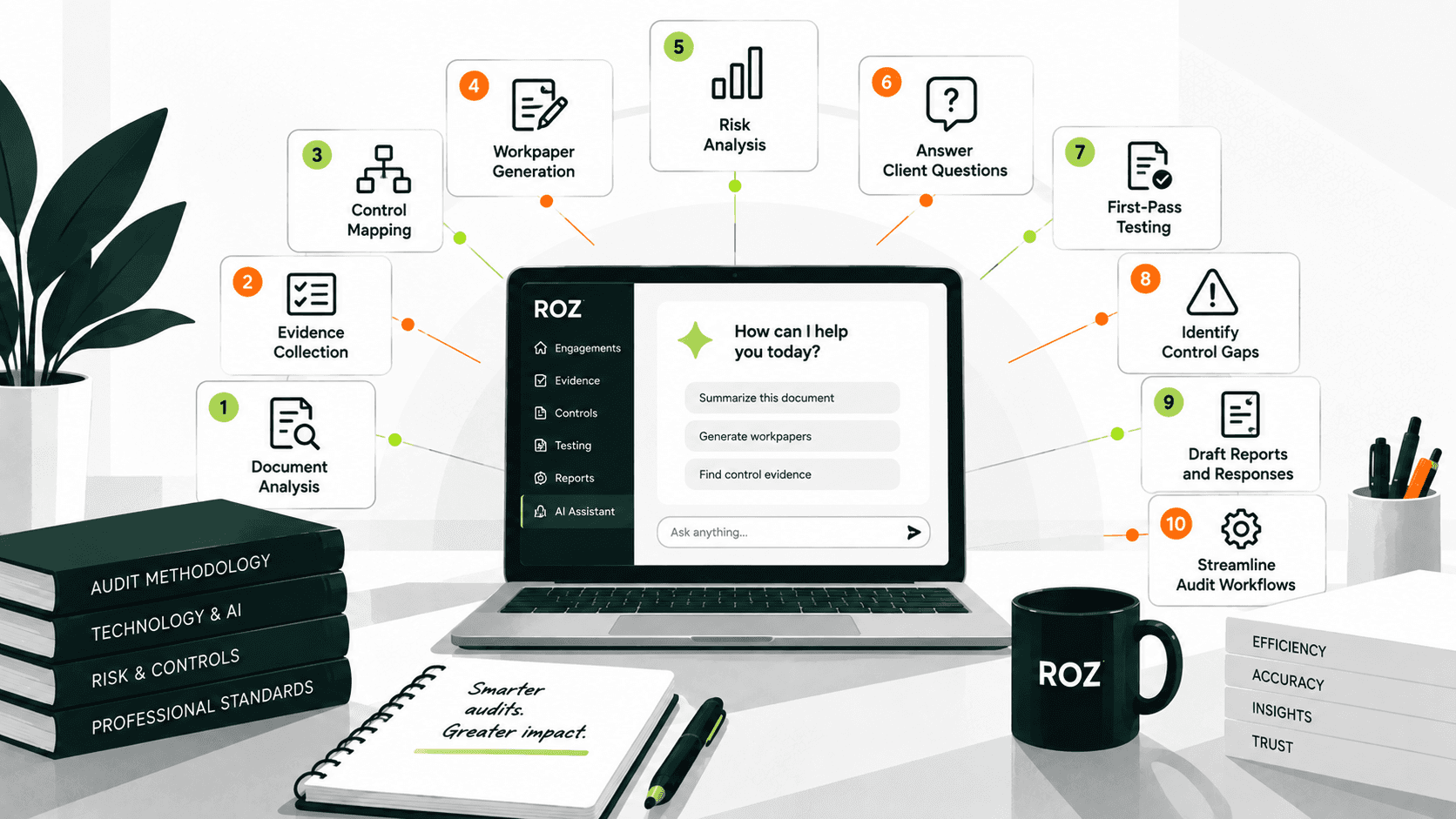
Roz is an AI platform built specifically for external audit and advisory firms. It helps teams accelerate evidence collection, perform readiness assessments, and execute control testing while keeping auditor judgment at the center of every engagement.
For audit evidence tracking, Roz can help firms:
Organize evidence in secure, client-specific workspaces.
Maintain traceability with source-linked documentation and audit trails.
Support evidence sufficiency reviews by surfacing potential documentation gaps.
Generate AI-assisted first-pass workpapers from firm-approved templates.
Improve visibility into evidence requests, review status, and engagement progress.
By keeping documentation organized and traceable, Roz helps firms streamline evidence management and reviewer workflows. Professional judgment, testing conclusions, and final audit opinions remain the responsibility of the engagement team.
Conclusion
Audit evidence tracking is not a documentation task that happens at the end of an engagement. It is an ongoing process that runs from planning through final reporting, and the quality of that process directly affects audit quality, review outcomes, and inspection readiness.
The practices in this guide, centralized repositories, evidence-to-control mapping, real-time documentation, clear ownership, and structured review workflows, work together to create a traceable, defensible audit record. For firms looking to scale these practices, AI-assisted platforms like Roz can help reduce manual effort and improve traceability while keeping auditor judgment at the center of the engagement.
Frequently Asked Questions
What challenges do auditors face when managing audit evidence?
Common problems are disparate systems that contain evidence elements, unlinked evidence and controls, difficulty tracking the latest version of documents, and incomplete evidence trails that do not indicate who assessed or accepted an evidence item.
How do auditors assess whether evidence is sufficient and appropriate?
Evidence is evaluated for its relevance, reliability, and sufficiency. Evidence is relevant if it pertains to the control or risk being evaluated. Evidence is reliable if it is sourced from a trustworthy source and remains unchanged. Evidence is sufficient if it provides detailed information supportive of the conclusion. If evidence is not sufficient, relevant, or reliable, then the auditor is required to extend the test.
What is the difference between audit evidence tracking and audit documentation?
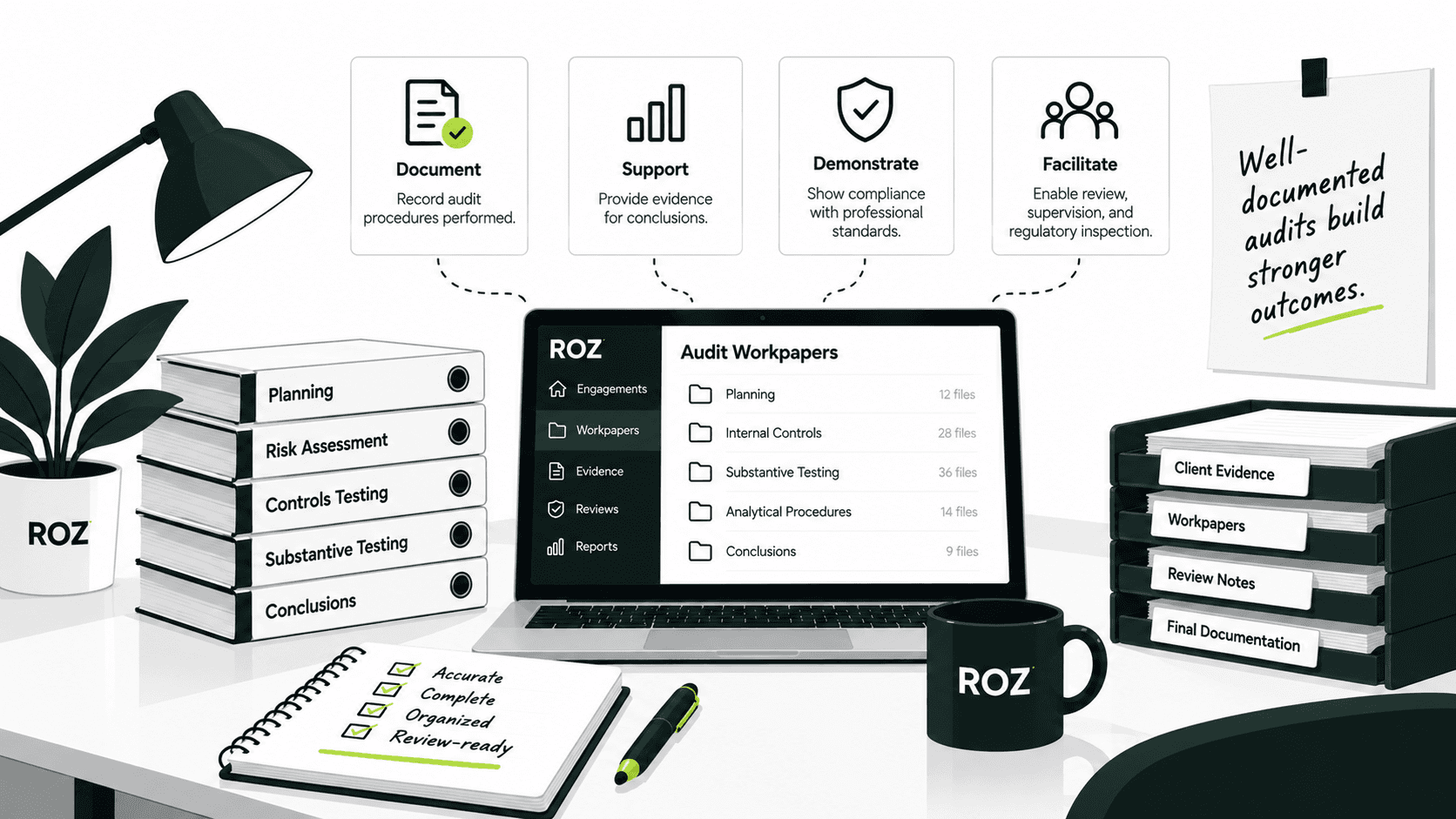
Audit documentation is the entire compilation of workpapers and documents supporting the engagement record. Tracking audit evidence is the functional process of tracking individual pieces of evidence, what has been requested, the current owner, and the evidence’s relationship to the control.
What should an audit evidence repository include?
Each evidence item should contain the file name, version control, linked control, the date it was submitted, the owner, notes from the reviewer, and a trail of evidence showing who accessed the item and what activity was performed and when.
How does evidence-to-control mapping improve audit quality?
Evidence-to-control mapping connects the document and the relevant control. This connects the control to the evidence, thereby allowing review teams to verify the conclusion in a much quicker time. This also identifies documentation gaps and missing evidence in the early stages of the engagement.