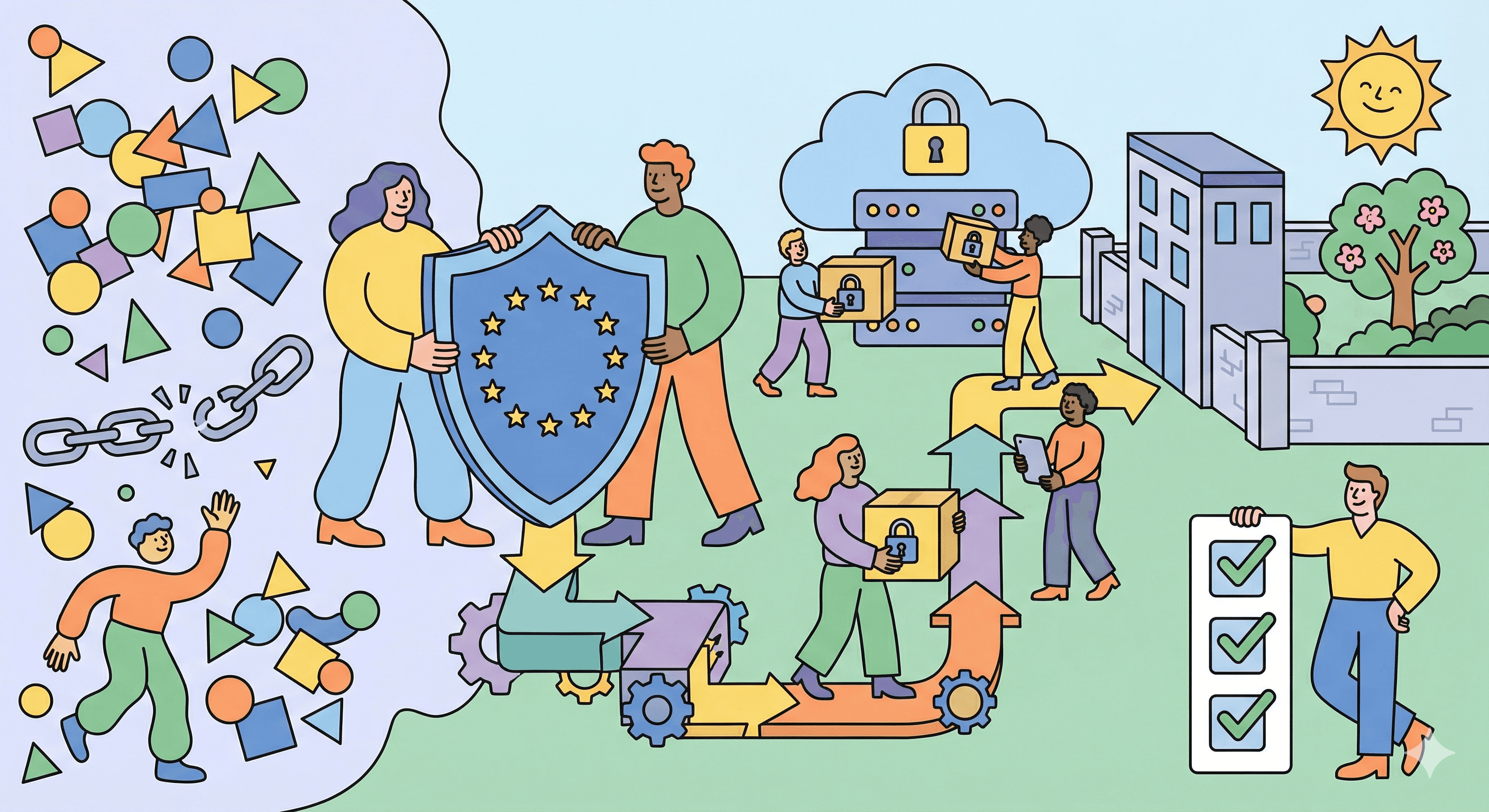
Navigating global data privacy regulations often feels like learning a new language. As expectations for data protection continue to rise globally, companies frequently struggle to keep up with multiple overlapping privacy laws.
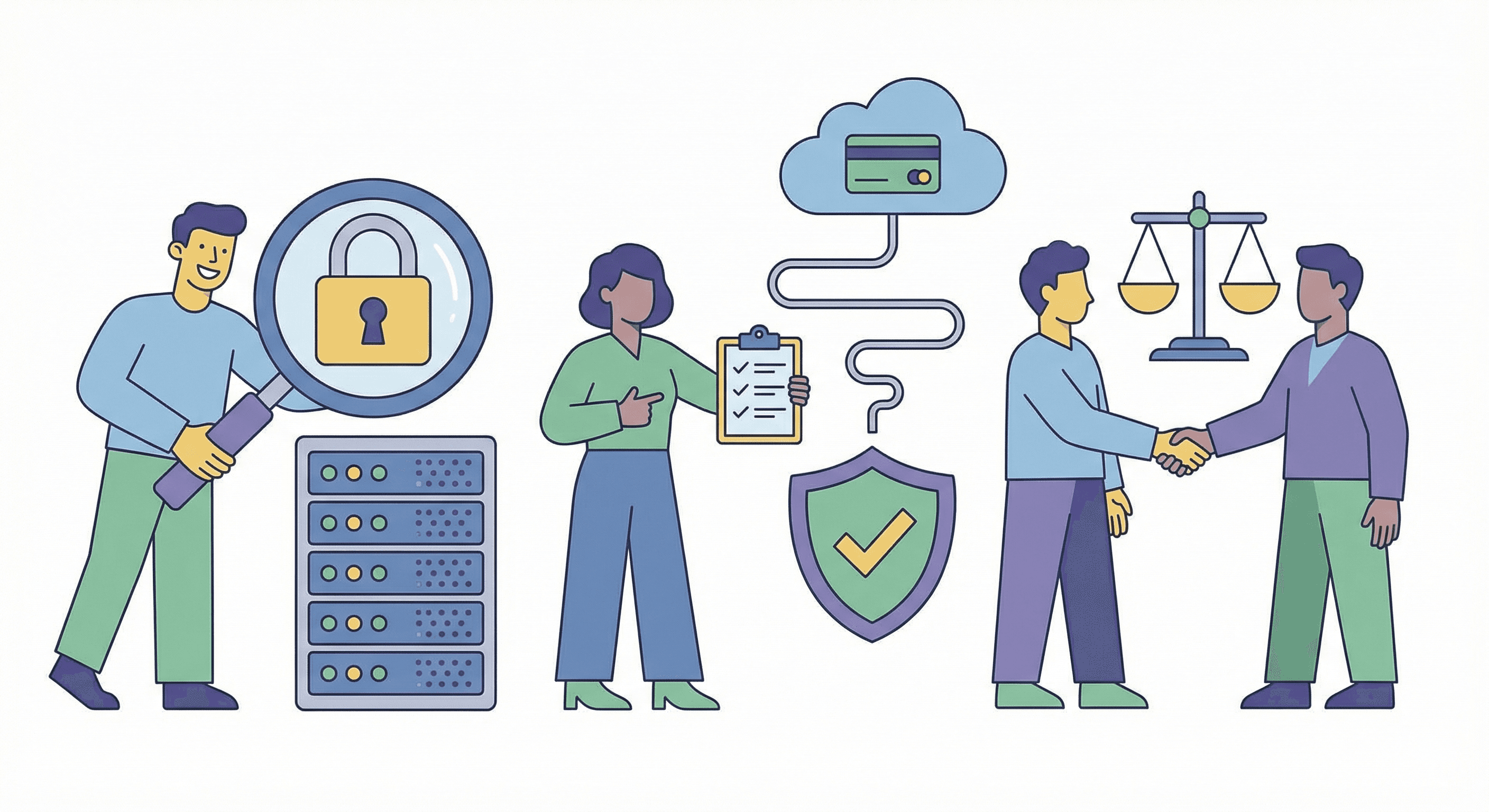
Depending on where users are located, companies must manage personal data according to varying regulatory requirements. Depending on where your customers live, the local laws require different types of locks, distinct warning signs, and specific ways to hand those items back when asked. For global companies, the confusion typically centers around two major frameworks: the California Consumer Privacy Act (CCPA) and the General Data Protection Regulation (GDPR).
Understanding CCPA vs GDPR compliance helps you build a more trustworthy relationship with your users while supporting regulatory alignment and reducing compliance risk.
In this article, I will walk you through the key differences, applicability, compliance challenges, and best practices to help you manage these critical privacy laws.
What is CCPA Compliance?
In simple terms, CCPA compliance grants consumers specific rights over how businesses collect, use, and share their personal data.
The California Consumer Privacy Act (CCPA), which became effective January 1, 2020, was the first major data privacy statute enacted in the USA. It was amended by the California Privacy Rights Act (CPRA), which gives more data control to people and more data privacy protection to the people of California.
CCPA Compliance Requirements
The CCPA outlines a number of consumer privacy requirements that companies must adhere to, including:
Privacy notice requirements: Clear disclosures about what data you collect and why.
Data access requests: When a consumer requests access to their data, companies must provide it within the defined regulatory timeframes.
Right to delete personal data: Workflows must be established to allow people to submit requests for the deletion of their data.
Do Not Sell or Share option: Businesses must provide clear and accessible mechanisms for consumers to opt out of the sale or sharing of personal data.
Consumer request handling: Within consumer requests, most companies must work to respond to them within defined regulatory timeframes and in a maximum of 45 days (this may be extended within the scope of law).
CCPA Consumer Rights
Under this framework, California customers hold specific rights regarding their personal data:
Right to know: Consumers can learn what data is collected about them and why.
Right to delete: Consumers have the right to request the deletion of their personal data, although there are some business and legal exceptions.
Right to opt-out: Consumers may opt out of selling or sharing their personal information with third parties.
Right to correct: Consumers may request correction of their inaccurate personal information (new under CPRA).
Right to non-discrimination: Companies may not refuse to sell or provide services or to offer lower prices to consumers who take advantage of their privacy rights.
What is GDPR Compliance?
GDPR compliance refers to adhering to the General Data Protection Regulation, one of the most comprehensive privacy frameworks globally.
It applies to the personal data of individuals in the EU and European Economic Area (EEA). Even though the GDPR is a European Union regulation, it has what is known as an extraterritorial scope. That means that if you're outside of the EU, you have to comply with the GDPR if you:
Sell products and services to EU customers.
Analyze the activities of data subjects in the EU.
Process personal data of individuals located in the EU in connection with offering goods/services or monitoring their behavior.
GDPR Compliance Requirements
To ensure that your company is in keeping with the regulations, building a GDPR requirements checklist may prove useful. Some key obligations are as follows:
Lawful basis for processing: Companies must identify a lawful basis, such as consent, contract, legal obligation, or legitimate interest.
Data protection impact assessment (DPIA): In certain high-risk processing scenarios, organizations may be required to conduct a DPIA. Separately, some companies may also be required to appoint a Data Protection Officer (DPO).
Data breach notification: Data breaches that are found to be of a certain level must be reported to the supervisory authorities of the country within 72 hours of discovery.
GDPR Data Subject Rights
The GDPR grants EU residents extensive control over their personal information through specific rights:
Right to access: Customers have the right to obtain copies of their data.
Right to erase: Customers have the right to request that their data be permanently deleted (commonly referred to as the "right to be forgotten").
Right to rectify: Customers have the right to request the modification of their data (such as the records that may be inaccurate or incomplete.)
Right to restrict processing: Customers may request limits on how their data is processed.
Right to data portability: Customers may request their data to be provided in a format that is clear, structured, and machine-readable, so they may transfer the data to another service provider.
Right to Object: Customers may object to certain processing activities, such as direct marketing.
CCPA vs GDPR: Key Differences
When looking at CCPA vs GDPR differences, the easiest way to understand them is by comparing their core features. While they share similar goals, their approaches differ significantly.
Feature | GDPR | CCPA |
Region | EU and EEA | California |
Consent Model | Opt-in | Opt-out |
Applicability | Broad, applies to most businesses processing EU data | Threshold-based (revenue or data volume) |
Penalties | Higher (up to €20 million or 4% of global turnover) | Moderate (up to $7,500 per intentional violation) |
Data Rights | Extensive and prescriptive | Highly consumer-focused |
DPO Requirement | Required in specific scenarios | Not required |
Major Differences Explained
Looking at the CCPA vs GDPR analysis, some clearly defined operational differences are apparent for companies:
Consent requirements: GDPR requires companies to have a lawful basis for processing the personal data, and consent is one of those. In such cases, the consent must be given freely, must be unambiguous, and must be specific and informed (this is the “opt-in” model). In contrast, the CCPA generally focuses on opt-out rights rather than requiring prior consent for data collection. The focus is not on consent; rather, the focus is on the consumer having the right to opt out of their personal information being sold or shared.
Scope of applicability: GDPR is applicable to almost all entities that target individuals in the EU, regardless of their location. The CCPA is applicable to a limited set of entities: only to for-profit businesses that have met certain revenue or data processing thresholds.
Data processing requirements: GDPR requires entities to identify a specific lawful basis prior to processing the data. In contrast, the CCPA primarily focuses on empowering consumers to control specific data collection and its various uses.
Enforcement mechanisms: GDPR has independent supervisory authorities in each member state of the EU. EDPB coordinates enforcement. CCPA has the California Privacy Protection Agency (CPPA) and the California Attorney General for enforcement. Consumers have a limited ability to enforce data breach laws by suing, except for certain types of breaches.
Penalties: GDPR imposes extremely high penalties that are based on global revenue. CCPA penalties are designed based on violations, but these can be very high based on the number of affected users.
Key Similarities Between CCPA and GDPR
Despite their differences, a CCPA vs GDPR comparison reveals several shared privacy principles. Both frameworks emphasize transparency, accountability, and individual control over personal data. Companies working toward compliance with both regulations often encounter overlapping requirements, including:
Right to Access: Under both privacy frameworks, consumers hold the right to request and receive the personal data a company holds about them.
Right to Deletion: Customers retain the right to request the deletion of their personal information under both CCPA and GDPR. Deletion rights, but they come with legal and operational exceptions due to certain regulatory obligations or contractual requirements.
Transparency: Both frameworks mandate privacy policies to inform individuals about the collection and usage of their data.
Consumer and Data Subject Protection: Both privacy frameworks serve to enhance consumer and data subject protection and advocacy. The primary objectives of these frameworks are to strengthen investigative oversight of companies' treatment of customers and to enhance protection of consumers' privacy rights.
Accountability: Both hold companies responsible for data protection. GDPR is more explicit about the distinct responsibilities of data controllers and processors. Under GDPR, data controllers and processors are clearly delineated. Under CCPA, business owners are required to control their service providers and contractors with regard to data protection.
Why Similarities Matter
Understanding the overlap between CCPA and GDPR is crucial for designing a unified privacy program in lieu of a separate compliance framework for different privacy laws. Focusing on the common requirements enables you to build a global privacy framework that transcends borders.
With this unified strategy, you can:
Reduce compliance complexity
Improve operational efficiency
Strengthen data governance
Streamline audits and assessments.
With respect to these shared principles, you are also better situated to respond to evolving privacy regulations, as most of them are based on the same fundamental data protection principles.
CCPA vs GDPR Compliance: Who Do the Laws Apply To?
Figuring out which law applies to your company depends on the location of your users, how your company processes personal data, and the data protection regulations in question. Many companies will need to meet both requirements.
GDPR Applies to:
Companies based in the EU or EEA
Companies selling products to customers in the EU
Companies monitoring customers' online behavior in the EU.
Most importantly, the GDPR will apply to you even if your company is located in the US and you collect customers' personal data from the EU.
CCPA Applies To:
The CCPA applies to for-profit businesses that do business in California and meet at least one of the following conditions:
Have an annual revenue greater than $25 million (this is adjusted for inflation).
Handles personal data for 100,000 or more customers or households in California.
Has more than 50% of their annual revenue from selling or sharing personal data.
When Companies Must Comply With Both
Many global companies may need to comply with both regulations, particularly those operating as SaaS providers, technology companies, e-commerce platforms, or cloud service providers with users in both regions.
CCPA vs GDPR: Which One is More Strict?
Many people ask this question, and while both are robust and strict, GDPR is often considered more prescriptive due to broader applicability, higher penalty thresholds, and more extensive documentation requirements. For non-compliance, it requires more documentation.
Why GDPR is Considered More Strict
GDPR is applicable to almost all sizes of companies. It contains higher possible financial penalties, more extensive documentation requirements, and a greater initial barrier to entry for companies due to the strict requirement of establishing a lawful basis prior to data processing.
Where CCPA is Unique
CCPA has its issues, despite GDPR being broader. The requirements for clear 'Do Not Sell or Share' opt-out buttons are unique to California. Additionally, the CCPA's emphasis on the commercialization of data means companies must carefully manage their third-party data sharing agreements.
Common CCPA and GDPR Compliance Challenges
When it comes to CCPA vs GDPR compliance, integrating your company practices can be challenging. Companies face various issues:
Data discovery challenges: Locating where personal data is stored across multiple systems, applications, and vendors.
Documentation complexity: Maintaining up-to-date records of policies and data processing activities.
Handling user data requests: Access management, deletion of data, modification and management of requests, and data correction requests within specified deadlines.
Managing third-party vendors: Ensuring subcontractors and software partners comply with privacy requirements.
Multi-region compliance requirements: Managing competing requirements of "opt-in" (GDPR) and "opt-out" (CCPA) compliance requirements.
Ongoing monitoring and audits: Keeping and managing effective controls as the company expands and the regulations to which the company must comply change.
Best Practices for CCPA and GDPR Compliance
When companies build effective governance and operational controls, privacy compliance is better achieved.
Data Inventory
Sensitive data will first need to be located and identified within the company as a whole. Understanding how data is captured, stored, and shared is important.
Implement Privacy Policies
Your company must be able to clearly disclose its data practices. Customer trust is central to the policies and practices, which is more important than just complying with the framework.
Automate Compliance Workflows
Completing privacy tasks manually can be time-consuming and difficult to scale. Automating key compliance workflows helps companies handle requests more efficiently and maintain consistent documentation. For example, tools designed for privacy management can help manage data access requests, deletion requests, and other regulatory obligations. Similarly, compliance-focused platforms can help organize documentation, track activities, and keep records audit-ready.
By using structured workflows and automation, companies can reduce manual effort, improve consistency, and maintain better visibility into privacy compliance activities.
Conduct Risk Assessments
Evaluate the possible impact on personal privacy every time a new product or feature is released. Companies should implement appropriate safeguards based on risk to protect consumer data from unauthorized access.
Monitor Compliance Continuously
Privacy laws are always changing, and complying with them takes effort. System audits and vendor agreement audits should be scheduled. Compliance laws should dictate updates to privacy policies.
How Roz Supports CCPA and GDPR Engagements
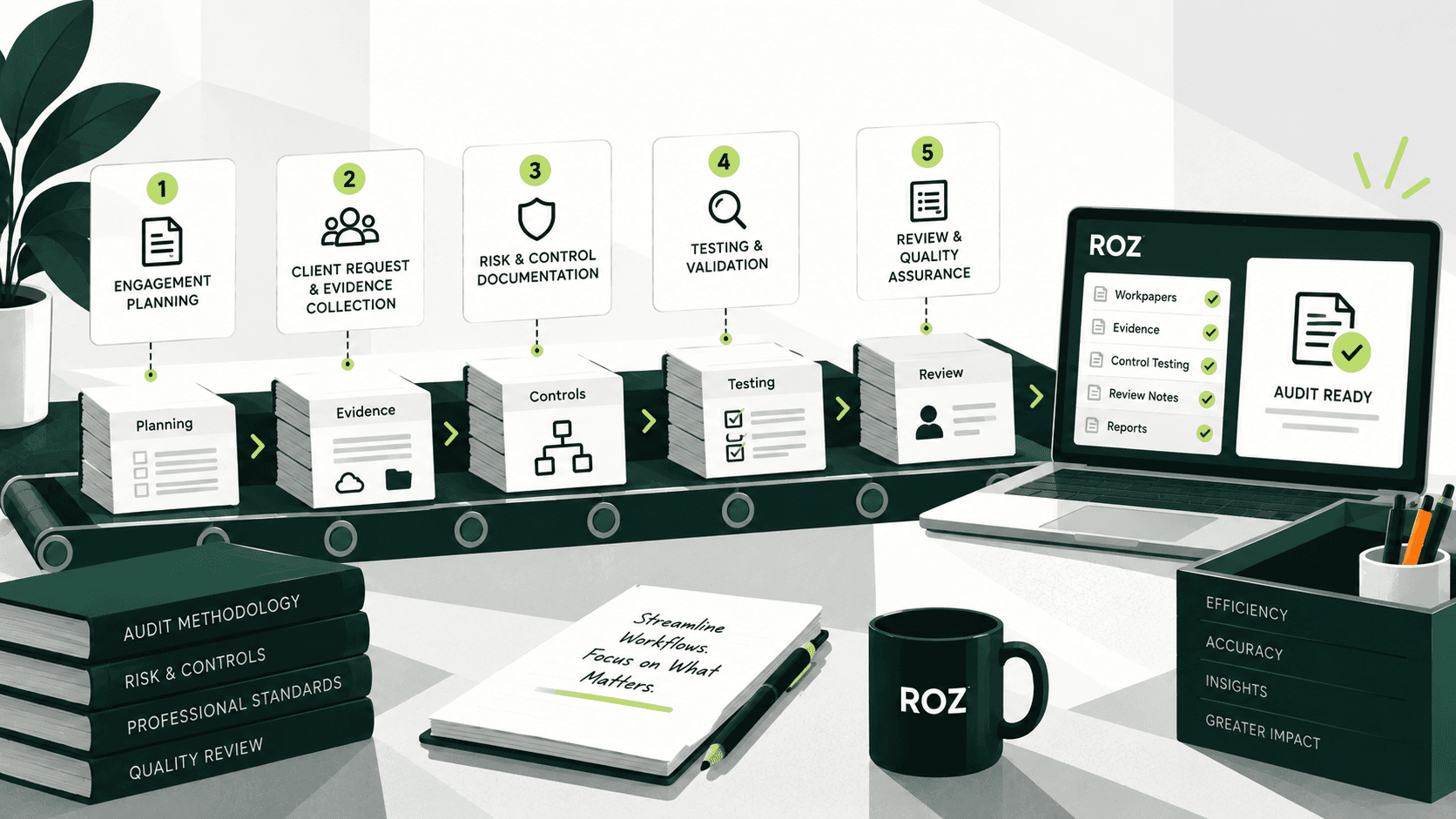
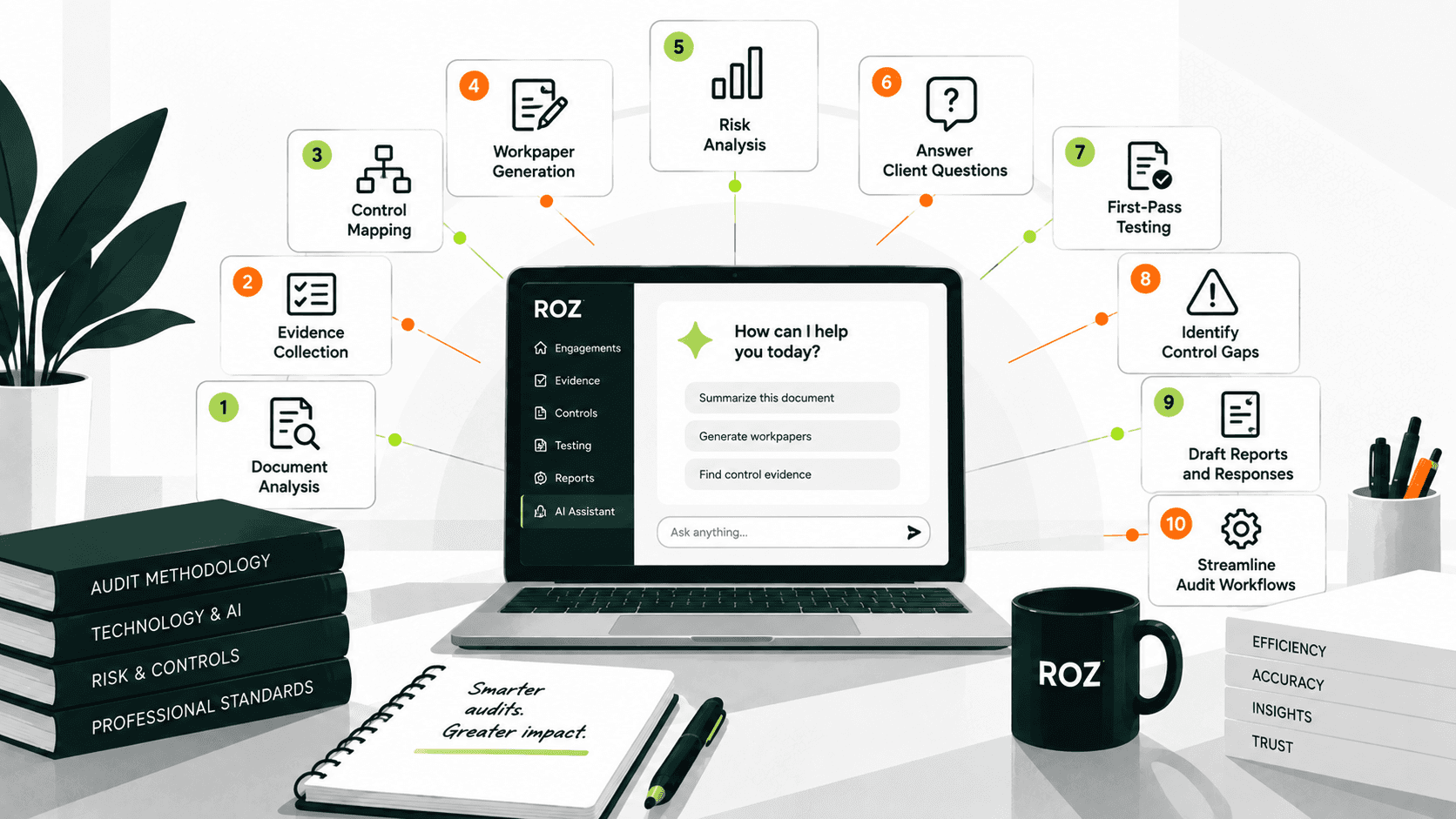
Privacy engagements like CCPA and GDPR can quickly become documentation-heavy and difficult to manage. Our tool supports CPA firms and advisory teams by providing a structured, AI-native workspace for delivering privacy and compliance engagements.
Think of Roz as a centralized engagement workspace. With Roz, teams can:
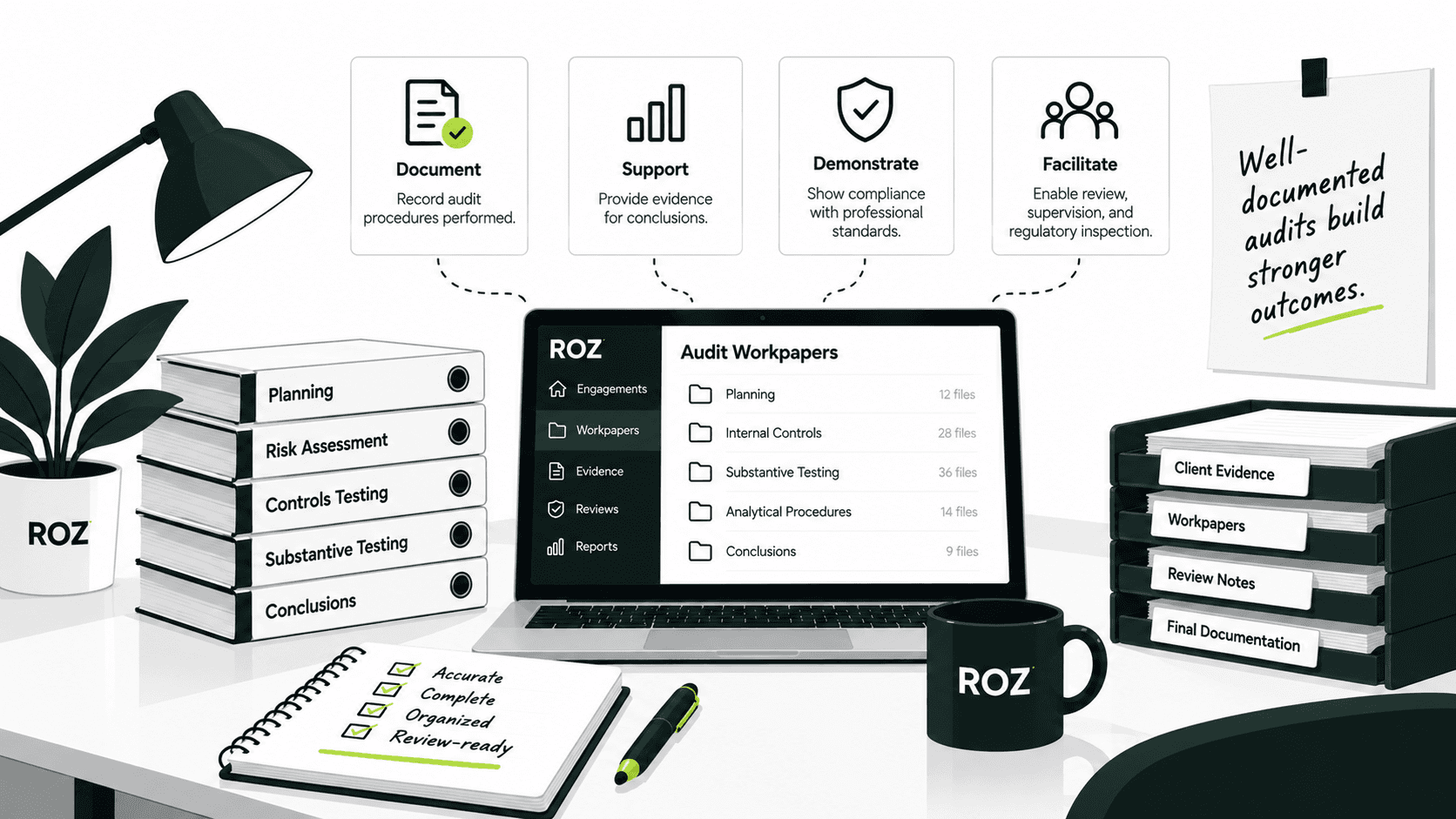
Centralize compliance documentation in client-specific workspaces.
Organize evidence with clear traceability.
Extract controls and highlight documentation gaps.
Generate draft workpapers with audit trails.
Use risk and control views to structure engagements.
By centralizing documentation and analysis, Roz helps teams deliver CCPA and GDPR engagements with greater efficiency and consistency.
Conclusion
Both CCPA and GDPR provide individuals with rights over personal data, though GDPR generally offers broader and more prescriptive data subject rights for personal data and aims to protect personal data. GDPR, however, offers a much wider scope of control to data privacy across the EU, while CCPA gives less control and focuses only on privacy rights for California consumers.
Because of international operations, many companies will be required to comply with both laws. Establishing adaptable privacy systems and compliance procedures will help meet compliance obligations and contribute to sustainable data governance.
I hope you have learned everything you need to know about CCPA vs GDPR compliance.