Busy season is one of the most demanding periods for CPA firms and advisory teams. As deadlines compress and client requests multiply, evidence collection often becomes the primary bottleneck.
The frustrating reality is that most audit delays trace back to inefficient evidence gathering. Auditors spend hours chasing documentation and resolving incomplete submissions, with a significant portion of their time spent on administrative coordination rather than actual audit work. According to AICPA & CIMA, CPAs routinely work 50 to 80 hours per week during these peaks, much of it due to these administrative burdens.
In this article, I will explain why evidence collection breaks down during busy season and outline seven practical steps your team can take to accelerate the process. It also explores how modern audit platforms are changing the way firms approach evidence gathering.
Why Does Audit Evidence Collection Slow Down During Busy Season?
More engagements, with fewer audit resources, make busy season the most demanding time for an audit team. During busy season, an auditor must engage with several stakeholders, respond to requests for evidence, and manage the time constraints of multiple test procedures.
Some common causes of evidence collection problems include:
Growing audit volumes: More engagements result in more “provided by client” requests and more demands on the same team.
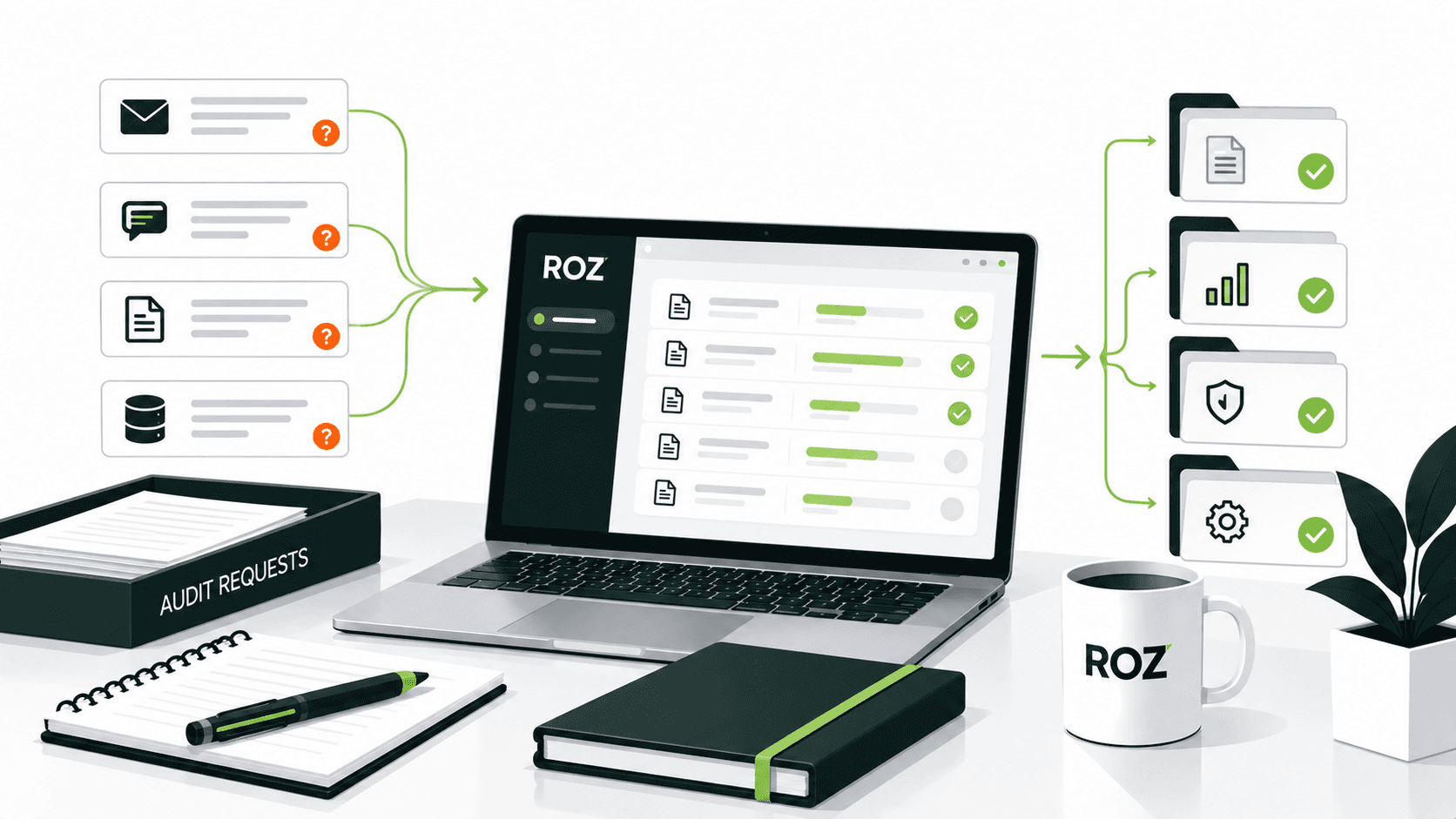
Manual request processes: Manual evidence requests result in the inability to track submitted evidence, missing items, and evidence that changes.
Scattered evidence: The required evidence is often spread out across multiple HR, cloud, ERP, and other corporate applications.
Unclear evidence requests: More competing priorities lead to evidence that may be submitted late or provided in incomplete formats.
Delayed client responses: Evidence request fulfillment is not a priority for many stakeholders.
Busy season often exposes evidence collection bottlenecks that firms must address to maintain engagement efficiency. This is not an easy improvement in operations. Avoiding delays and maintaining engagement momentum often requires improvements to evidence collection processes.
What Are the Hidden Costs of Slow Evidence Collection?
Increased Administrative Effort
As the timeline for evidence collection drags on, audit teams have to spend extra time on administrative tasks such as follow-ups, tracking the current status of evidence, and organizing and validating evidence. This process takes time away from performing testing and analysis.
Shortened Review Timelines
Submitting evidence late can cause a chain of delays for the entire engagement. If evidence is submitted late, the testing deadline will not allow enough time for the reviewing team to complete the evidence evaluation and testing, creating additional time constraints for both the audit team and the client.
Lower Engagement Efficiency
Evidence collection processes that lack efficiency slow the overall engagement and complicate resource allocation. Frequent evidence collection requests, along with a lack of evidence or status updates on those requests, increase the amount of coordination effort required to complete the audit.
Client Experience Deterioration
If the evidence collection processes are inefficient and evidence requests are repetitive, the client becomes frustrated. If audit stakeholders are being contacted multiple times for the same piece of evidence, or if they are being contacted for evidence with no status on the evidence, this increases audit fatigue. Streamlining evidence collection improves stakeholder communication and increases audit engagement effectiveness.
What Is Audit Evidence, and Why Does Quality Matter?
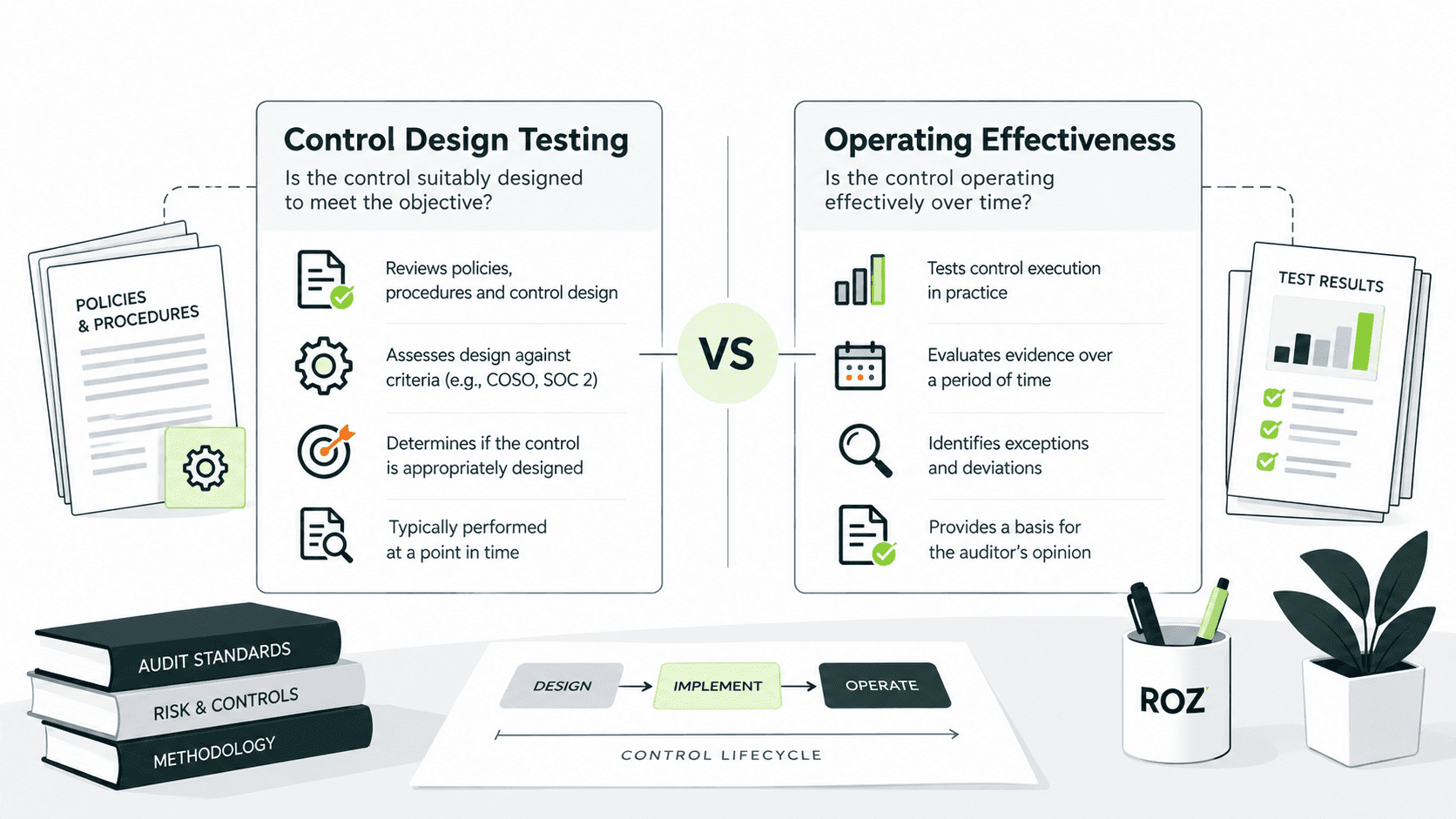
Audit evidence comprises the documents collected by auditors to make judgments about the effectiveness of controls and includes policies and procedures, system-generated reports, recorded transactions, and logs.
The quality of evidence is important as it allows auditors to defend their conclusions. Poor or insufficient evidence forces auditors to perform additional tests, increasing the likelihood of additional testing requirements and engagement risk.
Common examples by audit area:
Audit Area | Common Evidence |
Access Management | User access reports |
Change Management | Approval and change records |
IT Operations | Backup and monitoring logs |
HR Controls | Onboarding and offboarding records |
Financial Controls | Invoices and reconciliations |
7 Ways to Collect Audit Evidence Faster During Busy Season
1. Standardize PBC Request Templates
Firms that have clearly and consistently structured request templates tend to have clients that are more likely to provide complete responses on the first request. The structured request must clearly specify the format, the time period, and the systems and the people that are responsible for the requests. When audit teams clearly define requirements, clients are more likely to provide complete responses the first time.
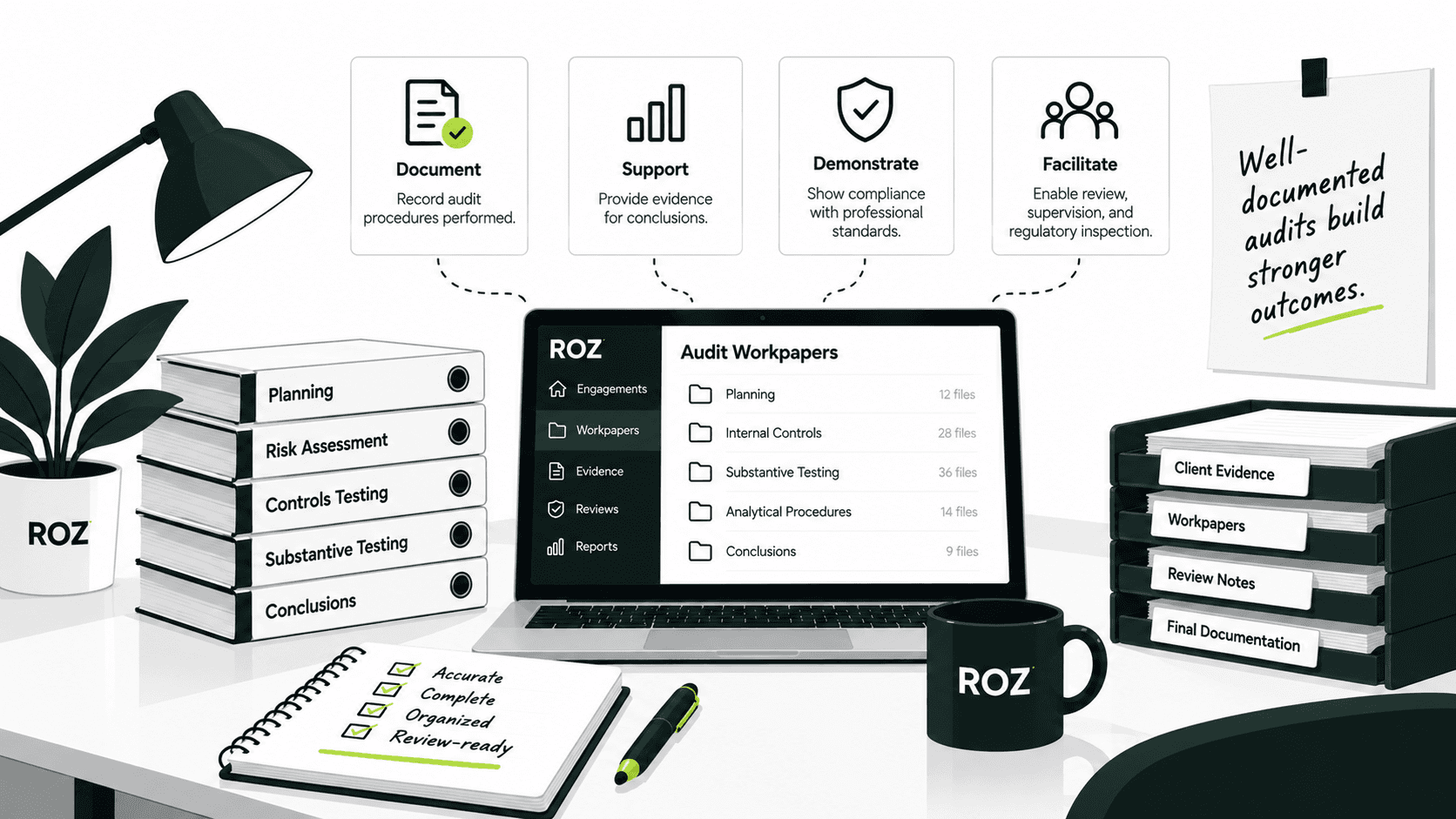
2. Create a Centralized Evidence Repository
Having a single location for all files for a given engagement minimizes time spent searching for files, makes access for reviewers easy, and removes time wasted collecting files that have already been submitted. Teams often submit the same evidence multiple times or work with outdated evidence.
3. Prioritize Requests by Audit Risk
Certain evidence has a higher collection or testing priority than others. Focusing first on high-risk and key control and process evidence ensures that even if certain supporting evidence is outstanding, testing for those elements can still be completed. Prioritizing evidence collection by risk ensures that the higher-risk audit areas are not delayed by peripheral supporting documentation.
4. Automate Client Follow-Ups
Of all the tedious components of evidence collection, manual reminders for evidence submissions take the most time. Submitting status-based automated follow-up reminders shifts the time-consuming manual reminders to the automated system. This solution lets the auditors focus their time on more important parts of the job than tracking the status of outstanding evidence.
5. Reuse Evidence Across Frameworks
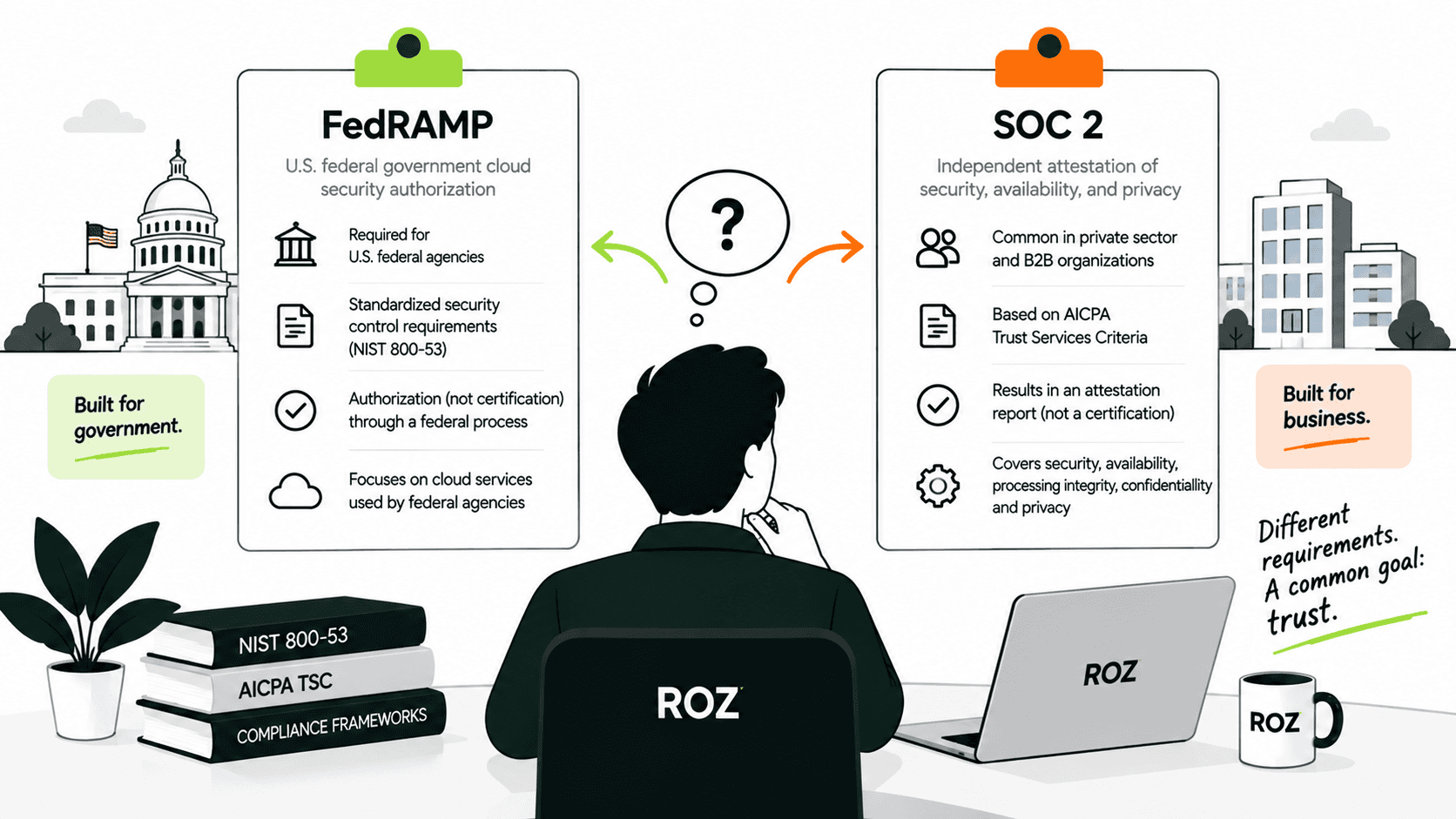
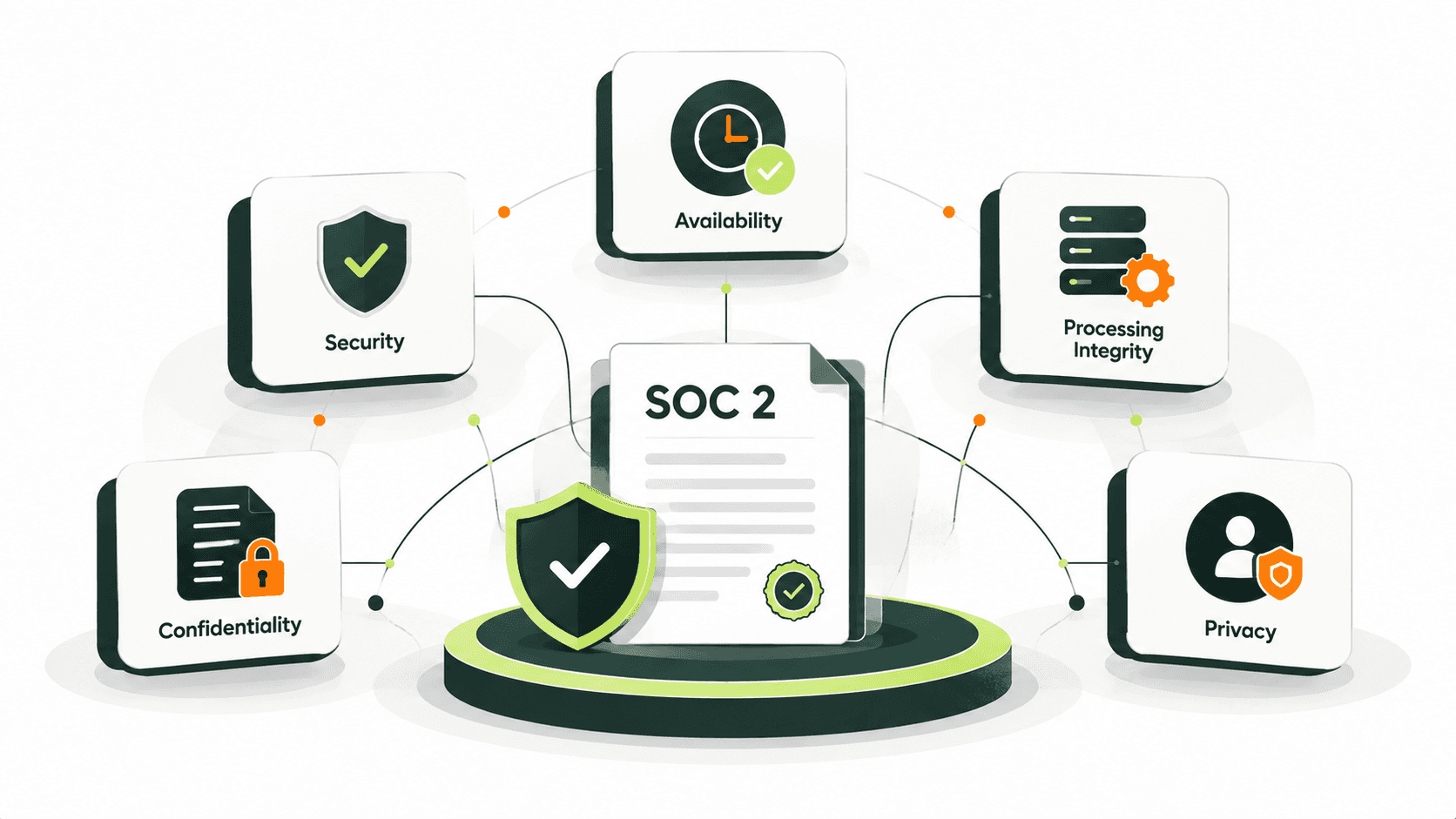
When a firm works on multiple frameworks, like SOC 2, ISO 27001, SOX, and CMMC, among others, the evidence requested for each framework is often the same. If a firm aligns multiple frameworks early on in the process, the firm’s evidence collection team only needs to collect a single piece of evidence for each framework.
6. Integrate Directly With Source Systems
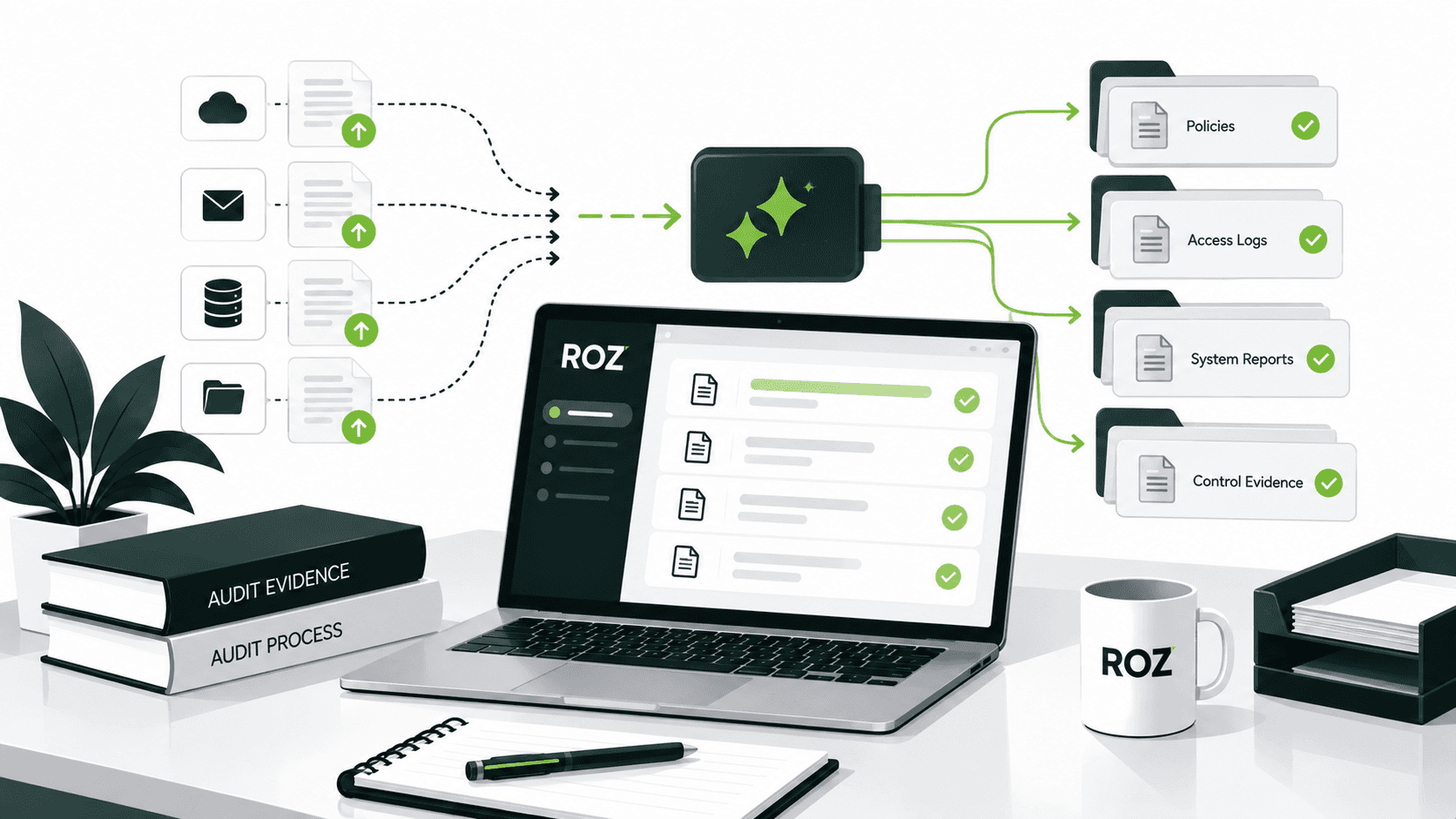
Evidence can sometimes be integrated directly from the sources, rather than being collected from clients. Integration with identity providers, cloud platforms, HR systems, and ERP platforms can provide and remove steps needed for the collection of evidence and mitigate the chances of receiving incomplete or formatted submissions.
7. Use AI to Accelerate Evidence Review
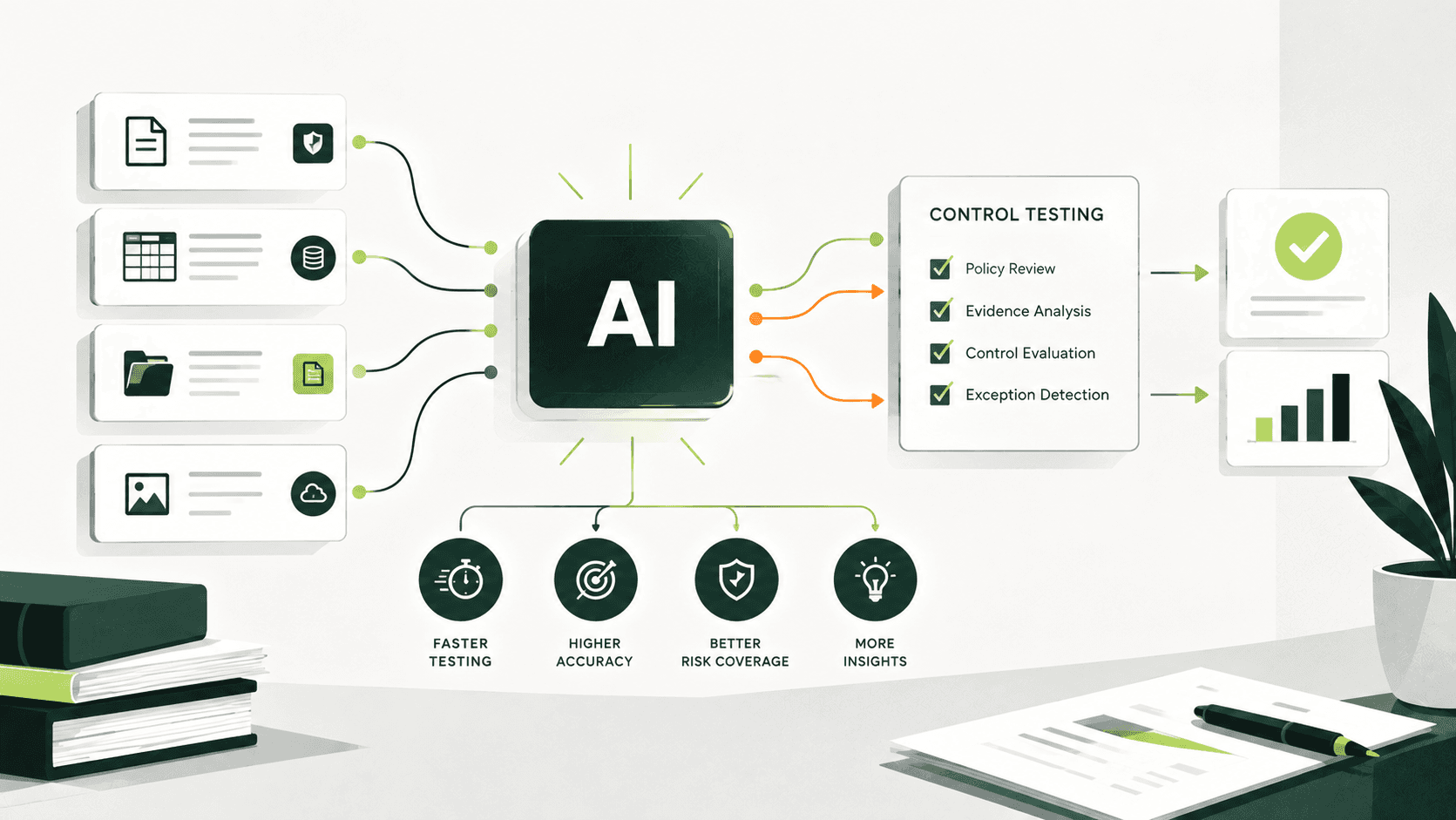
AI tools will provide a broad range of services. Among others, these tools will be able to classify multiple evidence submissions, extract and interpret evidence for specific control requirements, and identify potential evidence gaps. This will enhance the auditor's role by removing the mechanical process and allowing auditors to focus on higher-value analytical activities.
How AI Is Changing Audit Evidence Gathering
From Periodic Requests to Continuous Collection
Traditional evidence collection follows a periodic cycle: request, wait, receive, organize, follow up. AI-native platforms make it possible to shift toward continuous or near-continuous evidence gathering, where documentation is collected, organized, and analyzed as the engagement progresses rather than in a compressed window before testing begins.
AI-Assisted Evidence Analysis
Beyond collection, AI can support evidence analysis by summarizing documents, categorizing submissions by control area, mapping evidence to relevant framework requirements, and surfacing potential exceptions for human review. These capabilities reduce the time between evidence receipt and testing readiness.
Population-Level Testing
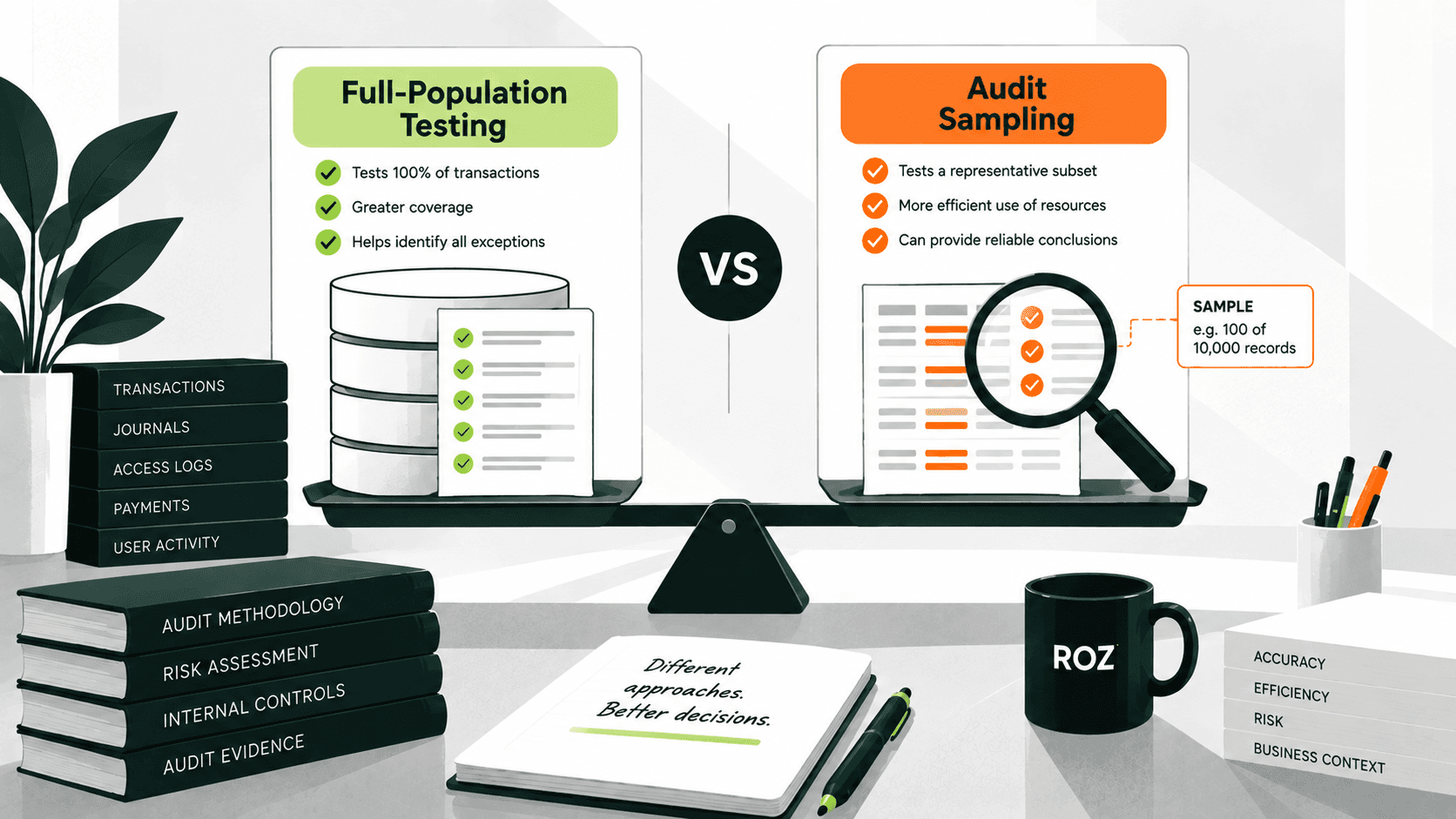
With structured, centralized evidence, firms can expand from sample-based to population-level testing for certain control categories. In some situations, broader coverage and faster exception identification can reduce reliance on sampling approaches.
Common Mistakes That Slow Evidence Collection
Evidence requests that lack detail result in incomplete responses. Requests must detail the system and format, the time period, and the owner for each item.
Evidence requests should be sent prior to fieldwork and not during. Evidence collection that is started late creates a compression of the entire timeliness for the engagement.
Evidence collection that relies on email requests creates tracking issues. Requests that have no structure or systematic way of tracking submitted, outstanding, or the latest and most current iterations of documentation are lost.
Evidence collection that relies on submitted duplicate documentation creates unnecessary bulk with no additional benefit. A well-constructed control library that aligns and maps control to evidence eliminates the need to request the same documentation multiple times.
Variability in engagement-specific evidence requests means audit teams often recreate evidence collection workflows from scratch. Greater standardization of templates, naming conventions, and document repositories across the firm means that the collection process for the firm is optimized and less burdened.
Audit Evidence Collection Checklist for Busy Season
Before Fieldwork Begins
Determine what evidence will be required to test each control and each test.
Create standard templates for evidence requests and PBC lists.
Determine client responsibilities and internal engagement roles.
Determine available reporting and export formats.
Define due dates for evidence and develop a plan for evidence collection.
Review prior years’ requests to determine what evidence may be reused.
During Evidence Collection
Keep track of who has submitted evidence and who still needs to submit.
Identify and escalate any delays.
Automate requests for evidence that are overdue.
Submitted evidence should be reviewed to identify gaps in collection.
Maintain version control and track submitted evidence.
Provide visibility to both audit teams and clients by regularly updating the status of requests.
Before Testing Starts
Confirm that all request evidence has been received.
Check the evidence for completeness and for being relevant and reliable.
Place evidence in the appropriate control area in the engagement workspace.
Reference evidence to the relevant controls and the procedures for testing.
Map supporting documentation in the RCM.
Recognize inadequate evidence and/or evidence that is lacking.
How Roz Helps Audit Firms Collect Audit Evidence Faster
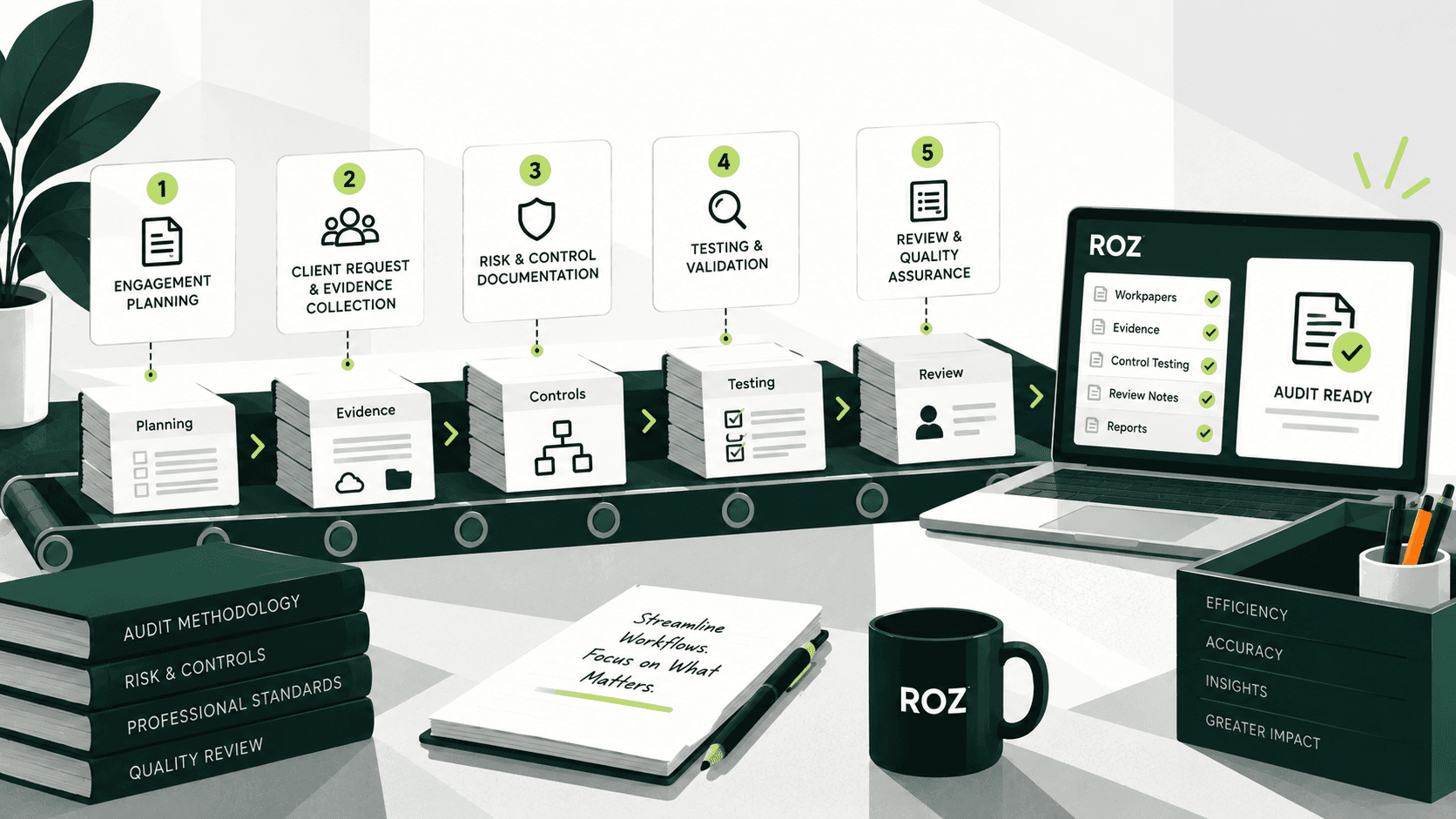
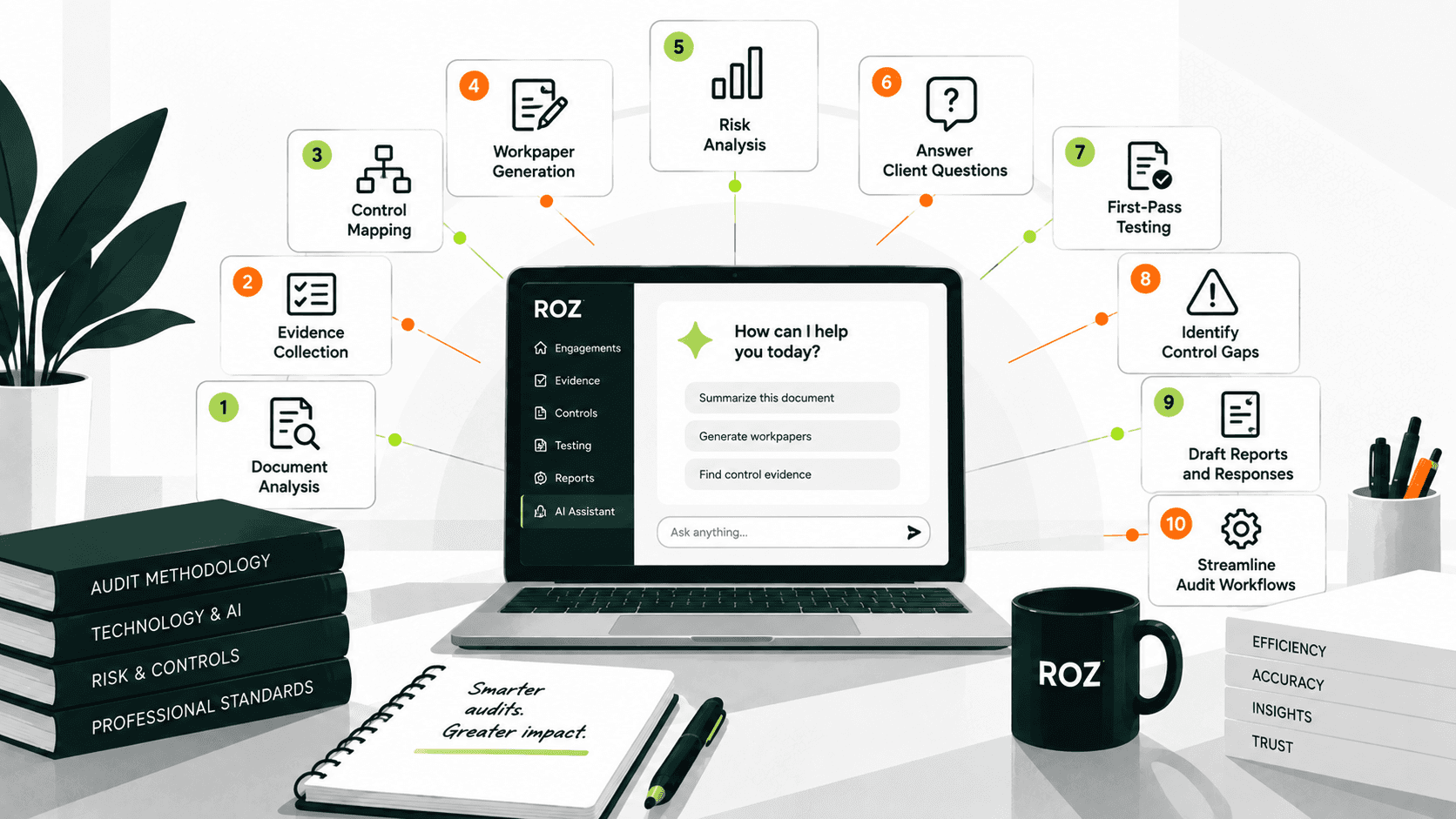
Roz is an AI-native engagement and audit-delivery platform that helps CPA firms and advisory teams streamline evidence-heavy audit workflows. Roz helps teams:
Centralize documentation and evidence in client-specific workspaces
Manage questionnaires and information requests more efficiently
Extract controls and identify potential documentation gaps
Support first-pass control testing and readiness assessments
Generate AI-assisted draft workpapers with audit trails and source links
Use risk and control matrix views to improve traceability and organization
Roz supports audit readiness and engagement workflows without replacing auditors. Professional judgment, review, and validation remain essential for formal reporting and assurance conclusions.
Conclusion
Busy seasons come with busy challenges, but processes for collecting evidence don’t have to be one of them. By adjusting standard practices for client requests, centralizing evidence, and automating routine tasks, firms can free valuable time and keep busy seasons more manageable. New audit requests and rising compliance standards make modernizing evidence collection increasingly important for firms seeking to scale while maintaining quality.
Tools like Roz assist firms by better managing evidence, automating task requests, and simplifying the audit engagement workflows.
Frequently Asked Questions
What causes delays in evidence collection?
The most commonly cited causes of delays are manual tracking of requests, fragmented storage of documents, and incomplete responses from clients. Evidence requests that do not clearly specify the responsible stakeholder that the evidence is being requested from, the time period for the evidence, and the form of the evidence will also cause significant delays.
Can AI automate evidence collection?
AI can support, but not fully automate, evidence collection. Creating follow-ups, tracking requests, classifying evidence, and extracting information and evidence to link to specific documented control requests are tasks that AI can support effectively. These help reduce more tedious and time-consuming tasks and allow auditors to focus on higher-value audit activities.
What is Roz, and how does it help auditors?
Roz is an AI-native engagement and audit-delivery platform that helps CPA firms and advisory teams organize documentation, extract controls, generate draft workpapers, and streamline audit workflows.
Is Roz suitable for multi-framework engagements?
Yes. Roz supports engagements across frameworks like SOC 2, ISO 27001, and SOX by helping teams organize documentation, map controls, and manage evidence in a centralized workspace.