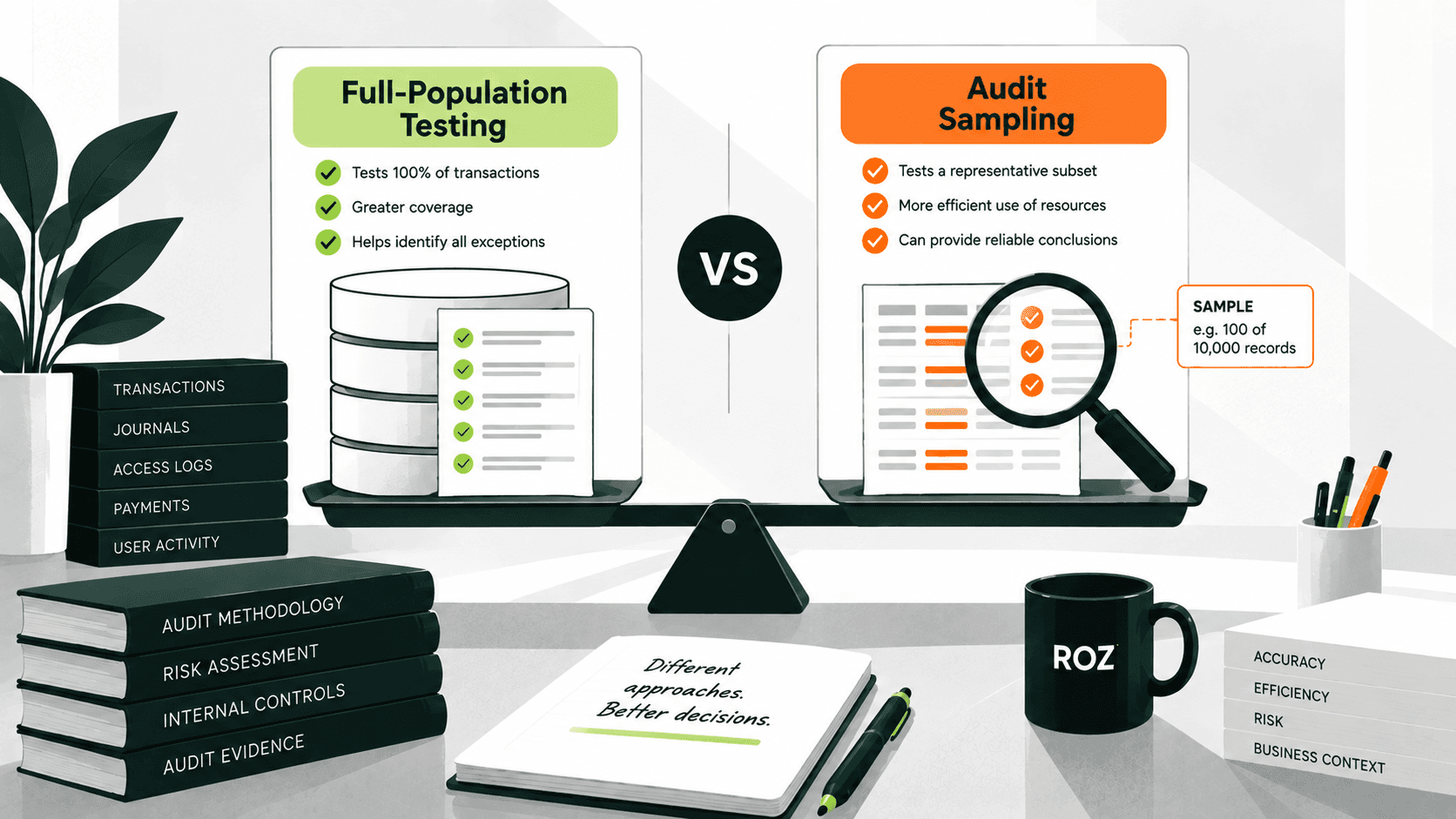
For decades, auditors faced a simple constraint: examining every transaction by hand was impossible, so they tested a sample and trusted it to represent the whole. That trade-off shaped audit methodology for generations.
But the entities being audited have changed. Sales are posted through cloud ERPs in seconds. Bank reconciliations run automatically. The general ledger is no longer a monthly artifact—it is a continuously updated database. When every transaction lives in an interrogable table, the question is no longer whether full-population testing is possible but whether it is the better choice for a given engagement.
In this article, I will explain both methodologies clearly. You will learn what audit sampling and full-population testing actually are, how they differ across coverage and risk, where each one fits, and how AI-assisted platforms are reshaping how audit teams evaluate evidence.
Why Audit Testing Methodologies Are Under Scrutiny
Audit sampling became the approach of choice when practical constraints made comprehensive testing of each transaction an impossible goal due to time or cost restrictions.
Current conditions have changed the practical constraints of the past. Organizations generate significantly larger volumes of data than in the past. The use of technology and AI has made audit testing of the entire population much easier and has prompted many firms to rethink when sampling remains the most appropriate approach and when full-population testing may provide greater value.
What Is Audit Sampling?
Audit sampling is the process of applying a subset of audit procedures to a population that is less than 100% and involves selecting and evaluating less than 100% of a population to draw conclusions about the population as a whole. It is through the evaluation of this subset that a conclusion is made on the population as a whole.
There are many advantages to sampling that have improved audit efficiency and scalability. It has decreased the time and cost associated with audits, enabled the audit team to draw conclusions on large populations and met the requirements of the audit, all while keeping the engagement within a reasonable budget.
Common Audit Sampling Methods
Some common sampling techniques include:
Random sampling: Each unit in the population is equally likely to be chosen for the sample.
Statistical sampling: This approach relies on the logic of mathematics, resulting in a risk that is measurable and a conclusion that is defensibly made. Within this category is systematic sampling and monetary unit sampling (MUS).
Judgmental sampling. The auditor relies on their judgment to select specific items, usually focusing on higher-value or higher-risk transactions. The associated risk cannot be measured.
Stratified sampling. The entire transaction population can be divided into groups of your choosing, for example, into groups of value. A sample can then be obtained from each group, ensuring all the different groups of transaction population have been adequately represented.
What Is Full-Population Testing?
Full-population testing is the examination of 100% of the transactions in a given population rather than a sample. Instead of inferring the state of the whole from a subset, the auditor tests every item directly.
The difference from sampling is more than just scale. Where sampling accepts that some untested items may contain undetected errors, full-population testing significantly reduces the risk associated with missing exceptions because it examines every item. This allows the auditor to identify all items that meet the specified exception criteria, rather than projecting a potential error rate from a small sample.
Examples of Full-Population Testing in Audits
Full population testing is very useful for areas that are high-volume and/or system-generated. Examples include:
Journal entry testing: Each entry in the general ledger can be reviewed for postings that are suspicious. This can include posting entries on the weekend, entries that are posted by users that are uncommon, round-sum entries, or entries that do not go through the normal approval process. Journal entry testing can help identify indicators of potential management override, consistent with risk assessment procedures under ISA 240.
User access reviews: Each user account and the permissions assigned can be compared to the authorizations to see if employees who should have been terminated still have access or are assigned permissions that are greater than what is required for their role.
Change management testing: Every change to the system is checked along with its supporting approval and documents. Changes that are made to the system without supporting approval are noted.
Transaction monitoring: Each purchase or sales ledger is comprehensively checked. An example of this could be a three-way matching of a purchase order, a goods receipt, and an invoice to uncover any anomalies.
Full-Population Testing vs Audit Sampling: Key Differences
When planning an engagement, these two testing methods differ in a few key areas.
Area | Audit Sampling | Full-Population Testing |
Coverage | A subset of the population (often 1–5%) | 100% of the population |
Sampling risk | Present; tied to confidence level | Not applicable |
Scalability | Strains as volumes grow | Scales with data volume |
Exception detection | May miss exceptions in untested items | Surfaces all exceptions |
Technology requirements | Minimal | Requires data access and analytics tools |
Audit efficiency | Efficient for small or non-digital populations | Efficient for high-volume, structured data |
Advantages and Limitations of Audit Sampling
Audit sampling, being a standards-based method, is employed frequently, but there is a need for your team to familiarize themselves with its trade-offs.
Advantages:
Less time and cost involved than testing the entire population.
Has a recognized and reliable standing in audit standards.
Applicable for situations where considerable professional judgment is needed.
Useful for non-digital evidence and for physical inspection.
Limitations:
There is always a risk that sample results will not represent the population.
Exceptions that are outside the sample may be missed.
Less visibility into the population overall.
Not as effective when the volume and complexity of transactions and data increase.
Advantages and Limitations of Full-Population Testing
Full-population testing addresses many of the limitations of sampling, but it also introduces new challenges.
Advantages:
Eliminates sampling risk for the tested population.
Increases identification of rare or unique anomalies.
Increases coverage for the entire dataset.
Facilitates the ability for continuous auditing and monitoring.
Enables the ability for extensive analysis for larger populations.
Limitations:
Depends on data quality and completeness.
Technology and analytics sufficient for population testing are a must.
Full-population testing doesn't substitute for a need to use professional judgment for each test.
Professional judgment is still necessary for the audit; a large number of outlier cases identified may still require explanation.
Why Audit Firms Are Moving Beyond Traditional Sampling
Several factors are prompting audit firms to look beyond sampling-only approaches:
Rising transaction volumes: Small samples struggle to represent ever-larger populations, thinning their value as a proxy.
Complex IT environments: Modern systems generate structured data best analyzed systematically and completely, not partially.
Growing client expectations: Clients no longer want just a compliance check; they expect deeper insights and broader visibility into large datasets.
Demand for continuous assurance: The shift from point-in-time checks to ongoing monitoring requires more frequent and comprehensive analysis.
Pressure on efficiency: Firms must find ways to improve audit efficiency without compromising the quality and rigor of their findings.
These trends do not eliminate the need for audit sampling. Instead, they expand the situations where full-population testing can provide broader coverage and more efficient analysis of large datasets.
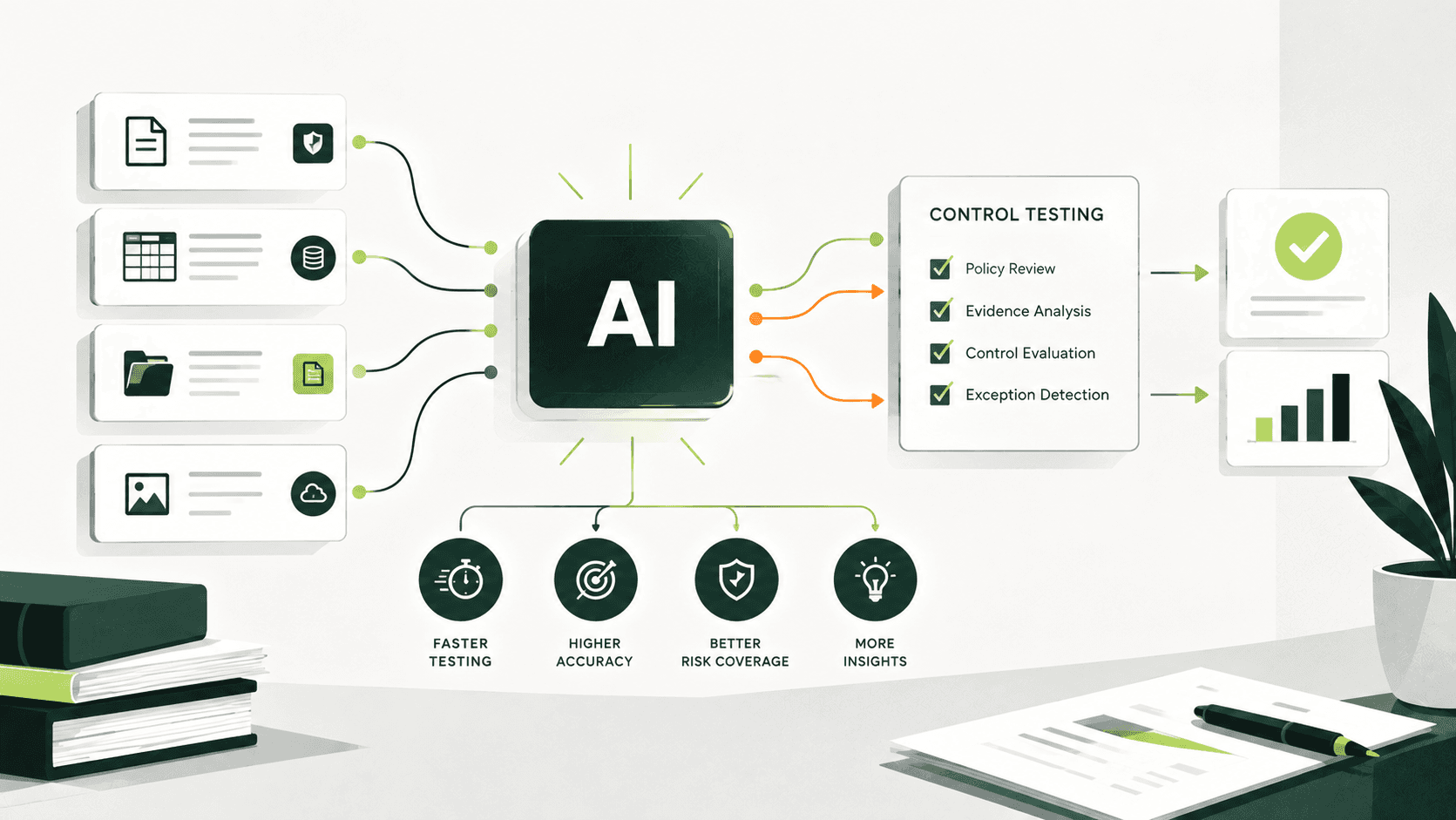
How AI Is Enabling Full-Population Testing
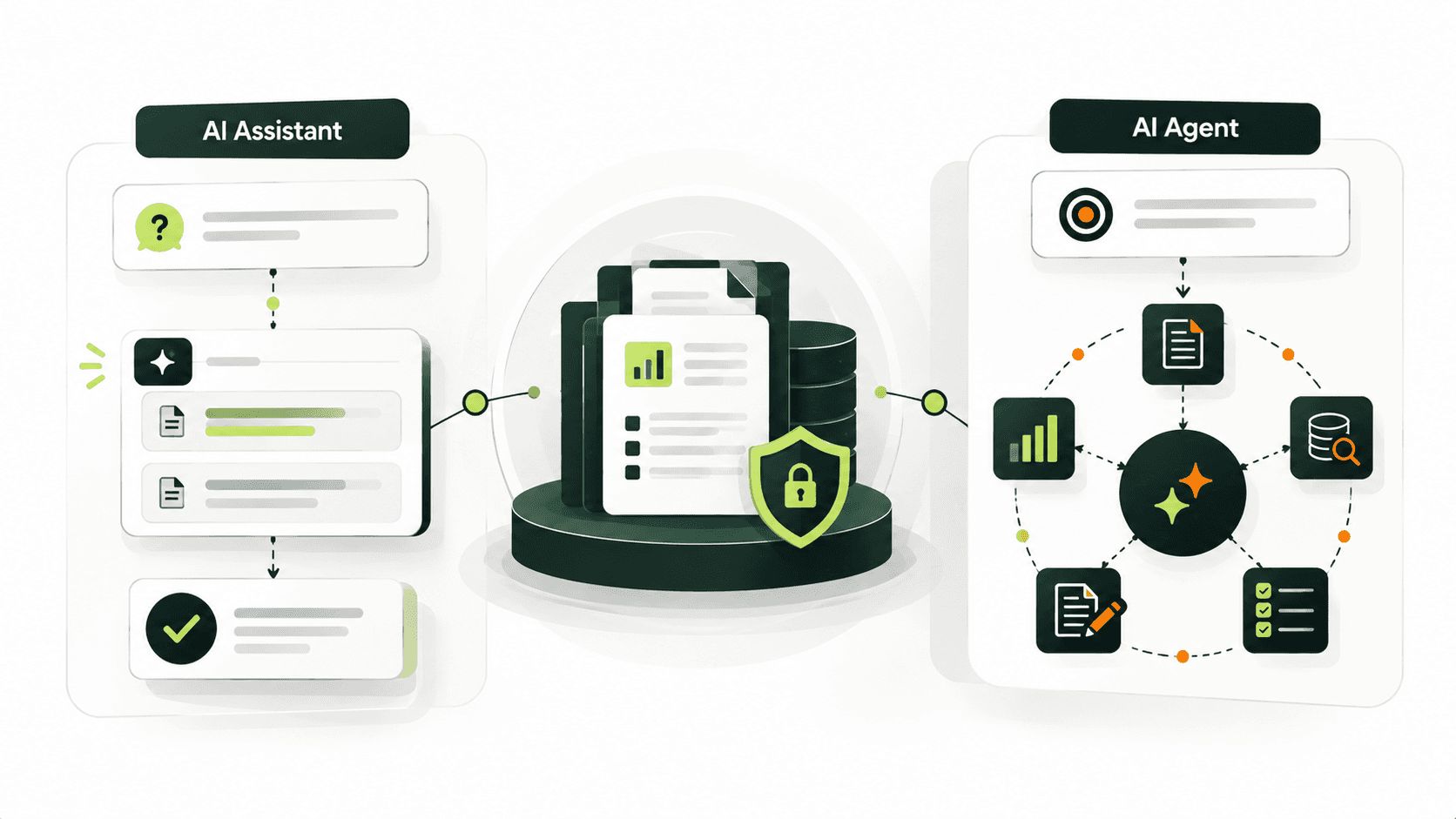
AI lowers the practical cost of testing entire populations. It does not replace the auditor; it directs the auditor's attention to the items that genuinely merit it.
In practice, AI-assisted platforms support several stages of the workflow:
Automated data ingestion. Structured data is pulled from ERPs and prepared for analysis.
AI-assisted anomaly detection. Patterns and outliers are flagged across the full dataset.
First-pass control testing. Routine tests run automatically, generating an initial set of exceptions for auditor review.
Automated evidence classification. Documents and evidence are organized and linked to the relevant tests.
Risk-focused exception analysis. Exceptions are prioritized so the team investigates the highest-risk items first.
How Roz Supports Modern Audit Testing Workflows
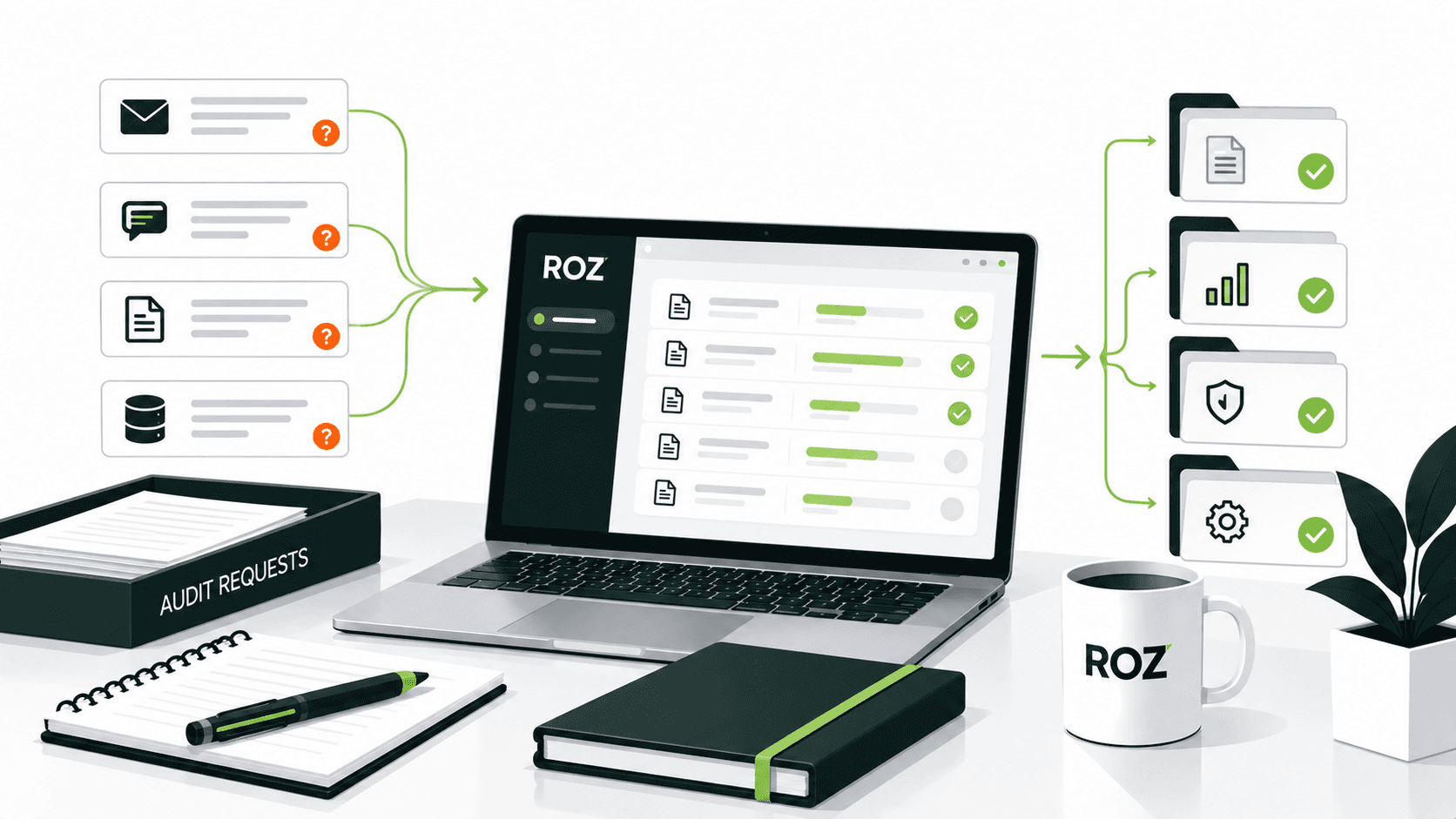
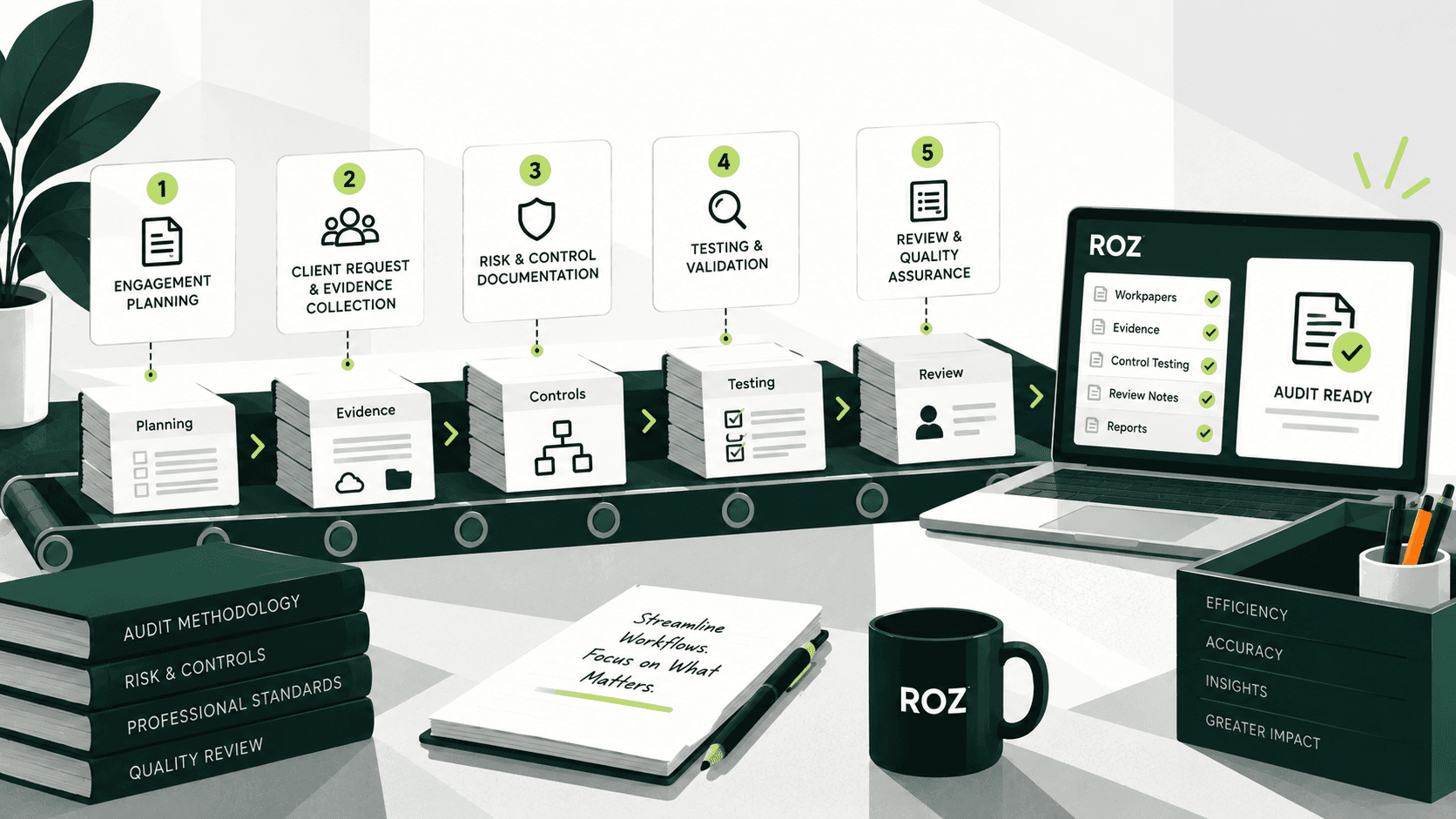
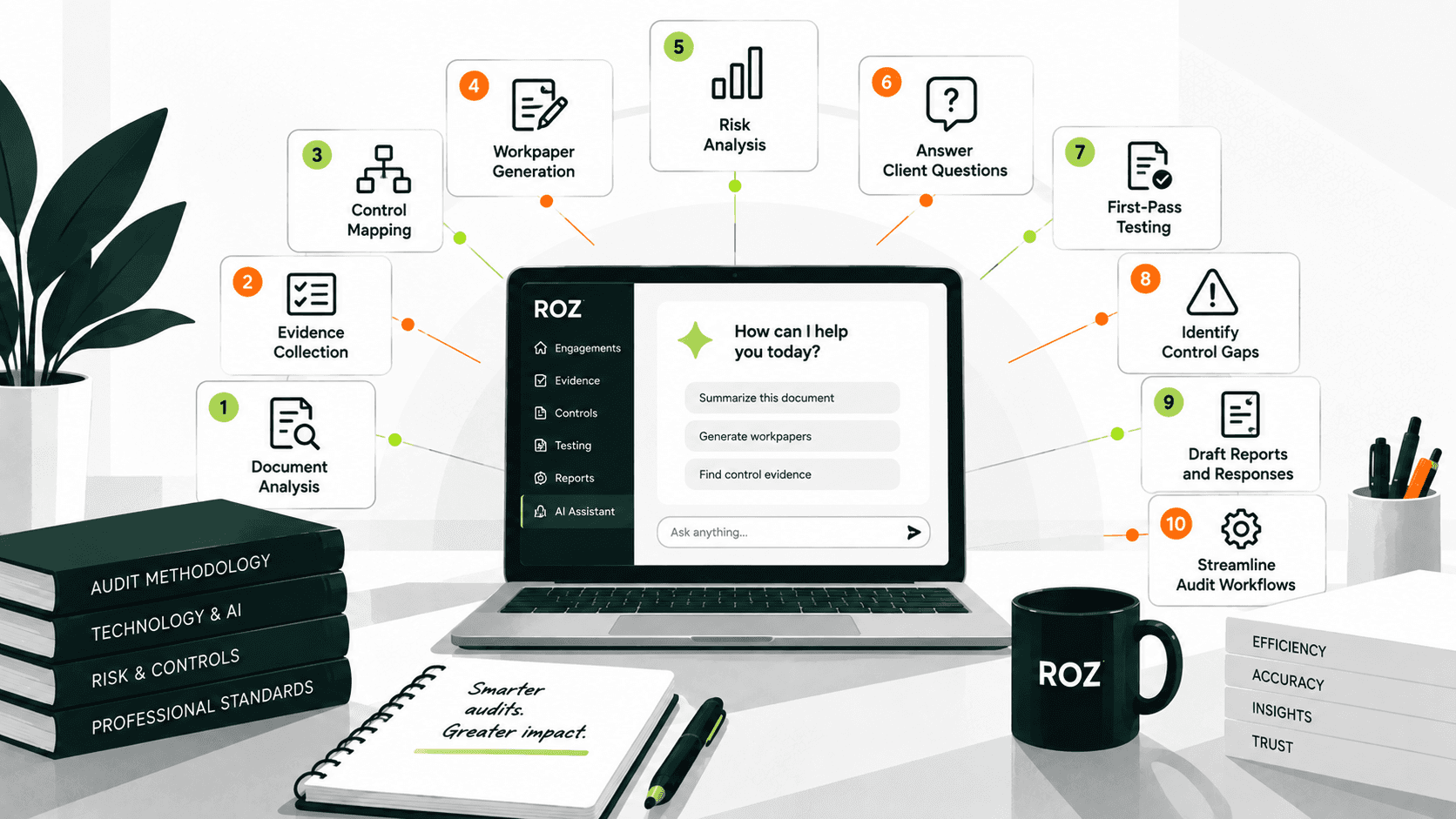
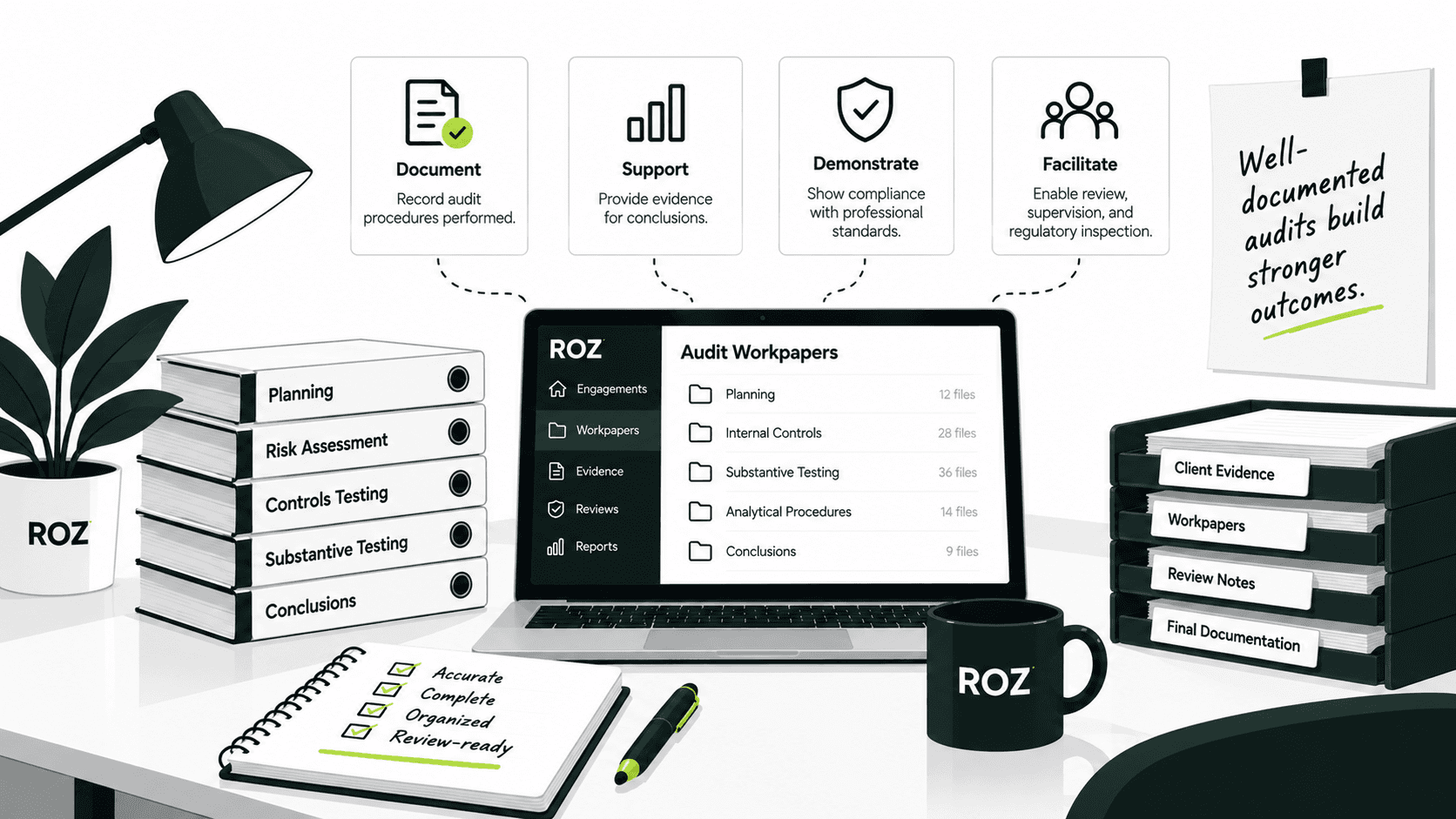
For firms implementing comprehensive testing, efficiently managing documentation, evidence, and workpapers is a primary challenge. Roz is an AI-native engagement platform designed to help CPA firms and advisory teams streamline these workflows.
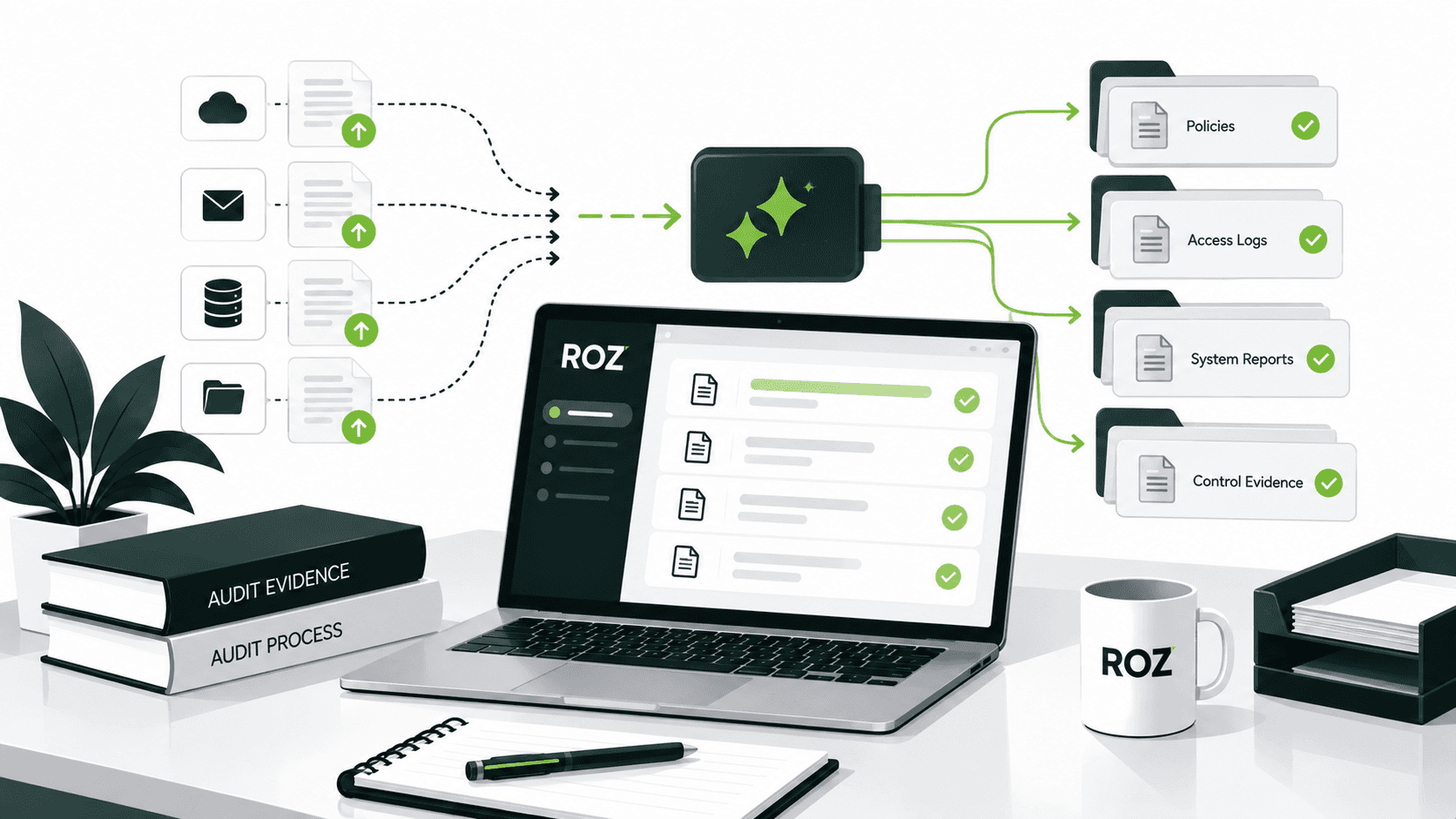
Roz supports audit testing with:
Centralized engagement workspaces with secure, client-specific environments
AI-assisted evidence analysis with source-linked traceability
AI-assisted control extraction and mapping to support structured control reviews
AI-assisted draft workpapers with audit trails and source references
Roz is designed to support first-pass analysis and reduce administrative effort, not to replace the professional judgment required for audit conclusions. It keeps auditor review at the center of the process while helping the firms manage engagements more efficiently and consistently.
Should Audit Firms Replace Sampling Entirely?
The short answer is usually no. Sampling and full-population testing solve different problems, and a sound methodology uses both.
Sampling remains appropriate for physical procedures, judgment-heavy assessments, and small or low-risk populations. Full-population testing provides stronger assurance for high-volume, system-generated data and high-risk areas such as related party transactions, period-end adjustments, and management override.
This is why most firms are converging on a hybrid model: full-population testing as the default for routine, structured data, with sampling reserved for the procedures that genuinely call for human judgment or physical presence. The two are complementary, not competing.
Conclusion
The choice between sampling and full-population testing is no longer dictated by time and cost alone. The future is a hybrid model where full-population testing is the default for structured data, and sampling is reserved for procedures requiring human judgment. This approach allows audit teams to shift their focus from manual review to high-value investigation.
If your firm is looking to increase test coverage without expanding headcount, the first step is to identify which data populations can be moved from sampling to full-population testing. Platforms like Roz support that transition by augmenting your team's judgment with automated assurance.
Frequently Asked Questions
Can AI perform full-population testing?
AI can support full-population testing by analyzing large datasets and identifying anomalies and facilitate first-pass testing. However, test results and their implications would still be the responsibility of an auditor.
When should auditors use sampling instead of full-population testing?
Sampling could be justified for the physical examination of an asset, for certain types of inquiries with management, and for procedures that involve a significant degree of professional judgment. It may also be justified for small or low-risk populations.
How does Roz help audit teams perform full-population testing?
Roz provides centralized engagement workspaces, AI-assisted evidence analysis, control extraction and mapping, first-pass control testing support, and AI-assisted draft workpapers with audit trails. It helps reduce administrative effort while keeping auditor judgment, review, and validation at the center of the audit process.