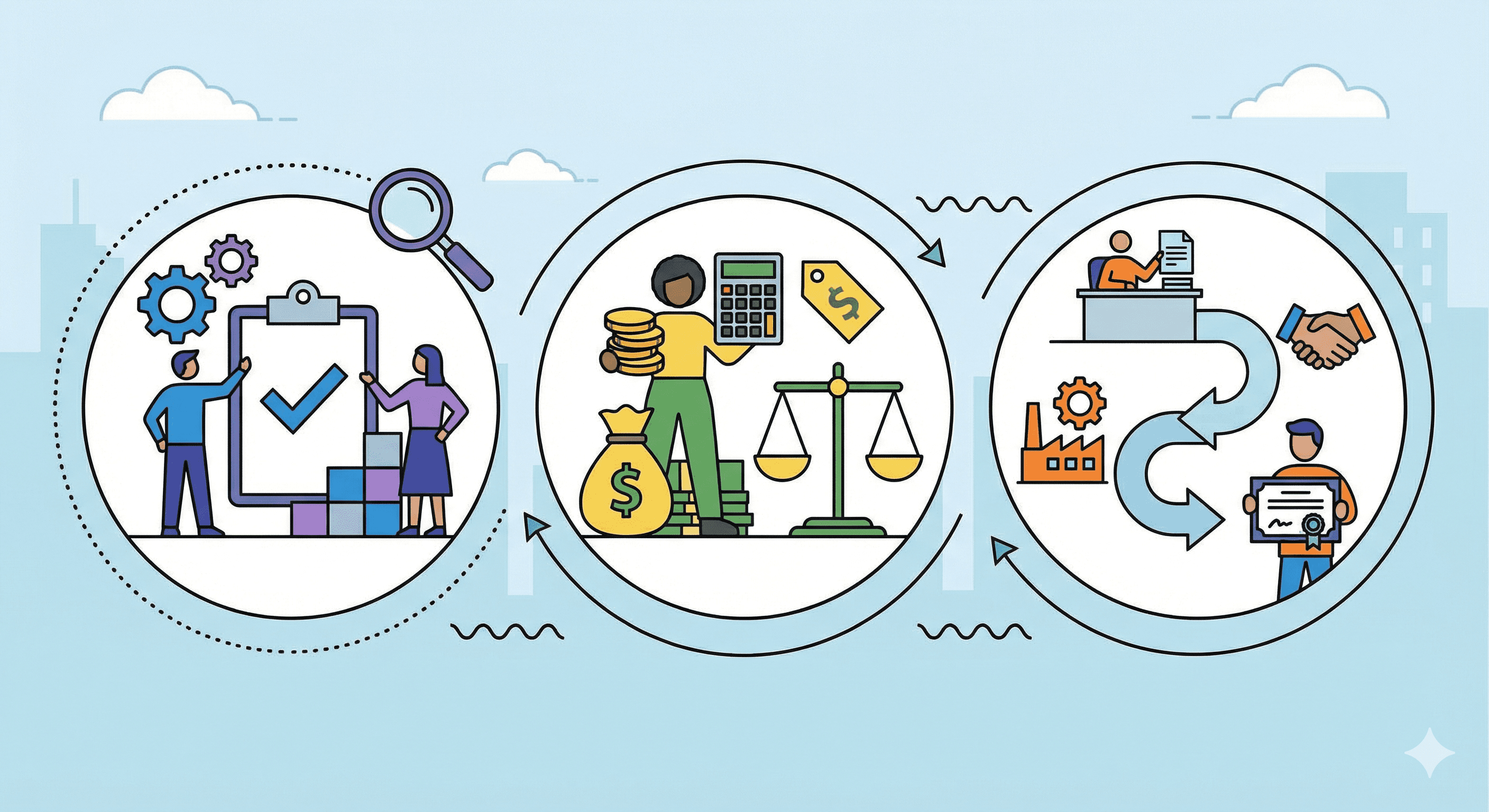
Audit engagements involve far more than testing controls. Every engagement requires coordinated planning, evidence collection, workpaper documentation, review cycles, and client communication, often happening in parallel across multiple active clients.
That coordination is where many firms struggle. Manual workflows, scattered evidence, and limited visibility into engagement status create delays and quality inconsistencies that erode both efficiency and credibility. According to A-LIGN, two-thirds of organizations spend at least three months each year preparing for each audit or assessment. For audit firms managing that process across a portfolio of clients, the administrative burden compounds quickly.
Structured audit engagement management addresses that problem. In this article, I will explain what it covers, how the lifecycle works, where common gaps appear, and what to look for in tools that can support the process.
What Is Audit Engagement Management?
Audit engagement management involves directing all aspects of an audit engagement across its various stages, including planning, execution, documentation, review, and closure. It covers the complete audit engagement from the various processes of independence assessments and engagement letters through fieldwork, documentation review, reporting, and closure of the engagement.
Management of audit engagements also incorporates the review of audit documentation. Audit engagements function as structured operational workflows with defined responsibilities, milestones, review processes, and quality controls.
How Does the Audit Engagement Lifecycle Work?
Most audit engagements follow a structured sequence of phases. Each phase has defined inputs, outputs, and handoff points.
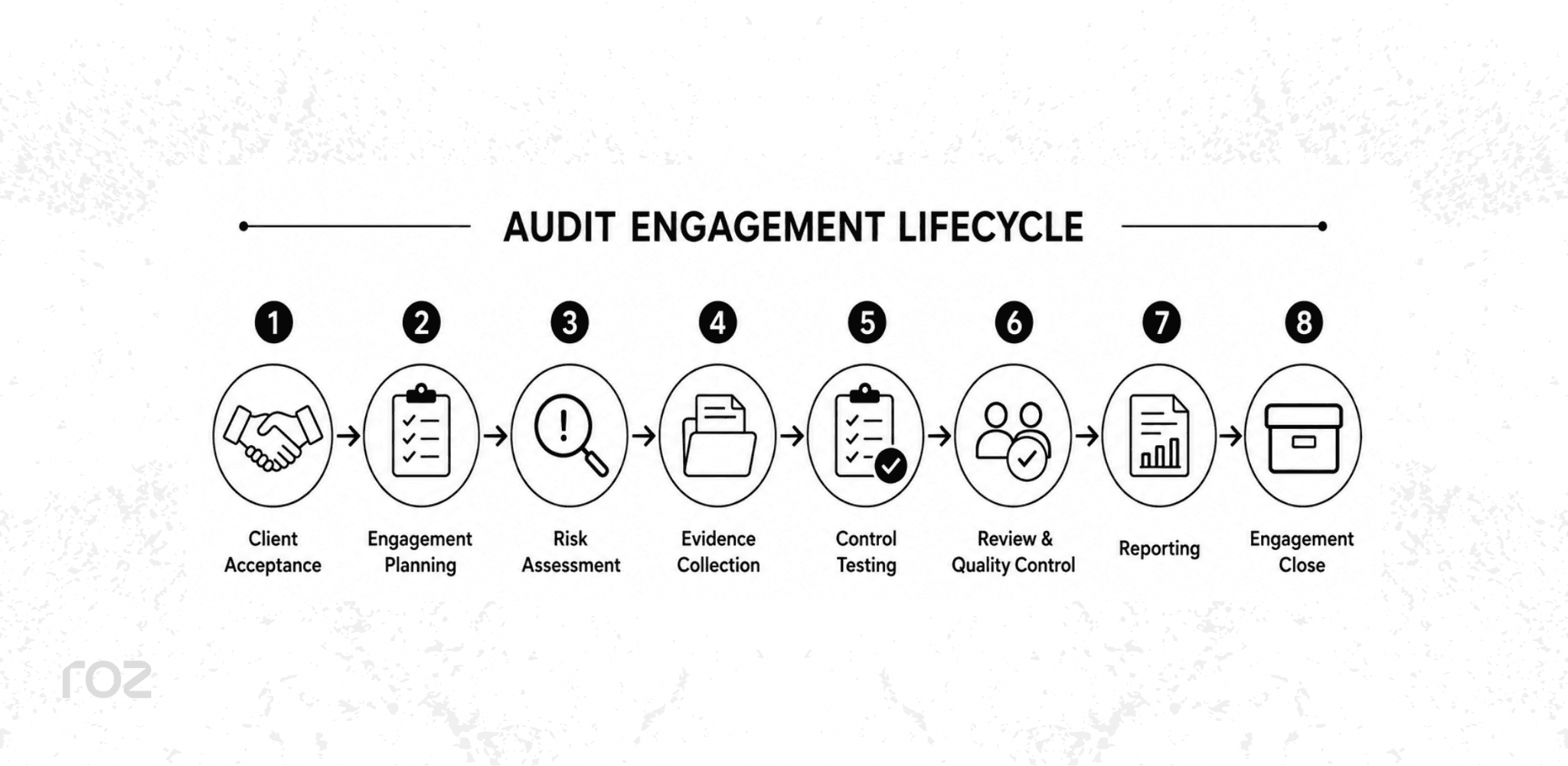
Phase 1: Client Acceptance and Engagement Setup
Before any audit procedures are performed, the audit firm shall determine the appropriateness of accepting the audit engagement. This includes independence and conflict checks and reviewing the prospective client’s risk assessment.
Once the engagement is accepted, the audit firm shall plan the engagement by determining the scope and assigning audit team members, as well as preparing the engagement letter.
Key deliverables: Engagement letter, scope document, resource plan.
Phase 2: Audit Engagement Planning
The effective planning of audit engagement requires the audit team to understand the client’s environment and industry, their internal controls, and the key areas of concern they will face. Based on that understanding, teams can establish materiality thresholds, develop risk assessment procedures, and design the audit program.
Audit programs created in this phase establish the operational framework for fieldwork and testing activities. Ambiguous or incomplete programs create gaps in the scope of work or require work to be repeated.
Phase 3: Evidence Collection and Request Management
Evidence collection consumes time on most engagements. During this phase, the team issues prepared-by-client (PBC) requests, monitors the receipt of requests, organizes evidence by control or procedure, and manages control submissions.
When the evidence collection process depends on email and shared drives, evidence becomes scattered. Requests often go unanswered, and reviewers cannot verify what evidence has been submitted. Structured evidence collection processes, request tracking, and centralized repositories can help address these challenges.
Phase 4: Testing and Fieldwork
Testing during engagement fieldwork involves the execution of control design testing, operating effectiveness testing, and substantive audit procedures. During large engagements, tracking testing across multiple team members and multiple control testing areas is only possible with clearly defined ownership and work-status tracking.
Structured tracking for fieldwork and testing is necessary to provide a clear picture of the work completed, work remaining, and control exceptions noted.
Phase 5: Review and Quality Assurance
During this phase, controls, workpapers, and supporting documentation are reviewed for compliance with professional standards. This phase is characterized by reviewer notes, sign-offs, and manager oversight.
The cycles of repeated reviews are a major cause of delays. Delayed reviews, revisions that occur more than necessary, and fluctuations in documentation standards all create stress and pressure at the last moments leading up to the deadline.
Phase 6: Reporting and Engagement Closure
Drafting the report, collecting responses, issuing the final report, and archiving work papers take place in this final phase of the process. Findings must be documented in a clear and logical manner. Evidence must support all conclusions. The engagement file must be organized for potential future reference and for internal, external, or regulatory reviews.
Most Common Audit Engagement Management Challenges
Disconnected Evidence Collection
Evidence spread across different platforms, such as emails, drives, and portals, increases the workload. Submissions are duplicated, documents are missing, and version histories become difficult to track. These things negatively affect the efficiency of fieldwork and create response gaps that will be flagged by the reviewers.
Manual Workpaper Preparation
Manual preparation, including drawing evidence and populating and formatting templates, takes a long time and can introduce inconsistencies across engagement documentation, especially when staff are populating different copies of the same template.
Limited Visibility Across Engagements
Managers often lack visibility into the status of individual tasks at the same time. Without the ability to see all outstanding requests and the results of testing, as well as the status of documents available for review, delays cannot be identified and resources cannot be effectively allocated.
Review Bottlenecks
When review steps are informal or unscheduled, they accumulate at the end of the engagement. Late-stage reviews produce revision cycles that delay final reports and compress the time available for quality checks.
Informal or delayed review processes can create bottlenecks near the end of an engagement. Late-stage review cycles often increase rework, delay report issuance, and compress the time available for final quality assurance activities.
Resource Allocation Challenges
Unbalanced staff workloads are a result of an uneven workload during peak busy seasons. Without accurate real-time capacity data, resources may not be allocated effectively.
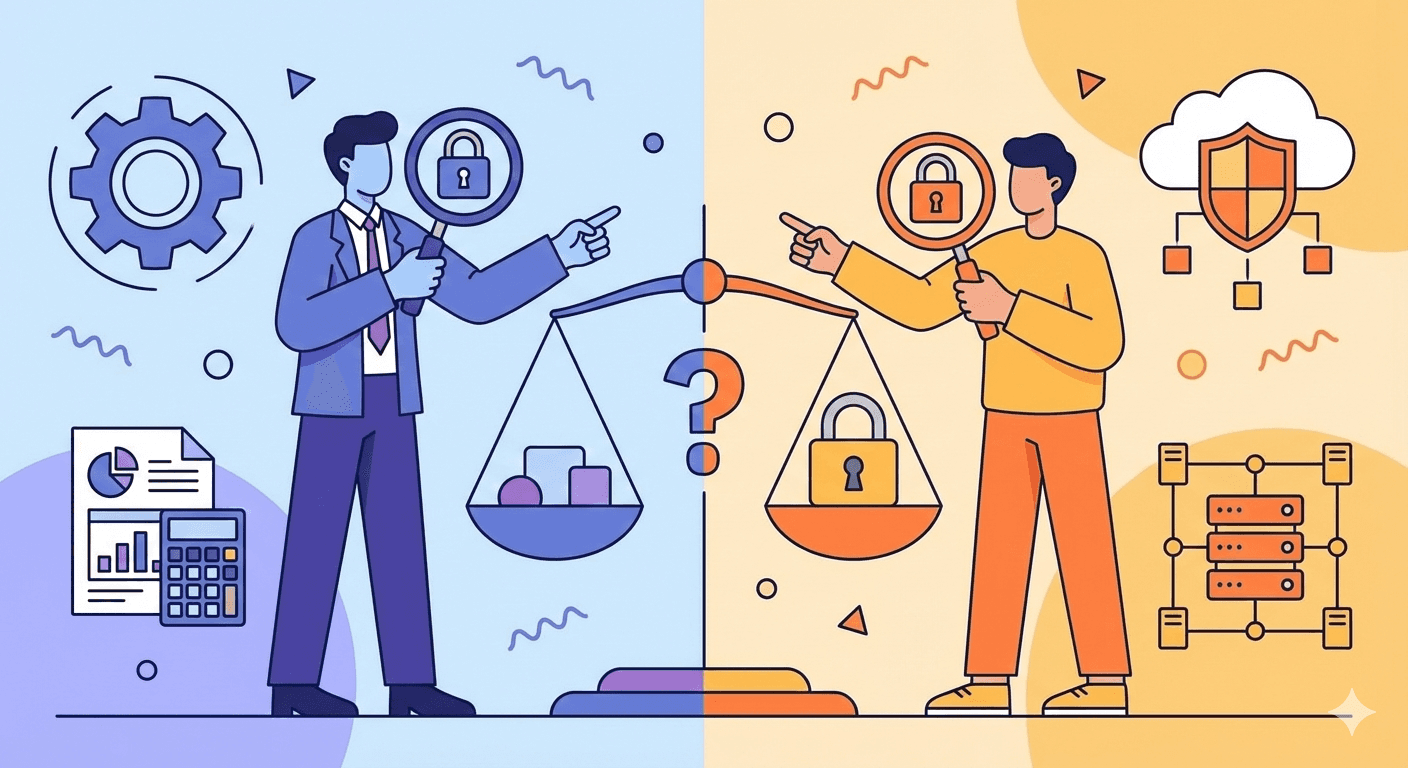
Audit Engagement Management vs. Audit Project Management: What's the Difference?
Area | Audit Project Management | Audit Engagement Management |
Focus | Tasks and deadlines | Entire audit lifecycle |
Scope | Operational management | Audit execution + management |
Evidence Management | Not typically a core function | Core function |
Workpapers | Generally managed outside the project tool | Central component |
Reporting | Project status reporting | Audit reporting |
Quality Reviews | General project oversight | Audit-specific review and quality control processes |
Why Firms Tend to Need Both
Project management tools help track tasks, deadlines, and team communication. They don't address audit-specific workflows, evidence requests, workpaper review, control testing, or findings documentation. Audit engagement management covers those functions. Firms that rely on project management tools alone often build workarounds that create the same coordination problems they were trying to solve.
Benefits of Strong Audit Engagement Management
Better engagement visibility: Audit managers can see what has been completed in real-time and identify what is outstanding and where engagement requests are stagnant.
Faster evidence collection: When evidence is well organized and the requests are well managed, the amount of time spent communicating and waiting for evidence is reduced.
Improved audit quality: Having a well-defined and consistent approach helps reduce the variability that results in documentation deficiencies and a request for a review.
Reduced administrative work: A well-defined approach helps reduce the amount of time lost to the administrative coordination activities, which allows the staff to focus the audit process.
More scalable operations: Developing a consistent approach to the delivery of client engagements makes it easier to keep the quality of work consistent and onboard new team members.
Key Features of Modern Audit Engagement Management Software
Engagement planning tools: Timeline management, task assignment, resource planning
Evidence management: Centralized evidence repository, request tracking, version control
Workpaper management: Review workflows, cross-referencing, sign-offs
Risk and controls management: Control libraries, risk registers, risk-control mapping
Reporting and deliverables: Report generation, findings tracking, remediation monitoring
AI-assisted audit workflows: Evidence classification, control extraction, workpaper generation, first-pass testing support
An important consideration: AI-assisted systems can support documentation and assessment workflows; however, audit controls and judgments still consider professional standards. The systems are there to augment the standards, not redefine them.
How Does Roz Help Firms Manage Audit Engagements?
Roz is an AI platform built specifically for external audit and advisory firms. It helps teams accelerate evidence collection, perform readiness assessments, and support first-pass control testing workflows across sampled or full populations, with human-in-the-loop validation keeping auditor judgment at the center of every engagement.
Centralized engagement workspaces. Each client engagement has its own secure workspace where teams can organize evidence, policies, workpapers, and supporting documentation in one place.
AI-assisted documentation workflows. Roz helps firms generate AI-assisted first-pass workpapers from firm-approved templates while maintaining source-linked traceability and audit trails.
Readiness assessments and control testing support. Roz helps teams review documentation, surface potential gaps, extract controls, and support testing workflows more efficiently.
Engagement visibility. Teams can track evidence requests, review status, and engagement progress across multiple engagements.
Roz supports audit workflows and documentation-heavy activities while keeping professional judgment, reviewer validation, and final conclusions with the engagement team.
Best Practices for Audit Engagement Management in 2026
Standardize engagement workflows: Ensure that all teams utilize the same procedures for all audit engagements.
Centralize evidence collection: This will streamline coordination effort and enhance document tracing.
Define review checkpoints early: Set determination checkpoints early in the process instead of waiting for the end of the fieldwork.
Track key engagement KPIs: Monitor metrics like open requests, testing status, state of reviews, and reporting due dates.
Reduce manual documentation: Use standardized templates and structures to reduce the documentation workload.
Use AI to support first-pass activities: AI can support first-pass analysis and documentation activities, but the auditor is responsible for professional judgment and the final outcome.
Maintain complete audit trails: Ensure all tasks and activities are documented throughout the engagement lifecycle.
Monitor engagement progress continuously: This helps you identify bottlenecks and address issues that reduce the ability to deliver on time.
Conclusion
Audit engagement management extends beyond tracking tasks and meeting deadlines. It covers the full lifecycle from client acceptance to engagement closure, with structured workflows, centralized evidence, defined review checkpoints, and quality controls at each stage.
Organizations that treat engagement management as a structured operational discipline rather than an ad hoc process often achieve greater consistency, reduced rework, and improved scalability as engagement volumes grow. Modern engagement management platforms can help streamline evidence collection, readiness assessments, and documentation workflows while keeping auditor judgment, reviewer oversight, and final conclusions at the center of every engagement.
Frequently Asked Questions
What is the difference between audit engagement management and audit project management?
Audit project management focuses on tasks and timelines. Audit engagement management covers the entire audit lifecycle, including evidence collection, testing, documentation, and reporting.
What are the most common challenges in audit engagement management?
Common challenges include evidence collection delays, review bottlenecks, limited visibility into engagement status, and resource allocation issues.
How can AI support audit engagement management?
AI can help organize evidence, generate first-pass documentation, and identify potential gaps. Auditors remain responsible for professional judgment and final conclusions.