Audit teams are under real pressure. Evidence volumes are growing. Deadlines are tighter. Client expectations are higher. And auditor capacity, especially at the senior level, remains a persistent constraint.
In this environment, the instinct is often to ask, how do we complete audits faster? That's the wrong question. Speed without structure creates rework. Cutting hours without examining where those hours go leads to quality risk, not efficiency.
The better question is, where is time being lost to unnecessary effort, fragmented processes, and repetitive work that doesn't require professional judgment?
In this article, I'll explain what audit efficiency actually means, identify the most common sources of workflow friction, and walk through 10 practical best practices to help your firm improve audit efficiency without compromising quality.
What Is Audit Efficiency?
Audit efficiency means the efficient use of time and resources along with the shortening of burdens and unnecessary duplication to achieve the objectives of the engagement.
An efficient audit isn’t a short audit. An efficient audit is focused on the work that involves skill and judgment and contains professional evaluation, as opposed to work that is document- or data-related through tracking, maintenance, or repetitive formatting.
Three things interact in every audit engagement:
Resources: Auditor time, staff capacity, and technology
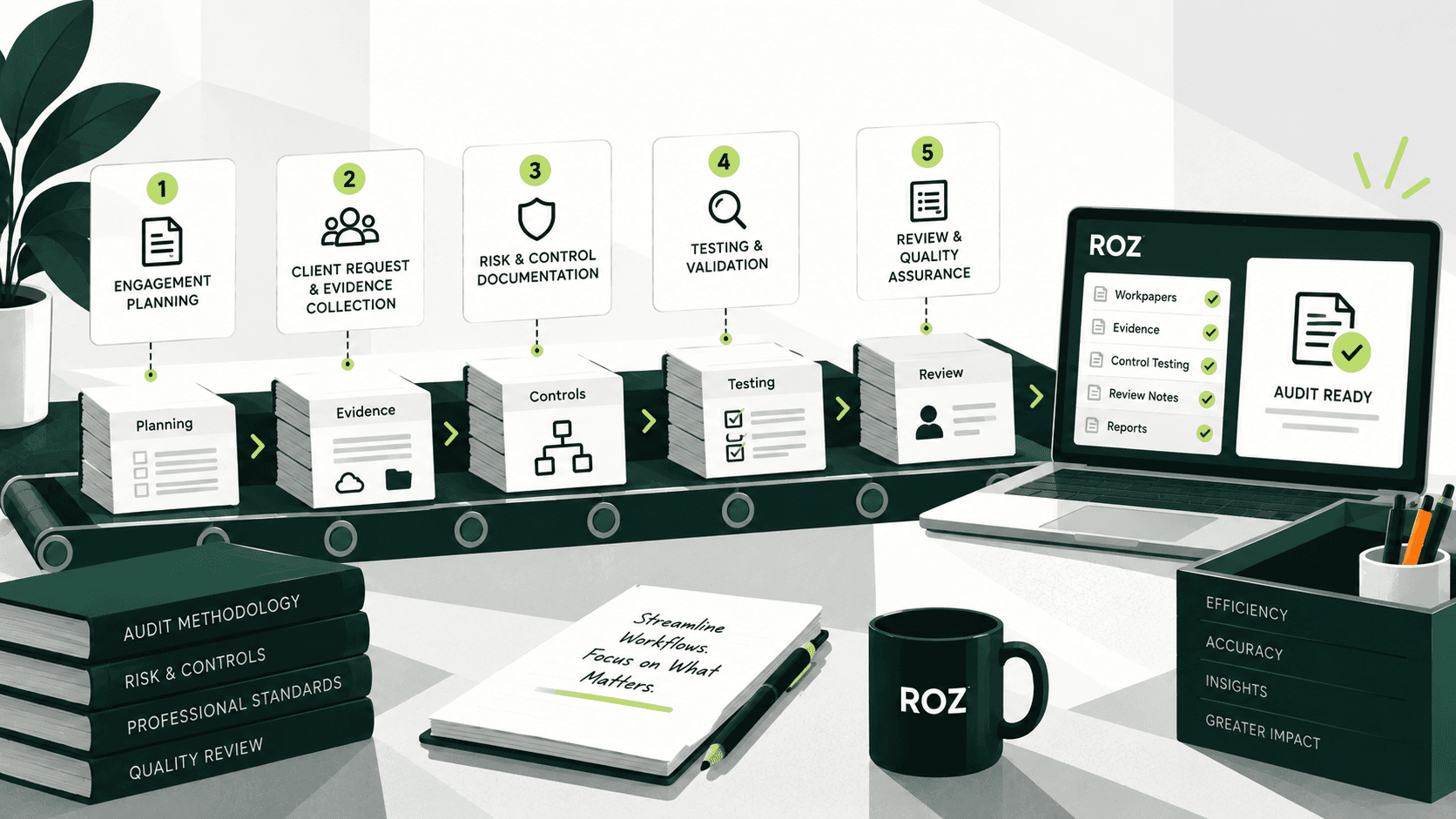
Workflow: How work moves through planning, fieldwork, review, and reporting
Objectives: The procedures and evidence required to support the audit's conclusions
Audit efficiency is achieved when time, resources, and technology are directed toward the procedures and activities that support the engagement objectives, while unnecessary effort and duplication are minimized.
What Causes Inefficiency in the Audit Process?
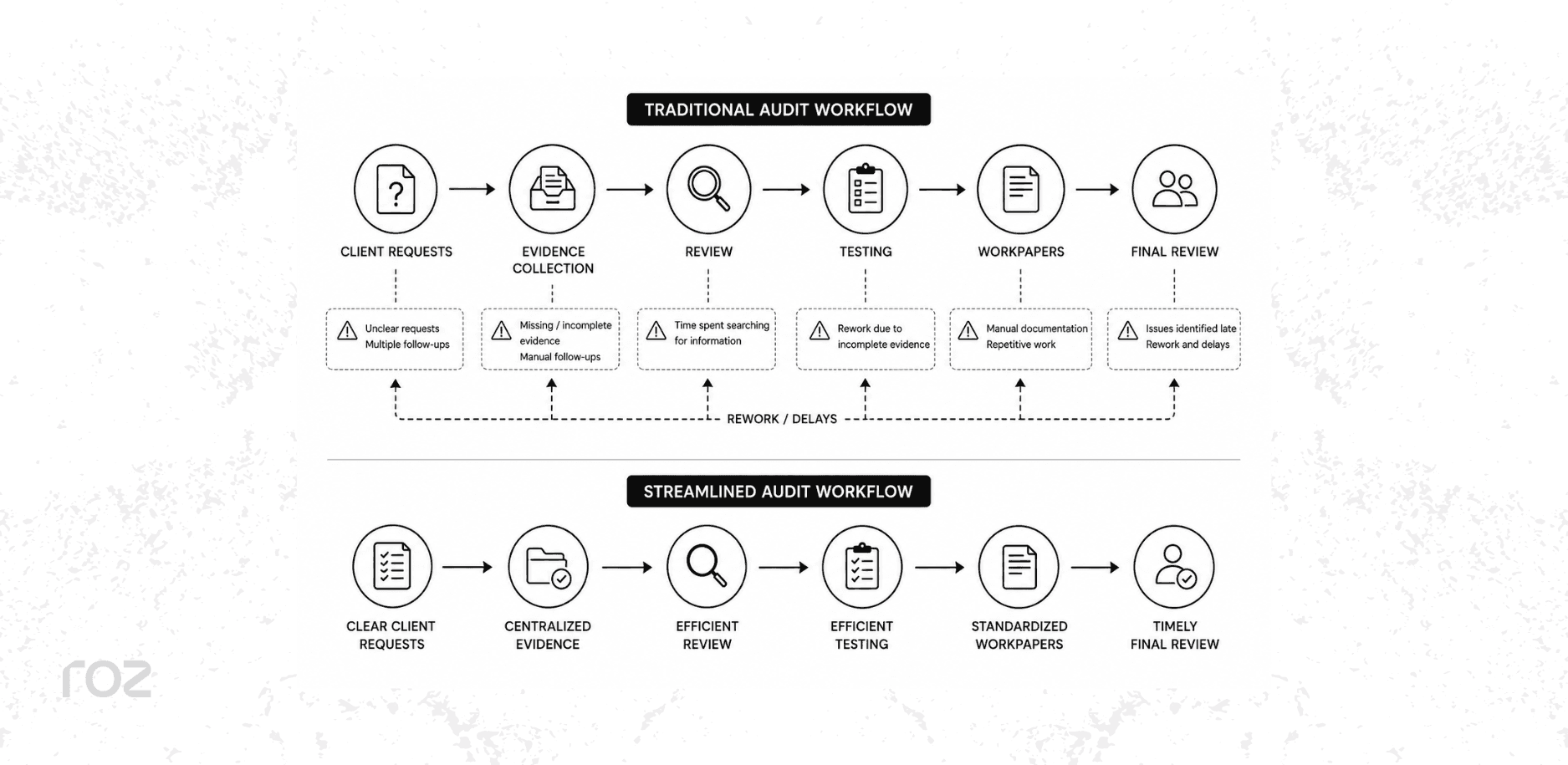
Most inefficiencies in the audit process are not the result of significant issues. They are the result of successive minor issues that occur along the engagement lifecycle.
- Auditors spend a significant amount of time on tedious administrative tasks. Activities such as high-volume repetitive data entry, updating spreadsheets with status, organizing and maintaining files, and performing numerous formatting tasks are all low-judgment activities that consume time that could be better spent on higher-judgment work.
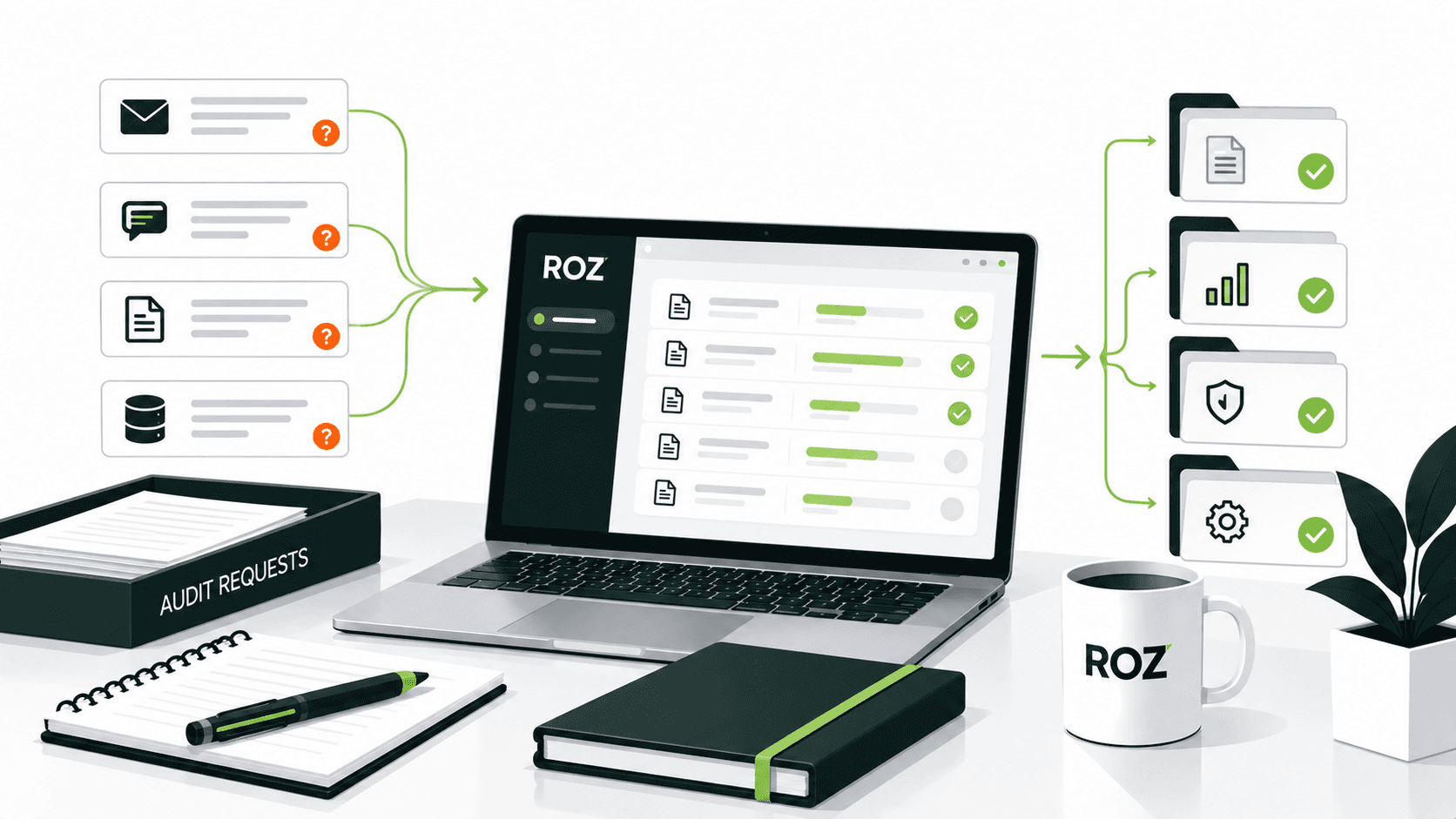
- Delays as a result of inefficient evidence-gathering requests from the client are very common. Vague requests are the result of insufficient or incomplete responses. Variance in request formats results in auditors wasting time reprocessing evidence so that they can use it.
- Fragmented workflows can scatter engagement information across emails, documents, spreadsheets, and audit management software, requiring reviewers to spend additional time locating information and coordinating work.
- Rework is costly and avoidable. Incomplete evidence, documentation gaps, and inconsistent workpapers lead to review comments. Those comments move the work backward, leading to wasted time. These review comments could have been avoided if the reviewer’s expectations were explained earlier.
- Poor communication and coordination create even more issues. If there is no clear ownership for open items and there is no one system to provide a single source of the status of the work engagement, issues get pushed aside and eventually surface as problems.
10 Best Practices to Improve Audit Efficiency
1. Standardize Audit Workflows
Inconsistent processes between engagements, or between staff members, introduce variation that creates quality risk and makes training harder.
What standardization looks like in practice:
Defined process steps for each phase of the engagement (planning, fieldwork, review, reporting)
Templates for common workpapers and client requests
Consistent documentation expectations communicated before fieldwork begins
Reduced reliance on individual preferences for organizing files
Standardized audit workflows reduce the cognitive overhead of figuring out how to structure work, so auditors can focus on what the work is telling them.
2. Improve Client Evidence Requests
Unclear evidence requests are one of the highest-leverage problems a firm can fix. Well-structured evidence requests can reduce unnecessary follow-up and clarify expectations for the client.
Effective evidence requests should specify:
Exactly what documentation is needed
The applicable reporting period or date range
The required file format
Who is responsible for providing it
The deadline for submission
Tracking outstanding requests centrally, rather than across individual email threads, gives managers visibility into where delays are occurring and helps prevent items from falling through the gaps.
3. Centralize Audit Evidence and Documentation
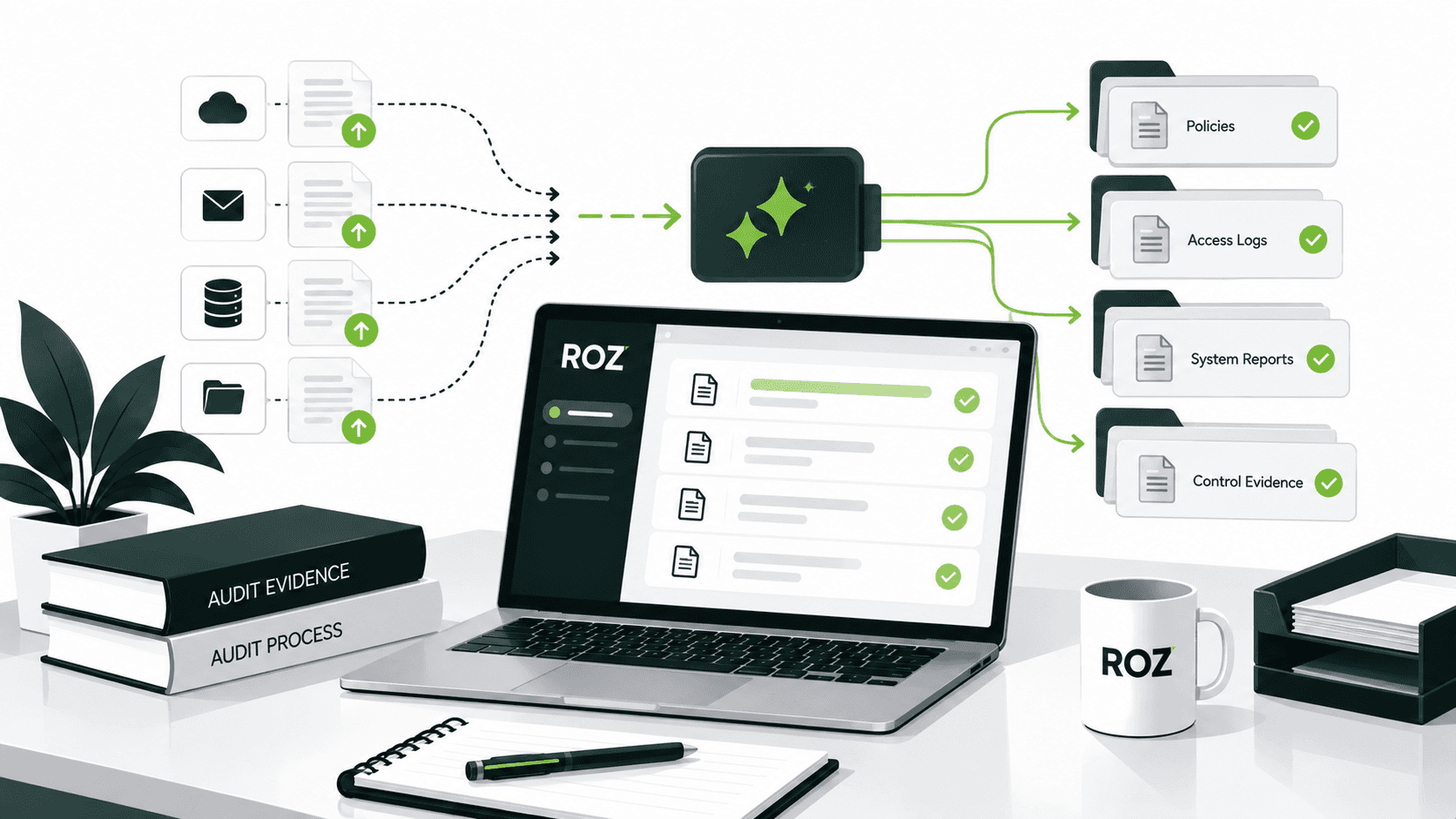
When evidence lives in multiple places, auditors spend time searching instead of auditing. Centralized documentation can reduce that friction.
A structured evidence workspace gives the engagement team:
A single location for all client-provided documentation
Version history and traceability
Clear links between evidence and the procedures it supports
Faster access for reviewers who need to evaluate completeness
This is one of the areas where audit-specific technology delivers the most immediate efficiency gains, particularly on larger engagements with high evidence volumes.
4. Reduce Repetitive Administrative Work
A large portion of the work that an auditor carries out is not judgemental in nature. Activities such as the organization of documents, extraction of data, reporting of status, processing of questionnaires, and formatting of workpapers are good candidates for structured workflows, workflow technology, or AI-assisted support.
Reducing these activities does not aim to completely eliminate them from an engagement. Rather, it is intended to avoid having the senior auditors doing them manually. When firms streamline administrative activities through structured workflows and AI-assisted tools, the auditors are able to concentrate more on analysis and review.
5. Use Data Analytics to Analyze Larger Populations
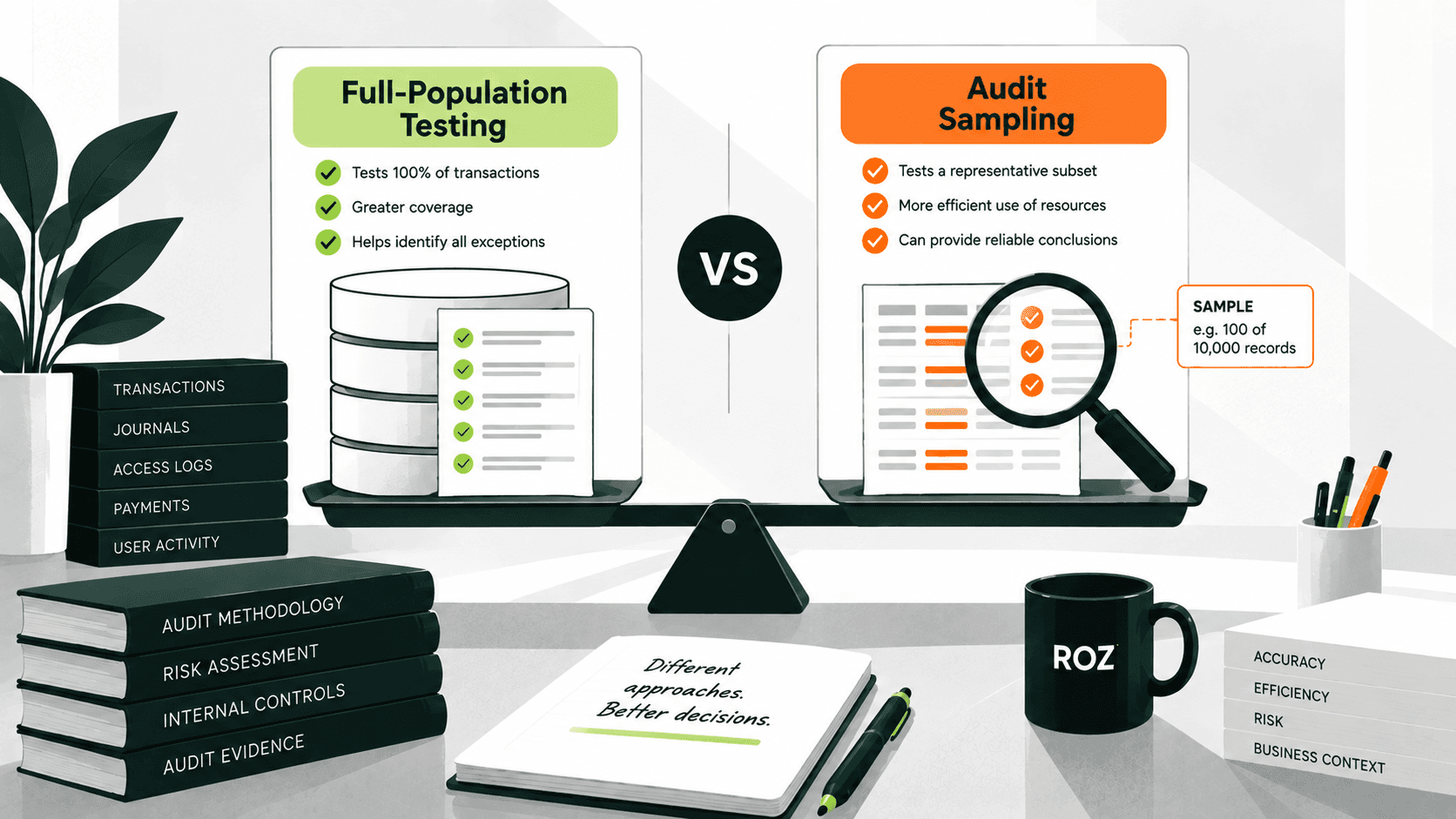
Traditionally, sample-based work involves the examination of a portion of a population. Data analytics can support analysis of larger populations than would typically be feasible through manual review alone.
Practical applications are:
Detecting irregular transactions or outliers
Identifying unusual transactions, outliers, and potential risk indicators
Supporting risk-based assessments and associated activities
Reducing the need for extensive reviews of structured data
One important qualification: technology-assisted analysis still requires auditors to evaluate the output to determine if the output is both relevant and reliable to the audit objective. In June 2024, the PCAOB adopted amendments to AS 1105 and AS 2301 addressing certain aspects of audit procedures involving technology-assisted analysis of electronic information. The amendments apply to audits of financial statements for fiscal years beginning on or after December 15, 2025.
Audit data analytics is a means to improve the focus of testing. The auditor is still tasked with evaluating the meaning contained within the data.
6. Use AI for First-Pass Audit Tasks
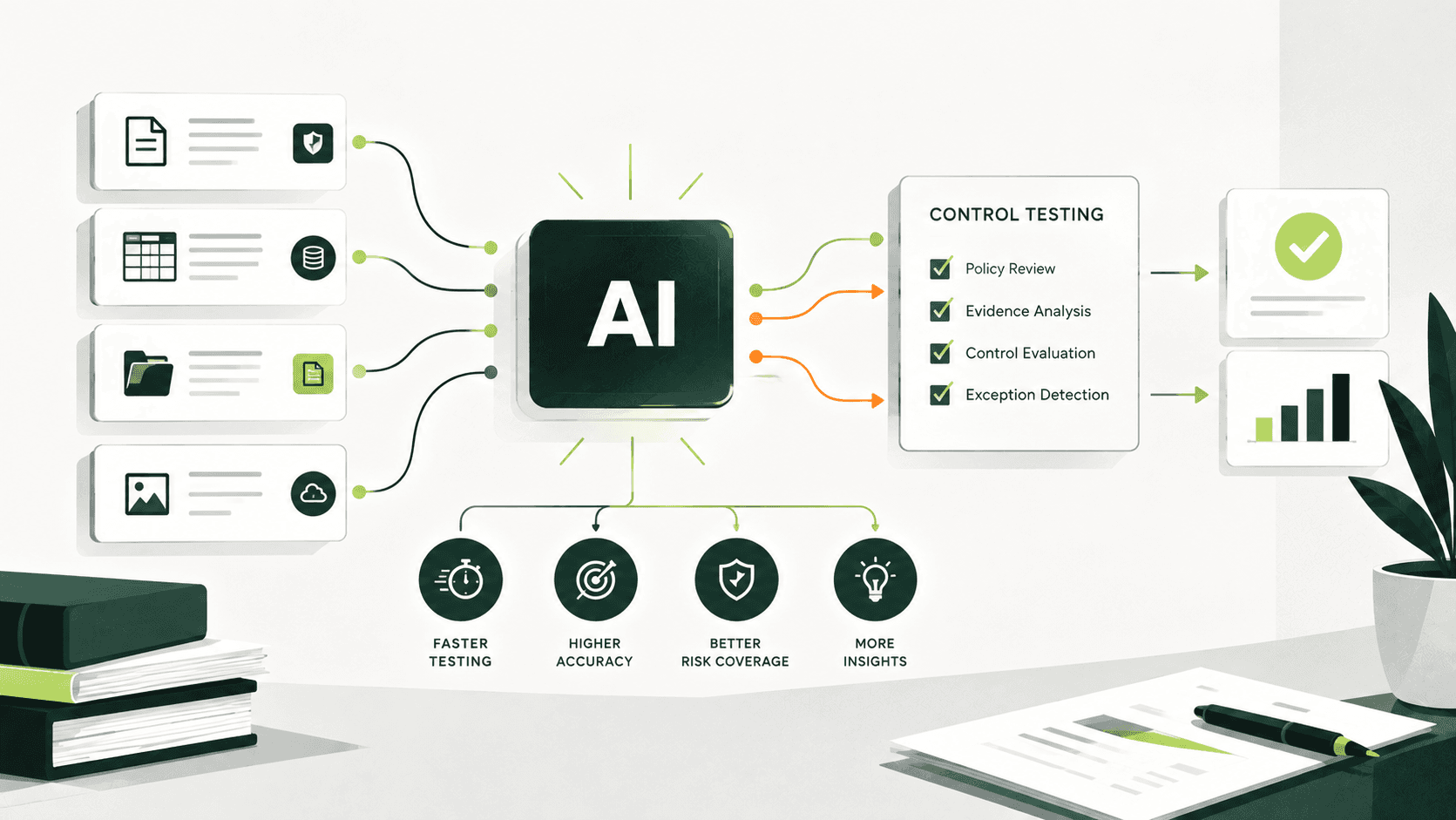
AI can assist auditors with selected repetitive and structured activities associated with audit procedures, subject to auditor review.
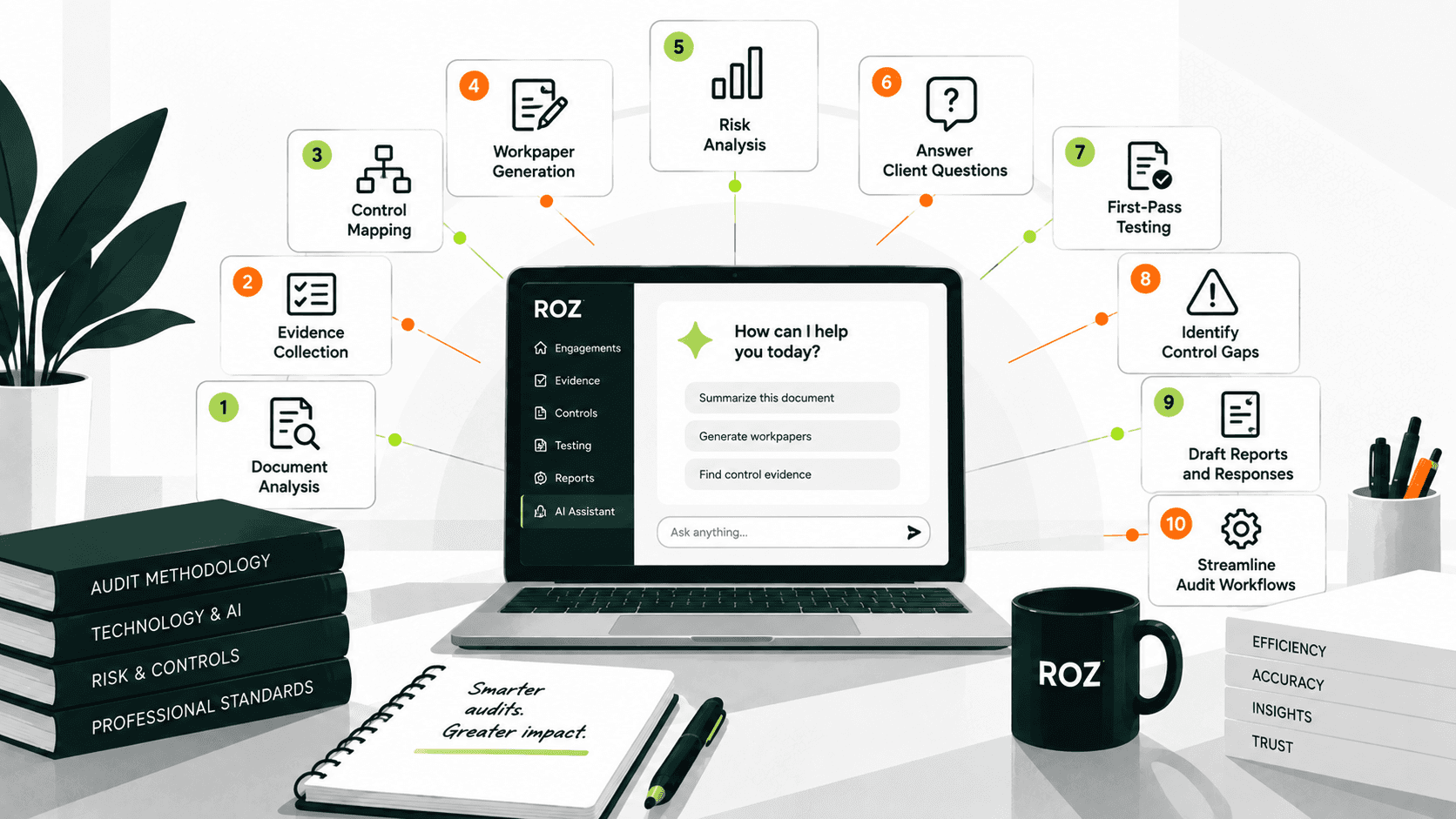
Current applicable AI-based auditing tools:
Document review and information extraction
Identification of control procedures from policy documents
Preparation of response to control questionnaires or due diligence requests
Classification and ordering of supporting evidence
Workpaper drafting from engagement templates
Identification of potential gaps in framework requirements for auditor review
Providing assistance for first-pass testing
Using AI to support audit activities is different from delegating audit responsibilities to technology. Auditors remain responsible for reviewing outputs, determining their relevance and reliability, applying professional judgment, and reaching engagement conclusions.
AI can reduce the time spent on repetitive first-pass activities, allowing auditors to devote more time to judgment-intensive work.
7. Standardize Workpapers and Documentation
Inconsistent workpaper documentation can increase review time and the likelihood of reviewer comments. When documentation types or formats vary across staff members or engagements, reviewers waste time and effort reformatting the documentation.
Standardization should include:
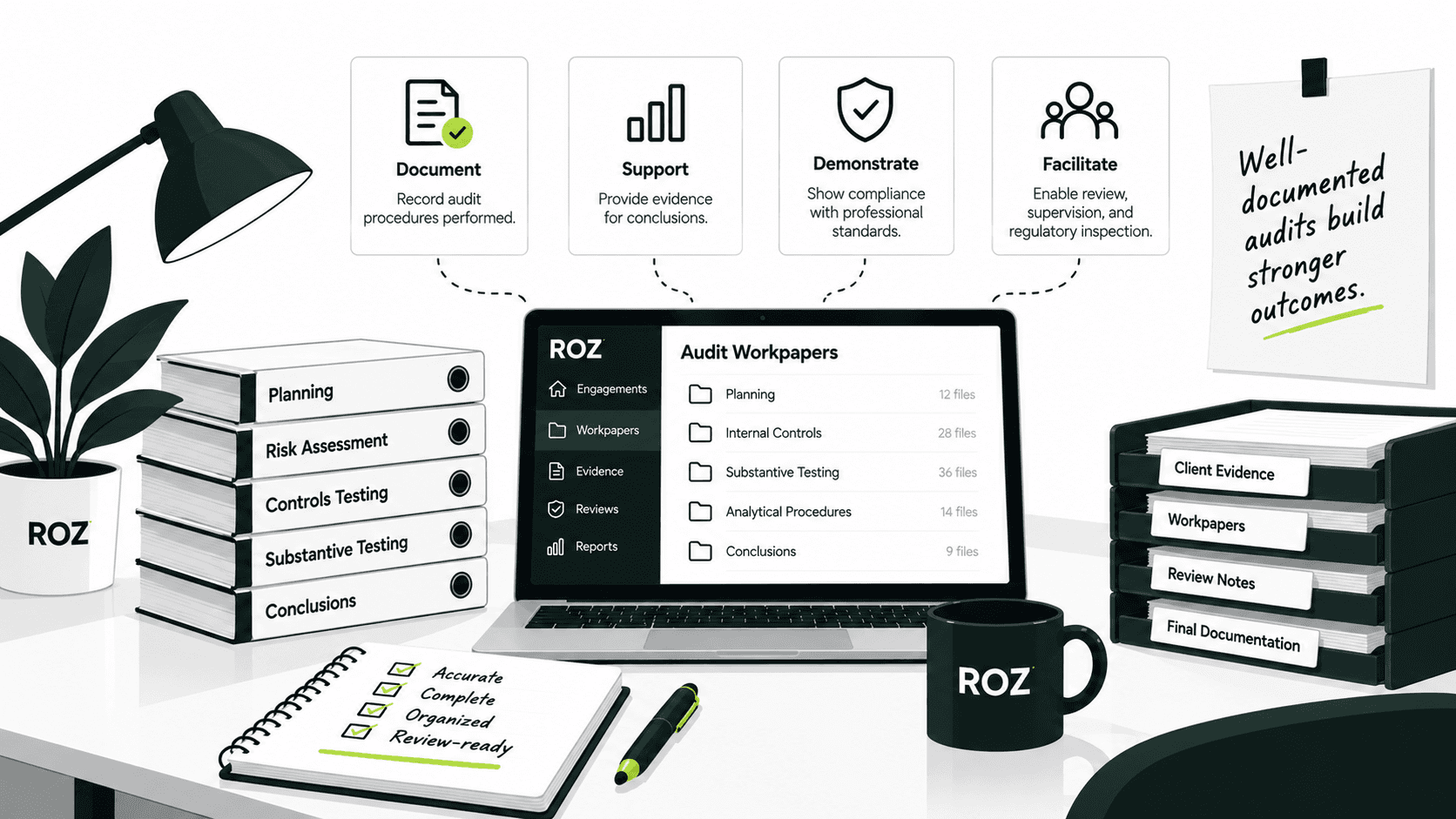
Consistent workpaper template types
Clear naming conventions and file organization
Cross-referencing of procedures and supporting evidence
Documentation that meets reviewer standards
Well-defined standards greatly aid and decrease time required to train new staff. New staff are able to observe and learn the standard formats as opposed to reverse engineering preferences.
8. Identify and Address Rework
One of the most obvious signs of a process problem is the need for rework. Frequently incomplete evidence, recurring documentation gaps, and repeated review comments can indicate underlying process problems.
A practical approach to reducing rework:
Locate where work is routed backward in the engagement workflow
Determine common trends in review comments
Determine why requests for evidence almost always result in multiple follow-up requests
Address the underlying process cause rather than repeatedly correcting the same issue at the engagement level
Rework should be addressed as a workflow concern rather than a quality issue to be more effective.
9. Improve Review and Collaboration
Issues that could have been fixed long before, if processes were implemented to promote collaboration throughout the project, surface as issues at the end of the project.
A better review model would be:
Giving managers visibility into the status of an engagement during fieldwork
Surfacing issues of incomplete or insufficient evidence before they reach a formal review
Standardizing review workflows to set expectations
Keeping reviewer communication related to the engagement record instead of separate emails
Review should be an integrated part of the process instead of a final hurdle, and hence the goal should be more visibility and earlier resolution.
10. Measure Audit Efficiency With Meaningful KPIs
Total engagement hours can provide useful context, but hours alone do not demonstrate improved audit efficiency or quality. To substantially reduce hours, firms must identify breakdowns in the efficiency of the processes.
More valuable metrics of audit efficiency include:
Hours saved in each phase of the audit (planning, fieldwork, review, report)
Time taken for evidence to be submitted after a request has been made
Number of requests for client follow-up
Number of requests to perform review again (i.e., review points)
Time spent preparing workpapers compared to time to review the evidence
Percent of tasks that are repetitive and potentially performed using workflow technology
Evaluating these over time will identify patterns that become visible only at the leadership level and provide the firm with information to actualize meaningful improvements.
How to Improve Audit Efficiency Without Compromising Quality
Efficiency and quality are not opposing forces. The tension only appears when efficiency is misunderstood as doing less, rather than doing the right things with less wasted effort.
Efficiency must not mean reduction of audit steps. Jumping steps to save time means we introduce quality risk and errors and cost more in the long run. Eliminating unnecessary activities, efforts, follow-ups, duplications, and waste is what we are aiming for. This must not mean reducing steps that substantiate conclusions.
Professional judgment remains the responsibility of the auditor. AI and workflow technologies can assist with document organization, evidence extraction, and first-pass analysis, but auditors must evaluate whether outputs are relevant and reliable, draw independent conclusions, and maintain professional skepticism. The 2024 amendments to the PCAOB’s technology-assisted analysis reflect this.
A balanced approach to speed and quality with the management of risk:
Less unnecessary administrative work → more auditor time available for judgment-intensive procedures → better use of capacity across the engagement team.
Efficiency is the mechanism. Quality is the outcome.
How to Choose Audit Technology for Your Firm

The right technology removes friction from real audit workflows. The wrong technology adds a new layer of complexity without solving the underlying problem.
When evaluating audit technology, look for these criteria:
Audit-specific workflows: Built around how audits actually operate, not repurposed from generic document management or project management tools.
Evidence management: Centralized storage, version control, search, and traceability between evidence and procedures.
AI-assisted capabilities: Document analysis, information extraction, control mapping, workpaper drafting, and first-pass testing support.
Human review and oversight: Auditors can review, validate, and modify AI-generated outputs before they're incorporated into the engagement record.
Audit trail: A clear, complete record of documents, actions, outputs, and changes.
Integration: Compatibility with existing audit and productivity systems.
Security and access controls: Appropriate protections for sensitive client information across different engagements.
Scalability: Consistent performance across different clients, industries, and engagement types.
Don't choose a platform because it has the most AI features. Choose it based on whether it removes meaningful workflow friction while supporting, rather than bypassing, the firm's audit methodology.
How Roz Supports Audit Efficiency
Roz is an AI-native audit fieldwork platform built for auditors and advisory firms performing control-based engagements across SOC 2, ISO 27001, CMMC, SOX, and similar frameworks.
Centralized evidence management: Each client engagement has its own secure workspace where firms can organize policies, procedures, evidence, and workpapers with clear traceability.
AI-assisted review: Roz helps teams extract relevant information from client documentation, surface potential evidence gaps, and streamline first-pass review with source-linked references.
Control testing workflows: Roz can extract controls from client documentation and support AI-powered control testing using attribute checks and relevant evidence for auditor review.
Workpaper preparation: Roz helps turn completed control activities into formatted workpapers with supporting evidence, annotations, and audit trails.
Roz supports the repetitive first-pass work surrounding an engagement while keeping professional judgment, testing conclusions, and final audit opinions with the engagement team.
Conclusion
Audit efficiency is not about cutting corners. It is about directing time and expertise where they matter most.
The firms that consistently deliver high-quality audits are not working harder; they are working with better structure. That means standardized workflows, disciplined evidence collection, centralized documentation, and targeted use of AI for first-pass, repetitive work. It means measuring efficiency at the process level, not just at the engagement hour total, so friction points are visible and fixable.
Each of these improvements does the same thing: it returns auditor time to the work that requires professional judgment. That is where audit quality is built.
Technology should support that goal without forcing firms to overhaul their methodology. Roz is built on that principle: structured engagement delivery, AI-assisted first-pass automation, and a complete audit trail at every step.
Frequently Asked Questions
How can auditors improve audit efficiency?
Standardize workflows, design client evidence requests in a structured way, centralize documentation, and apply AI to first-pass activities. Analyze efficiency at the process level rather than just at the total hours level to pinpoint areas of friction.
What are common causes of audit inefficiency?
The most frequent reasons are repetitive manual activities, imprecise evidence requests, dispersed documentation, inconsistent workpapers, and last-minute reviews that uncover issues.
Can AI improve audit efficiency?
AI can support first-pass and repetitive activities, document review, control identification, workpaper drafting, and gap analysis. Auditors maintain responsibility for reviewing outputs and exercising professional judgment. AI-assisted audit workflows should not be confused with fully automated auditing.
What are useful audit efficiency metrics?
Time saved can be useful, but it should be evaluated alongside quality, rework, turnaround time, evidence-response time, and other process-level metrics.