Data privacy enforcement has become increasingly active since the General Data Protection Regulation took effect in May 2018. Supervisory authorities across Europe have issued thousands of enforcement actions, ranging from minor administrative penalties to significant fines against global technology companies. For companies that process personal data about individuals located in the European Union, understanding GDPR compliance requirements is no longer optional; it is a core operational responsibility.
Many companies struggle to translate the regulation’s 99 articles into practical operational controls. Documentation gaps, incomplete risk assessments, and poorly managed vendor relationships remain among the most common compliance weaknesses and frequent sources of regulatory scrutiny. As a result, many businesses rely on GDPR compliance services to help manage the operational complexity of privacy programs.
In this article, I will explain what GDPR is, what GDPR compliance services typically include, who must comply with the regulation, and what organizations should consider when selecting a compliance partner.
What Is GDPR?
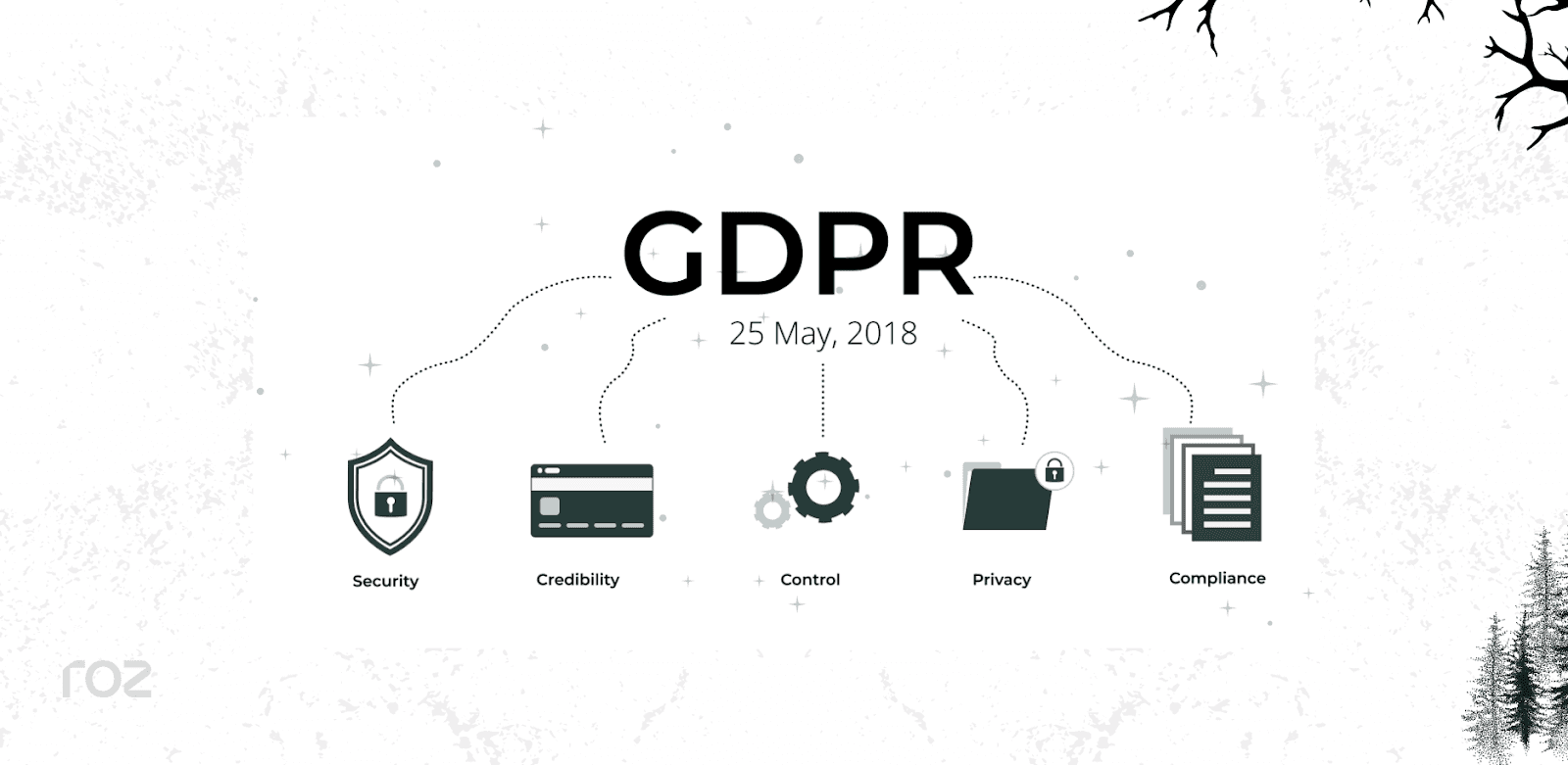
The General Data Protection Regulation (GDPR) is the European Union’s principal law on data protection and privacy. It concerns the data protection of individuals in the European Union and the European Economic Area and aims to provide harmonized data protection laws across the member states of the Union.
The regulation is meant to make the policy requirements and the rules for gathering, processing, and protecting people's data clearer. Organizations subject to GDPR must implement appropriate policies and processes to ensure transparent and lawful data handling.
Key Goals of GDPR
The regulation pursues three broad goals:
Transparency: Companies are required to provide data subjects with explanations about the collection, processing, and use of their data, usually via privacy notices and disclosures.
Strengthened user rights: Individuals have rights over their personal data, and as such, should be able to exercise the right to, in some cases, have their data accessed, corrected, deleted, or moved.
Accountability: Companies must demonstrate that their policies, procedures, and processes comply with the GDPR.
What Are GDPR Compliance Services?
GDPR compliance services are consulting, legal, and technical services that support organizations in assessing and adjusting their data handling processes in line with the requirements of the General Data Protection Regulation. Depending on the provider, these services may include data mapping, risk assessments, privacy documentation, gap assessments, and ongoing compliance management. However, legal responsibility for compliance remains with the organization.
GDPR compliance services support organizations in assessing and improving their data handling practices, but legal responsibility for compliance remains with the organization.
While compliance service providers help companies in building and maintaining privacy programs, the legal responsibility remains with the company itself. A business is legally accountable for adhering to the regulation if it operates as a data controller or data processor.
Types of GDPR Compliance Services
GDPR Gap Analysis
A gap analysis identifies where a company lacks privacy practices in relation to the GDPR and where those practices are insufficient to meet specific guidance or regulations. This is usually the starting point for building or improving a privacy compliance program.
Data Mapping and Data Inventory
For compliance to be effective, there must be clear understanding. Data mapping establishes the process of collecting personal data, the flow of data through the systems, the data stakeholders, the retention period, and the data declaration. The absence of data mapping could lead to misdirected compliance activities.
Privacy Policy and Documentation Support
This includes drafting or reviewing privacy notices, data processing agreements, and records of processing activities. This documentation needs to match the actual business practice; generic templates often require significant customization to align with an organization’s real processing activities and regulatory expectations.
Data Protection Impact Assessments (DPIAs)
Under Article 35, a data protection impact assessment is a legal requirement when processing activities will likely result in a high risk of impact to an individual’s rights and freedoms. A compliance service can help a company in identifying the need for a DPIA and provide step-by-step guidance through the assessment process.
Vendor and Third-Party Risk Assessments
Processors handling personal data on behalf of controllers must operate under a formal DPA. Compliance service aids the company in the assessment of their vendor landscape, the identification of data processors, and the implementation of contractual protections.
Data Subject Request Management
A company is legally required to respond to an individual’s request (access, deletion, portability, and other) within one month or, in the case of extensions, within the period that is constitutionally allowed. Compliance service provides the organization with the processes and infrastructure to manage these requests efficiently.
Security and Technical Safeguards
Under Article 32, compliance services help companies in figuring out the legal rules they need to follow when putting in place technical and organizational measures to protect data. Such technical measures can include organizational policies on data encryption, access controls, data minimization, and employee training.
Benefits of GDPR Compliance Services
Better Data Governance: Compliance programs provide greater visibility into how data is collected, stored, and used, which can support more informed governance decisions.
Better Regulatory Response: Companies can better respond to compliance issues as they identify and mitigate them, which lowers the regulatory response.
Greater Trust from Customers: Increased customer trust through stronger transparency and data protection practices.
Greater Efficiency in Privacy Operations: Automation and structured workflows can make it easier to manage documentation, respond to requests, and maintain evidence of compliance activities.
Who Must Comply With GDPR?
The GDPR applies to companies that collect or process data from individuals in the EU or EEA as data controllers or data processors.
Offering Goods or Services to EU Residents: Any companies providing services to EU customers, including e-commerce and SaaS services, must comply with the GDPR irrespective of their location.
Monitoring Behavior of EU Individuals: Any company that uses cookies to collect data for behavioral advertising and analytics where they are targeted is subject to the GDPR.
Processing Personal Data in the EU: Processing data from the EU means that EU and international companies that deal with EU data are required to comply with GDPR, even if data processing occurs outside the EU.
What Counts as Personal Data Under GDPR?
Direct Identifiers: Personal data that can identify an individual include their name, email, phone number, and government or employee ID numbers.
Indirect Identifiers: Personal data can also include IP addresses and other device, location, and online identifiers.
Special Categories of Personal Data: GDPR provides protection for some types of personal data that are sensitive and for which processing may have to be justified. These include health, biometric or genetic data, racial or ethnic origin, religion, and political beliefs and union membership.
Key GDPR Compliance Requirements for Businesses
Establish a Lawful Basis for Processing
Data processing activities must be based on a legal basis, which can be one of the following: explicit consent of the individual, contract, the individual’s legitimate interest, or legal obligation to the company.
Maintain Records of Processing Activities (ROPA)
Data controllers and processors must keep track of the type of data being processed, the purpose behind it, its retention period, and the mechanism for data transfers. Companies with less than 250 employees have certain exemptions; however, these exemptions are highly limited.
Implement Technical and Organizational Safeguards
Loss prevention, unauthorized access, and alteration to sensitive data should be protected by a combination of safeguards (e.g., encryption, access controls, and other monitoring safeguards).
Enable Data Subject Rights
Companies that fall under GDPR must respond to the data subject’s access request, deletion, and corrections to the data. You must respond within one month of the request.
Breach Notification Obligations
Under Article 33, data controllers must notify the relevant supervisory authority of a data breach involving personal data within 72 hours of discovering it.
Under Article 34, it mandates the notification of affected individuals when a data breach significantly jeopardizes their rights and freedoms.
GDPR Non-Compliance Risks
Regulatory Fines
GDPR fines have a two-tier structure.
Under Article 83(4), less serious violations in this area, such as a lack of documentation or failing to appoint a Data Protection Officer when required, are described as being fined up to €10 million or 2% of total worldwide annual turnover, whichever is greater.
More serious violations under Article 83(5) include fundamental processing principle breaches, failing to obtain valid consent, or violations of data subject rights. Such violations may accrue fines of up to €20 million or 4% of total worldwide annual turnover, whichever is greater.
The biggest GDPR fine ever given was Meta's unlawful transatlantic data transfers case, which was €1.2 billion in 2023. Enforcement is broad and active.
Legal and Regulatory Investigations
Data supervisory national authorities in the EU perform investigations, issue reprimands, and have the ability to impose temporary or permanent restrictions regarding data processing.
Reputational Damage
Customer trust is lost, enterprise sales cycles are made more complex, media attention is attracted, and regulatory measures are often temporal. Privacy violations have long-lasting repercussions.
How to Choose GDPR Compliance Services
Regulatory Expertise
Consider providers who have proven knowledge of specific privacy laws, experience in conducting assessments, and understanding of the regulatory specifics of your industry.
Technical Capabilities
The right privacy partner can also help with the technical side of data discovery, automation of privacy workflows, and privacy monitoring, not just the legal side. Search for partners with integrated technical and legal services.
Documentation and Audit Readiness
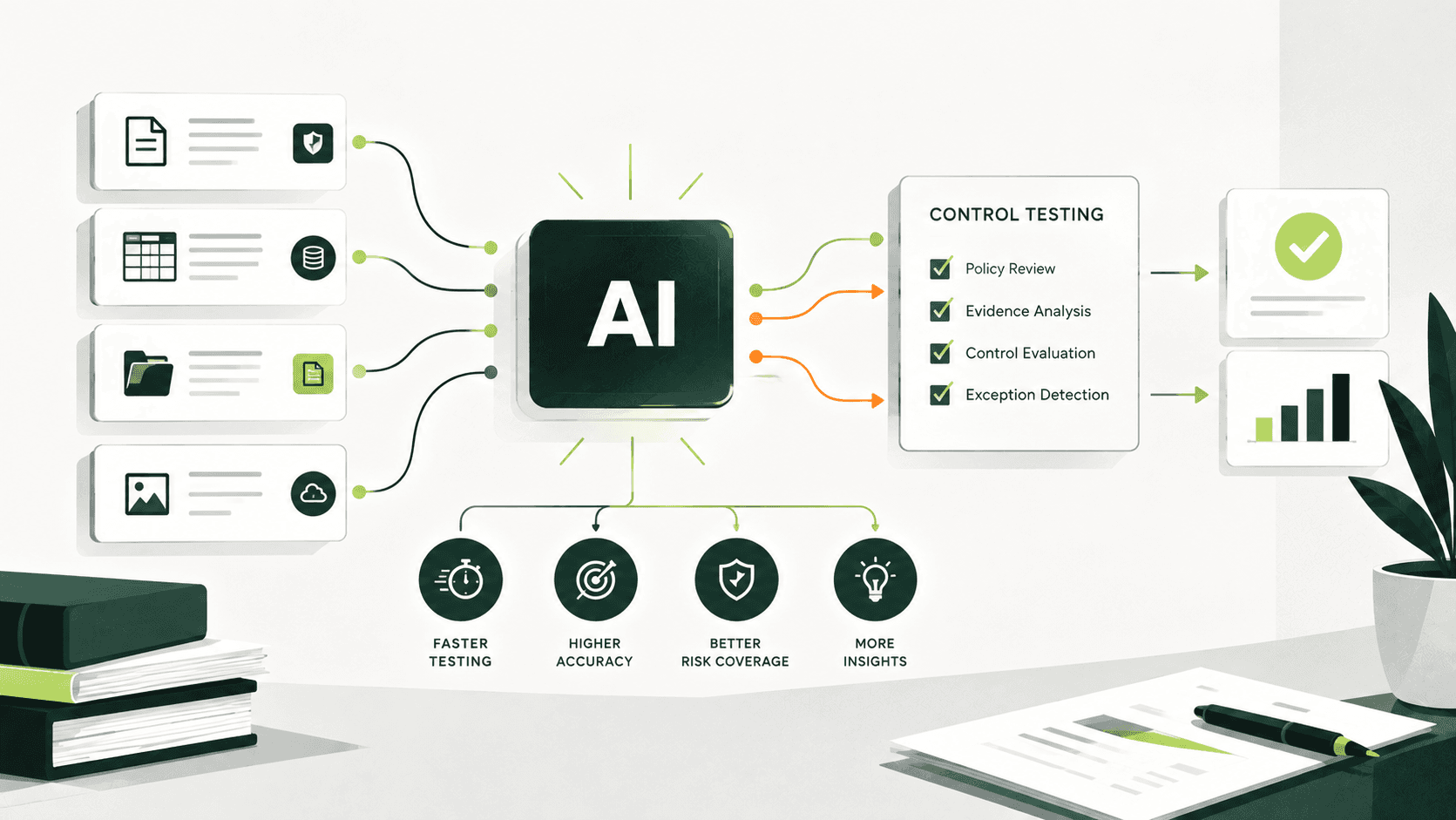
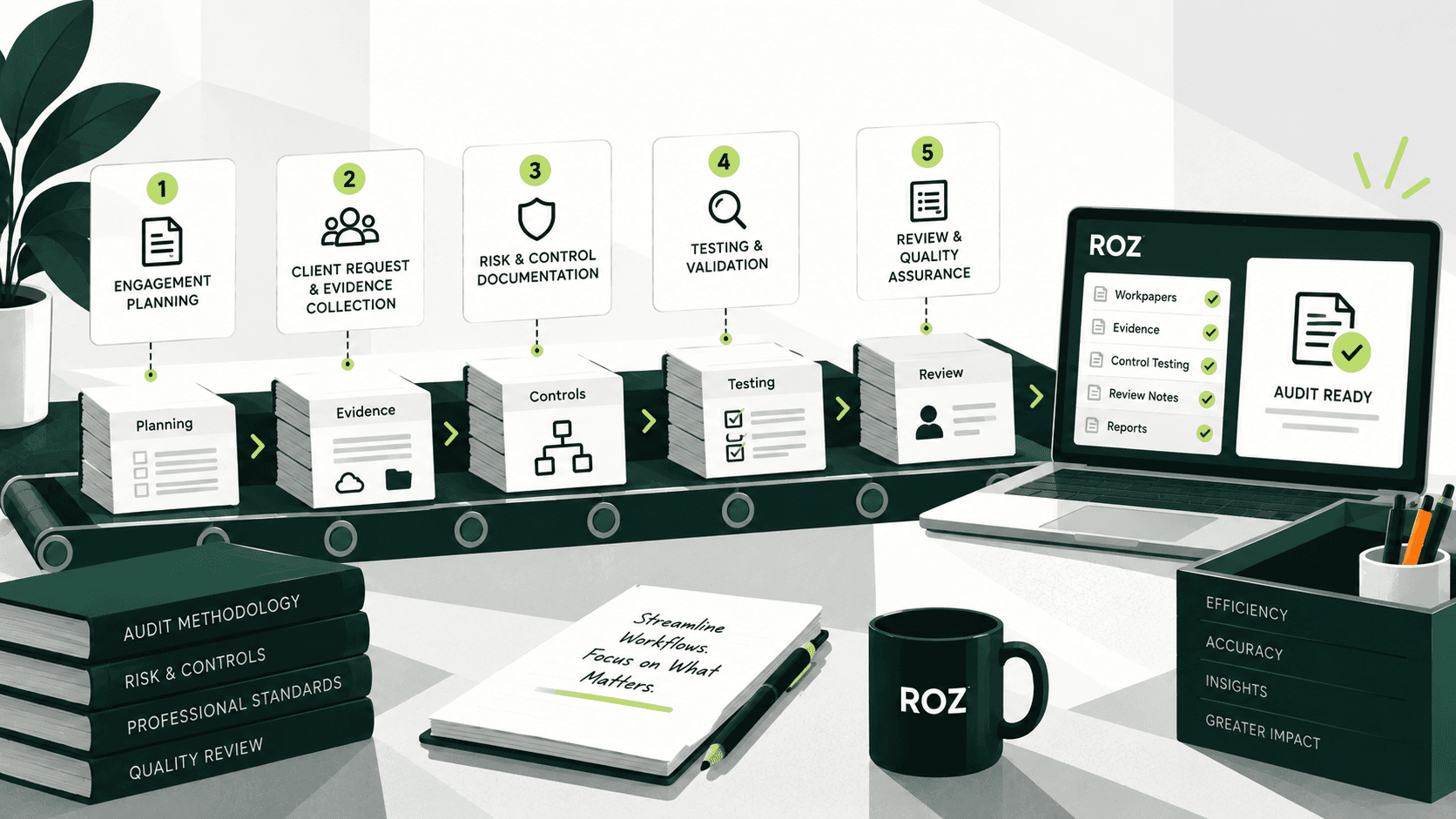
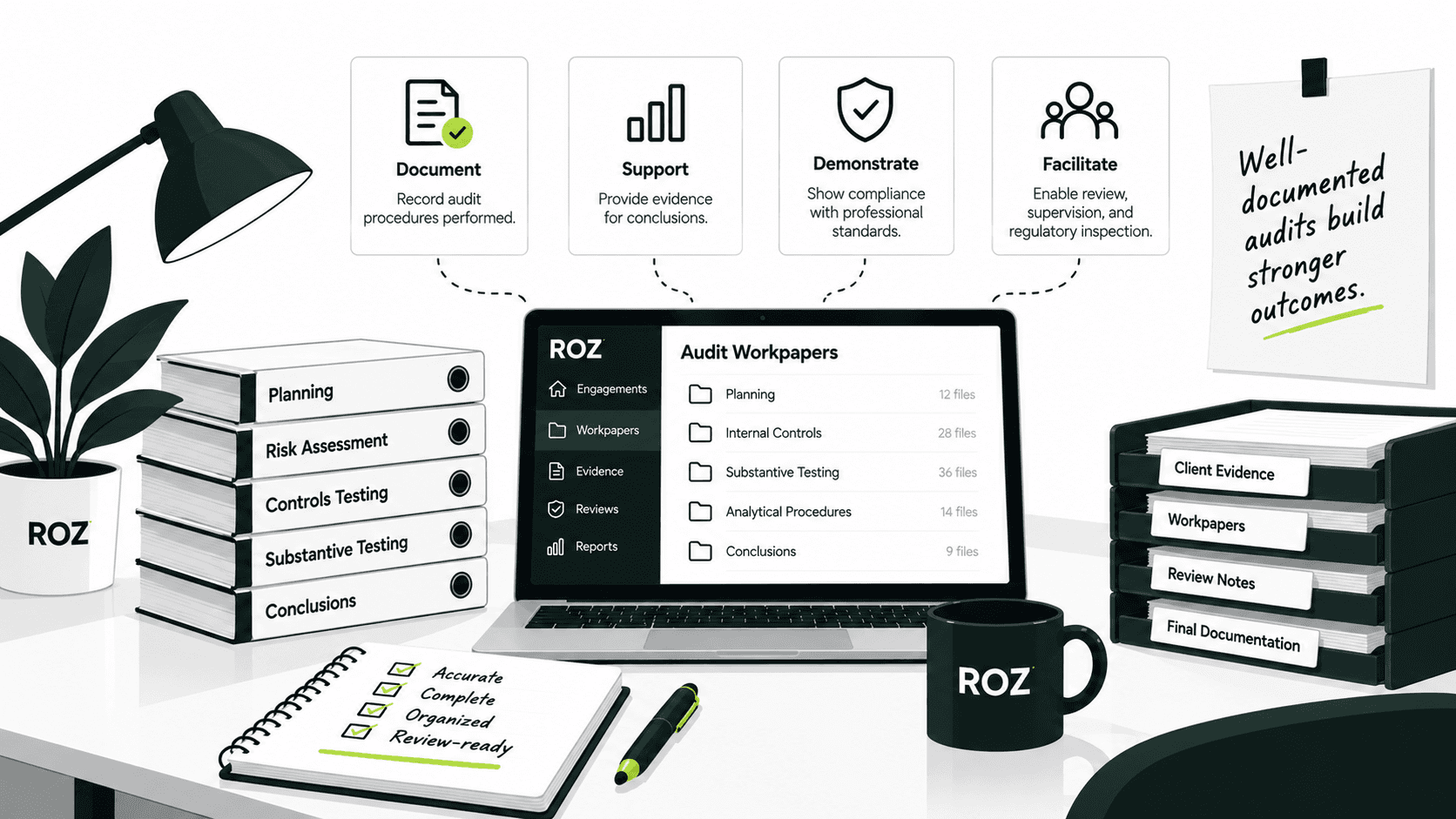
A strong compliance service provider helps organizations maintain well-organized evidence that is traceable, current, and ready for regulatory review. Platforms like Roz support this process by streamlining documentation and engagement workflows.
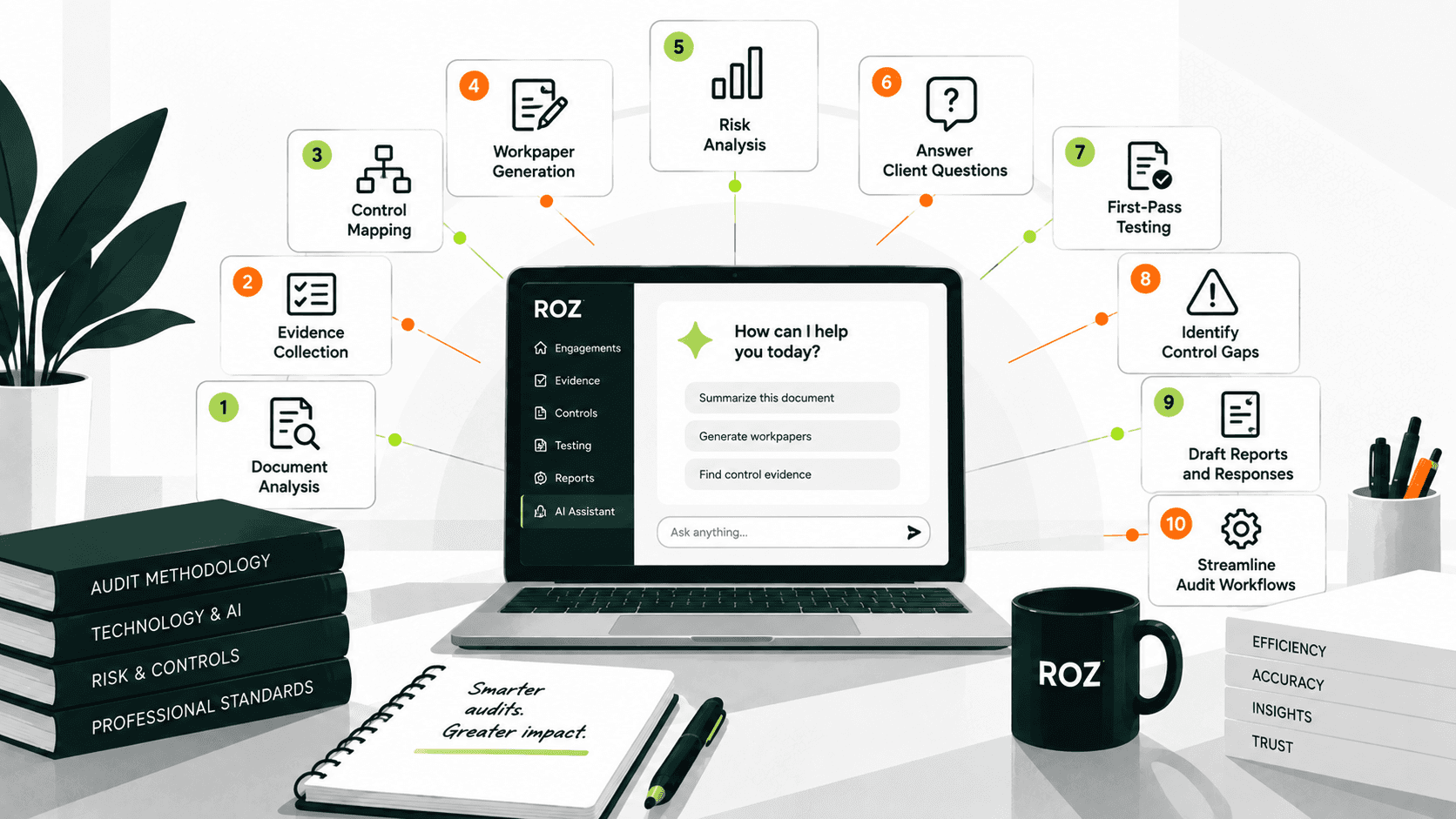
We are a platform that uses AI to help CPA firms and advisory teams create workpapers, analyze gaps, and organize compliance documents more easily and quickly, cutting down on the manual work that usually makes these tasks slower.
For teams working on GDPR assessments, Roz can pull out controls from client documents, point out any missing information, and create organized reports that are easy to track. This reduces first-pass drafting time, standardizes quality across engagements, and improves review efficiency.
Conclusion
The GDPR establishes a legal framework governing how organizations collect and process personal data of individuals located in the European Union. Its objective is to strengthen privacy protections and establish consistent data protection standards across EU member states.
Because privacy obligations are operationally complex, many companies rely on GDPR compliance services that combine regulatory expertise with practical support for documentation, risk assessments, and privacy program management.
For companies supporting GDPR compliance engagements, platforms such as Roz can help improve documentation workflows, support gap analysis, and streamline the organization of compliance evidence.