If you have ever finished fieldwork only to spend the next two weeks writing it all up, you already know the problem. Documentation often takes more time than the testing itself. And when it falls behind, the cost shows up later as review notes, inspection findings, and rework you did not plan for.
This matters whether you are performing a financial statement audit, an internal audit, a SOC 2 examination, an ISO 27001 readiness assessment, or SOX testing. The framework changes, but the principle does not: if the work is not documented clearly, it may not be possible to demonstrate that it was performed in accordance with applicable auditing standards.
In this article, you will learn what audit documentation is, why it matters, what your workpapers should include, and the standards that govern them. It also walks through nine best practices you can apply to your next engagement.
What Is Audit Documentation?
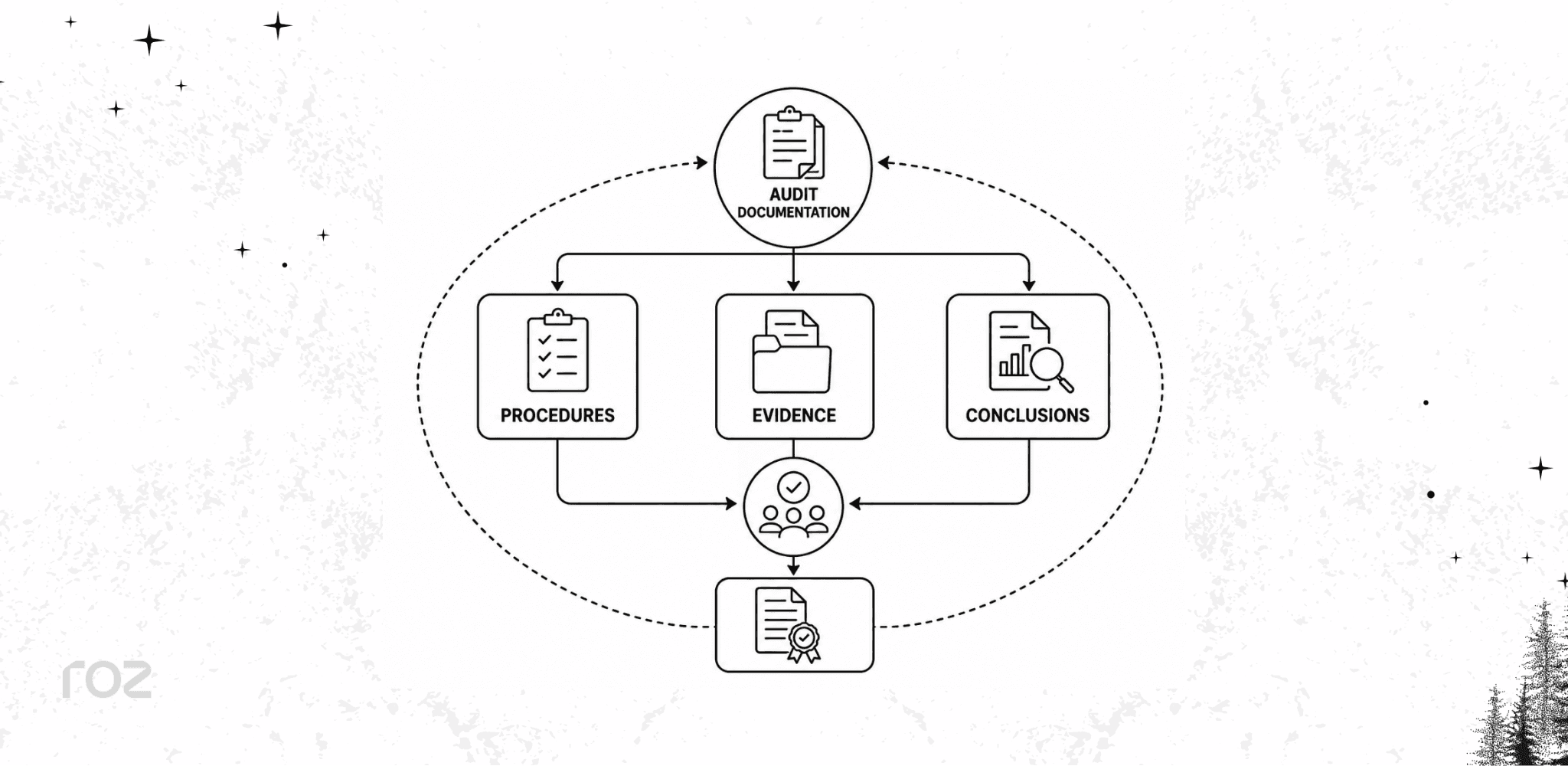
Audit documentation is the written record of the audit procedures you performed, the evidence you obtained, and the conclusions you reached. It is commonly referred to as your workpapers or working papers, and it can exist on paper or, more often today, in electronic audit software.
The purpose of audit documentation is to provide a record that the audit was planned and performed in accordance with applicable standards and to support the conclusions you reached in your report. Without adequate documentation, it may be difficult to demonstrate what work was performed, who performed it, and how conclusions were reached.
Two standards define what adequate documentation looks like:
ISA 230 (International Standard on Auditing) describes documentation as the record of procedures performed, evidence obtained, and conclusions reached. Its guiding rule is the "experienced auditor" test: your file must be detailed enough that an experienced auditor with no prior connection to the engagement can understand the nature, timing, and extent of your work, its results, and the significant judgments behind your conclusions.
PCAOB AS 1215 defines audit documentation as the written record of the basis for the auditor's conclusions. It requires documentation that clearly demonstrates the procedures performed, evidence obtained, and conclusions reached, along with evidence of who performed and reviewed the work and the dates of that work.
Ultimately, the strength of an audit depends not only on the work performed but also on the quality of the documentation supporting it.
Why Audit Documentation Matters
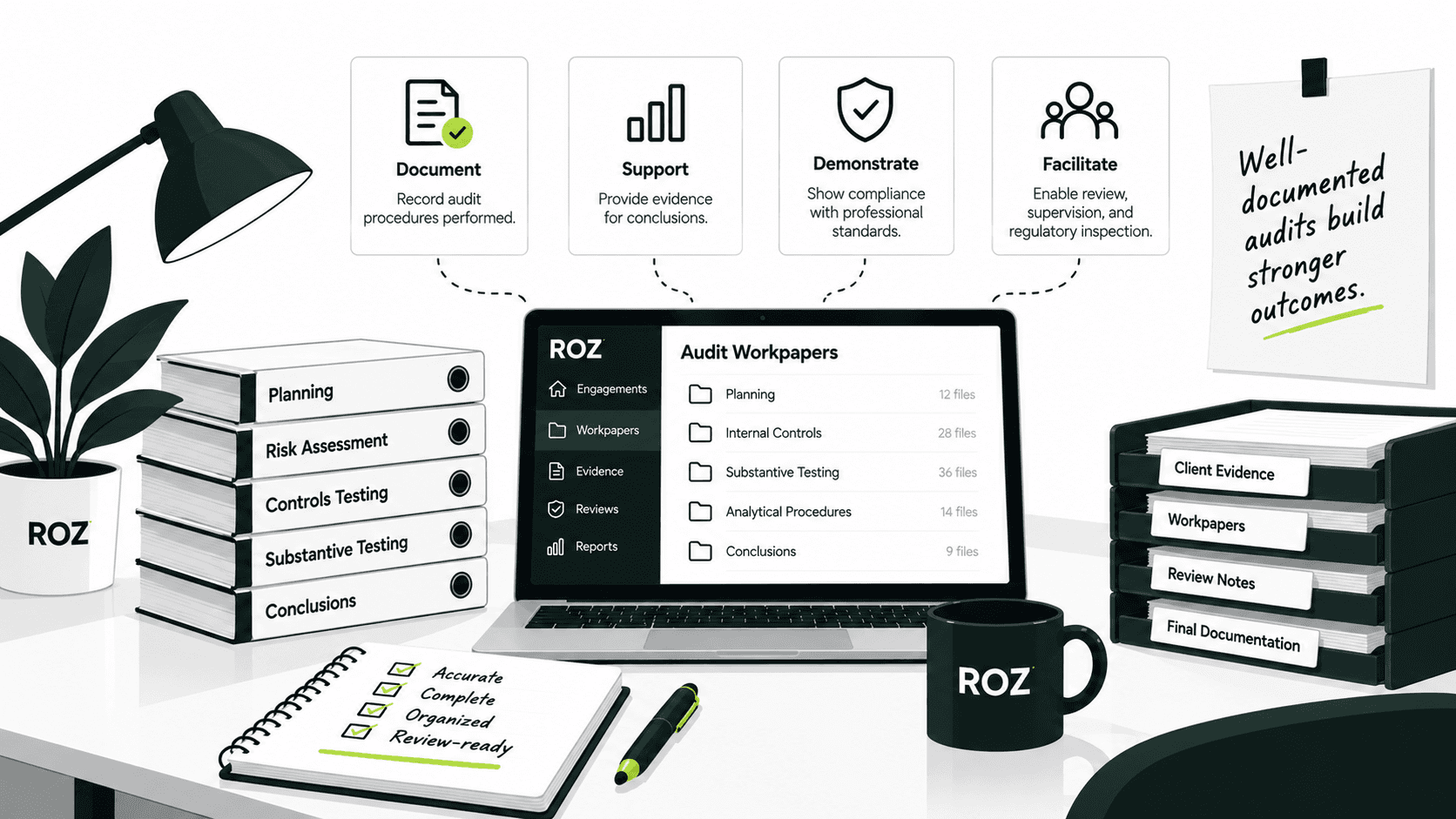
Good documentation does more than satisfy a standard. It carries weight at every stage of the engagement and long after the report is signed. Strong workpapers help you:
Support audit conclusions by linking evidence directly to the opinion.
Demonstrate compliance with applicable auditing standards and regulatory requirements.
Facilitate reviewer oversight so engagement partners and quality reviewers can trace your reasoning.
Improve consistency across team members and across periods.
Prepare for inspections by PCAOB, AICPA, or other regulators.
Defend professional judgments if questions arise after the report date.
Maintain institutional knowledge that successor auditors and future engagements can rely on.
The downside is just as concrete. Missing, unclear, or inconsistent documentation is one of the most common reasons inspectors flag deficiencies, even when the underlying work was sound.
Audit Documentation vs. Audit Evidence: What's the Difference?
These two terms are often used together, but they are not the same thing. Evidence is what you gather. Documentation is how you record what you did with it.
Audit Documentation | Audit Evidence | |
Definition | The written record of procedures, evidence, and conclusions | The information the auditor obtains to support audit conclusions. |
Purpose | Shows how you reached your conclusions | Supports whether an assertion is correct |
Examples | Workpapers, schedules, memos, audit programs | Invoices, contracts, confirmations, bank statements |
Source | Created by the auditor | Obtained from the client or third parties |
Relationship | Records and interprets the evidence | Provides the basis for the audit documentation. |
Put simply: evidence supports your conclusions, and documentation records how you used that evidence to reach them.
A Real Example
The relationship between evidence and documentation can be illustrated through a revenue-testing example:
Invoice (the source document)
↓
Audit Evidence (the auditor obtains and evaluates the invoice)
↓
Revenue Testing (the auditor performs testing)
↓
Workpaper (the auditor records the procedures and results)
↓
Audit Documentation (the workpaper becomes part of the audit file)
What Should Audit Documentation Include?
Your audit documentation should enable an experienced auditor with no prior connection to the engagement to understand the work performed, the evidence obtained, and the conclusions reached. A complete audit file typically includes:
Client and engagement information
Client details
Reporting period
Engagement scope
Team members
Planning documentation
Materiality assessments (including performance materiality, where applicable)
Risk assessment
Audit strategy
Planning memo
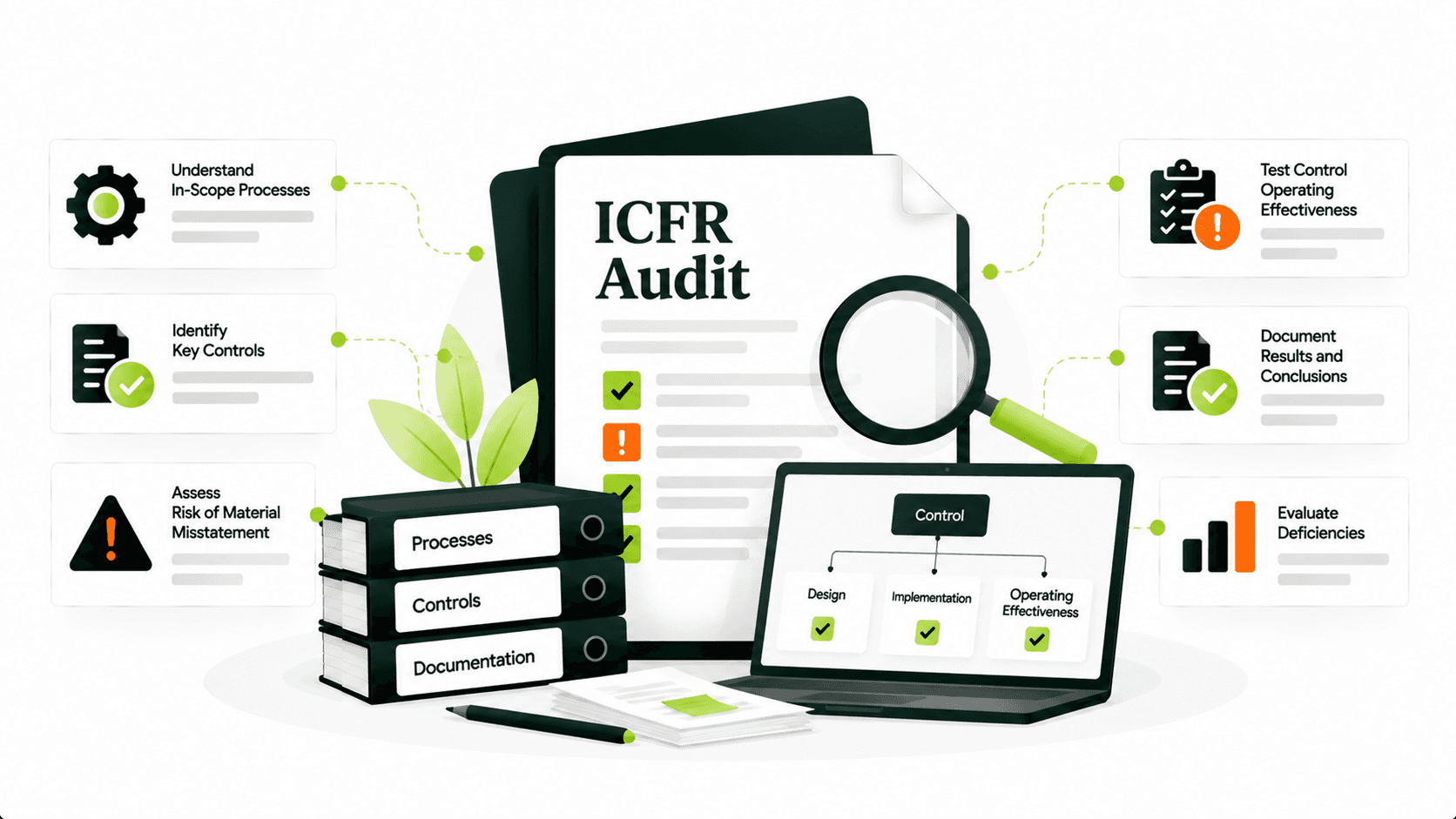
Internal controls documentation
Process narratives
Flowcharts
Risk control matrix (RCM)
Walkthroughs
Audit procedures
Control testing
Substantive testing
Analytical procedures
Audit evidence
Contracts, policies, and confirmations
Screenshots, logs, and system exports
Bank statements and invoices
Findings and exceptions
Description of the exception
Root cause
Impact on the engagement
Additional testing performed
Final resolution
Conclusions
Overall conclusion
Reviewer sign-off
Cross-references to supporting workpapers
Support for the audit conclusions and, where applicable, the audit opinion.
A note on findings: do not just record that an exception existed. Document why it happened, how it affected your conclusions, and how you resolved it.
Audit Documentation Standards and Lifecycle
Key Audit Documentation Standards
ISA 230 requires your documentation to capture the nature, timing, and extent of procedures performed; the results of those procedures and audit evidence obtained; the significant judgments you made; and evidence of review. ISA 230 also addresses file handling: assemble the final file on a timely basis (typically within 60 days of the report date) and retain it for a period that is ordinarily no shorter than five years.
PCAOB AS 1215 requires documentation to be detailed enough for an experienced auditor, having no previous connection with the engagement, to understand the procedures performed, evidence obtained, and conclusions reached. It also requires an engagement completion document identifying significant findings, evidence of supervision and review, and a seven-year retention period from the report release date. The final set should be assembled no more than 14 days after the report release date.
Retention periods differ by standard, regulation, firm policy, and jurisdiction, so confirm the rules that apply to your engagement.
The Audit Documentation Lifecycle
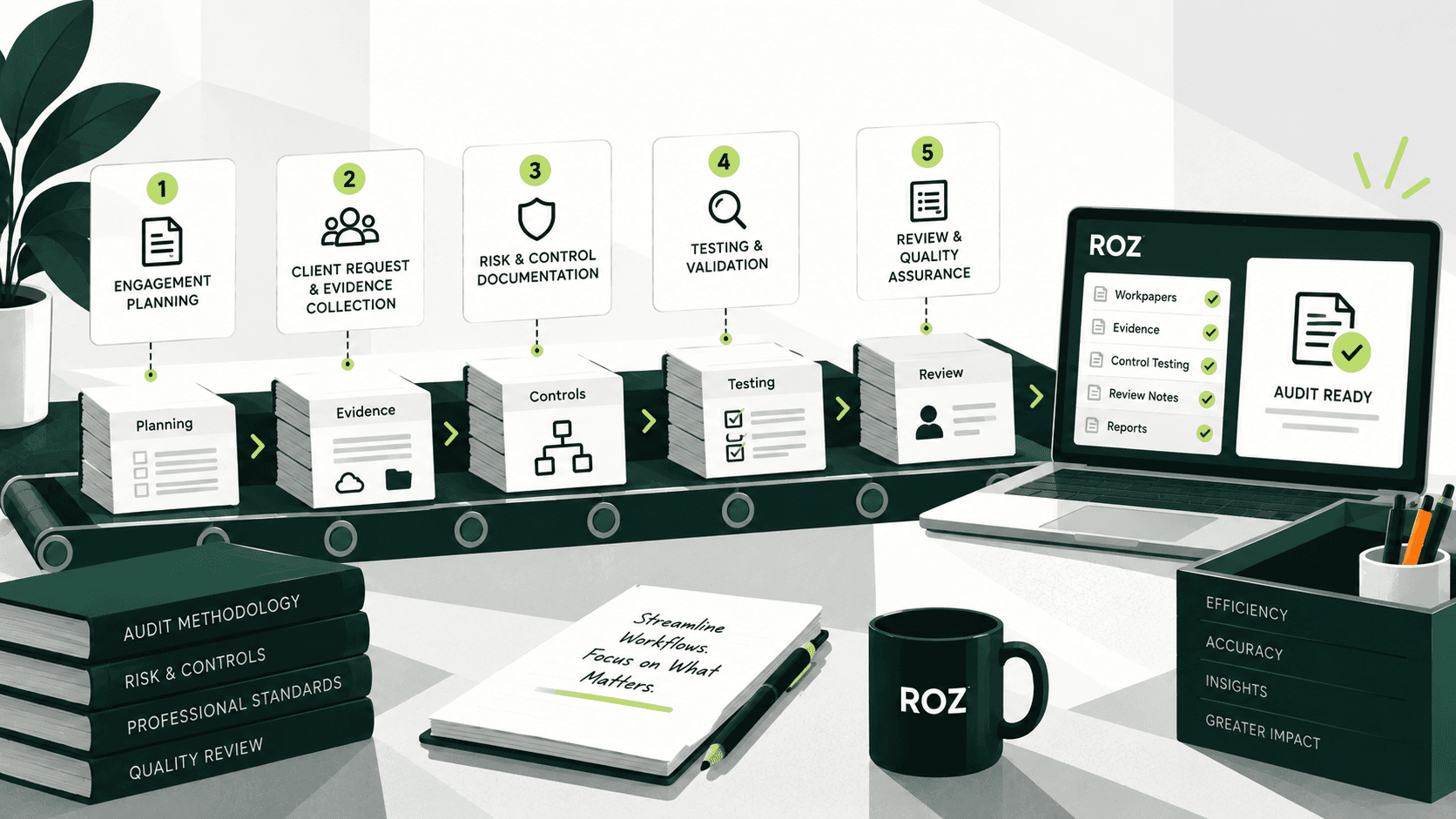
Documentation is not a single task at the end. It follows the engagement from start to archive:
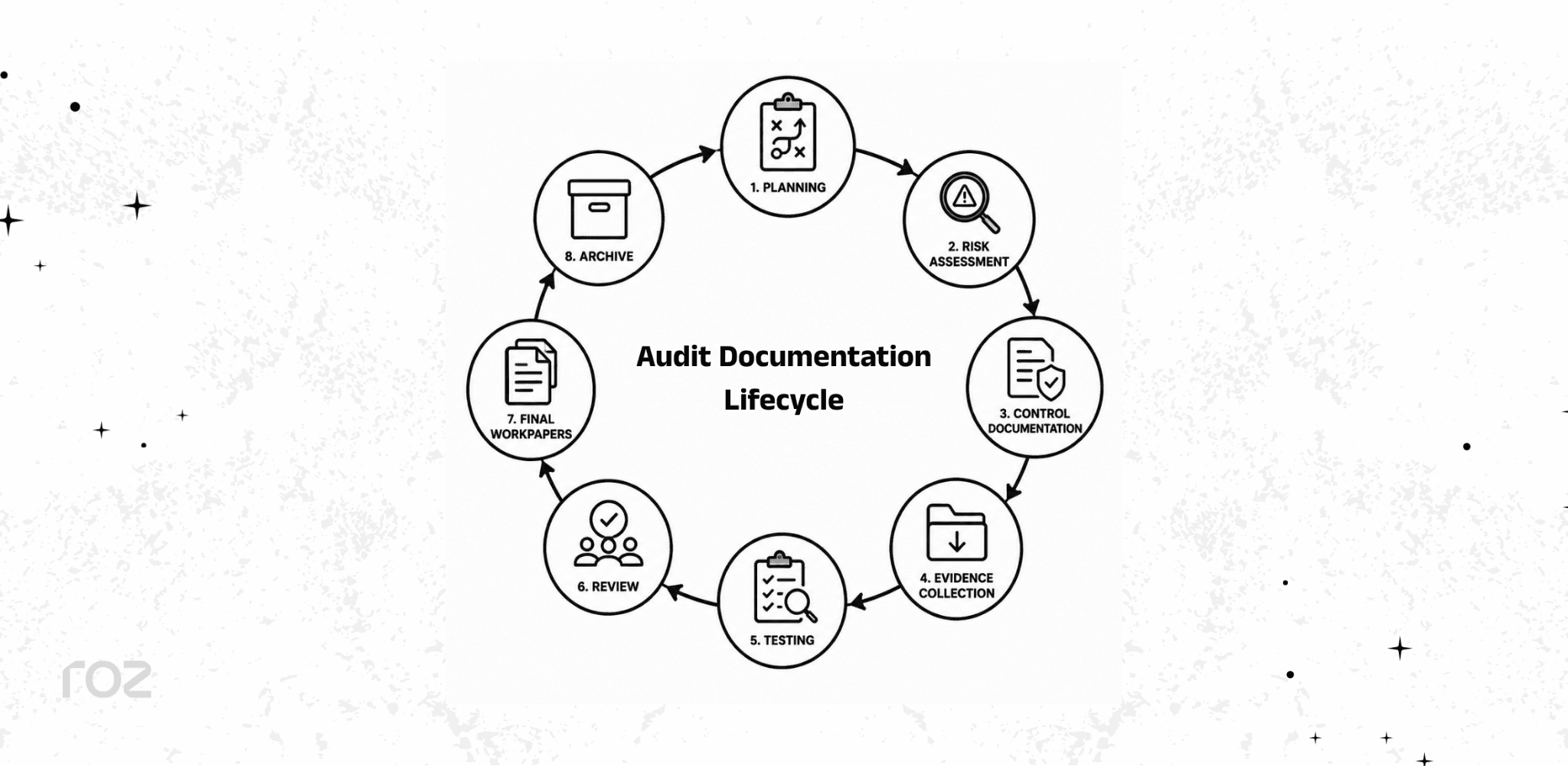
Each phase produces its own records. Planning captures your strategy and materiality. Risk assessment links identified risks to your responses. Control and evidence work builds the supporting file. Review confirms quality, and the completed file is finalized and archived for the required retention period.
Audit Documentation Best Practices
These nine practices reduce review notes and make your file easier to defend.
Document while performing work: Documenting procedures and findings when you work is much more efficient than doing this weeks after the fact. Documenting concurrently results in improved accuracy and reduces documentation rework.
Focus on relevant evidence: Ensuring only relevant material is documented is much easier for reviewers than a documented file that is very large but contains a lot of irrelevant material.
Cross-reference everything: Maintain a clear linkage between risk, control, evidence, testing, and conclusion. Every conclusion should trace back to the evidence behind it.
Document professional judgment: Document the rationale behind significant professional judgments, including sampling decisions, materiality, exceptions, and accounting estimates.
Standardize workpapers: Use consistent templates and naming conventions. Standardization speeds up reviews, keeps quality consistent across staff, and reduces missed procedures.
Maintain clear version history: Changes to documentation should be time-stamped and include the name of the person that made the change. This preserves the integrity of the work and protects the audit.
Make documentation review-friendly: A review becomes much more efficient and consistent when documentation clearly cites who prepared, reviewed, and approved the work along with the date, status, and any notes.
Protect audit files: Shield audit files with access controls, encryption, retention policies, and backups. Safeguarding these files helps maintain their integrity and confidentiality throughout the retention period.
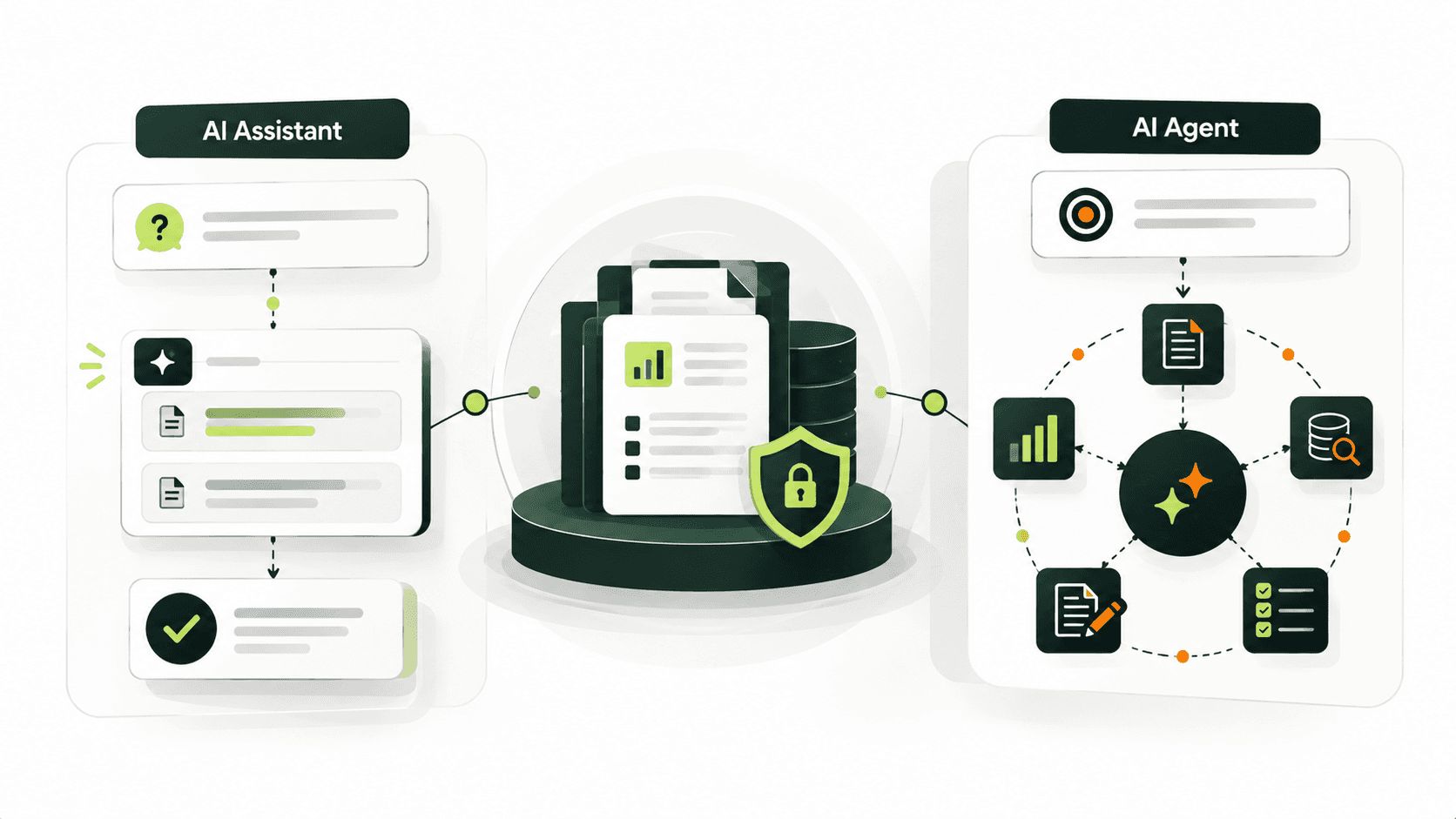
Use technology where it helps: AI-assisted tools can help organize evidence, generate draft workpapers, and support review workflows. Auditors remain responsible for evaluating the evidence, exercising professional judgment, and reaching the final conclusions.
Common Audit Documentation Challenges and Mistakes
Most documentation problems are predictable, which means they are preventable. The table below pairs the common challenges with the practice that addresses each one.
Challenge | Best Practice |
Missing evidence | Link evidence to the relevant workpaper promptly |
Unsupported conclusions | Document the rationale and supporting evidence |
Poor indexing | Use consistent naming and indexing conventions |
Duplicate documents | Maintain a centralized evidence repository |
Generic workpapers | Tailor workpapers to the engagement |
Late documentation | Document procedures as you perform them |
Weak review process | Establish a formal review workflow |
Version confusion | Maintain version history and an audit trail |
Common Mistakes to Avoid
Over-documenting irrelevant information
Missing reviewer approvals
Recording judgments without support
Broken cross-references
Poor file organization
Workpapers with no clear conclusion
How Roz Helps Streamline Audit Documentation
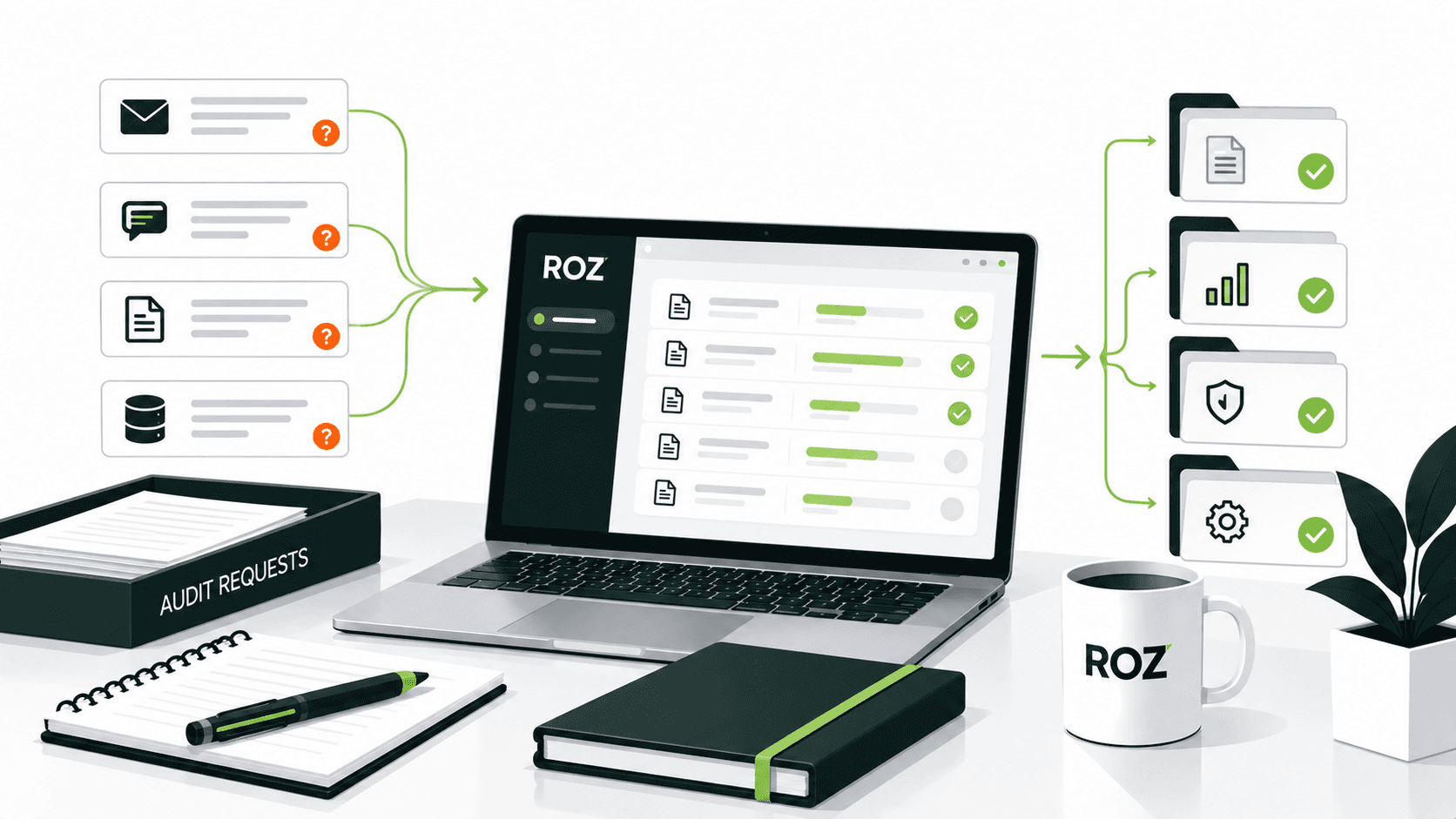
Manual documentation tends to create the same challenges on every engagement: evidence scattered across folders and inboxes, the same workpapers drafted from scratch, and review cycles that stretch longer than they should.
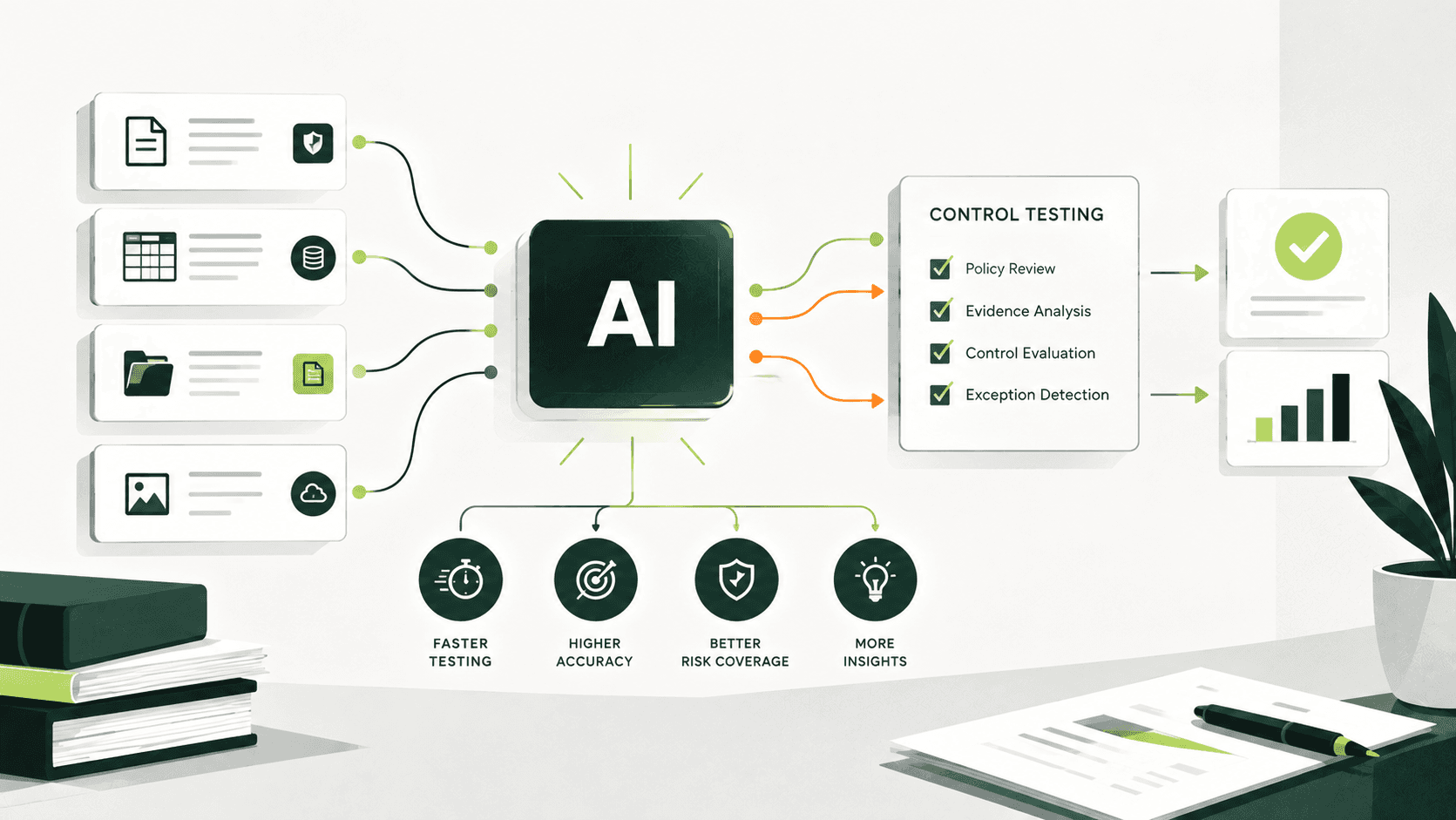
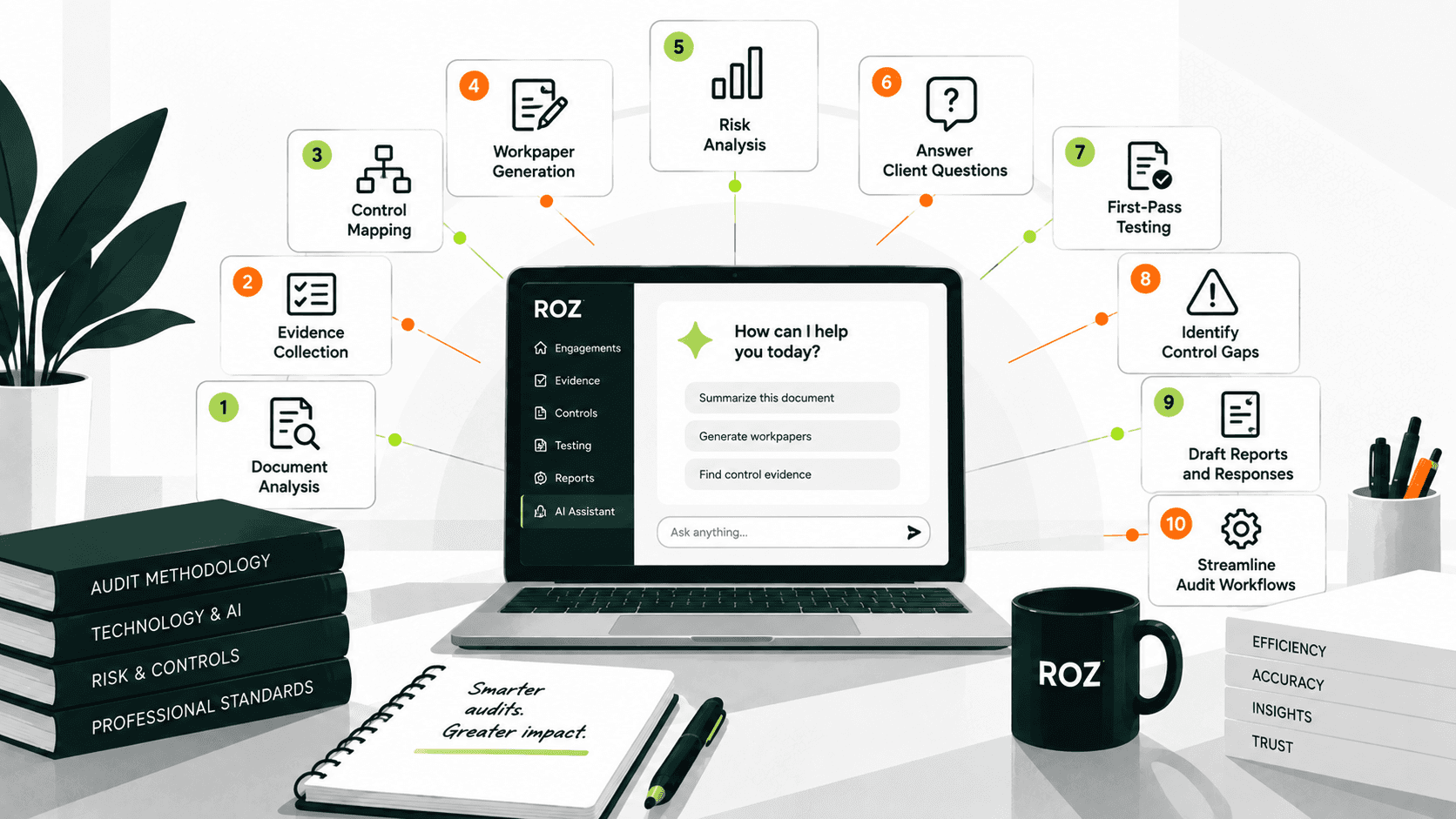
Roz is an AI platform built specifically for external audit and advisory firms. It helps teams accelerate evidence collection, perform readiness assessments, and execute control testing across sampled or full populations, with human-in-the-loop validation keeping auditor judgment at the center of every engagement. Roz supports firms across frameworks including SOC, HITRUST, ISO 27001, HIPAA, and CMMC, helping teams grow practice capacity without adding headcount.
Applied to documentation, that means Roz can:
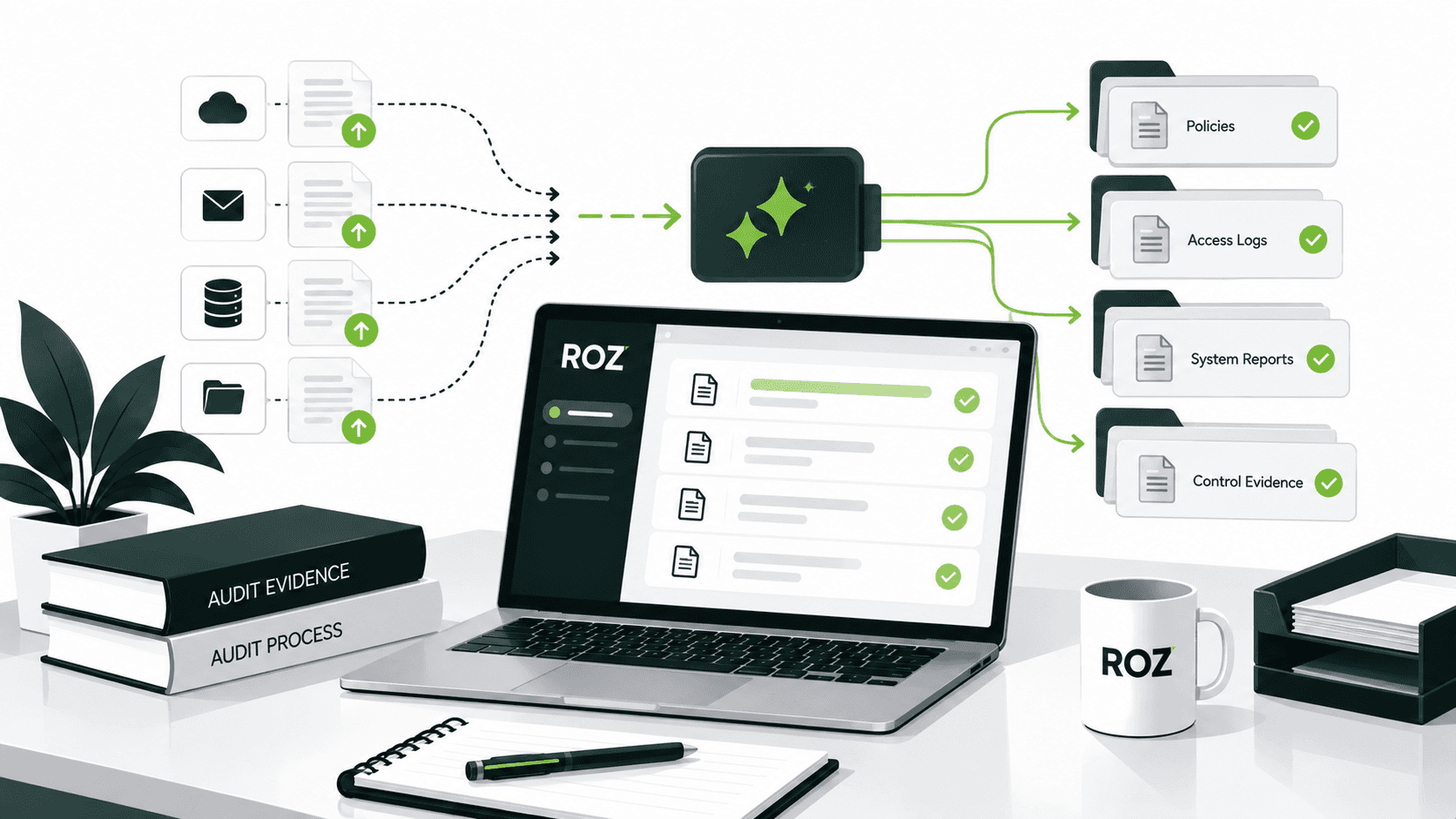
Organize evidence in client-specific workspaces, so each engagement's files stay in one structured place.
Generate a first pass of workpapers from firm-approved templates and client evidence.
Surface documentation gaps during readiness assessments before they become review notes.
Maintain traceability with source-linked evidence and full audit trails.
Support reviewer workflows with organized, evidence-backed outputs.
The goal is not to replace the auditor but to reduce administrative effort. This allows your team to focus on review, professional judgment, and final conclusions.
Conclusion
Clear, complete audit documentation helps support a defensible audit. Well-prepared workpapers support your conclusions, improve review efficiency, and help demonstrate compliance with applicable auditing standards. Standards like ISA 230 and PCAOB AS 1215 reinforce these same principles.
To improve your documentation, document your work as you perform it, cross-reference evidence to your conclusions, and clearly explain significant professional judgments. Modern audit platforms can reduce administrative effort while maintaining traceability, allowing auditors to focus more on analysis and professional judgment.
Frequently Asked Questions
What are audit workpapers?
Audit workpapers are the records that document the audit procedures performed, evidence obtained, and conclusions reached. They support the audit opinion and demonstrate compliance with applicable auditing standards.
What does ISA 230 require?
ISA 230 requires auditors to prepare documentation that enables an experienced auditor with no prior connection to the engagement to understand the procedures performed, evidence obtained, judgments made, and conclusions reached.
How long should audit documentation be retained?
Retention periods vary by standard and jurisdiction. ISA 230 ordinarily requires retention for at least five years, while PCAOB AS 1215 requires seven years. Always follow the requirements applicable to your engagement.
Can AI help with audit documentation?
Yes. AI can help organize evidence, generate draft workpapers, and identify documentation gaps. However, auditors remain responsible for professional judgment and final conclusions.