Control design testing evaluates whether a control is structured properly to mitigate a specific risk at a single point in time. Operating effectiveness testing evaluates whether that control functioned consistently over a specified period. Organizations need both to pass frameworks like SOC 2, SOX, and ISO 27001.
Organizations often struggle to determine whether their controls are functioning effectively in practice or only appear adequate on paper. When organizations prepare for compliance audits, they often conflate having a written policy with having a functional control environment. This confusion leads to failed audits and exposed vulnerabilities.
Control design testing vs operating effectiveness is a critical distinction in risk management. Design effectiveness evaluates whether the control is properly designed to address a risk. Operating effectiveness evaluates whether the control actually worked in practice. Both are essential in SOC 2, SOX, ISO 27001, and internal audits.
In this article, I will clarify the differences and explain how modern tools can streamline your control testing processes.
What Is Control Design Testing?
Control design testing answers a foundational question: Would this control effectively mitigate the identified risk if performed as designed?
This process is a point-in-time assessment. It focuses entirely on the architecture of the control, rather than on its historical execution of the control. Auditors look at control objectives, risk mitigation strategies, segregation of duties, approval workflows, and whether the controls are preventive or detective. The goal is to determine if the theoretical structure of the control is capable of preventing or detecting a relevant financial, operational, or security risk.
For example, consider a control over production access. A proper test of design would verify that the documented process requires:
A formal access request
Manager approval
A security team review
Ticket documentation before access is granted
If the documented control design sufficiently mitigates the access control risk, then the control design is considered effective.
What Is Operating Effectiveness Testing?
Operating effectiveness testing concerns a different consideration: Did the control function as designed for the required period?
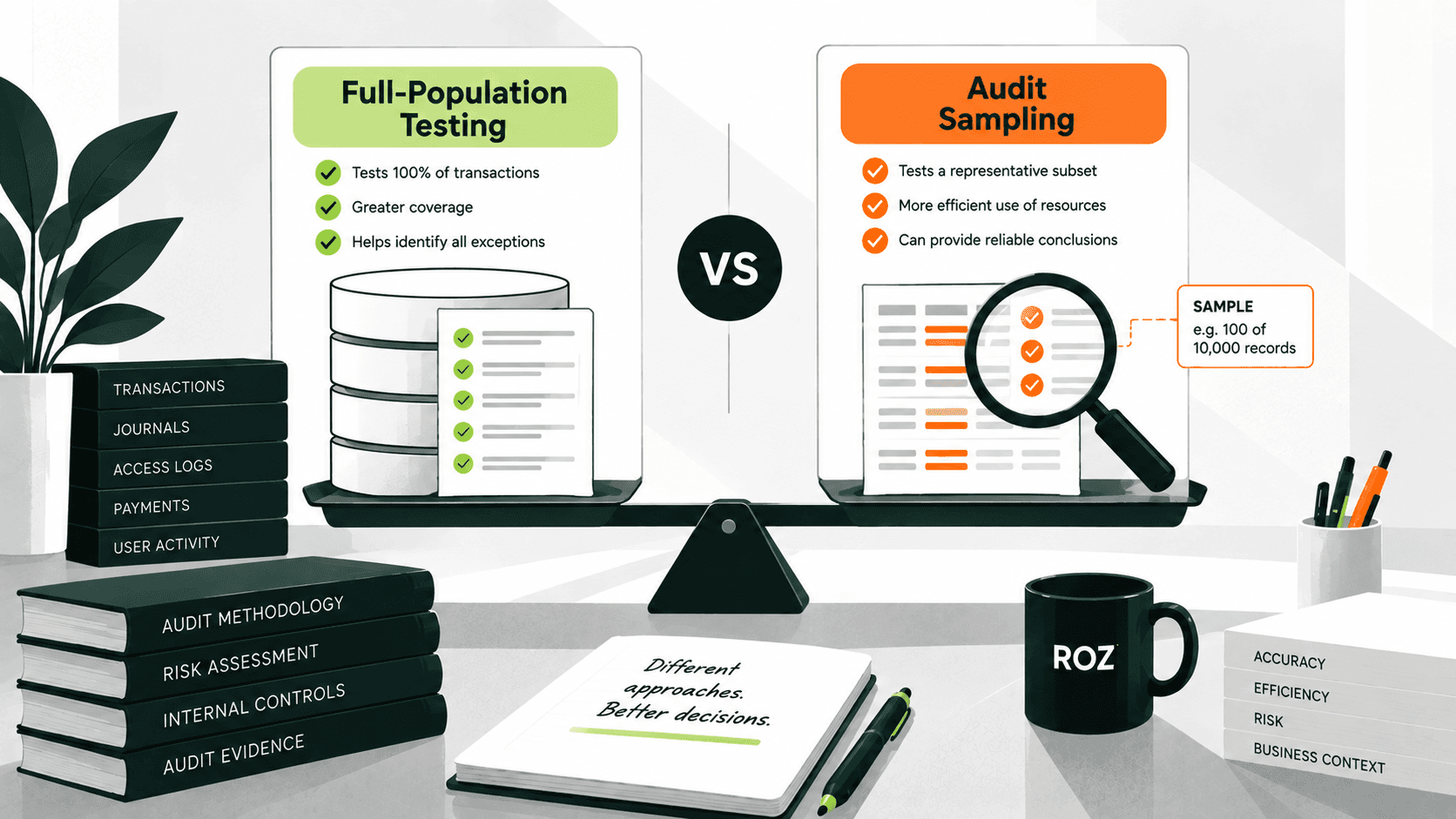
Unlike control design assessment testing, operating effectiveness testing examines the control design’s function as intended. The auditors validate control operating effectiveness by testing control samples for the period under review.
This process may include the following:
Checking evidence.
Reperforming certain activities.
Evaluating exceptions.
Assessing the records of approval.
Checking that the control was performed with the needed frequency.
For example, testing the production of access controls for the described process, the auditor may select a sample of access requests from the previous year. Once the auditor confirms that management and security approvals were obtained before access was provided and that evidence was supported, then the control has operated as intended. If approvals were documented, then the control would generally be considered operating effectively.
Control Design Testing vs Operating Effectiveness
Understanding design effectiveness vs operating effectiveness is easier when you compare their core attributes side-by-side.
Area | Design Testing | Operating Effectiveness |
Focus | Structure and architecture | Execution and adherence |
Timing | Point-in-time | Over a specified period (e.g., 3-12 months) |
Goal | Could the control work? | Did the control work? |
Evidence | Policies, process narratives, workflows | System logs, completed tickets, sample sets |
Failure Example | A process is missing an approval step | An approval step was bypassed in practice |
This control testing comparison highlights that you are not just checking two different boxes; you are evaluating two entirely different dimensions of risk management.
Why Auditors Test Both Design and Operating Effectiveness
A poorly designed control cannot operate effectively. Conversely, a well-designed control may still fail operationally. Because both risks exist, auditors test both aspects to provide comprehensive assurance.
A design failure occurs when the architecture itself has flaws. For example, if developers are allowed to self-approve production changes in the documented policy, the control is poorly designed. Even if the developers follow the policy perfectly, the risk of unauthorized code deployment remains high.
An operating failure occurs when required procedures are not consistently followed. For example, a company policy requires quarterly access reviews. However, the operating effectiveness test reveals that access reviews were skipped for two consecutive quarters. The design was adequate, but the operational execution failed.
This dual testing approach is a core requirement across major frameworks. In SOC 2 control testing, a Type I report evaluates only design, while a Type II report evaluates both design and operating effectiveness over a period of time. Similar requirements apply to SOX control testing, ISO 27001, CMMC, and standard internal audit programs.
Typical Control Testing Workflow
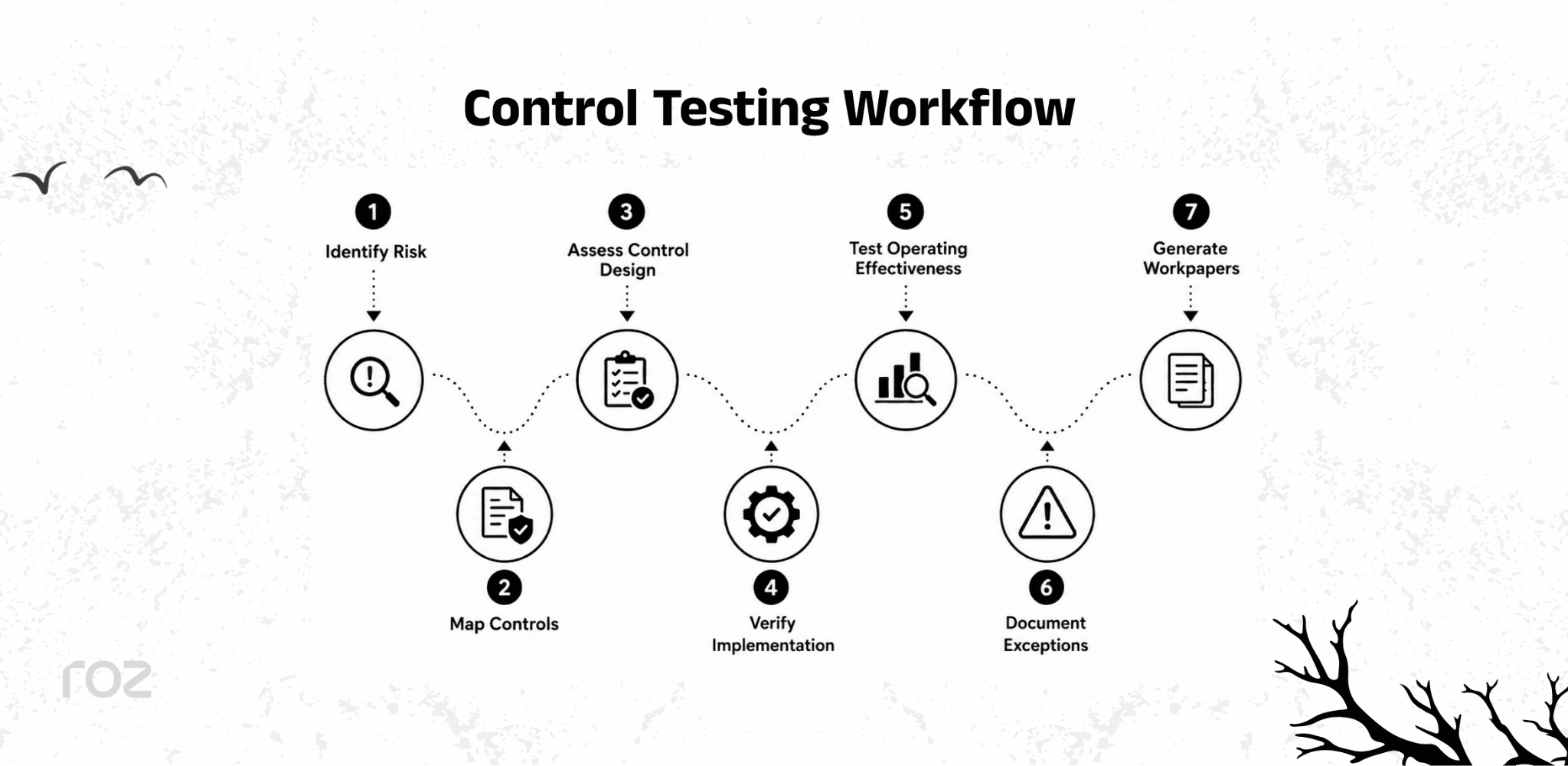
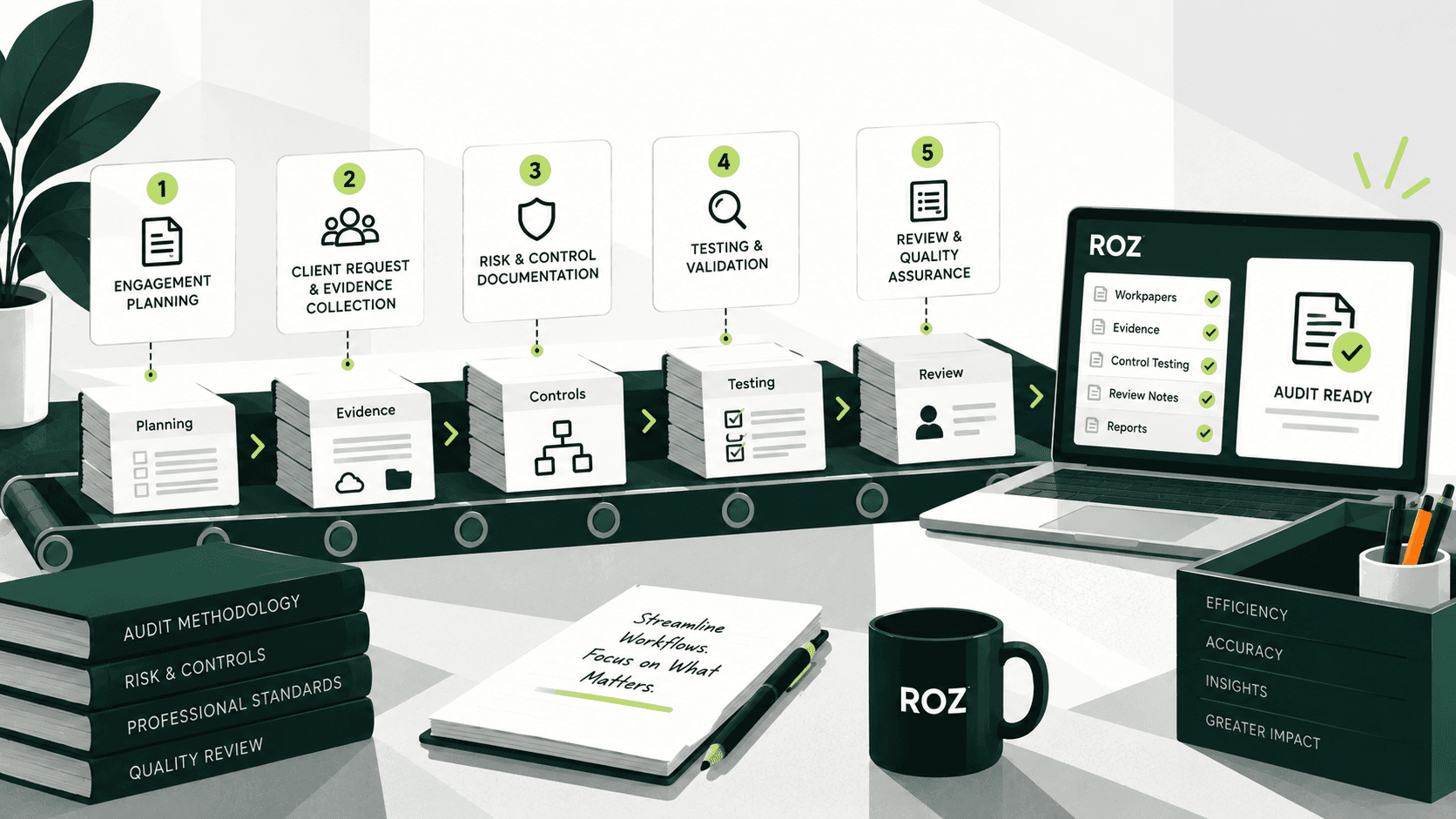
Control testing workflows usually follow a defined audit process. Knowing this order enables companies to ready the right documentation and evidence throughout an engagement.
Identify Risks: Assess operational, compliance, financial statement, and security risks that need mitigation.
Map Controls to Risks: Position the internal controls, policies, and procedures within the risk control matrix (RCM) as countermeasures to the identified risks.
Assess Control Design: Determine whether the control is designed to mitigate the identified risk.
Verify Implementation: Ensure that the control exists, that it has been implemented, and that it is in the working environment. This is usually done in a testing process along with design testing.
Test Operating Effectiveness: Select samples and review the supporting evidence to confirm that the control operated consistently over the review period.
Document Exceptions: Write down the control exceptions, including the control failures and all of the test procedures.
Generate Workpapers: Conduct formal audits to consolidate the test procedures, supporting evidence, and all findings and conclusions.
Common Problems With Traditional Control Testing
Traditional control testing processes are often labor-intensive and difficult to scale. Audit and compliance teams often spend hours navigating through a patchwork of spreadsheets, shared drives, and emails, coordinating with system owners to collect audit evidence (e.g., screenshots, system exports, and approval records).
There is a lack of standardization for manual evidence capture, which leads to disparate working papers and fragmented audit trails. Control testing is also extended due to manual sampling and repetitive documentation. Auditors spend a large portion of their time structuring samples and assembling working papers.
Operational inefficiencies can lead to:
Longer audit timelines.
Rising compliance costs.
Margin pressure for advisory firms.
Increasing demands on audit employees.
Due to these known issues, a manual approach can lead to reduced engagement quality, as well as auditor fatigue and burnout.
How AI-Assisted Audit Platforms Support Control Testing
AI-assisted platforms transform the way organizations manage audit workflows. However, it is important to know how AI-assisted platforms work. AI-assisted platforms are not intended to replace auditors or eliminate the need for professional judgment.
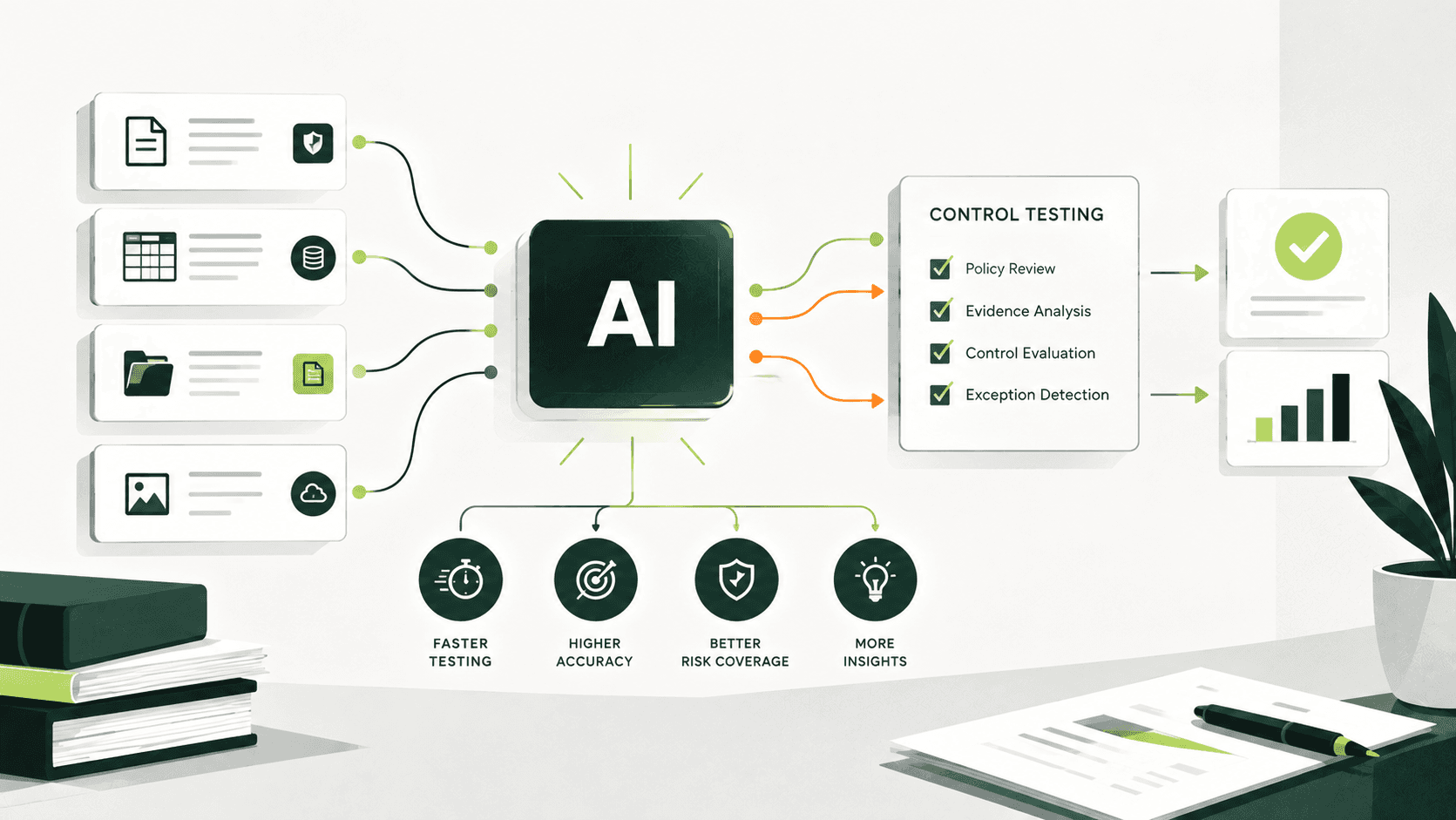
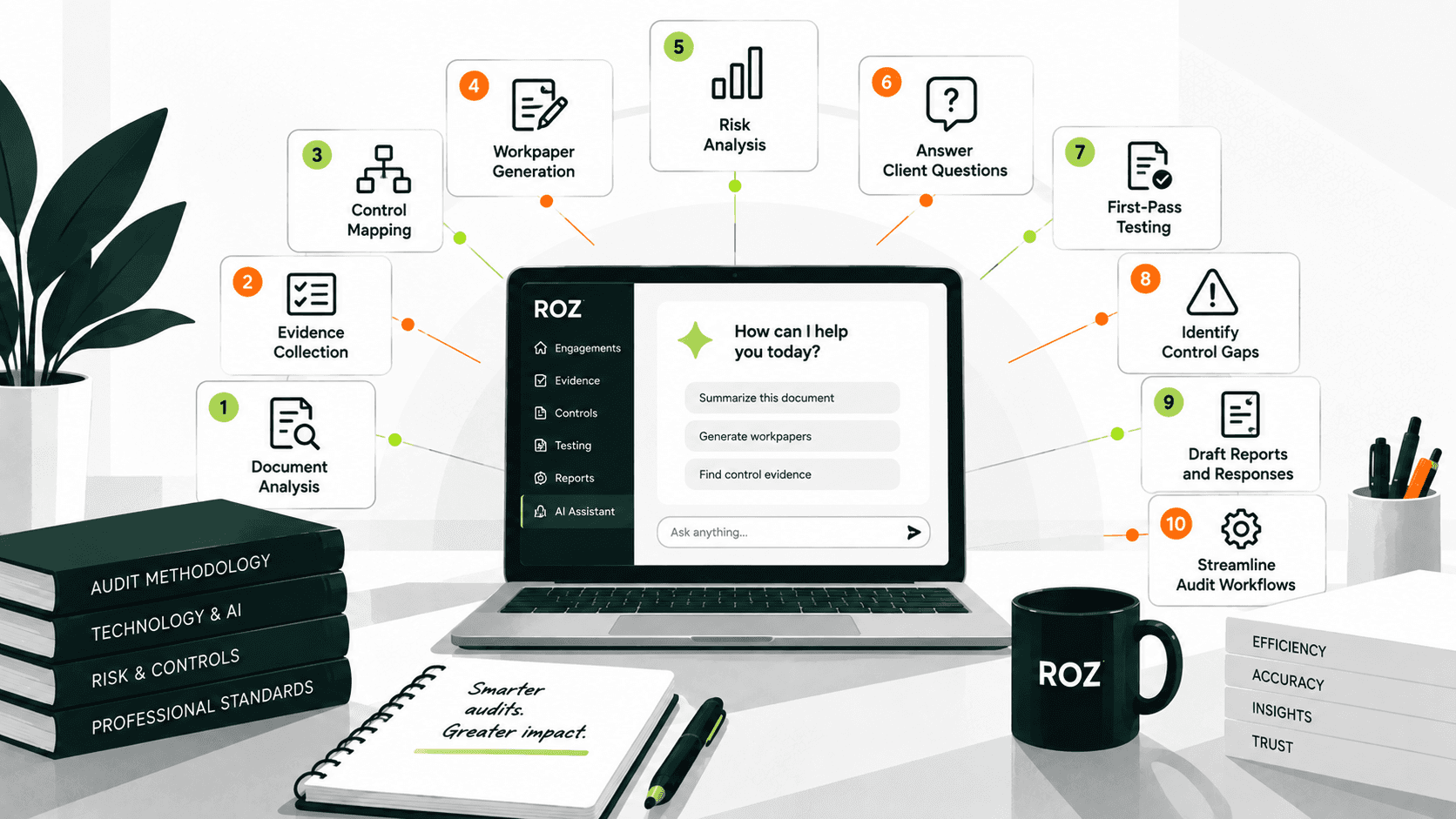
AI-assisted control testing workflows remove the repetitive administrative effort in an audit. An example of AI-assisted control testing is that AI can help organize evidence by matching screenshots that have been uploaded to the requirement of a control framework. Additionally, it performs control extraction by reading a client policy and identifies the stated controls.
It also performs a gap analysis, supplemented by first-pass testing, which identifies both the deficient documentation and the documentation that best supports the control requirement. AI-assisted platforms also have the capability of generating draft workpapers and performing evidence sufficiency checks.
How Roz Helps Firms Streamline Control Testing
Roz is an AI-native audit engagement platform that was developed for use by CPA firms and advisory teams. Roz removes the use of disorganized spreadsheets and replaces them with an intelligent enterprise data room that organizes engagement evidence and consolidates both controls and supporting documentation.
Firms utilize Roz to support first-pass analysis and AI-assisted draft workpaper generation. Without losing the integrity of the evidence, the platform maintains a clear trail of evidence for each generated workpaper.
Some of the other features that Roz offers include:
Client-specific workspaces to isolate engagement data.
AI-assisted workpaper generation from firm-specific templates.
Structured control library support for consistent testing.
Gap analysis support to compare client policies against framework requirements.
Evidence sufficiency checks to identify missing documentation early.
Risk and control matrix views for clear project tracking.
Our tool does not replace auditors or provide automated assurance conclusions. Instead, it supports audit workflows by helping firms improve efficiency, maintain consistency, and manage higher engagement volume more effectively.
Book a demo with us to explore AI-native audit delivery workflows with Roz.
Conclusion
Control design testing evaluates whether a control is capable of mitigating risk. Operating effectiveness evaluates whether the control actually worked consistently over time.
Organizations need both a strong control architecture and reliable operational execution to protect their assets and pass rigorous compliance audits. Choose to modernize your audit workflows. By improving evidence traceability and standardizing your control testing processes, your team can move away from chasing spreadsheets and focus on delivering high-quality assurance.
FAQs
What is the difference between design effectiveness and operating effectiveness?
Design effectiveness determines if a control is properly structured to mitigate a specific risk if followed correctly. Operating effectiveness determines if that properly designed control was actually executed consistently over a specific period of time.
Does SOC 2 require operating effectiveness testing?
A SOC 2 Type I report only requires testing the design of controls at a specific point in time. A SOC 2 Type II report requires testing both the design and the operating effectiveness of controls over a defined period, usually 3 to 12 months.
What is first-pass control testing?
First-pass control testing refers to the initial assessment of the evidence submitted by the client against a control and the identification of any evident gaps and missing documents. The use of AI is a great way to automate this process and identify absent evidence before a human auditor conducts a detailed sample test.
How do auditors document control testing?
Auditors document control testing using formal workpapers. These documents record the control objective, the specific testing procedures performed, the sample sizes selected, the evidence reviewed, and the final conclusion regarding the control's effectiveness.