Most companies confuse SOC 2 and SOC 3, but the difference between them can impact sales cycles, audits, and customer trust. Buyers routinely request SOC 2 reports during procurement, but organizations sometimes share SOC 3 reports instead. This creates friction in the sales cycle and delays deal closures.
In this article, I will explain the SOC reports in a structured way, detailing the specific differences, benefits, and exact business scenarios for each. By the end of this post, you will understand the SOC 2 vs SOC 3 difference and have a clear decision framework for choosing the right report for your organization.
What Are SOC Reports?
To understand specific reports, we need to look at the bigger picture. The American Institute of Certified Public Accountants (AICPA) designed the System and Organization Controls (SOC) framework to provide a standardized approach for organizations to document and communicate their control environment, their security, and operational practices.
SOC reports provide independent assurance to third parties regarding a service organization’s controls, helping build trust with clients and partners. This aids in audience trust, including clients and partners. There are three types to understand:
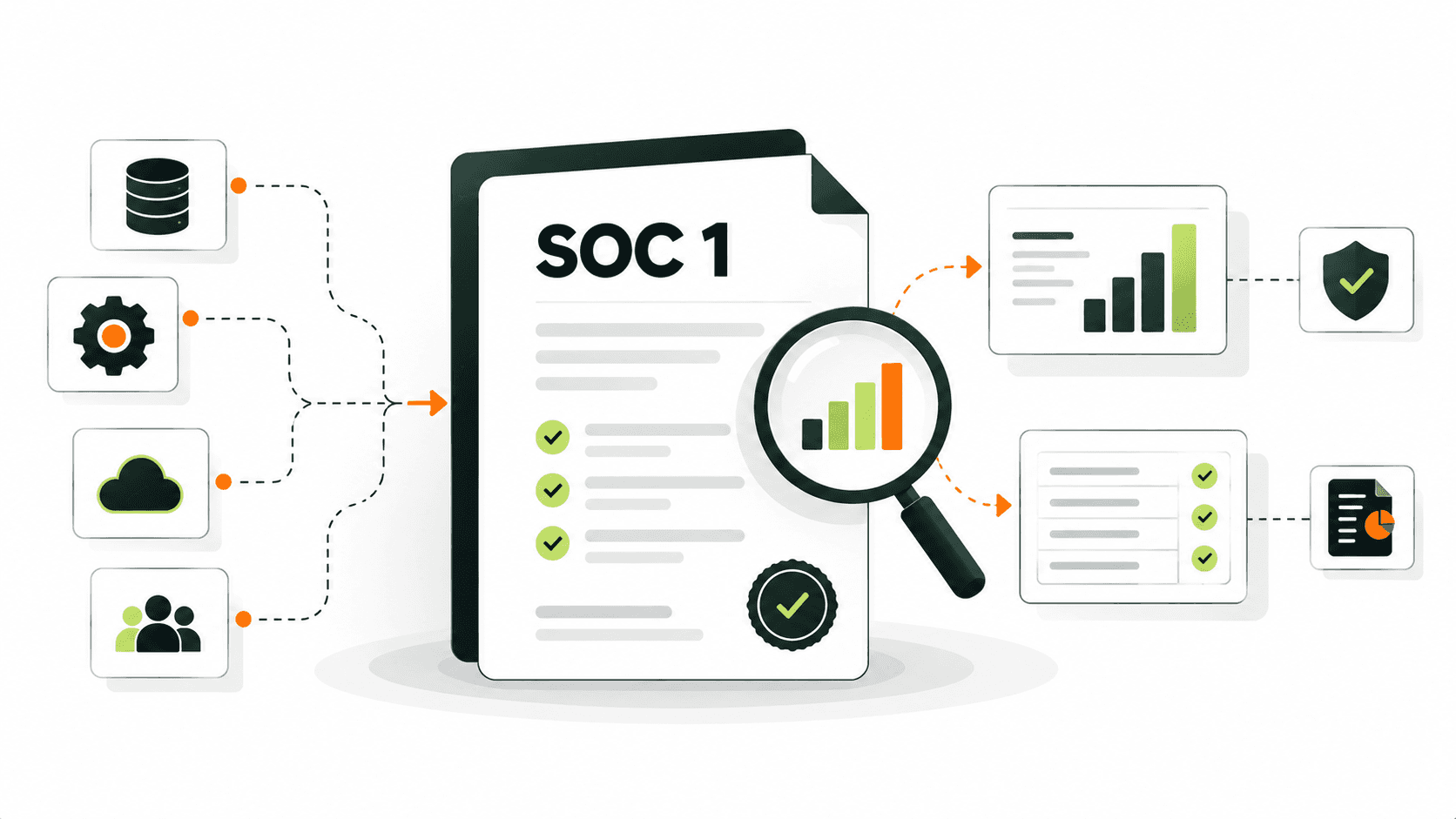
SOC 1: Centers primarily on the financial reporting controls.
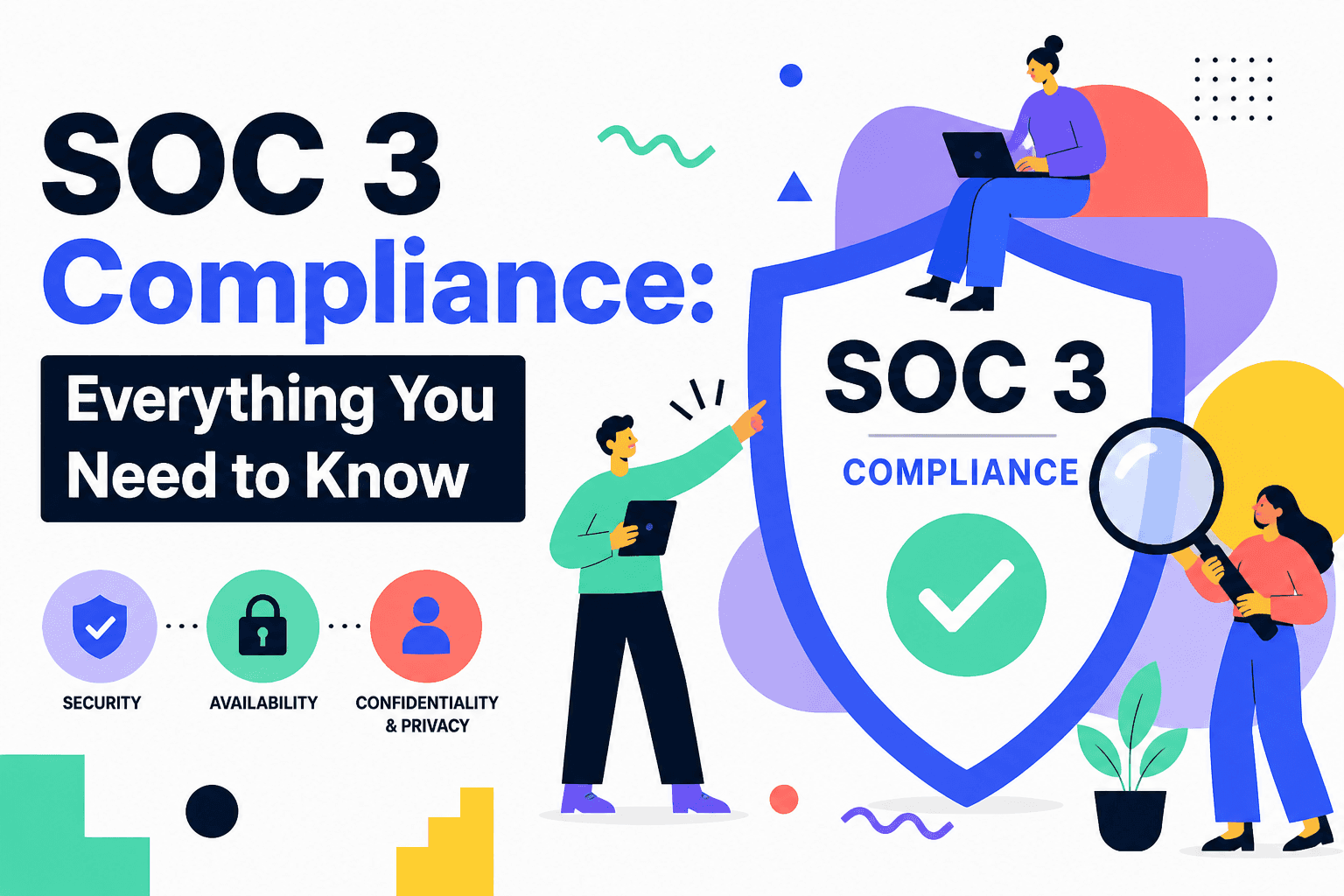
SOC 2: Evaluates controls related to security, availability, processing integrity, confidentiality, and privacy.
SOC 3: A public summary of the SOC 2 assessment.
If financial reporting controls are in scope, organizations may also consider SOC 1 alongside SOC 2 and SOC 3.
What Is SOC 2?
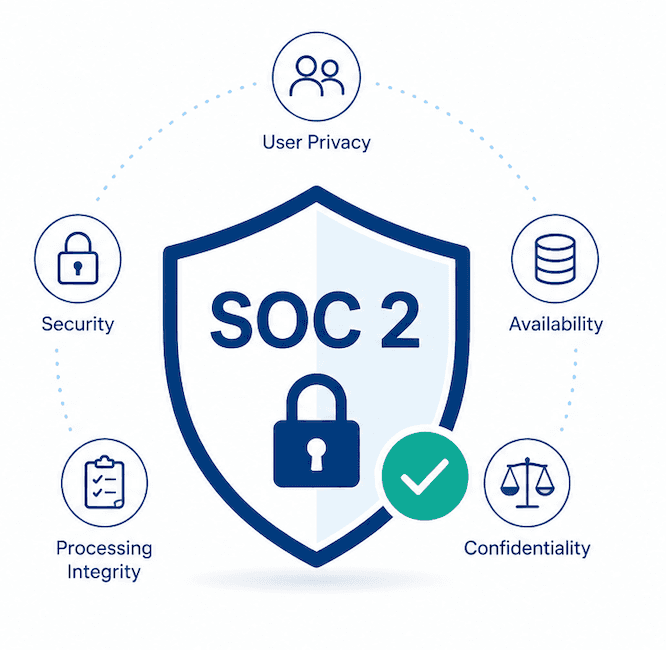
An SOC 2 report evaluates the design and operating effectiveness of controls against the Trust Services Criteria (TSC), which are established by the AICPA.
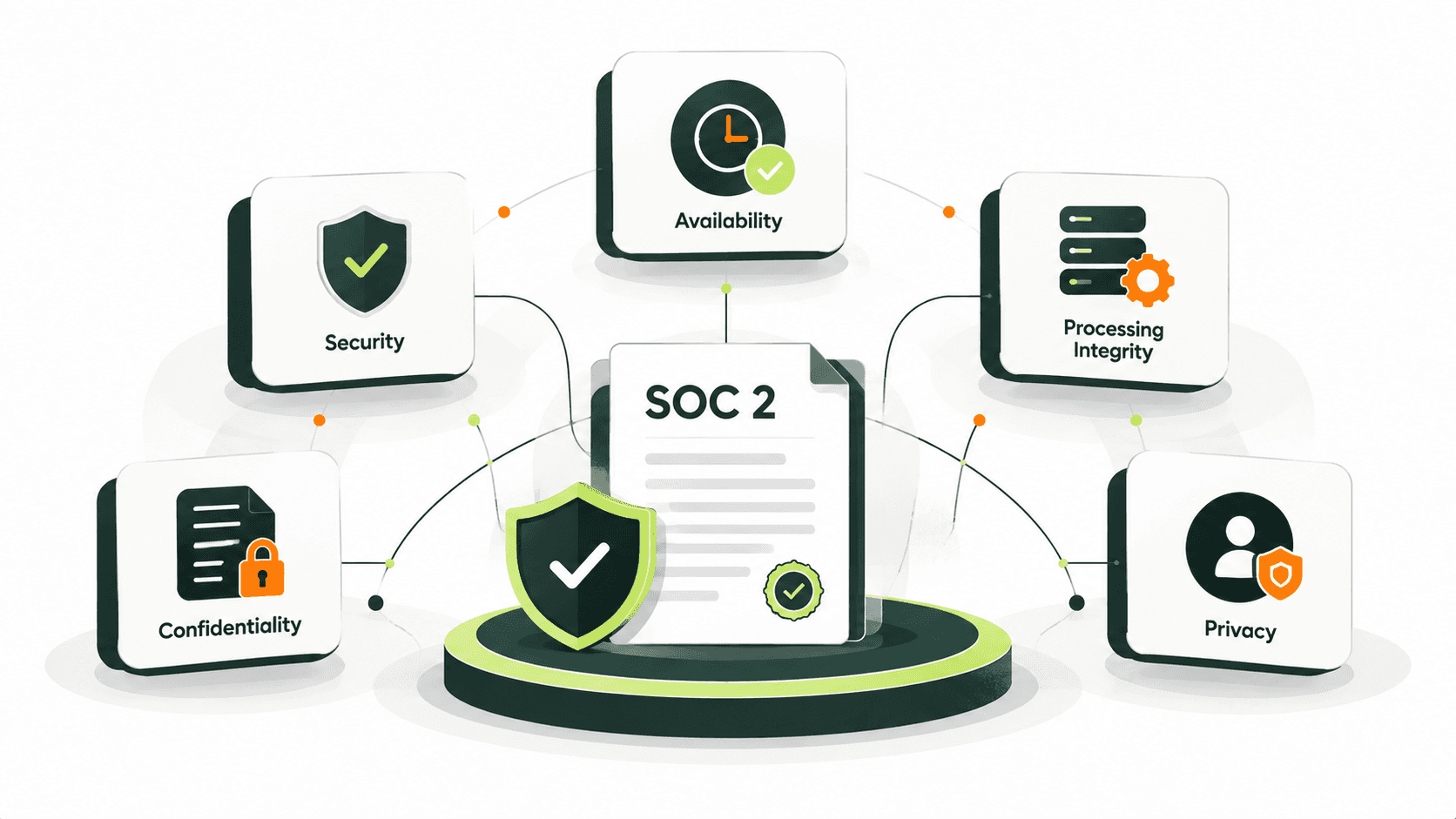
Security is the mandatory Trust Services Criterion, while other criteria are included based on scope. Depending on the service you provide and the promises you make to your customers, you may include other criteria based on your requirements. The optional criteria may include:
Security: Protection of information from unauthorized access (mandatory).
Availability: The system is accessible and operational for use.
Confidentiality: There is a protection mechanism for undisclosed confidential information.
Processing Integrity: System processing is complete, valid, and accurate.
Privacy: Protection of personal information is consistent with the principle of privacy.
The report is very detailed and provides a detailed description of the system, controls, and auditor procedures and findings. It is a report with sensitive security information, so it is a restricted report, and you typically provide it to existing customers, prospective customers who have executed a non-disclosure agreement (NDA), and vendor risk management teams.
What Is SOC 3?
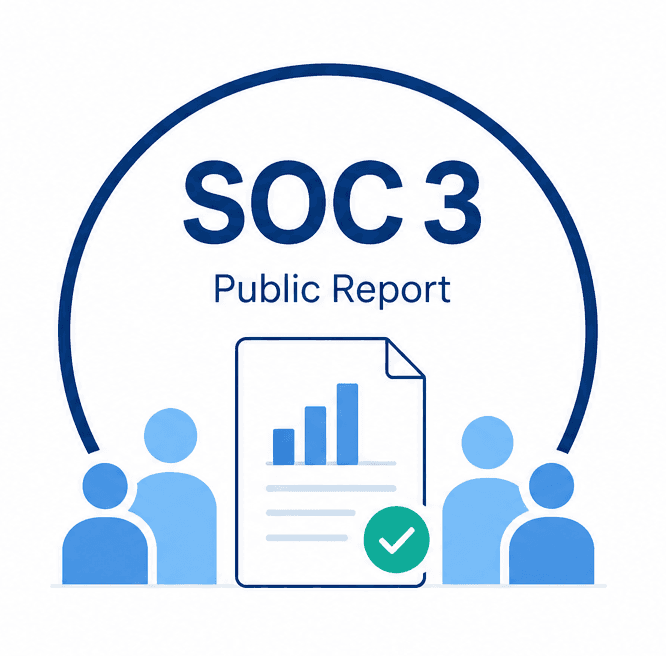
An SOC 3 report is a public summary of your SOC 2 audit. It is typically used to provide public assurance and is based on a SOC 2 engagement.
This report contains an auditor’s opinion, management assertions, and a summary of your system. However, SOC 3 reports exclude detailed control descriptions, testing procedures, and results.
SOC 3 reports intentionally leave out sensitive operational elements, allowing for general distribution and intranet use without an NDA. For most companies, SOC 3 reports are embedded within their website security and privacy policies to communicate security posture to clients and stakeholders that internal resources are committed to the security of their systems. SOC 3 reports are designed for general use and public distribution.
Difference Between SOC 2 and SOC 3
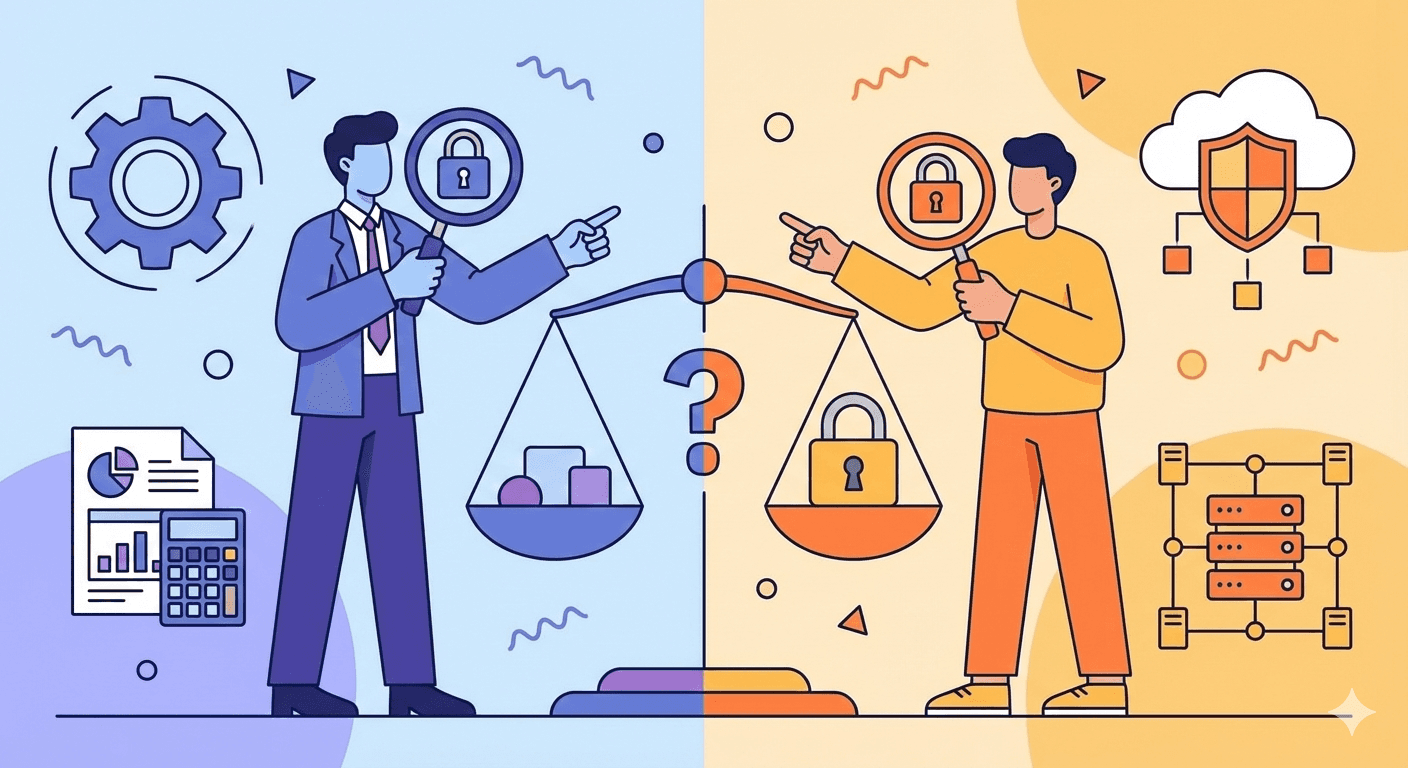
Understanding the SOC 2 vs SOC 3 differences comes down to detail, audience, and application. The table below outlines the core comparison points.
Factor | SOC 2 | SOC 3 |
Detail | High | Low |
Audience | Restricted | Public |
Testing | Included | Not included |
Use Case | Due diligence | Marketing |
NDA Required | Yes | No |
Level of detail: This is the most critical SOC 2 vs SOC 3 comparison point. SOC 2 provides an exhaustive look into how your controls operate and how they were tested. SOC 3 provides a high-level summary of the auditor’s opinion without detailed testing information.
Audience and distribution: You must guard a SOC 2 report carefully to prevent unnecessary risk exposure. A SOC 3 report can be distributed publicly to build brand credibility.
Business use cases: Procurement teams and many enterprise buyers request a SOC 2 report during procurement. Marketing and sales teams use a SOC 3 to generate initial trust before a contract is even discussed.
Similarities Between SOC 2 and SOC 3
Despite their differing applications, SOC 2 and SOC 3 reports share a fundamental foundation. Both are based on the same AICPA SOC framework and evaluate your organization against the same Trust Services Criteria.
Because a SOC 3 is derived directly from a SOC 2, the audit process, underlying controls, and evidence required generally align. A SOC 3 report is issued based on an underlying SOC 2 examination and cannot be obtained independently.
SOC 2 Type I vs Type II vs SOC 3
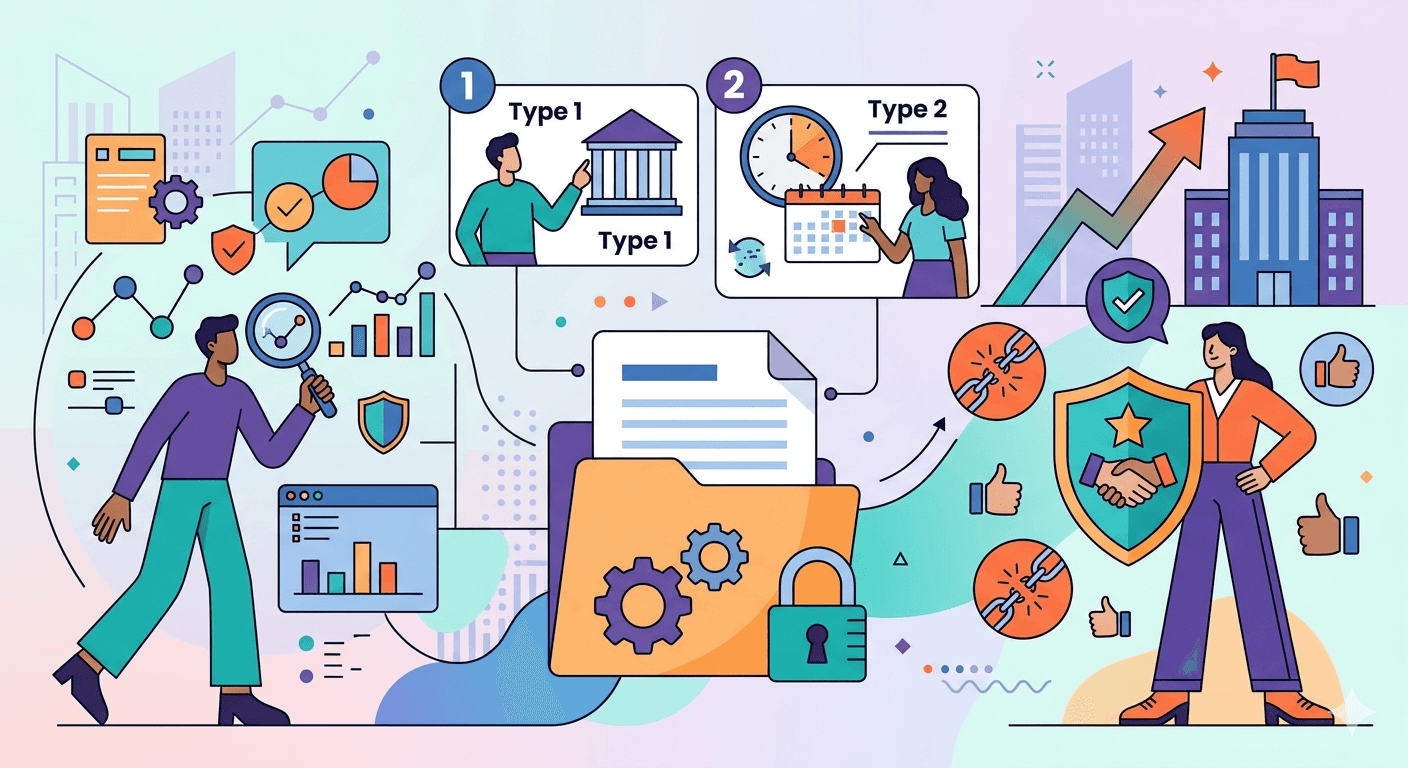
The terminology can become confusing when you introduce report types. Here is how SOC 2 Type 1 vs Type 2 vs SOC 3 break down:
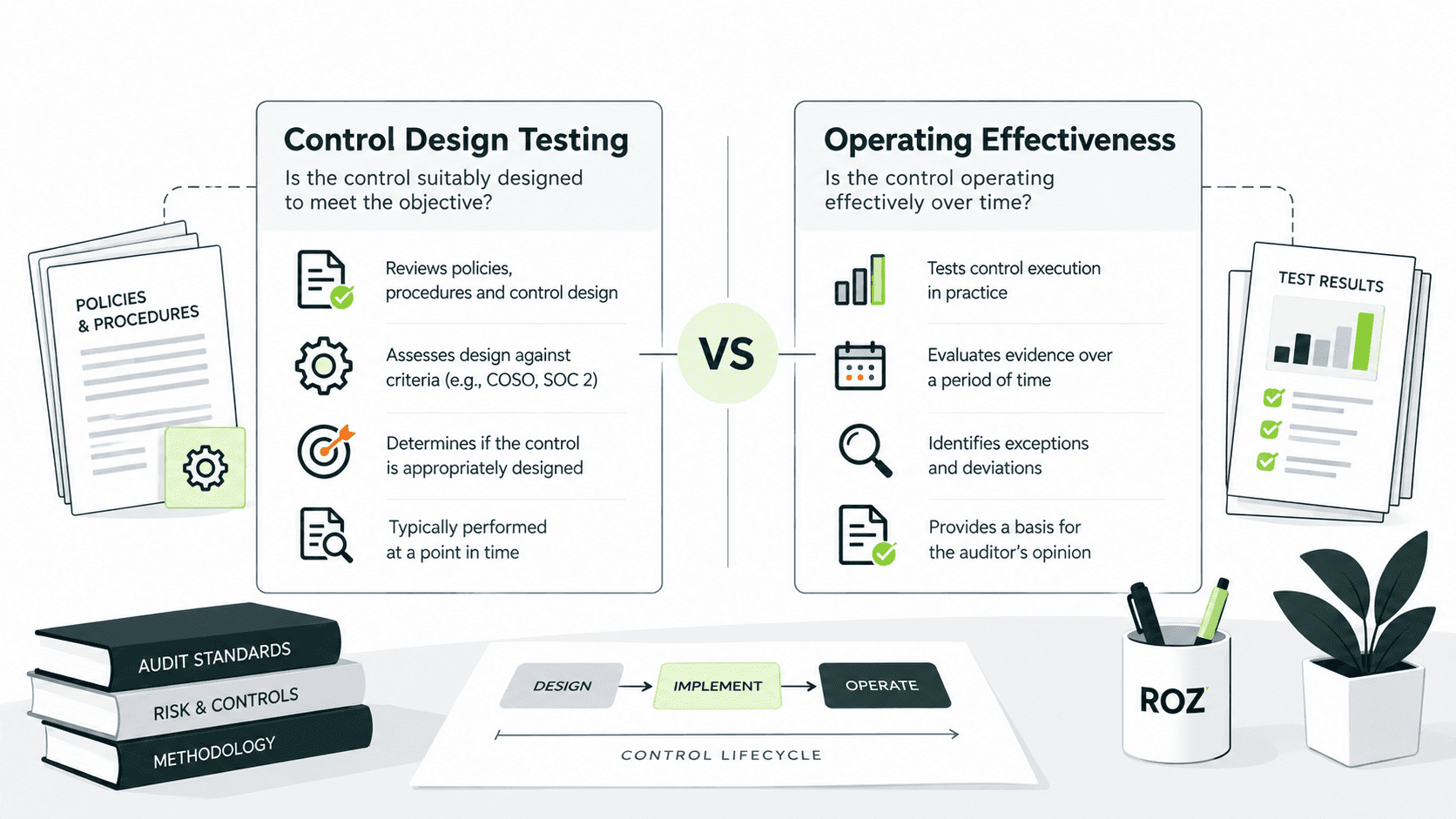
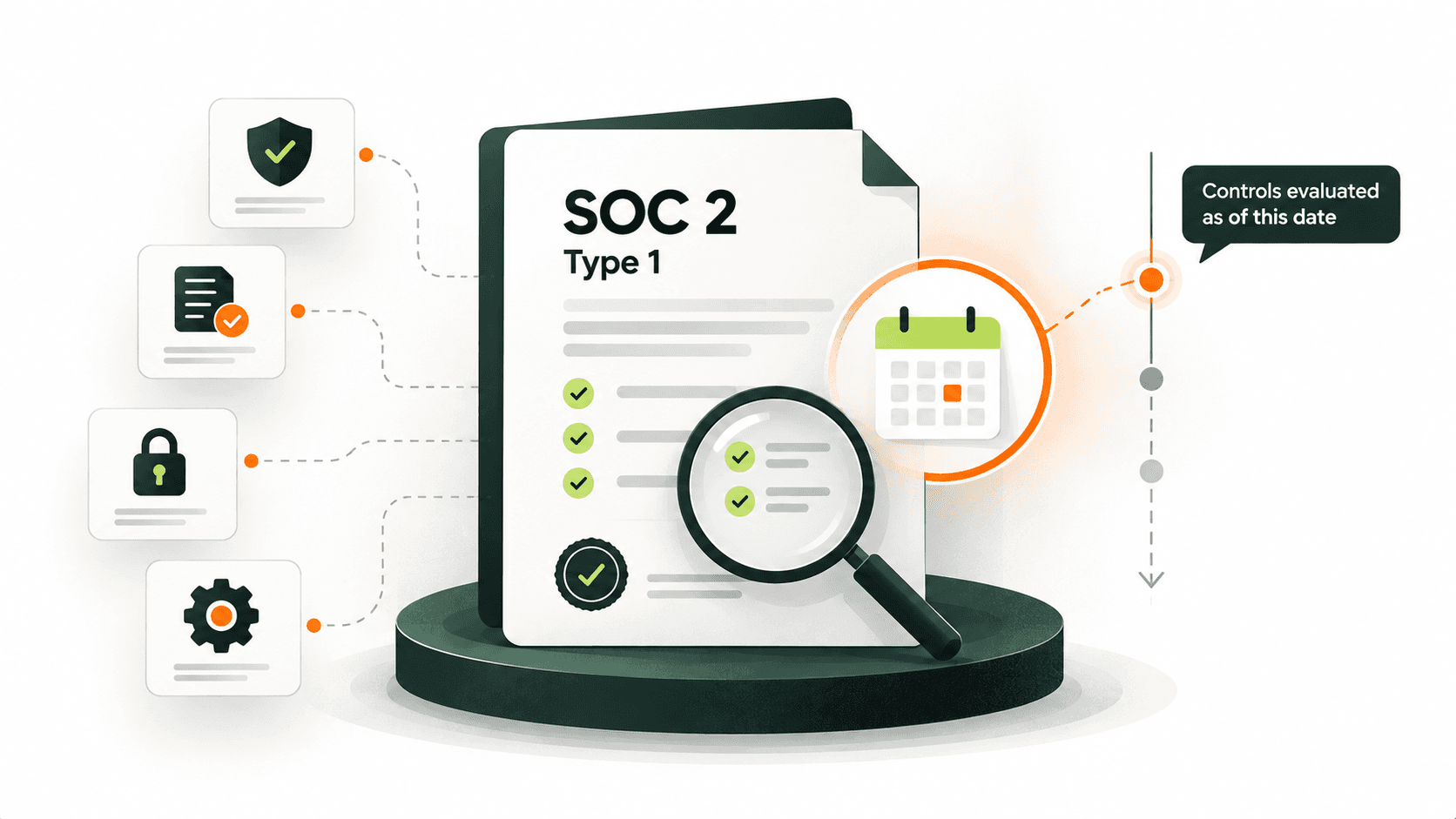
SOC 2 Type I: This is a point-in-time assessment. It evaluates the design of your controls on a specific date, but it does not test whether they operate effectively over time.
SOC 2 Type II: The SOC 2 Type II meaning involves evaluating the operating effectiveness of your controls over a continuous period (typically 3 to 12 months). This provides evidence of how controls operated over the review period.
SOC 3: A SOC 3 report is typically based on the results of a SOC 2 Type II examination. It provides the assurance of the Type II period but with no testing details disclosed.
SOC 2 vs SOC 3: Which One Do You Need?
Choosing between these reports depends on your business goals and stakeholder requirements.
Choose SOC 2 if:
Enterprise customers require detailed security documentation.
You regularly undergo intensive vendor security reviews.
Your partners need detailed assurance of your internal controls.
Choose SOC 3 if:
You want to signal public trust to a broad audience.
You need a highly visible security asset for your website.
You want to address initial trust questions at a high level.
Many organizations choose to use both reports together. SOC 2 provides detailed assurance, while SOC 3 supports broader public communication.
Common Mistakes to Avoid
Organizations frequently stumble when navigating compliance reporting. Avoid these common pitfalls:
Sharing SOC 3 instead of SOC 2 in due diligence: A SOC 3 may not satisfy an enterprise procurement team. They need the testing details found only in a SOC 2.
Assuming SOC 3 replaces SOC 2: A SOC 3 report is issued based on a successful SOC 2 examination. A SOC 3 report is issued on an underlying completed SOC 2 examination.
Misunderstanding Type I vs Type II: Do not assume a Type I is sufficient for all buyers. Most mature organizations specifically require a period-based Type II report.
Treating SOC as a one-time exercise: Compliance is an ongoing process. These reports are typically expected to be updated annually and require continuous control monitoring to maintain.
How SOC 2 and SOC 3 Work Together
These two reports are designed to complement one another strategically. SOC 2 provides the detailed assurance that buyers demand during procurement, while SOC 3 provides the public brand credibility that attracts those buyers in the first place.
A practical workflow for an organization looks like this: After completing a SOC 2 Type II examination, organizations may obtain a SOC 3 report based on the same engagement. Then, publish the SOC 3 on your website for marketing purposes, and hold the SOC 2 securely to share under NDA when a major deal requires it.
How Roz Supports SOC 2 and SOC 3 Report Engagements
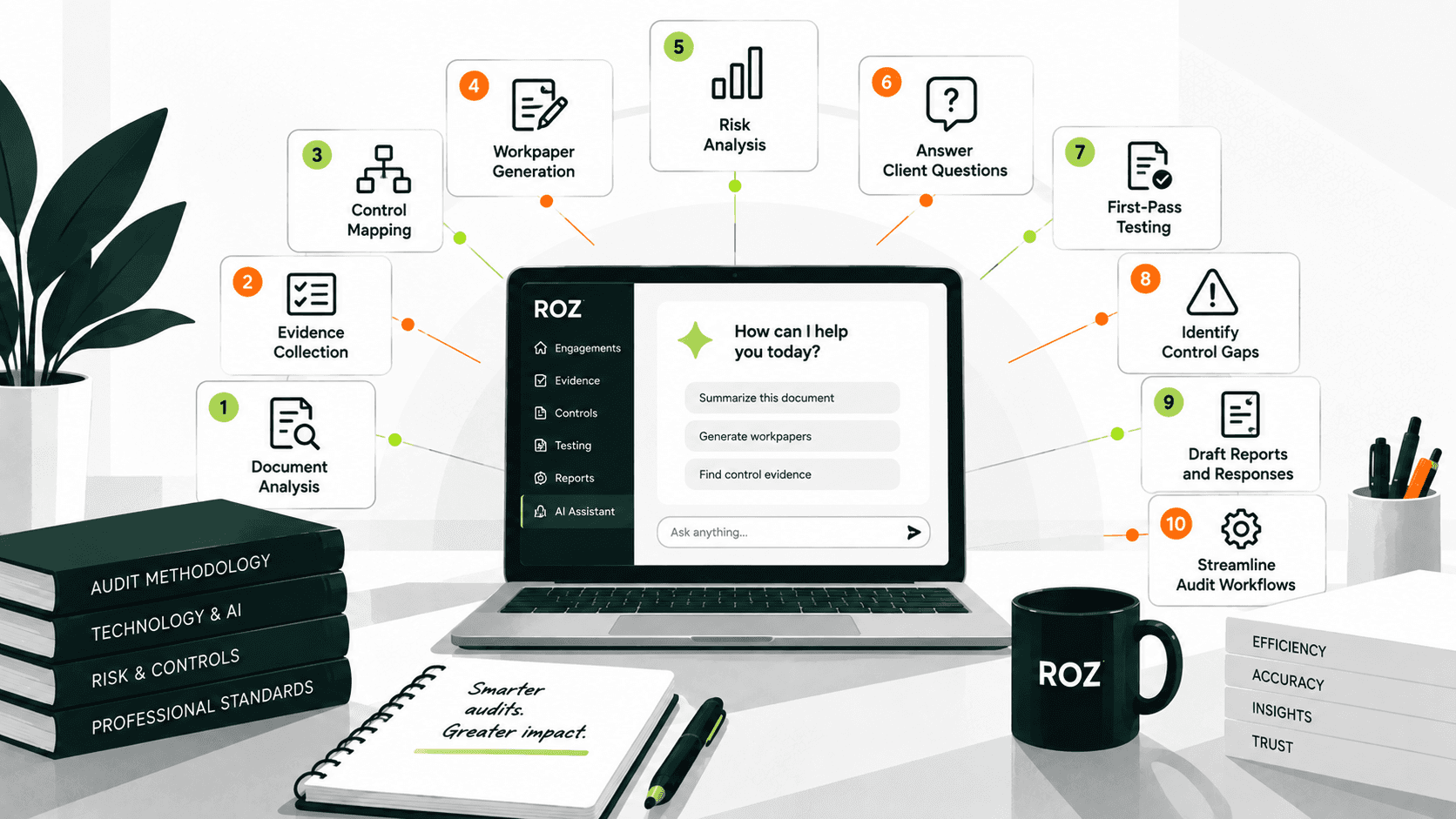
Preparing for a SOC audit requires extensive documentation, evidence mapping, and coordination. Roz supports CPA firms and advisory teams by providing a structured, AI-native engagement workspace.
With Roz, teams can:
Centralize evidence and documentation in client-specific workspaces.
Generate AI-assisted draft workpapers with audit trails and source links.
Support control mapping to Trust Services Criteria.
Support first-pass control testing and evidence review.
Highlight potential documentation gaps during preparation.
Roz supports audit readiness workflows and engagement delivery, without replacing auditors or certification processes.
Conclusion
Understanding the nuances of SOC reporting can help you navigate compliance requirements and client expectations. SOC 2 provides the depth and technical assurance commonly expected in rigorous vendor risk assessments. SOC 3 provides high-level visibility suitable for public communication.
Both serve different but complementary purposes. Organizations typically find that they need both reports, not one vs the other, to address both public communication and stakeholder assurance needs.
FAQs
What is the main difference between SOC 2 and SOC 3?
SOC 2 is a detailed, restricted-use report, while SOC 3 is a high-level report intended for public distribution.
Can SOC 3 replace SOC 2?
No. SOC 3 does not include the detailed control descriptions, testing procedures, or results typically required for vendor risk assessments.
Is SOC 3 sufficient for compliance?
SOC 3 may support communication of an organization’s security posture, but it does not replace the detailed assurance provided by a SOC 2 report.
Do you need SOC 2 before SOC 3?
Yes. A SOC 3 report is issued based on an underlying SOC 2 examination.
Who should request a SOC 2 report?
Customers, auditors, and stakeholders conducting due diligence typically request SOC 2.
Is SOC 3 audited?
Customers, auditors, and stakeholders conducting due diligence commonly request SOC 2 reports.