Security teams face an increasing volume of alerts and mounting regulatory pressure. Managing this dual challenge often requires sophisticated technology designed to identify anomalies and protect infrastructure. While many tools successfully detect threats, they do not inherently produce audit-ready evidence.
Security tools can generate thousands of technical logs, but auditors require organized, mapped evidence. This creates a gap between operational security and compliance documentation. SOC teams need visibility into their environments, but they also need alignment with compliance frameworks like SOC 2 and ISO/IEC 27001.
In this article, I will cover the top SOC tools for 2026 and explain how they map to compliance workflows. By understanding the specific strengths of these platforms, you can build a security stack that helps protect your environment while supporting your compliance goals.
What Are SOC Tools?
SOC tools are software applications used by security operations centers to monitor, detect, analyze, and respond to cybersecurity incidents. These platforms form the technical foundation of your security program.
Broadly, SOC tools generally fall into three categories:
SIEM (Security Information and Event Management): Tools that collect log data from all parts of a network and correlate diverse events to determine potential threats.
EDR/XDR (Endpoint/Extended Detection and Response): Tools that are directly placed on devices to oversee their behaviors and detect threats.
SOAR (Security Orchestration, Automation, and Response): Tools that automate and orchestrate security workflows and incident response processes.
These tools play a key role in threat detection and incident response. They are also used to assess the technical controls you develop to safeguard your information.
Compliance Mapping
Using a SOC tool can assist with the implementation and monitoring of specific security controls. Once these systems are set up properly, they can generate technical data that can support evidence collection for audits.
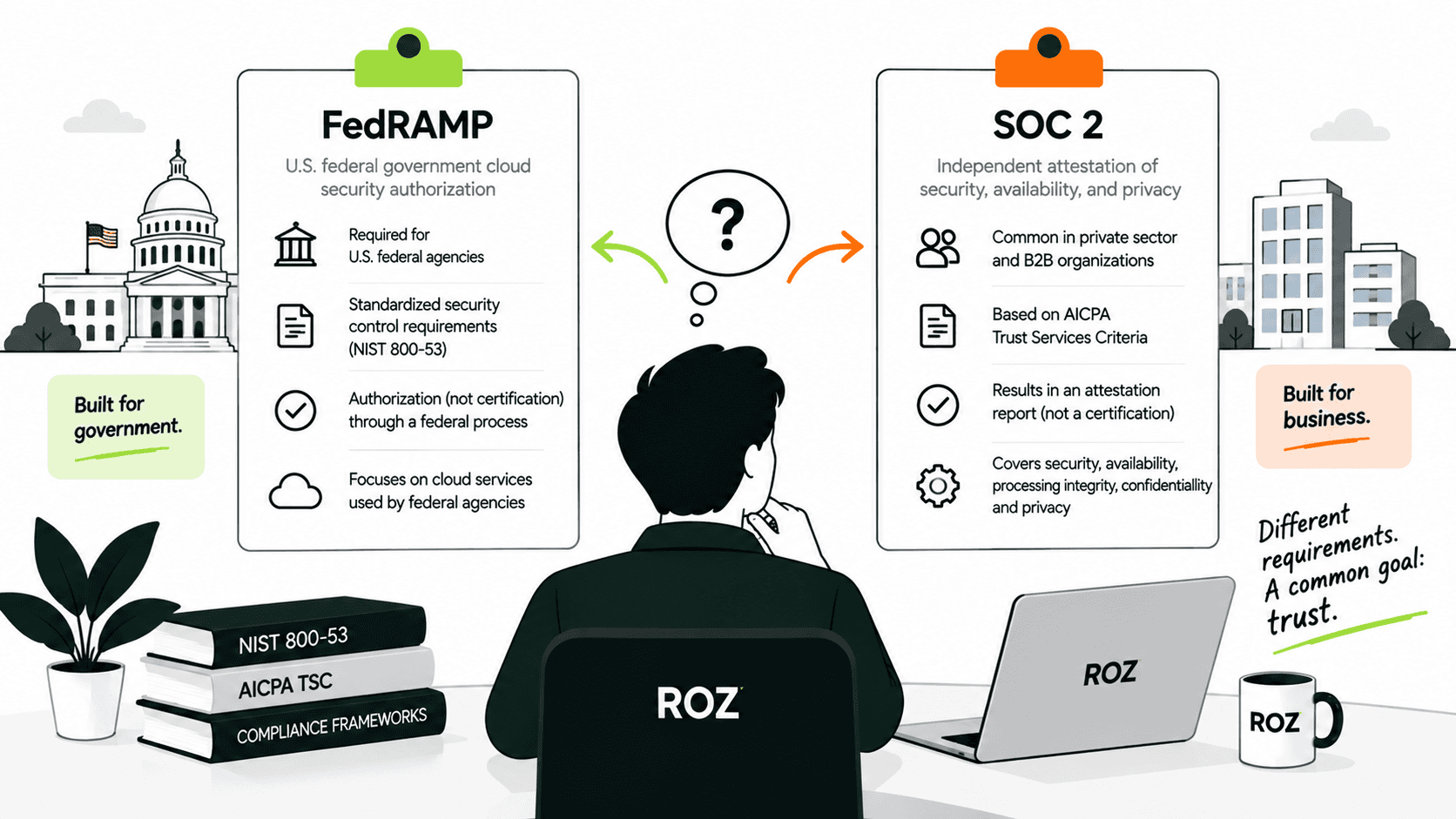
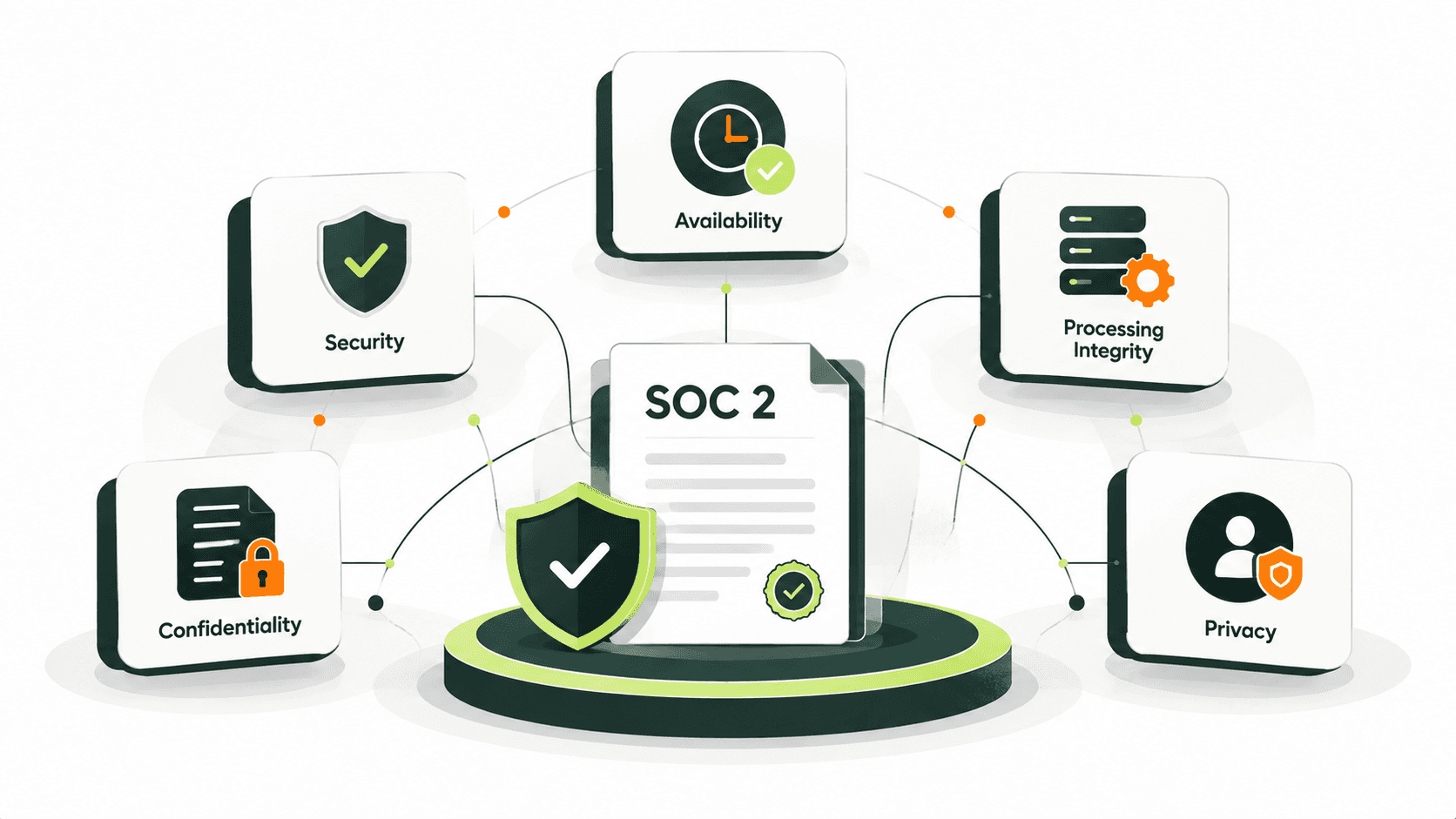
SOC 2: Under the Trust Services Criteria, Common Criteria 7 (CC7) relates to monitoring and detecting anomalous system activity. A SIEM or EDR tool can provide the technical logs that can be used in your CC7 evidence requirements.
ISO 27001: Annex A includes controls related to logging and monitoring, and your SOC tools can help with these and support the requirements by consolidating system logs and recording all of the actions taken by system administrators.
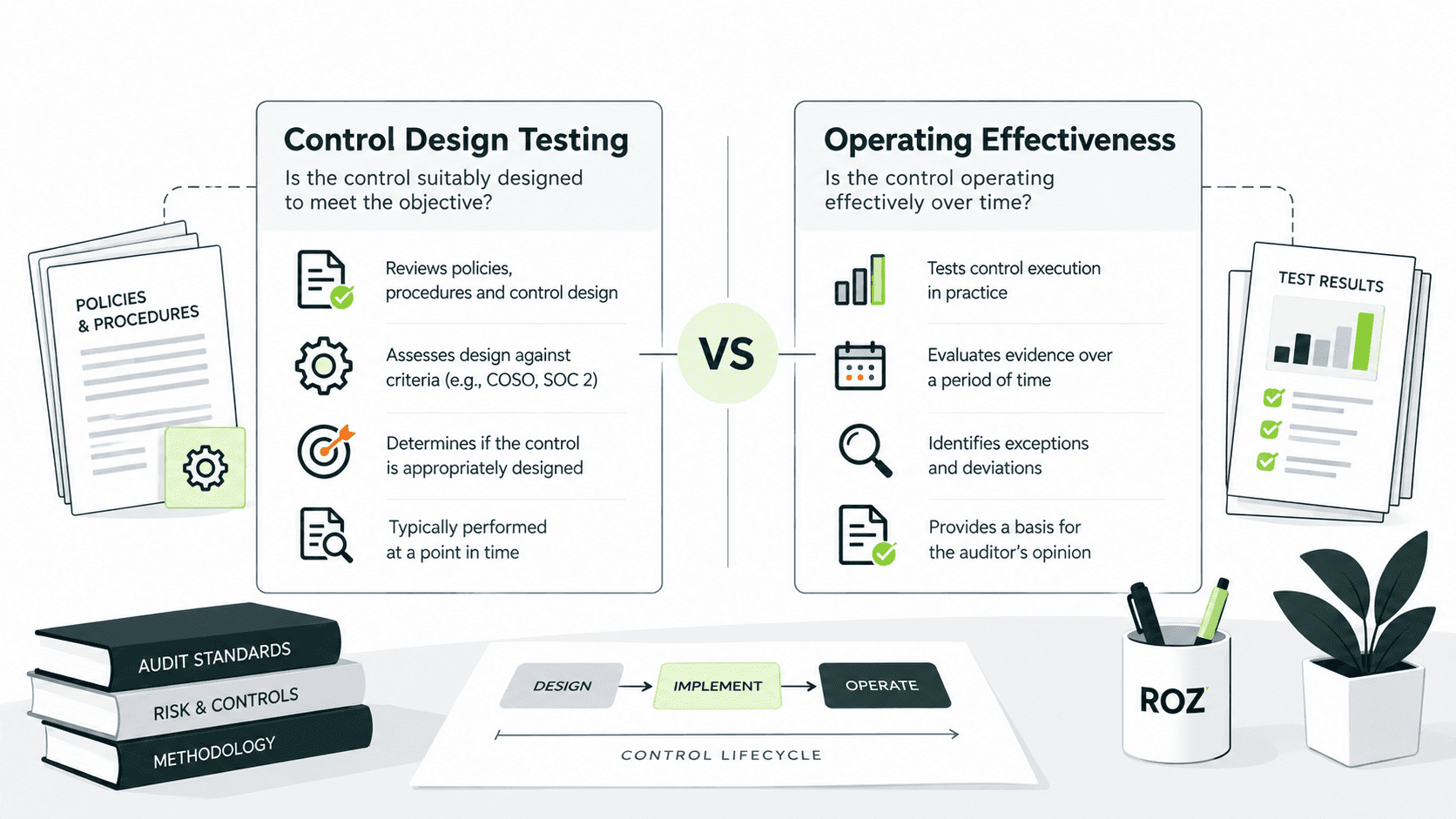
Although SOC tools provide support for these controls, none of these tools create audit-ready evidence by themselves. Compliance frameworks still require data to be drawn from the tools, structured in a particular manner, and mapped to the compliance framework in order to be audit-ready.
Top 8 SOC Tools for Threat Monitoring in 2026
The landscape of security technology continues to evolve. Based on current capabilities and market positioning, here are the top 8 SOC tools that can help support your threat monitoring strategies in 2026.
1. Splunk Enterprise Security
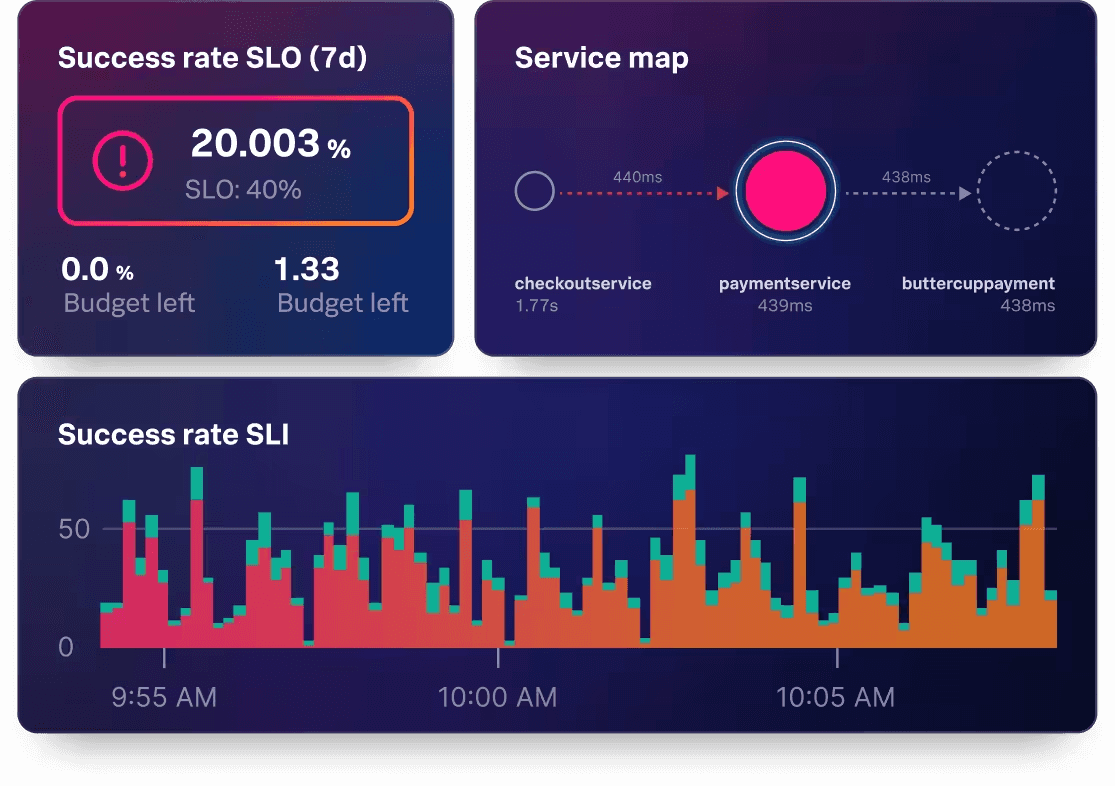
Splunk is a leading SIEM platform known for its scalability and advanced log analysis capabilities.
Key Strength: Highly advanced search and scalable log monitoring.
Best for: Large enterprise SOC that manages high-volume data.
Consideration: Implementation costs can be significant and may require ongoing tuning.
Compliance relevance: Can be utilized in logs monitoring for SOC 2 CC7 controls in compliance functions, as well as centralized logging and monitoring.
2. IBM QRadar
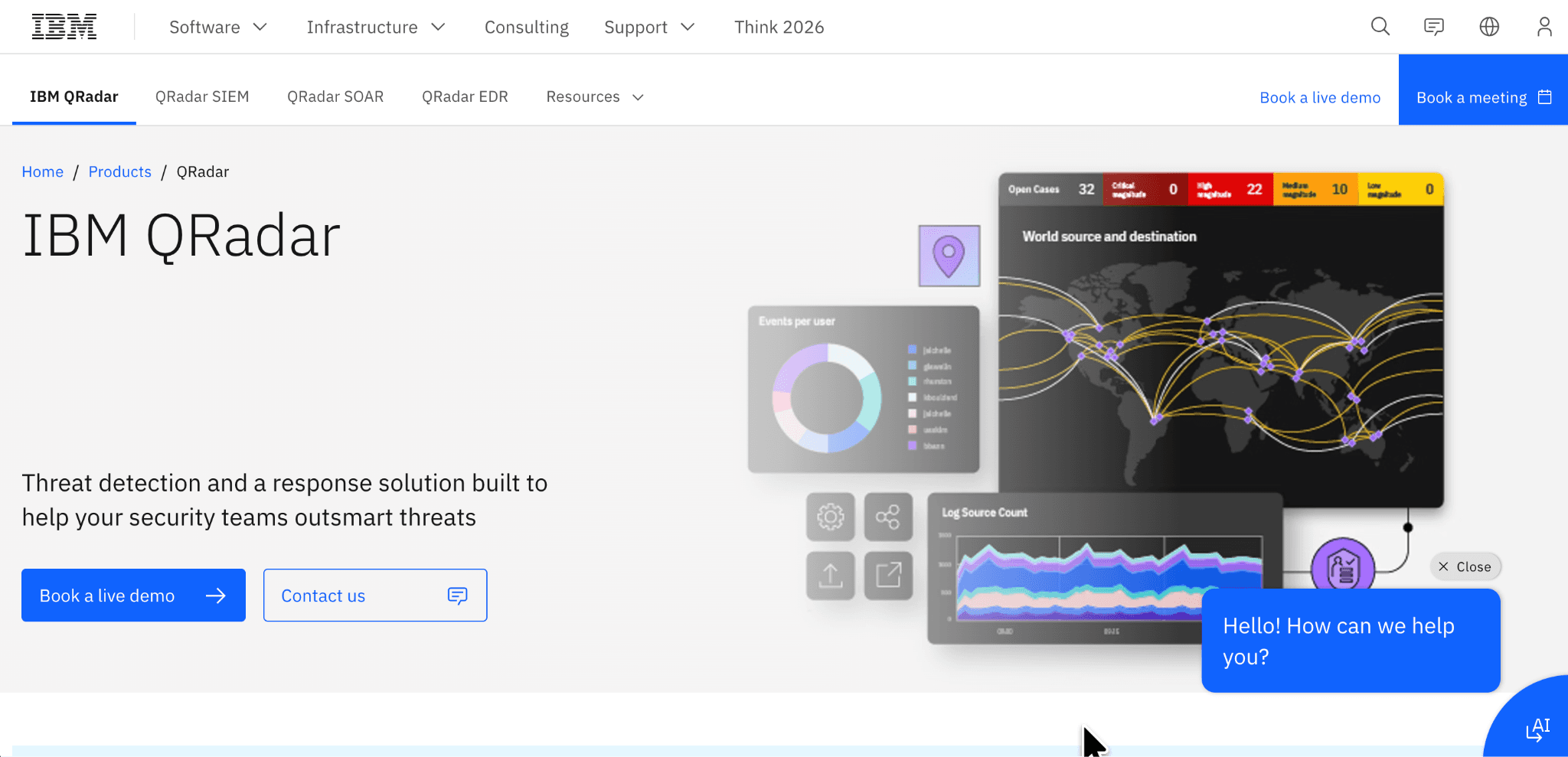
IBM QRadar is a widely used SIEM platform that provides network flow analytics and prioritizes security events using behavioral analysis.
Key Strength: Behavioral analytics and ranking by event.
Best for: Organizations looking for compliance ICS with analytics.
Compliance relevance: Orderly reports issued by QRadar may help to satisfy monitoring components of ISO 27001.
3. LogRhythm SIEM
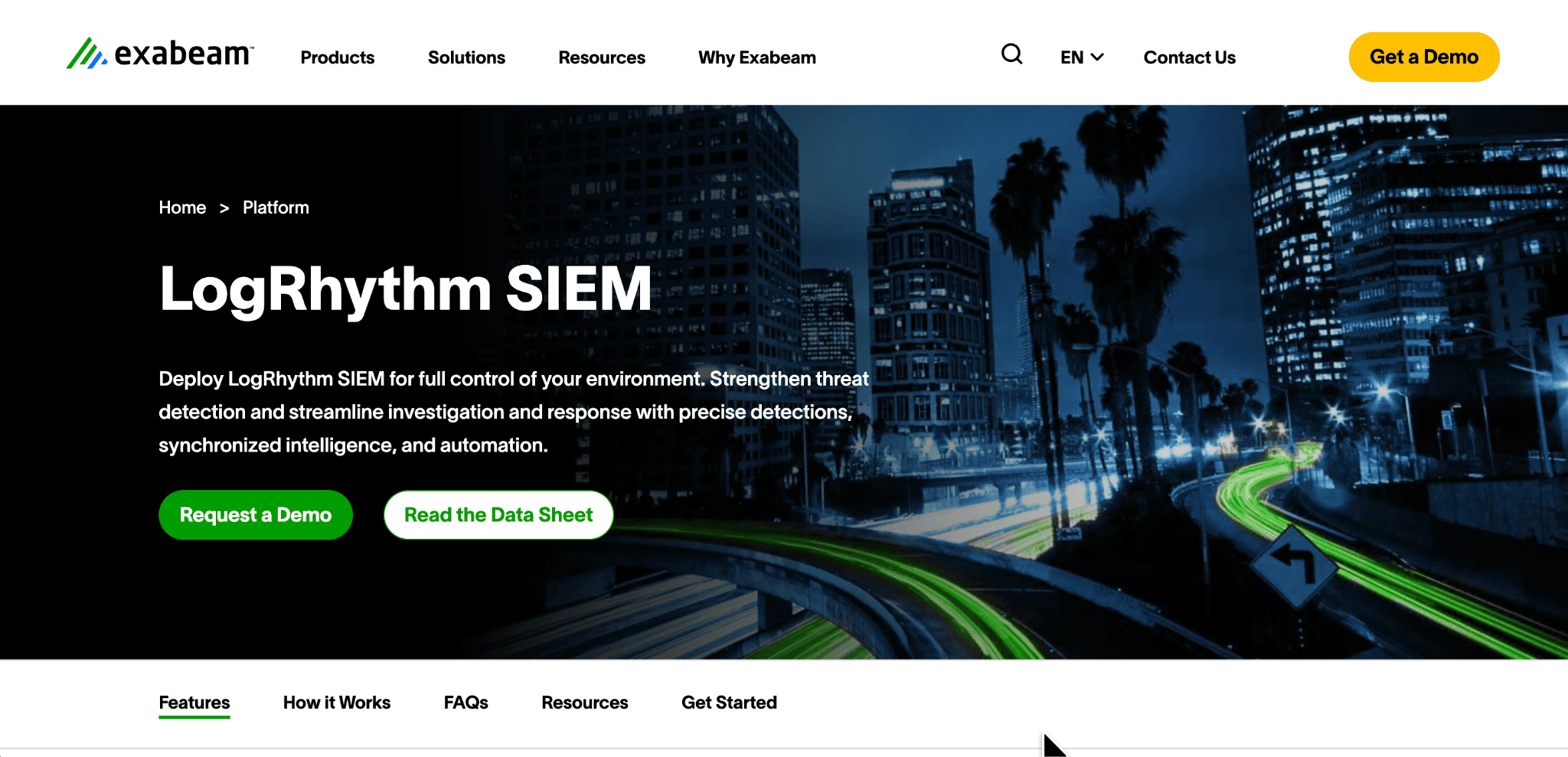
LogRhythm is a tool that combines SIEM, SOAR tools, and User and Entity Behavior Analytics (UEBA) in one tool.
Key Strength: Unified SIEM, SOAR, and UEBA capabilities.
Best for: Suitable for mid-size to large enterprises.
Compliance relevance: The tool has compliance modules that can help with automation of the evidence collection.
4. Elastic Security
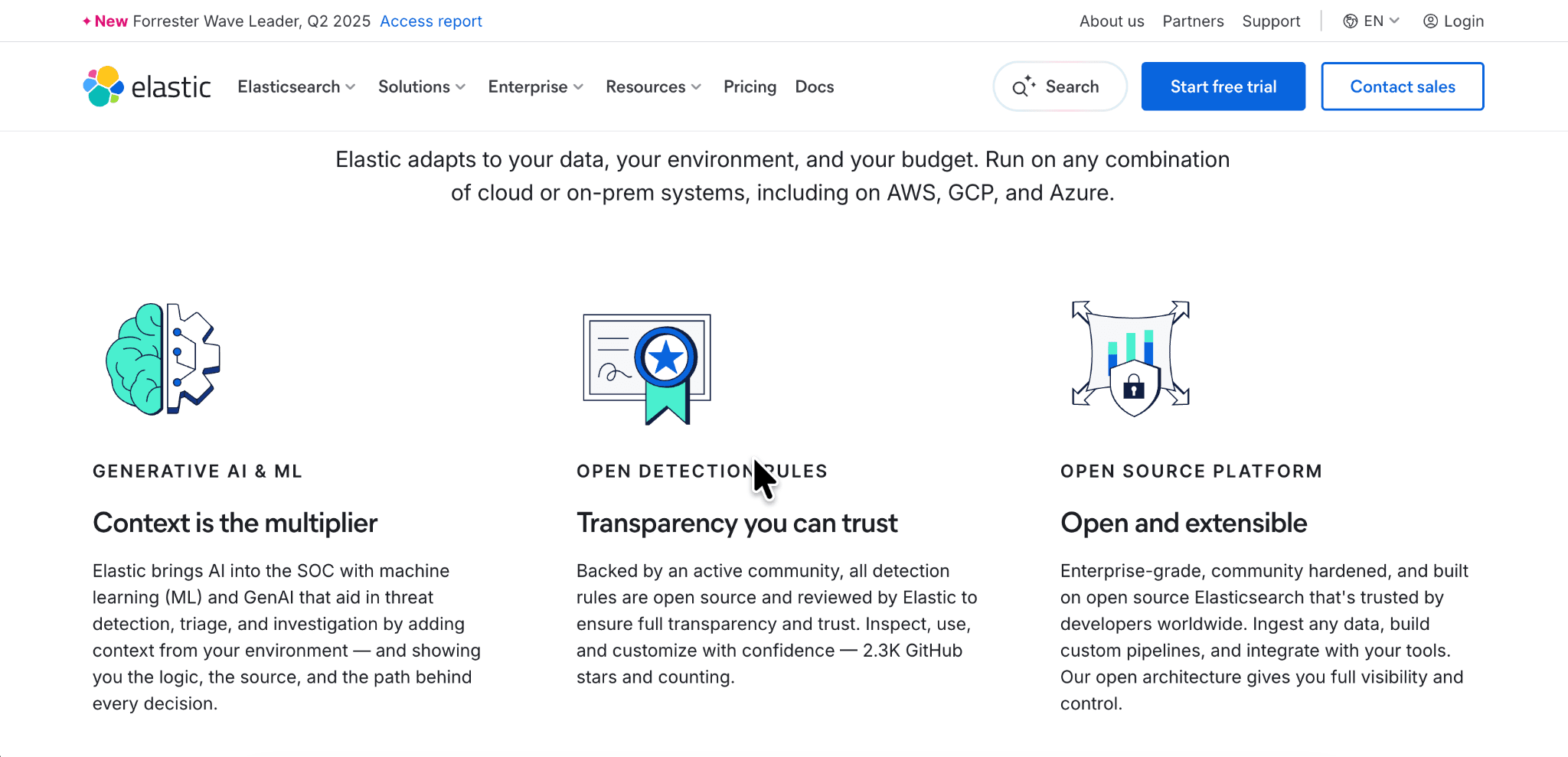
Elastic Security is a Strong SIEM tool that is built on open-source technology and designed for fast search across large datasets
Key Strength: Flexible open-source options and fast search technology.
Best for: Budget-minded users and teams involved in DevSecOps.
Compliance relevance: With Elastic, teams can set up customized dashboards to follow and manage compliance metrics of their choice.
5. Microsoft Sentinel
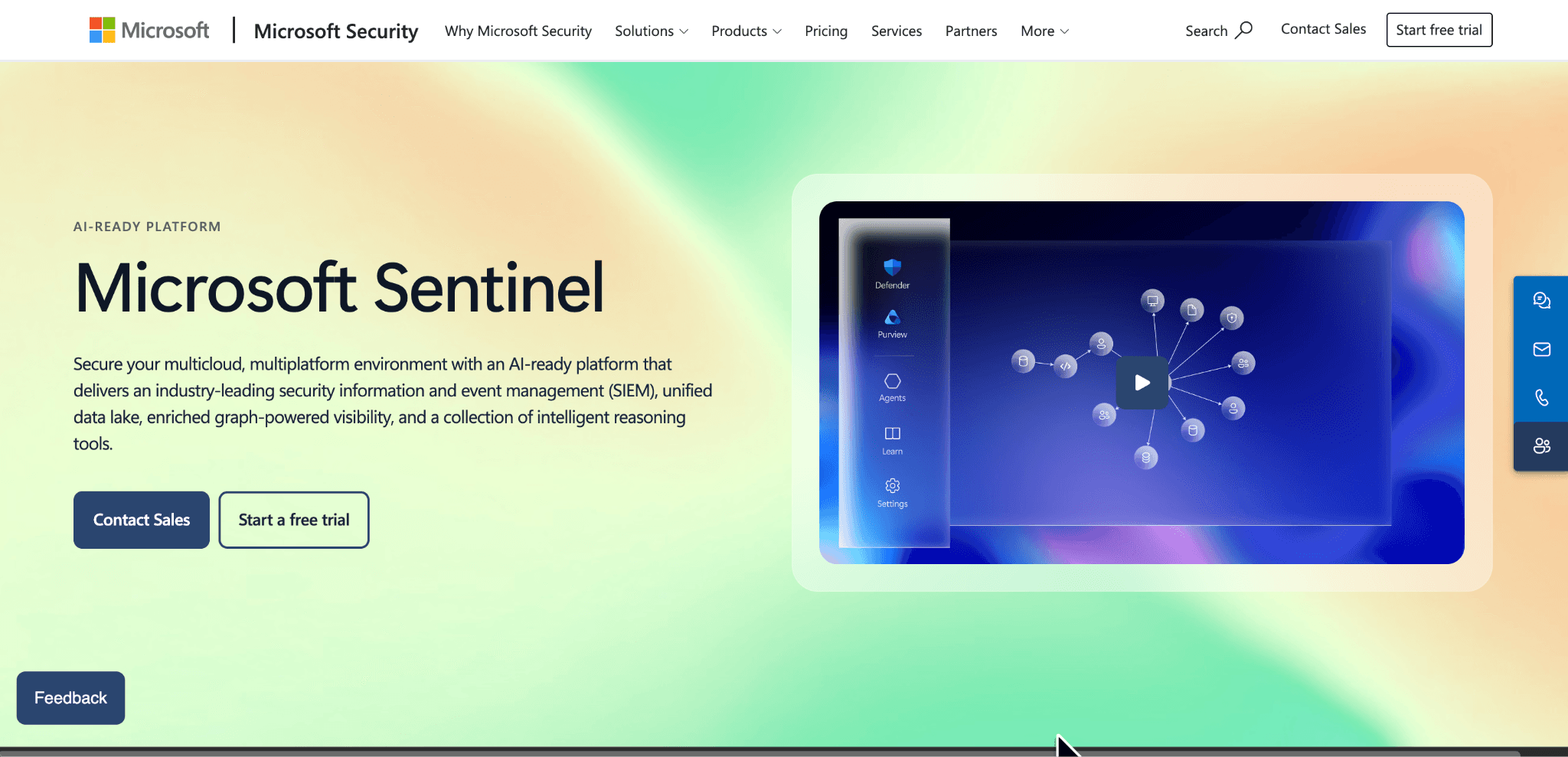
Microsoft Sentinel is a cloud-native SIEM and SOAR service built on Microsoft Azure with AI capabilities for threat detection.
Key Strength: AI-assisted threat detection and automation.
Best for: Organizations that are Microsoft ecosystem users.
Compliance relevance: Sentinel’s workbooks can automatically help map technical data to common compliance frameworks.
6. CrowdStrike Falcon
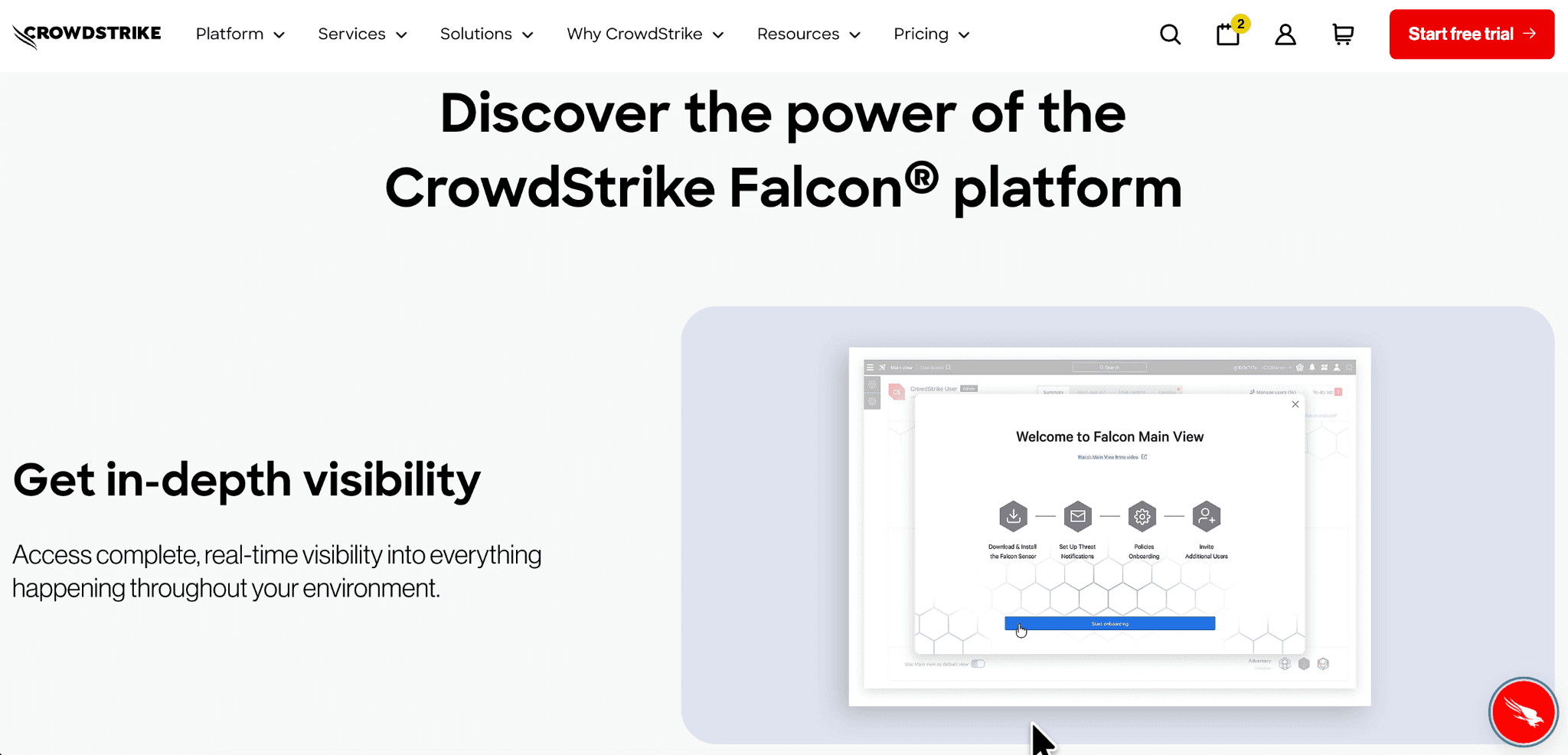
An established EDR/XDR platform is Falcon, which uses a lightweight agent to provide in-depth visibility to endpoint activities.
Key Strength: Prevention of threats and in-depth visibility of endpoints.
Best for: Organizations with a global presence that require robust defense.
Compliance relevance: Falcon is able to provide the requisite endpoint monitoring for SOC 2 and ISO 27001.
7. SentinelOne Singularity
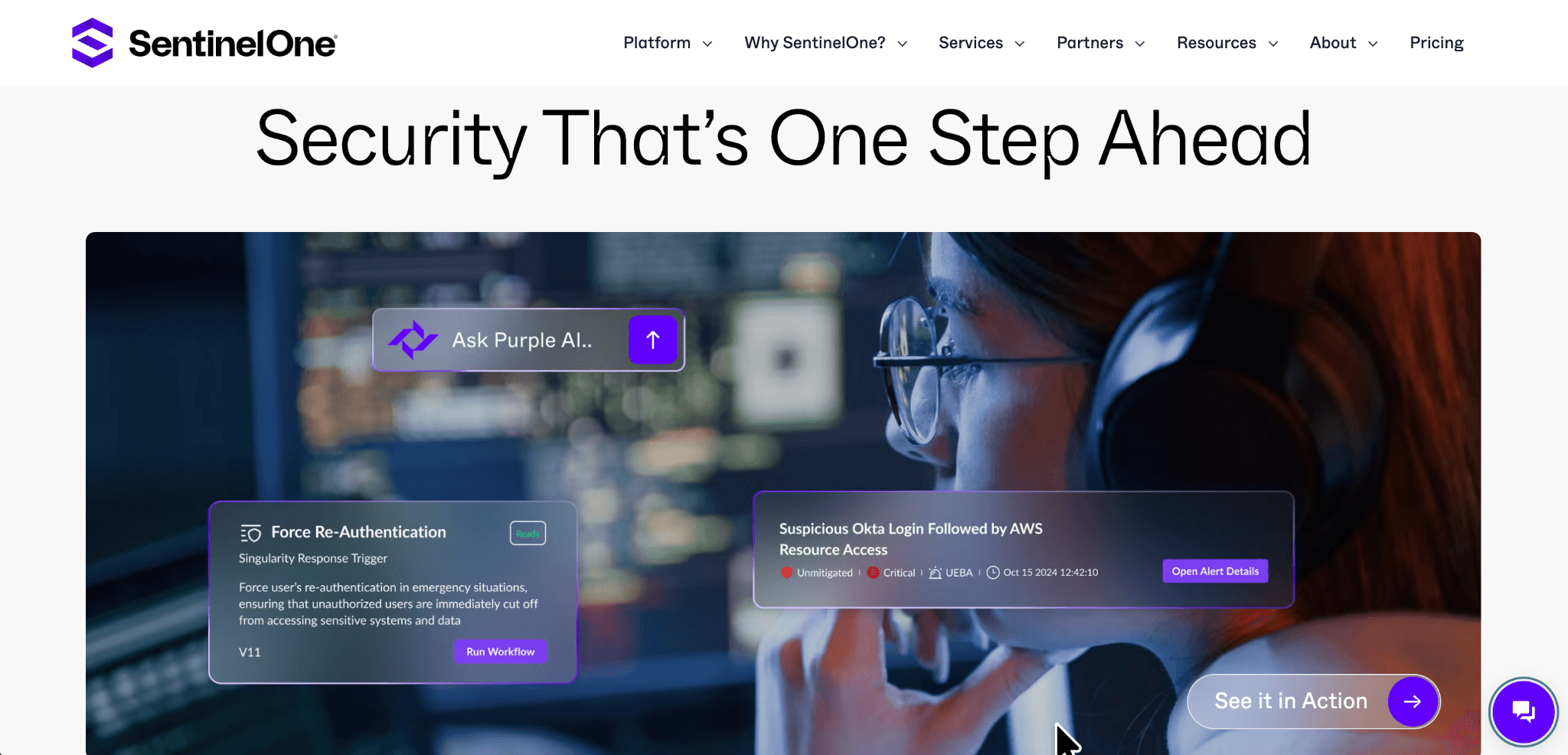
SentinelOne Singularity is an EDR/XDR that emphasizes behavioral AI for threat detection and response.
Key Strength: Quick response to incidents and autonomous threat detection.
Best for: AI-focused SOCs wanting to maintain minimal manual triage.
Compliance relevance: The platform documents incidents throughout their life, which satisfies the incident response compliance control requirement.
8. Palo Alto Cortex XSOAR

Cortex XSOAR is a toolkit framework that provides a SOAR platform for automating incident response and managing threat intelligence and standardizing security workflows.
Key Strength: Automation of incidents and playbook orchestration.
Best for: SOC teams that are advanced and want automation in their response.
Compliance relevance: XSOAR’s incident response workflows provide evidence of standardized practices to auditors.
SOC Tools Comparison Table
This is a quick scan table highlighting the leading SOC platforms in the industry to help you in your decision-making.
Tool | Category | Key Strength | Best For | Compliance Fit |
Splunk | SIEM | Scalable log monitoring | Enterprise SOCs | SOC 2 (CC7 evidence) |
IBM QRadar | SIEM | Behavioral analytics | Compliance-heavy orgs | ISO 27001 (Logging) |
LogRhythm | SIEM/SOAR | Unified platform | Mid-large enterprises | Pre-built compliance modules |
Elastic Security | SIEM | Open-source flexibility | Cost-conscious teams | Custom metric tracking |
Microsoft Sentinel | SIEM/SOAR | AI + automation | Integrated environments | Framework mapping workbooks |
CrowdStrike | EDR/XDR | Endpoint visibility | Distributed workforces | Endpoint monitoring evidence |
SentinelOne | EDR/XDR | Autonomous detection | AI-driven SOCs | Incident response tracking |
Cortex XSOAR | SOAR | Incident automation | Mature SOC teams | Documented response workflows |
How to Choose the Right SOC Tool
When choosing SOC tools, consider your organization’s environment, security maturity, and compliance requirements. Most environments employ a suite of SIEM, EDR/XDR, and SOAR platforms, as a single solution is rarely sufficient. Selecting tools that align with both technical needs and compliance requirements is essential.
Consider the following factors during your evaluation:
Organization size: Larger organizations typically require high-throughput, integrated platforms, while smaller teams may prefer simpler solutions with faster deployment.
Log volume: Many tools come with consumption-based pricing. Therefore you must estimate log volume requirements to get a sense of costs.
Budget: Cloud-native or even Open Source solutions may be more cost-effective than commercial enterprise software.
Compliance requirements: Many compliance frameworks (such as SOC 2 or ISO 27001) establish requirements around logging and monitoring, as well as retention and reporting, but do not establish specific tools.
Consider the following when making your tool choices.
Enterprise scale: Consider Splunk Enterprise Security or perhaps IBM's QRadar for advanced, scalable correlation.
Cost-efficient and flexible deployments: Considering cost and enterprise power options, you will want to look at Elastic Security, especially where there is engineering support.
Endpoint-heavy environments: Consider Crowdstrike's Falcon or SentinelOne's Singularity as options for visibility and detection on endpoints.
Automation-first SOC approach: Prioritize Palo Alto's Cortex to help standardize and automate incident response phases (adjacent to SIEM and EDR) in your SOC.
Common Gaps in SOC Tools
Every SOC tool has its own purpose, and identifying technical threats is the goal of most effective tools. However, what is often the case is that the tools cannot provide evidence for the purposes of an audit. Security tools generate alerts and logs, but they do not typically organize this data into audit-ready evidence.
Common gaps in functionality include:
Audit evidence is often not structured or mapped to specific control requirements. Alerts do not provide evidence of the effectiveness of a control.
Security tools do not provide structured workflows for documentation or policy management.
Evidence almost always has to be exported and screenshots manually taken.
Evidence is often misplaced throughout the dashboards, making it difficult to prove a unified position of compliance.
Due to the previously mentioned functionality gaps, evidence often has to be manually moved and organized in various spreadsheets and folders to prepare for the audit.
How Teams Manage Evidence and Audit Workflows
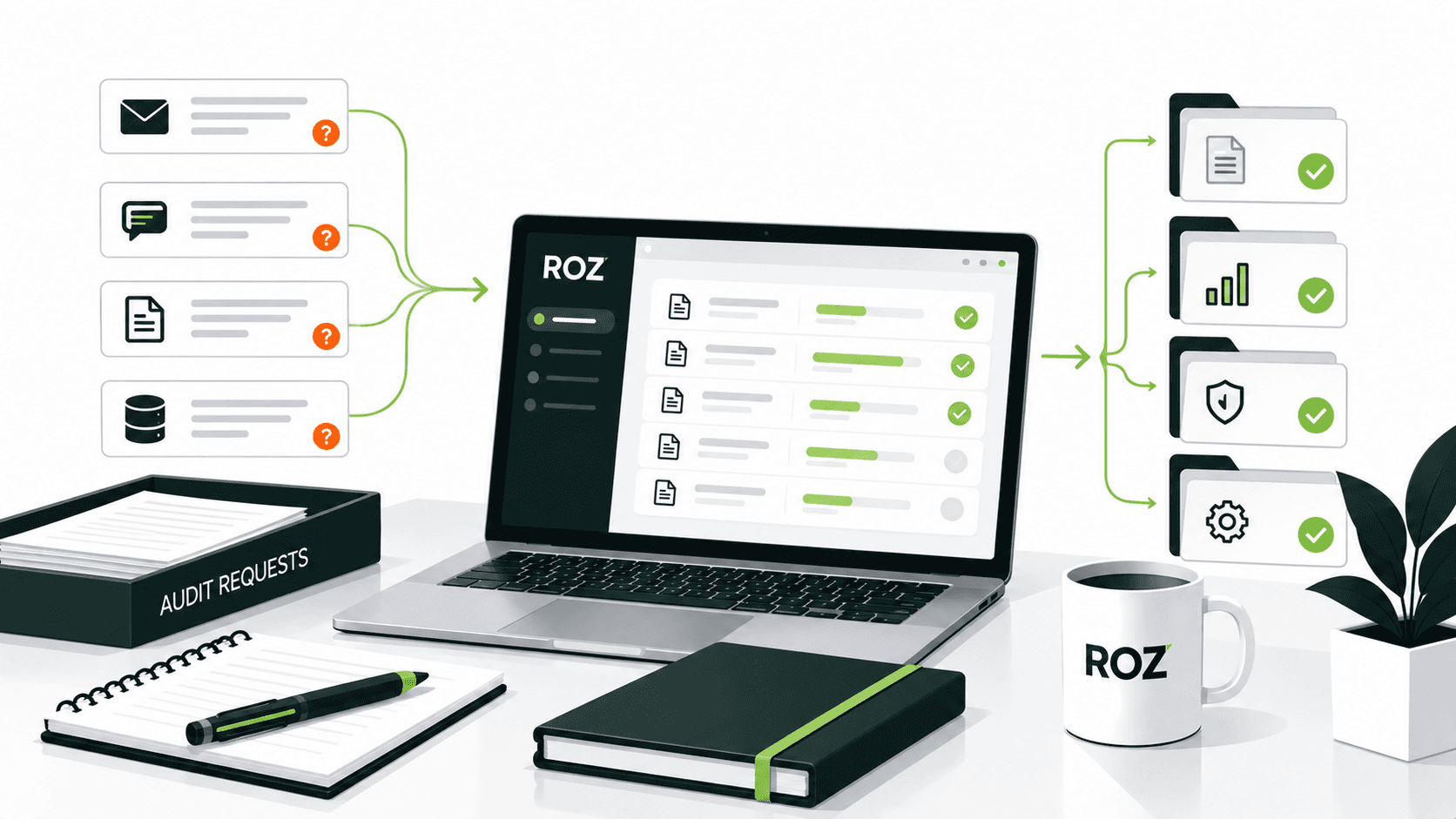
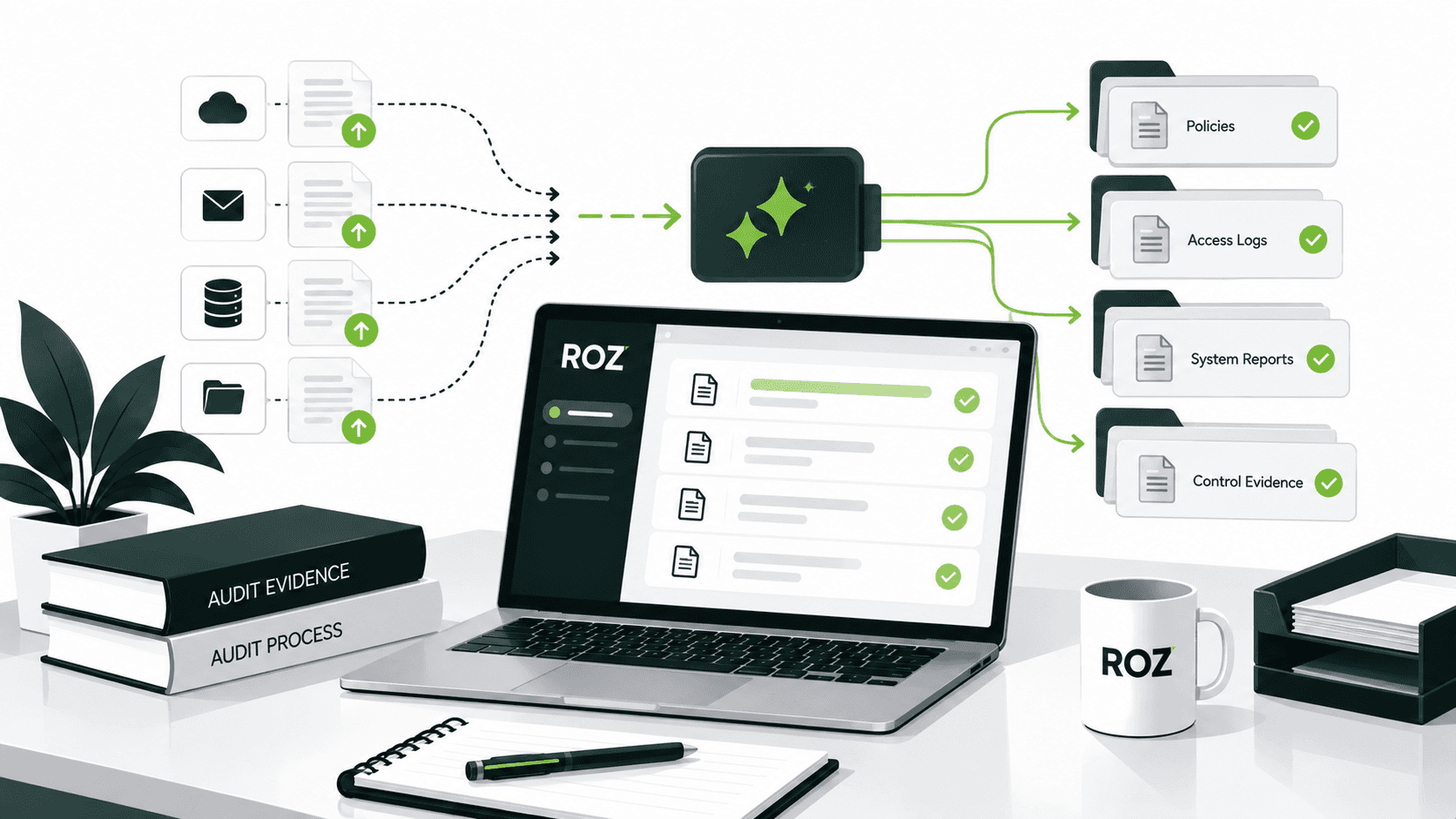
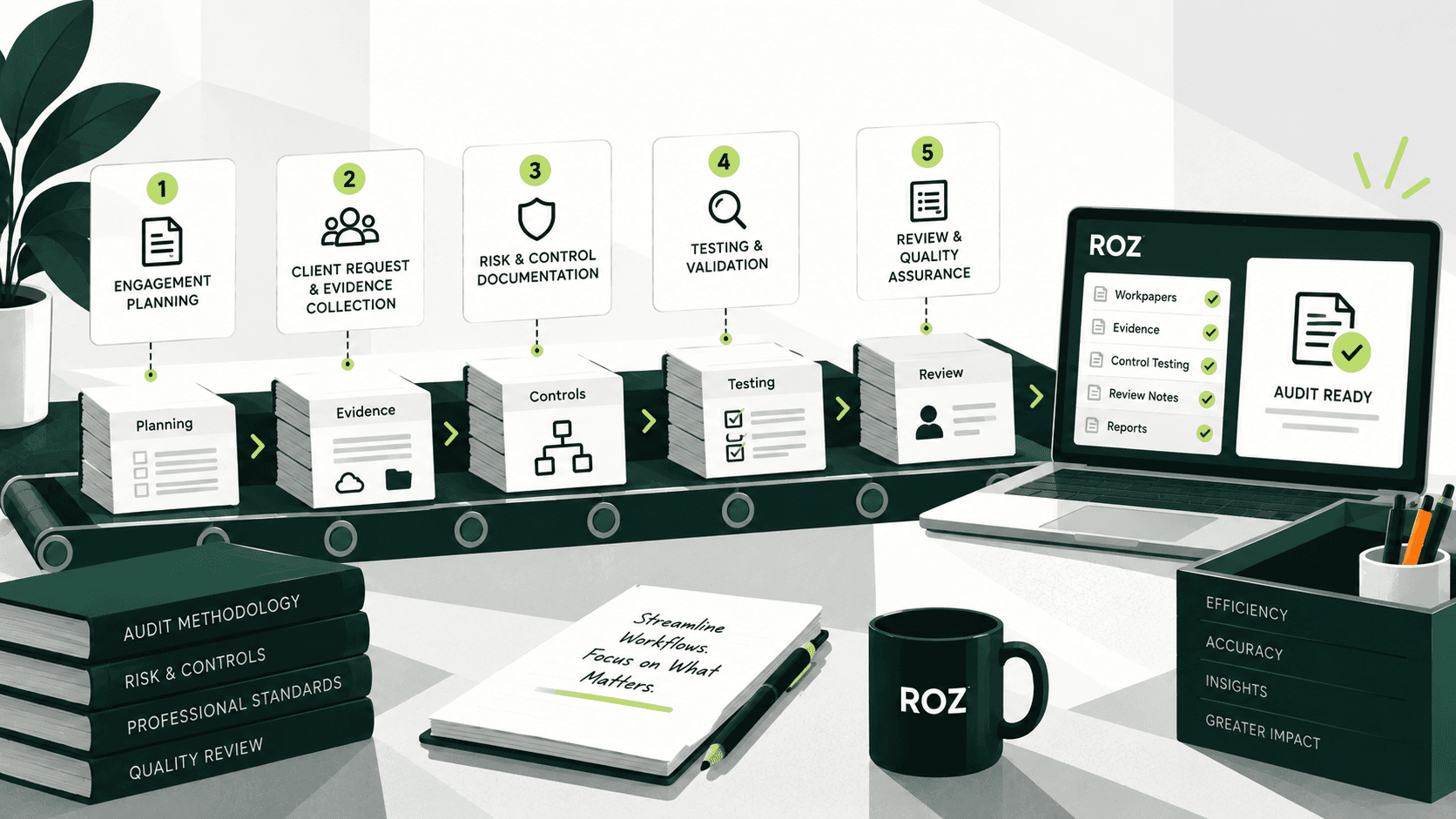
In practice, preparing for an audit is often fragmented. Evidence is spread across security tools, cloud platforms, and local folders. Teams spend significant time drafting workpapers, managing documentation in spreadsheets, and tracking audit progress with limited visibility.
This is where a dedicated audit workflow platform like Roz fits into the technology stack.
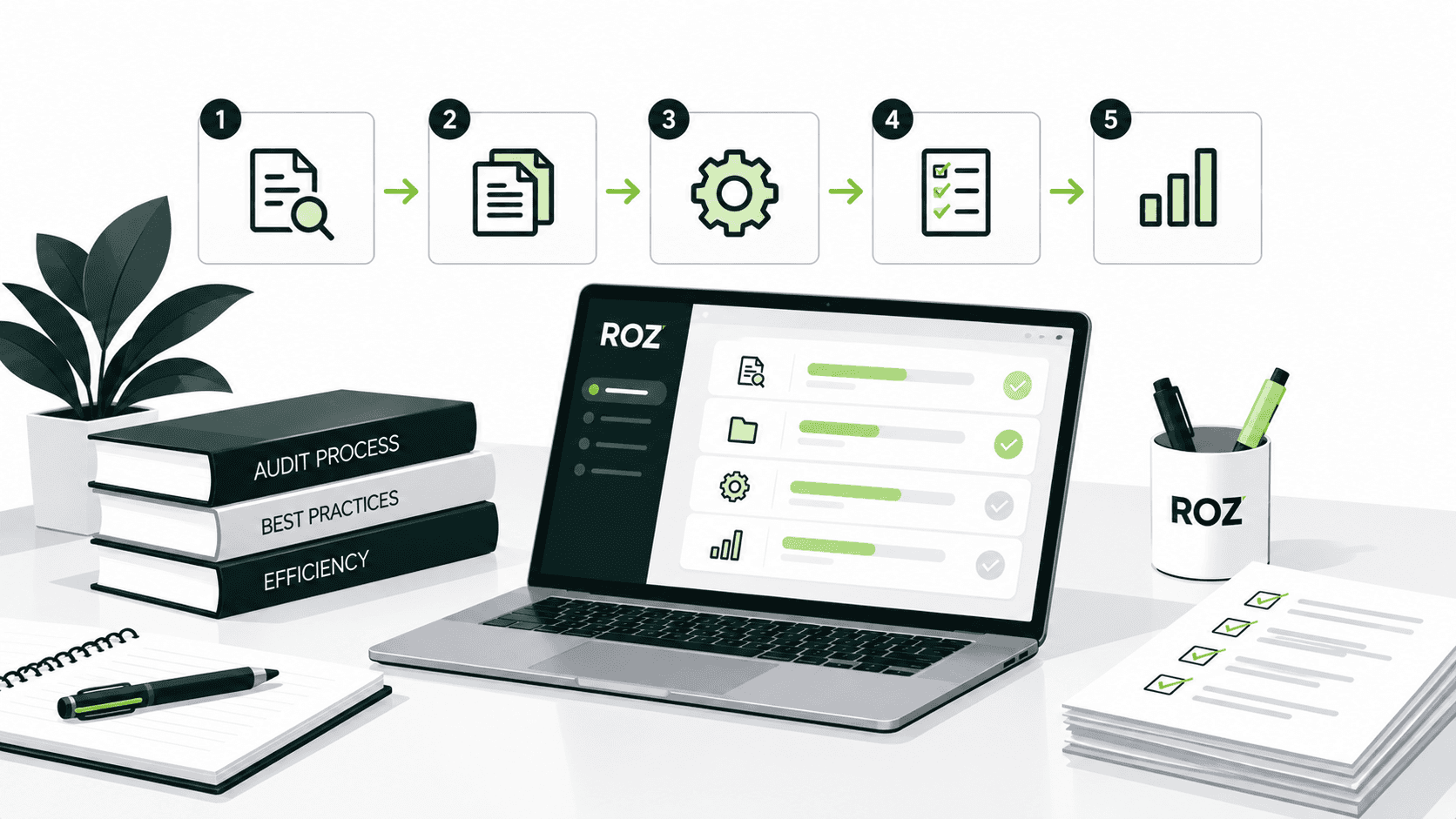
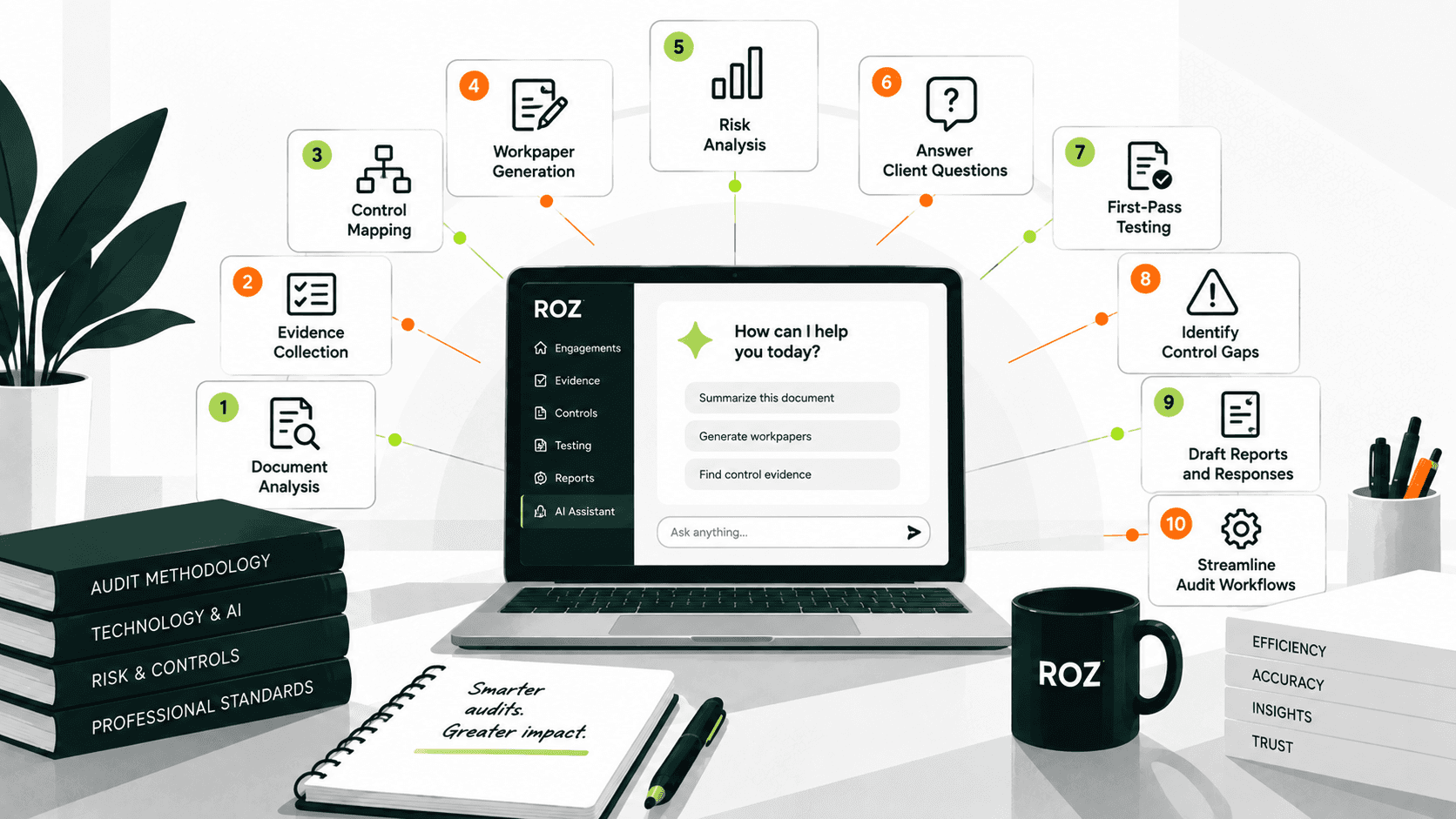
Roz acts as a centralized engagement workspace where teams can:
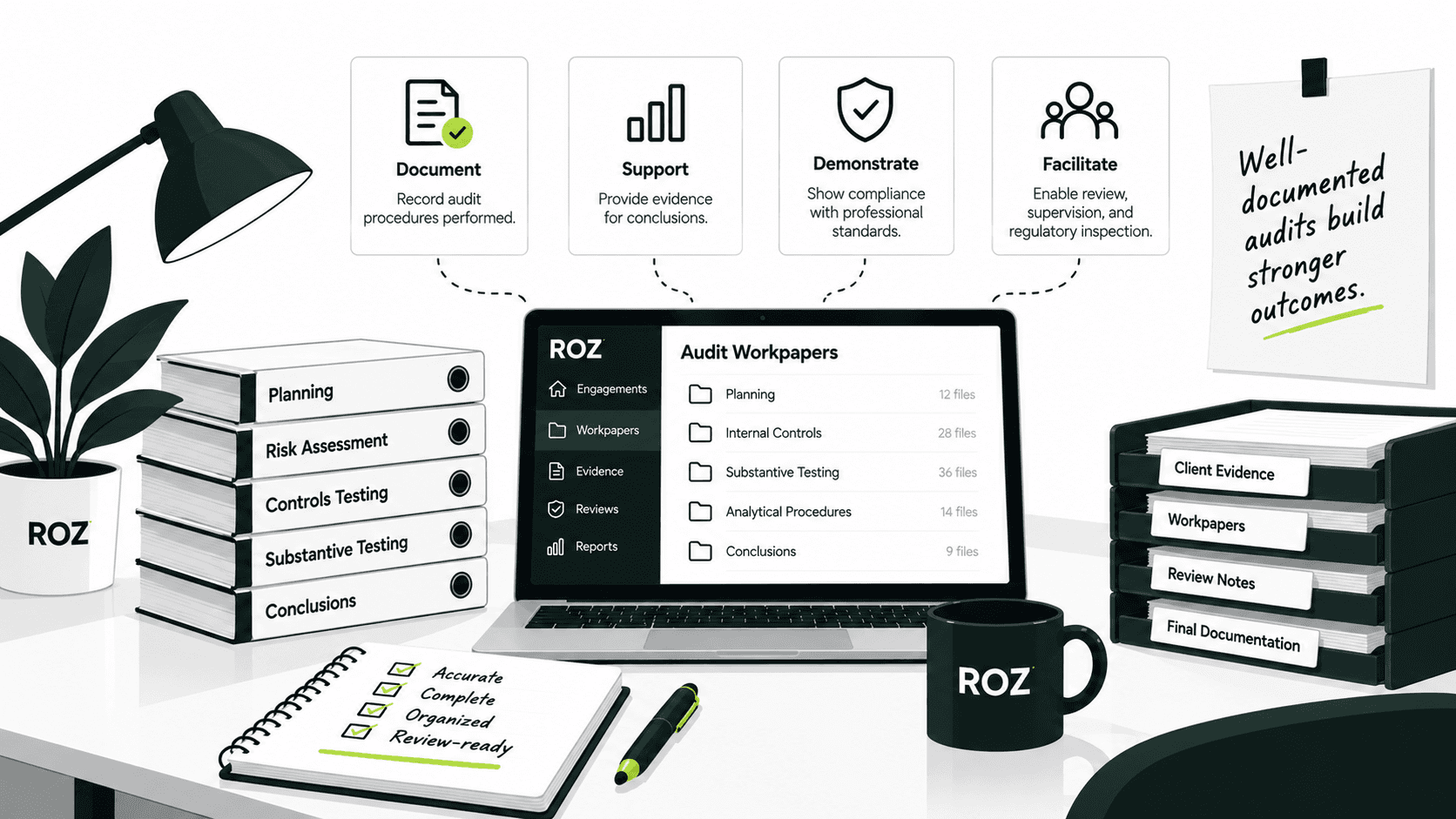
Centralize compliance documentation in client-specific workspaces
Organize evidence with traceability across engagement materials
Extract controls and highlight potential documentation gaps
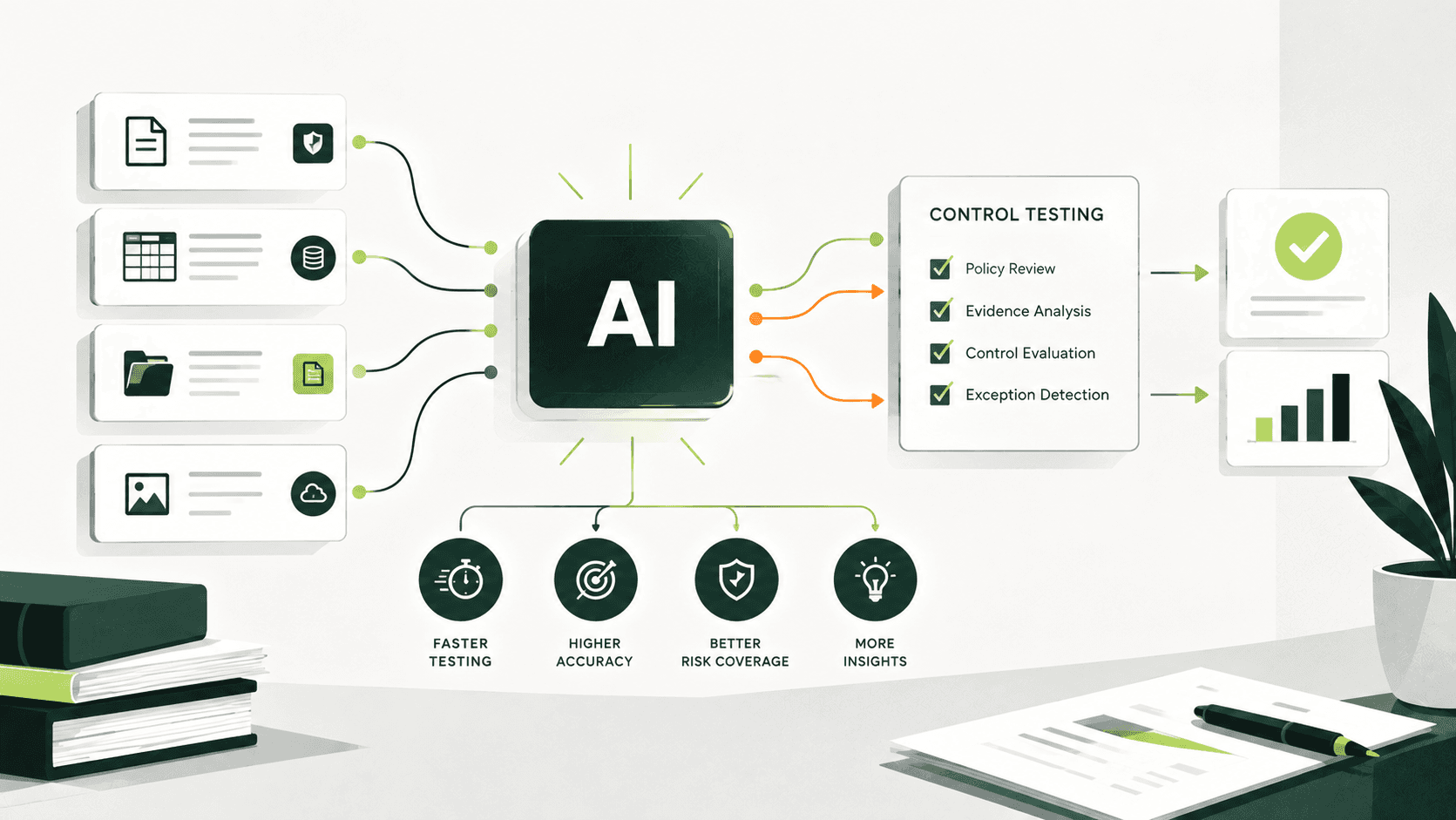
Generate AI-assisted draft workpapers with audit trails
Use risk and control views to structure engagements
Roz complements existing SOC and security tools. It does not replace auditors or certification processes. Instead, it functions as an intelligent enterprise data room—helping teams organize documentation and support audit readiness workflows.
For firms delivering control-based engagements, incorporating Roz can help standardize documentation and improve consistency across engagements.
Conclusion
SOC tools play a key role in threat detection and system monitoring, but compliance requires more than technical visibility. Organizations must also manage structured evidence, control mapping, and documentation.
Combining a robust SOC stack with a dedicated audit workflow platform can help improve visibility, organize evidence, and support audit readiness.