A PCI DSS audit evaluates whether an organization’s security controls align with PCI DSS requirements and are operating as intended. Companies that store, process, or transmit cardholder data are expected to implement appropriate security controls under PCI DSS.
Though the audit process is long and complicated, it does provide an opportunity to strengthen security measures and close any identified gaps before they are identified in a breach. Note that an audit does not prove a company is immune to data breaches, as it is only a snapshot of your security at that specific moment.
With the new PCI DSS v4.0, which replaced v3.2.1 a few years back, changes have been implemented to deal with the most current security concerns.
In this article, I will walk you through everything you need to know about the PCI DSS audit process, from preparation to the final report, helping your team approach compliance with confidence.
What Is a PCI DSS Audit?
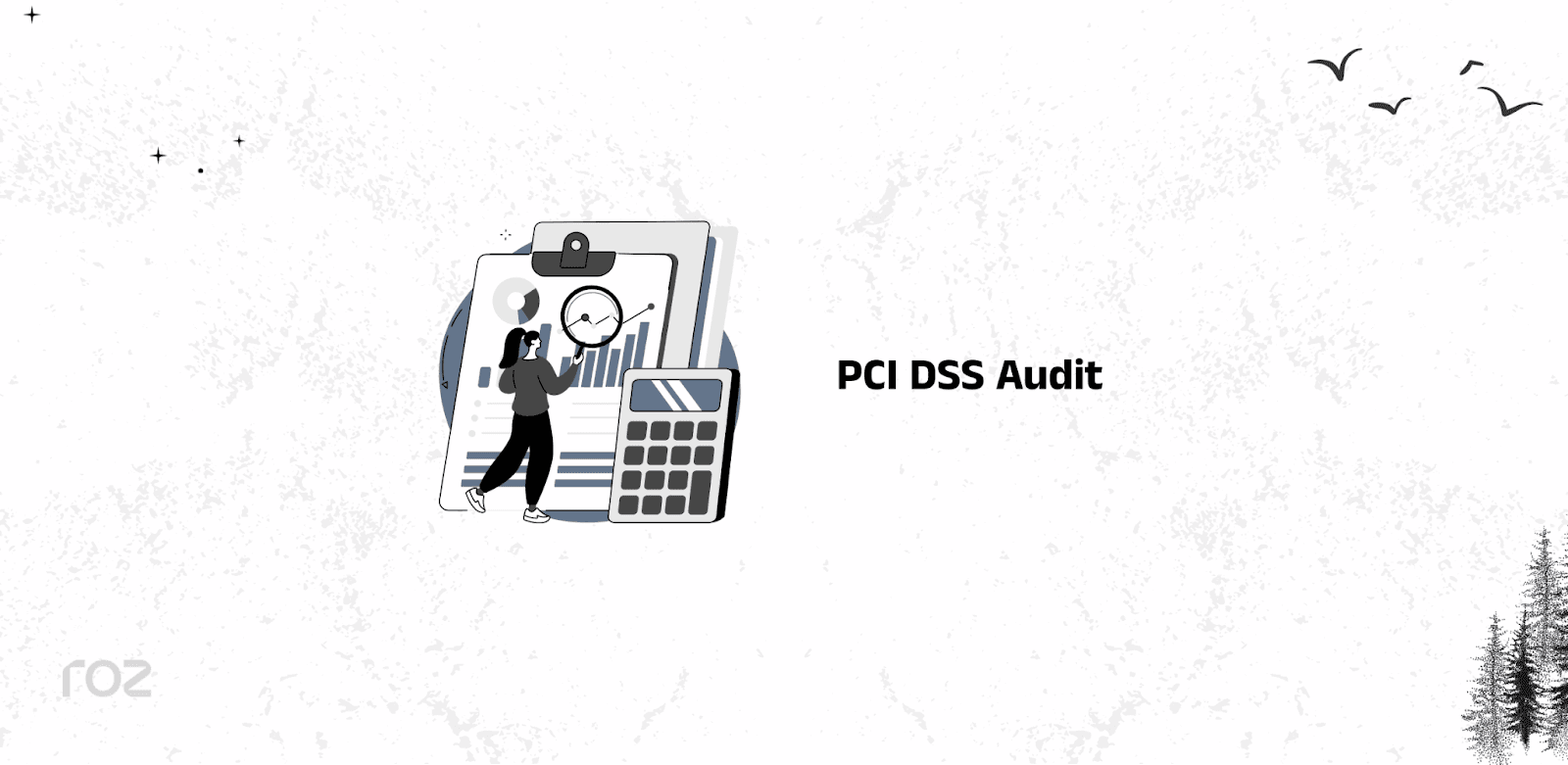
A PCI DSS assessment evaluates an organization’s adherence to the security requirements defined by PCI DSS. The audit examines both the technical and operational protection measures and assesses the extent to which they are functioning in alignment with PCI DSS requirements. CHD includes PAN and related payment data, while the CDE refers to the systems, networks, and processes that store, process, or transmit this data.
Understanding the PCI DSS audit requires familiarity with the fundamental validation approaches employed by various companies.
Self-Assessment Questionnaire (SAQ): A validation tool designed for eligible merchants and service providers to assess and attest to their PCI DSS compliance using standardized questionnaires. It is generally used by companies with lower transaction volumes or simpler cardholder data environments.
Report on Compliance (ROC): A detailed assessment report documenting the results of a comprehensive PCI DSS assessment conducted by a QSA. This is typically required for Level 1 merchants or organizations with more complex environments.
Role of the Qualified Security Assessor (QSA): A QSA is an independent security professional certified by the PCI SSC to assess and validate an organization’s adherence to PCI DSS. QSAs conduct formal assessments and produce the ROC.
Who conducts a PCI DSS audit?
A QSA conducts formal PCI DSS assessments for companies requiring a ROC. Companies eligible for self-assessment may complete the applicable SAQ internally.
How Does a PCI DSS Audit Work?
Each PCI DSS audit is unique in its methodology. Each audit is designed to assess an enterprise’s organizational compliance with PCI DSS.
While assessments may differ in several ways, they do follow a set of basic, core, and fundamental steps, which include:
Scope Definition: An assessor engages with the enterprise to define its cardholder data environment. This includes the complete breakdown of all systems, personnel, and organizational procedures concerned with the storage, processing, and/or transmission of cardholder data. Successfully defining scope determines which of the enterprise’s systems and controls will be assessed.
Gap Assessment (Optional but common): Most enterprises conduct a gap assessment prior to the formal assessment. This is called a readiness assessment. This process helps the company identify control gaps, up-to-date configurations, and missing documents. This assessment helps identify issues or risks that need to be addressed prior to the formal assessment.
Evidence Collection: The company collects documentation, logs, configurations, training records, and all items that show that the applicable security measures are in place and functioning.
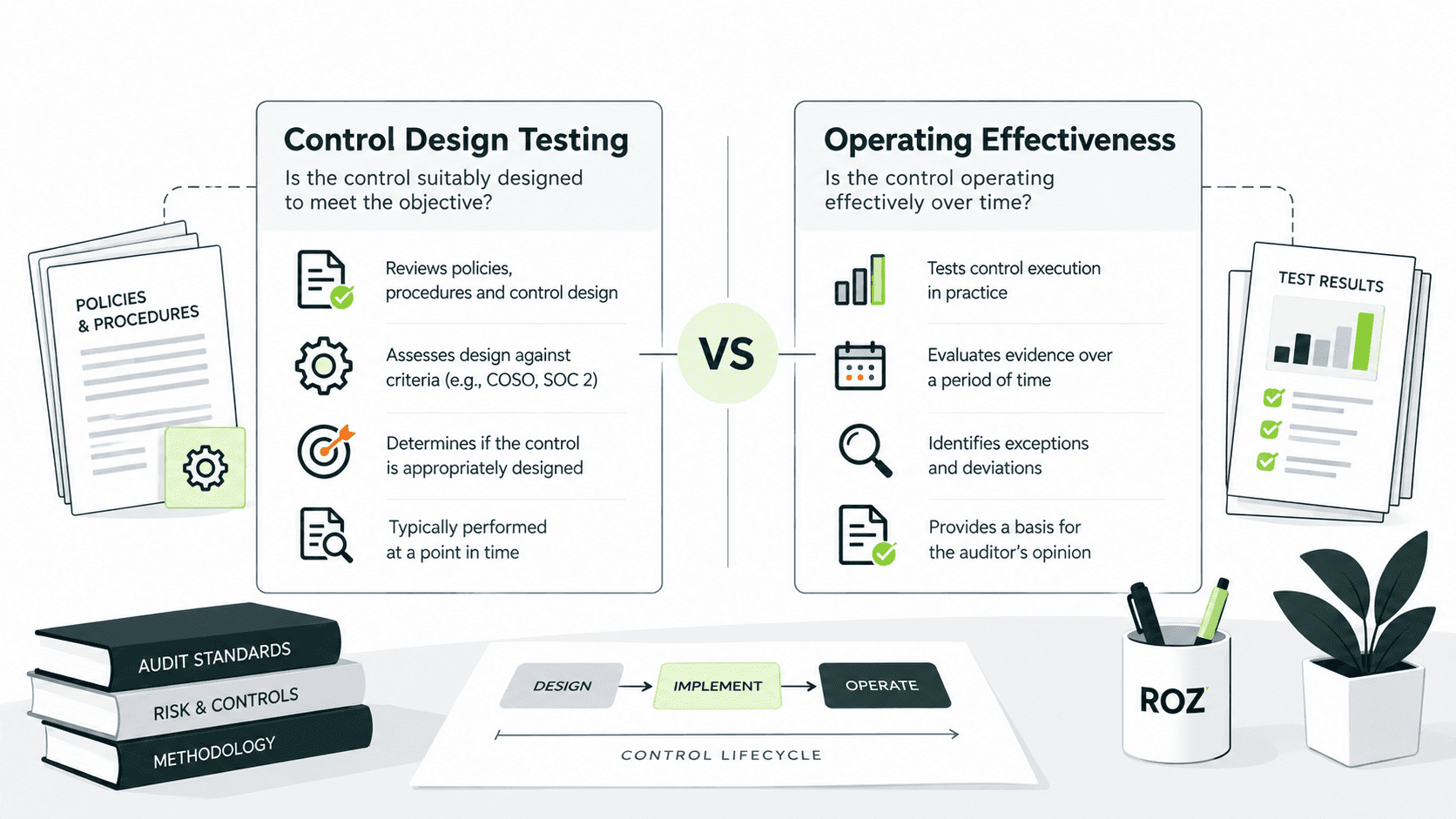
Control Validation: The QSA will review the documentation, interview some of the technical staff, and evaluate the system configurations, and all of this is to ensure that all the applicable PCI DSS requirements are addressed.
Reporting: After reviewing all findings, the assessor will either compile them into an ROC or review the results of a self-assessment questionnaire. The last step will be to sign an Attestation of Compliance, which will state that the company is or is not compliant.
How to Prepare for a PCI DSS Audit
Preparing for a PCI DSS audit typically involves defining scope, reviewing control implementation, and organizing audit-ready evidence.
Effective preparation can help streamline the assessment process and reduce operational friction during the audit. Organizations looking to prepare for a PCI DSS audit should consider the following steps:
Define your audit scope early: Clearly identify where cardholder data is stored, processed, and transmitted within your environment. This includes documenting data flows across systems, applications, and third parties. Where feasible, organizations may implement network segmentation to isolate the Cardholder Data Environment (CDE), which can reduce the scope of systems subject to assessment.
Inventory your systems: Maintain an up-to-date inventory of all systems, applications, and devices that interact with cardholder data. This should include asset inventories, data flow diagrams, and documentation of system ownership.
Review controls against PCI DSS 4.0: Compare your current security measures against the latest v4.0 standards. Look for areas requiring upgraded encryption, enhanced multi-factor authentication, or updated risk assessment methodologies.
Conduct an internal readiness assessment: Run an internal review or mock assessment to evaluate control readiness. This may involve internal teams or external advisors and helps identify control gaps, documentation issues, or inconsistencies prior to the formal assessment.
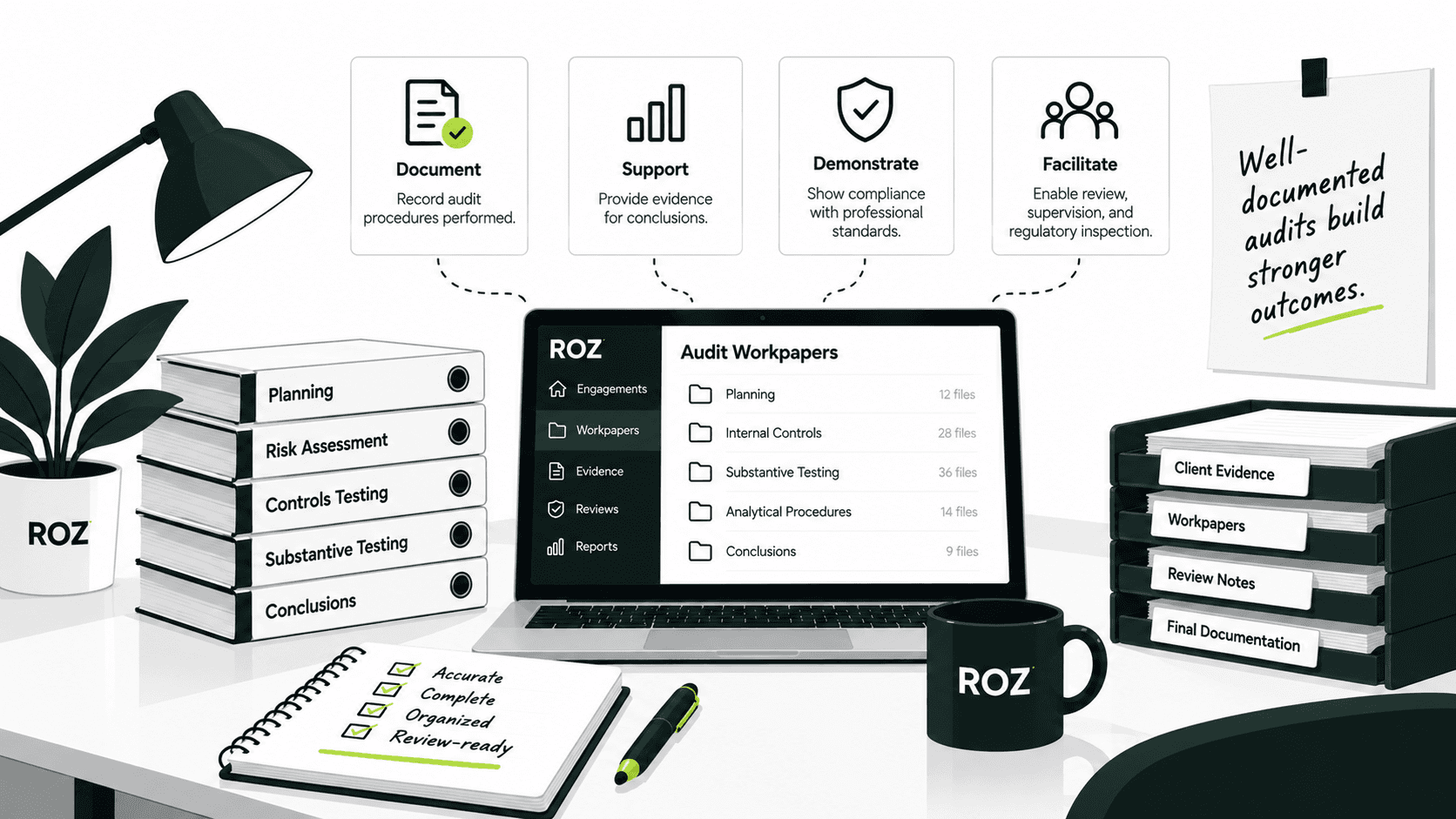
Organize documentation and evidence: Keep your security policies, access logs, and network diagrams neatly filed and easy to access.
PCI DSS Audit Requirements
PCI DSS includes 12 core requirements organized into broader security objectives. This provides a more organized overview of expectations for the PCI DSS without expressing the need for a more in-depth analysis of every single subcontrol.
Network Security Controls: Create and implement a network security system to protect cardholder data. These include things like firewalls or network segmentation controls.
Data Protection: Protect stored cardholder data and ensure secure transmission using strong cryptography.
Vulnerability Management: Protect systems against malware and secure them with timely patch management processes.
Access Control: Restrict access to cardholder data based on business need-to-know. Implement strong methods of authentication and identification. Control the physical access of systems and infrastructure.
Monitoring & Testing: Track and monitor access to network resources and cardholder data. You can see if the system is secure by running security analyses and even performing vulnerability scans.
Security Policies: Maintain and enforce information security policies and communicate with relevant personnel in compliance with them, and establish an information security awareness program.
PCI DSS Audit Checklist
Organizations can audit PCI DSS checklists to prepare for control assessments and focus on the most crucial areas.
Define and document the scope of the cardholder data environment.
Network segmentation (if implemented) is validated.
For data at rest and in transit, encryption controls are applied.
Access control, role-based access, and authentication control are configured and reviewed.
Logging and monitoring mechanisms are implemented and operational.
Conduct vulnerability scans and penetration testing as per PCI DSS.
Information security policies are documented, maintained, and communicated to personnel.
Common PCI DSS Audit Challenges
When attempting compliance for the PCI DSS, practical challenges often come into play. Understanding the common challenges helps companies improve readiness and avoid delays during the assessment process.
Scoping complexity: It can be difficult for companies to set the boundaries for their cardholder data environment. This can be a result of inadequate network segmentation, either intentionally or otherwise. Such an issue has the effect of increasing the scope of the audit to new and existing systems and networks.
Incomplete documentation: Missing, outdated, or inconsistent documentation, such as security policies, network diagrams, and training records, can delay the assessment and create gaps in evidence.
Misaligned controls: Security controls may be implemented, but the PCI DSS testing procedures may be misaligned, particularly under PCI DSS v4.0. The same can be true for controls and requirement expectations.
Evidence gaps: Companies must provide control evidence that covers the entire period during which the controls were in operation. Limitations in logs and records, along with the available data, can impact this.
Over-reliance on tools: Just because security tools have been implemented, it does not mean compliance requirements have been attained. It is expected of the companies that the tools will have been set up correctly, monitored, and validated properly.
PCI DSS Audit Timeline & Frequency
When it comes to PCI DSS assessments, there are technical assessments done on a regular basis, and there are annual assessments done on a recurring basis.
Payment brands, like Visa and Mastercard, set the rules for validation. These rules can include PCI DSS assessments or SAQs to confirm compliance
Annual assessments: Level 1 merchants and some types of service providers are typically required to undergo annual PCI DSS validation, which may include a QSA-led assessment or SAQ depending on classification.
Quarterly scans: Assessments of external vulnerabilities are to be done by Approved Scanning Vendors on a quarterly basis (typically every 90 days).
The timeline for PCI DSS assessments is dependent on the size of the company, the number of gaps that are present, the documentation, and the level of preparedness. Well-prepared environments may complete assessment activities in several weeks or may take a longer time to remediate and gather evidence in environments that have many gaps and a lot of documentation.
How Much Does a PCI DSS Audit Cost?
The cost of a PCI DSS audit depends on the company’s size and environment. Each Cardholder Data Environment is different in the level of size and complexity, and therefore costs can vary significantly depending on scope and complexity.
There are a few different reasons for potential PCI DSS audit costs:
Organization size: Larger companies that have multiple business units, locations, and systems tend to have more complex assessments and, as a result, have higher assessments.
Environment complexity: The structure and scope of the cardholder data environment play a significant role. Environments that are more well-defined and separated may have fewer places within the data environment to have data assessments. In contrast, more interrelated environments may require more assessments.
QSA involvement: If companies want an ROC, then they need to get a QSA, and the fees for these assessments can vary widely based on the assessor, scope, and length of the assessment.
Pre-audit readiness: Companies that have already done preparations, such as internal assessments, closure of control gaps, and document organization, may have less assessment effort.
How Roz Supports PCI DSS Audit Engagements
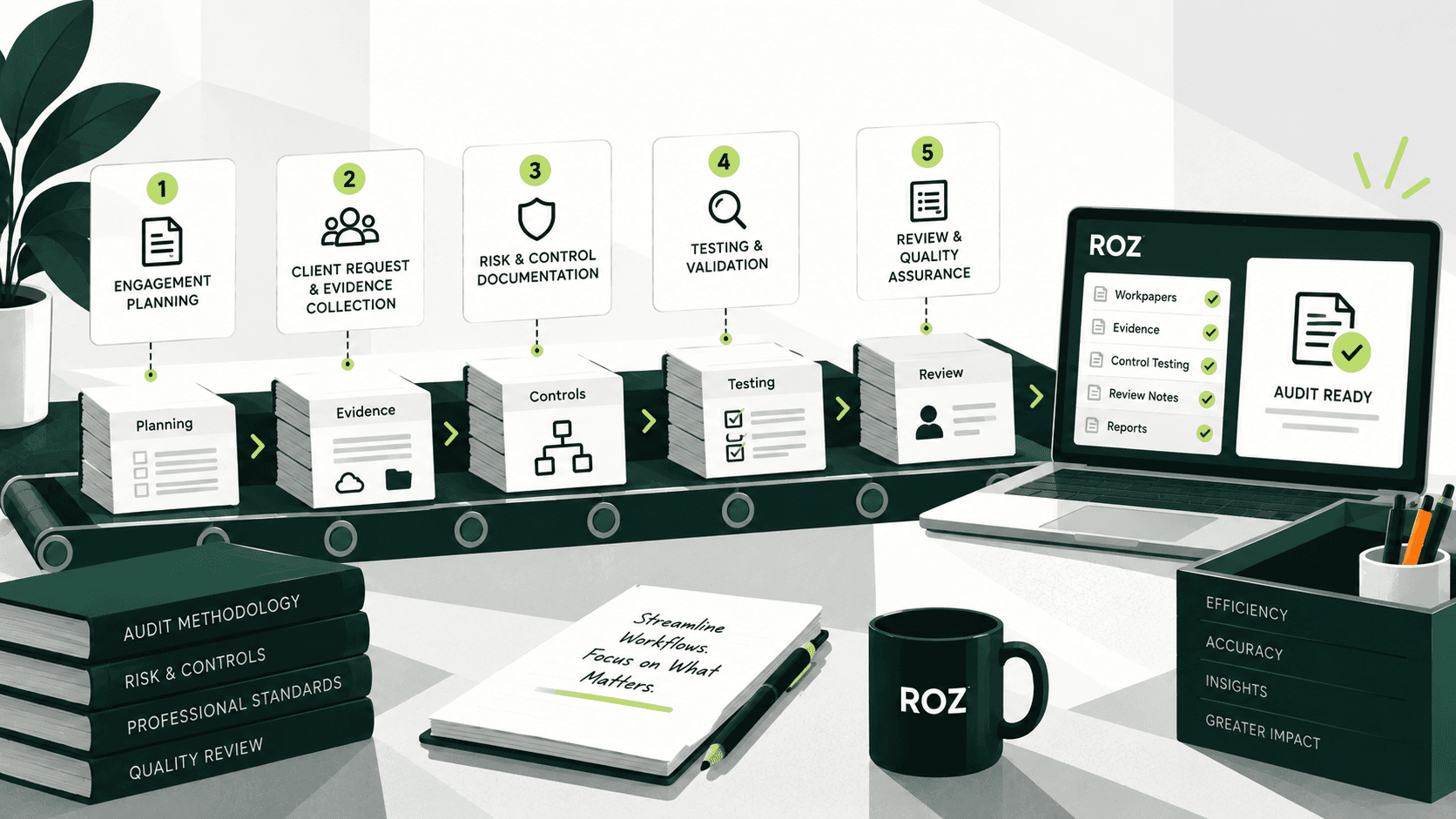
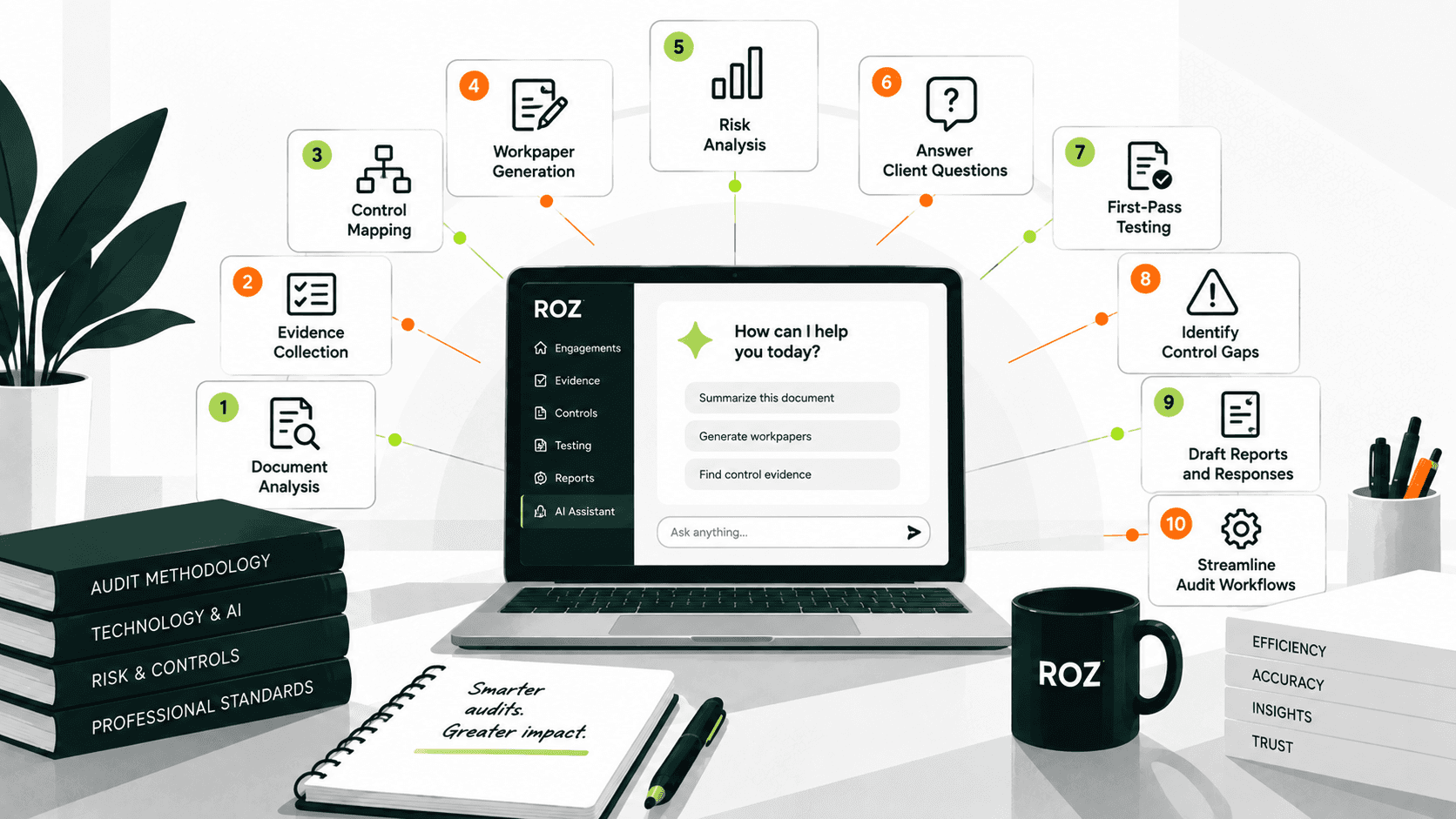
For CPA firms and advisory teams delivering PCI DSS engagements, managing documentation and evidence can be time-intensive. Roz helps streamline these workflows with structured, AI-assisted audit delivery.
Roz does not replace a QSA or certify compliance. Instead, it supports teams by:
Organizing evidence and documentation in structured client workspaces.
Generating AI-assisted draft workpapers with full audit trails and traceability.
Providing clear audit visibility across documentation and analysis.
Structuring engagement workflows to improve consistency and efficiency.
By reducing repetitive work and organizing engagement data, Roz enables teams to focus on higher-value audit work and deliver engagements more efficiently.
Book a demo to see how Roz can streamline your PCI DSS engagements.
Conclusion
Achieving PCI DSS compliance is an important milestone for companies handling cardholder data, and an audit is a necessary step in that process. However, compliance is an ongoing process that involves continuous monitoring and control validation with staff training and awareness.
Companies that incorporate PCI DSS assessments as a part of a structured ongoing process, instead of a one-off job, will maintain control effectiveness over time.
I hope this article has provided a clear understanding of the PCI DSS audit process and how to approach compliance in a structured manner.