Control mapping workflows connect organizational controls to the requirements of compliance frameworks. Many audit firms have found ways to simplify this process. Language standardization of controls, developing a shared framework for the reuse of compliance evidence, the centralization of documentation, and the deployment of Roz, an AI-native audit platform, can help automate first-pass mapping workflows while maintaining auditor oversight.
Audit workloads are ever-increasing, and firm resources are becoming more constrained. Recent industry research indicates that many organizations conducted four or more audits in 2025. As clients expect a greater level of compliance preparation, audit firms deal with overlapping frameworks, more rigid and shorter deadlines, and critical shortages in staffing.
Yet, many teams still rely on manual control mapping workflows. They track requirements across disconnected spreadsheets, manually trace controls to scattered workpapers, and request the same compliance evidence multiple times across different frameworks. These manual audit workflows slow down engagement delivery and increase the complexity of partner reviews.
So what exactly is control mapping, and why does it become so difficult at scale?
What are control mapping workflows in audit and compliance?
Control mapping is the process of linking your company's internal controls to the specific requirements of a compliance framework.
When teams map a control, they connect a policy, procedure, or technical configuration to a defined framework requirement or risk. For example, a single Multi-Factor Authentication (MFA) control might map to access control requirements across several different frameworks simultaneously.
Which common frameworks require control mapping?
Audit and advisory firms routinely map controls against a wide variety of standards. Common frameworks include:
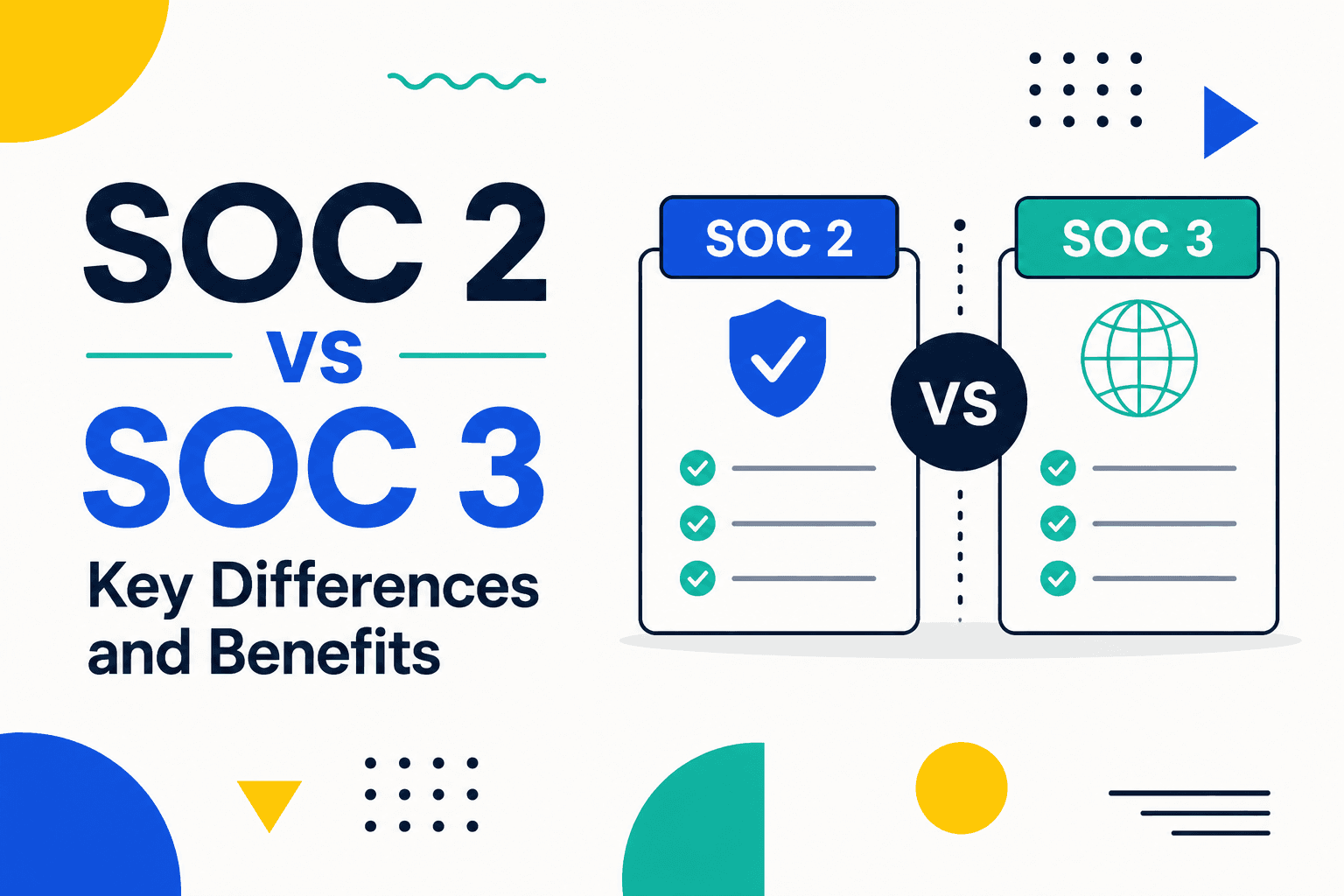
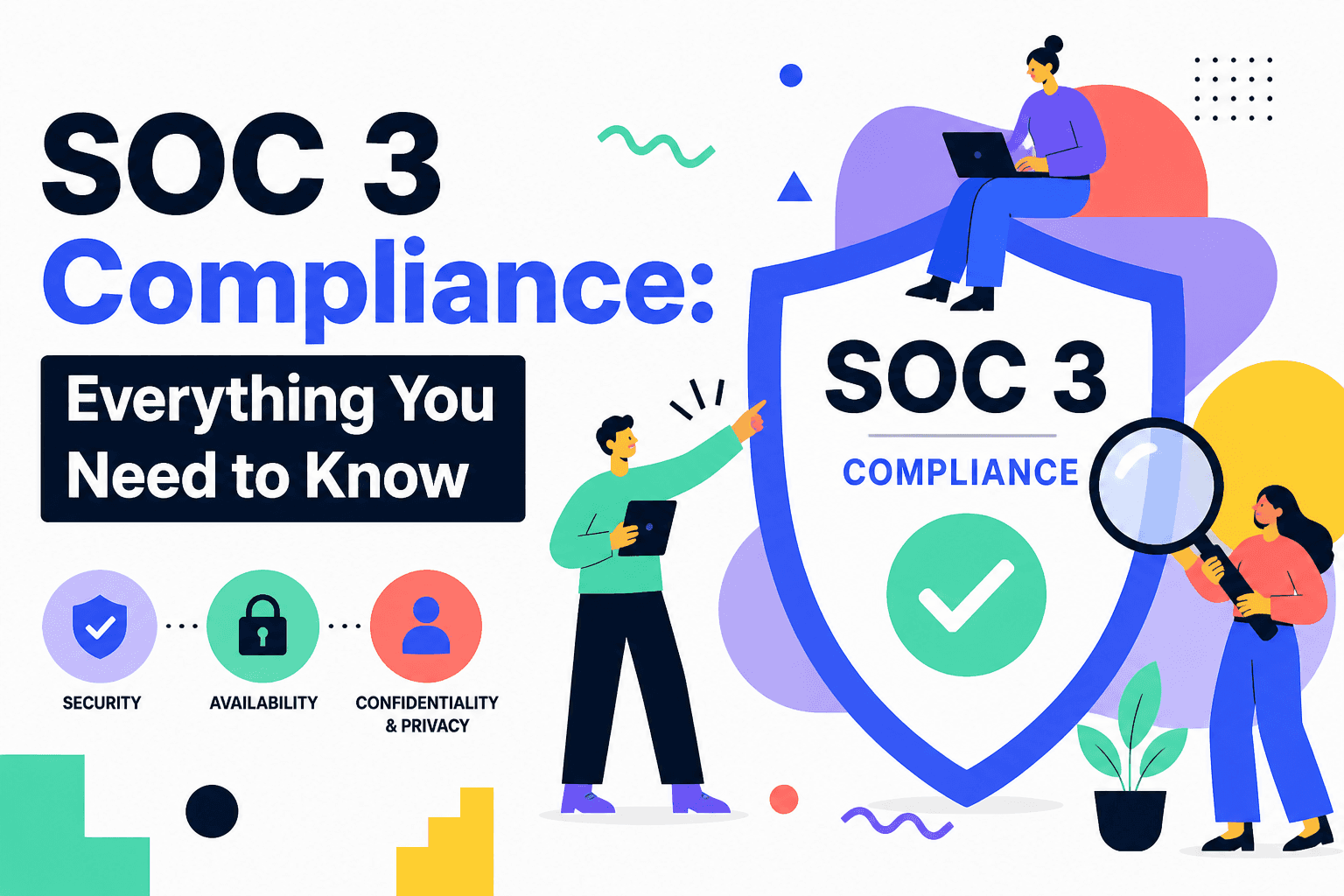
SOC 2 (defined by the AICPA)
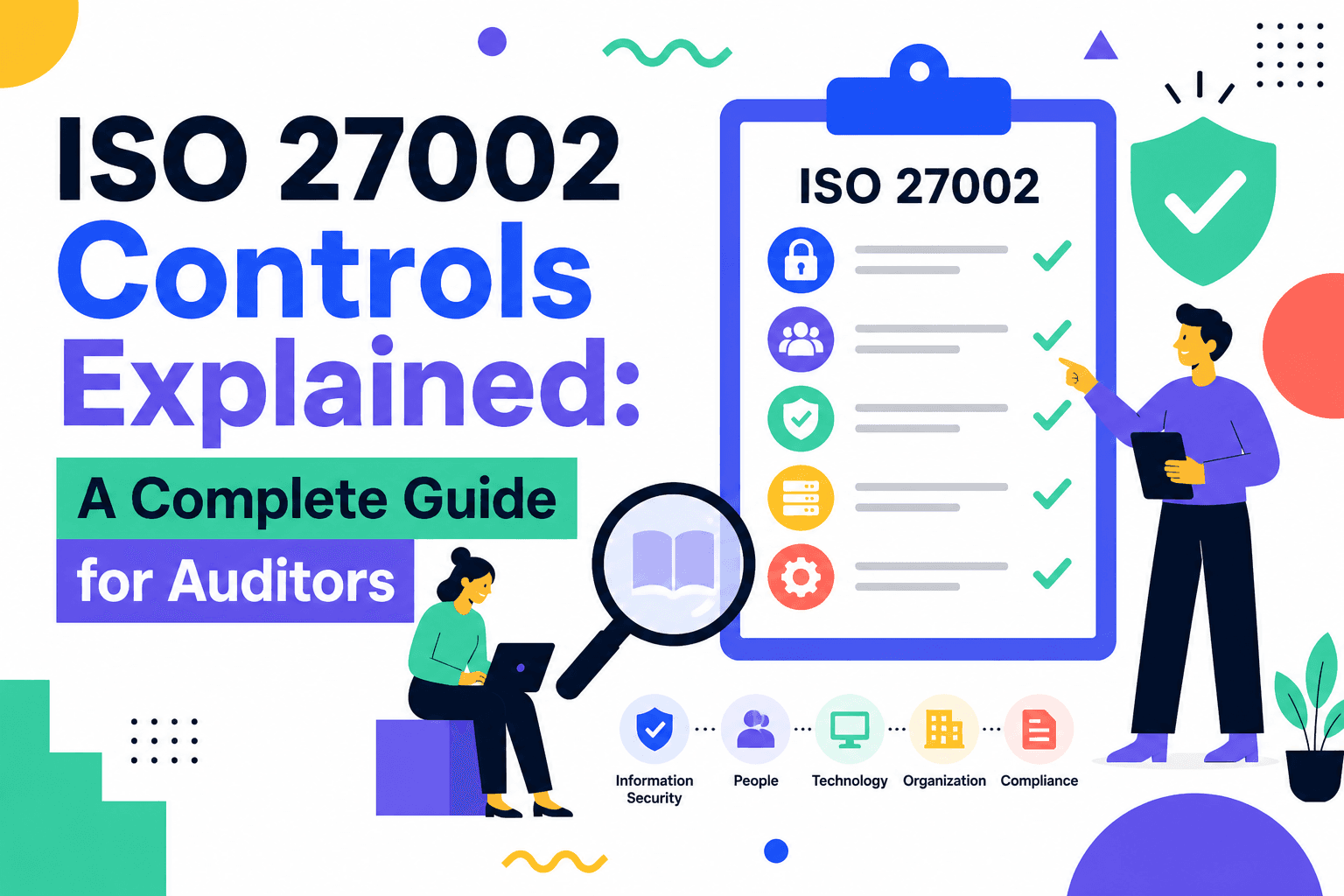
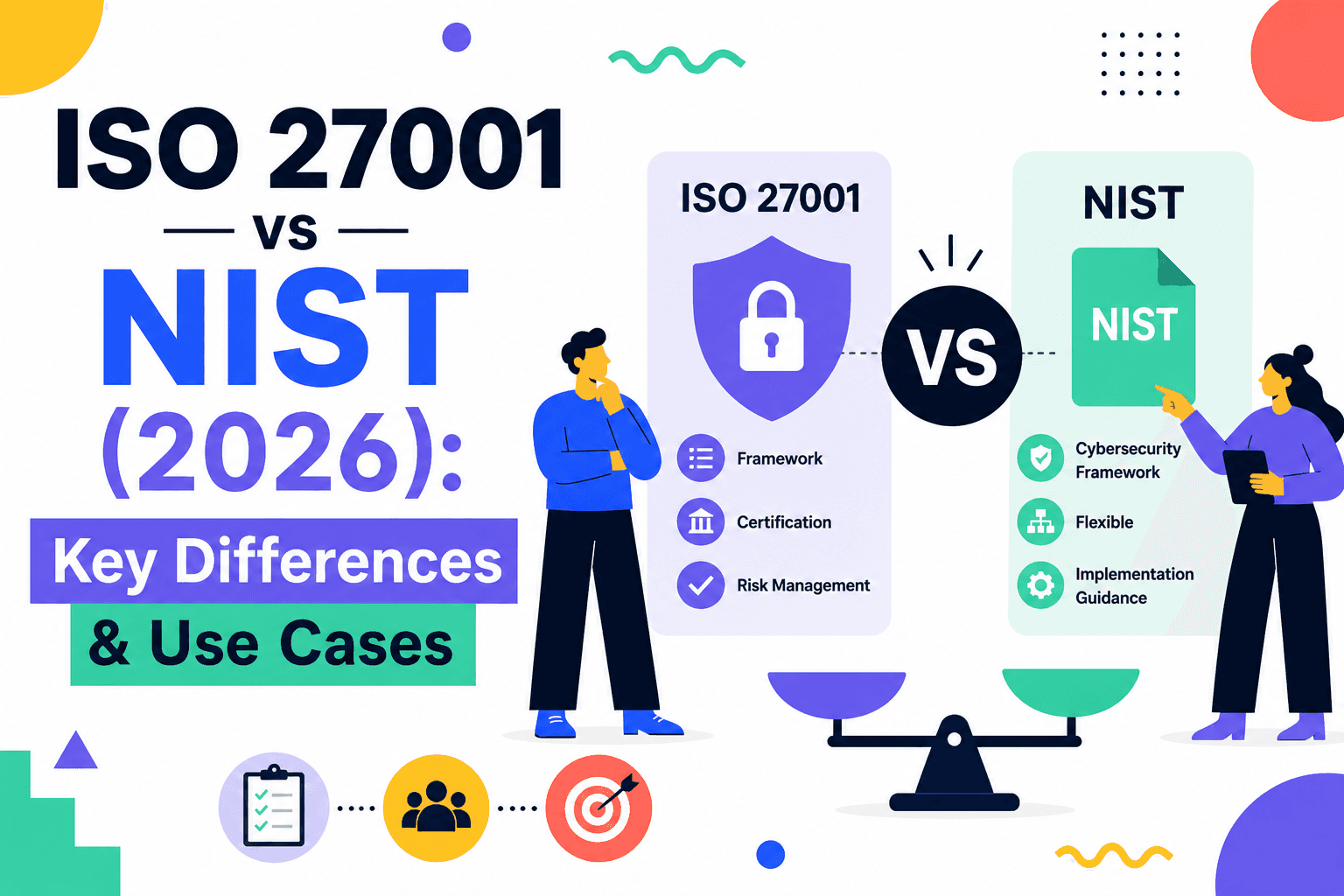
ISO 27001 (published by ISO)
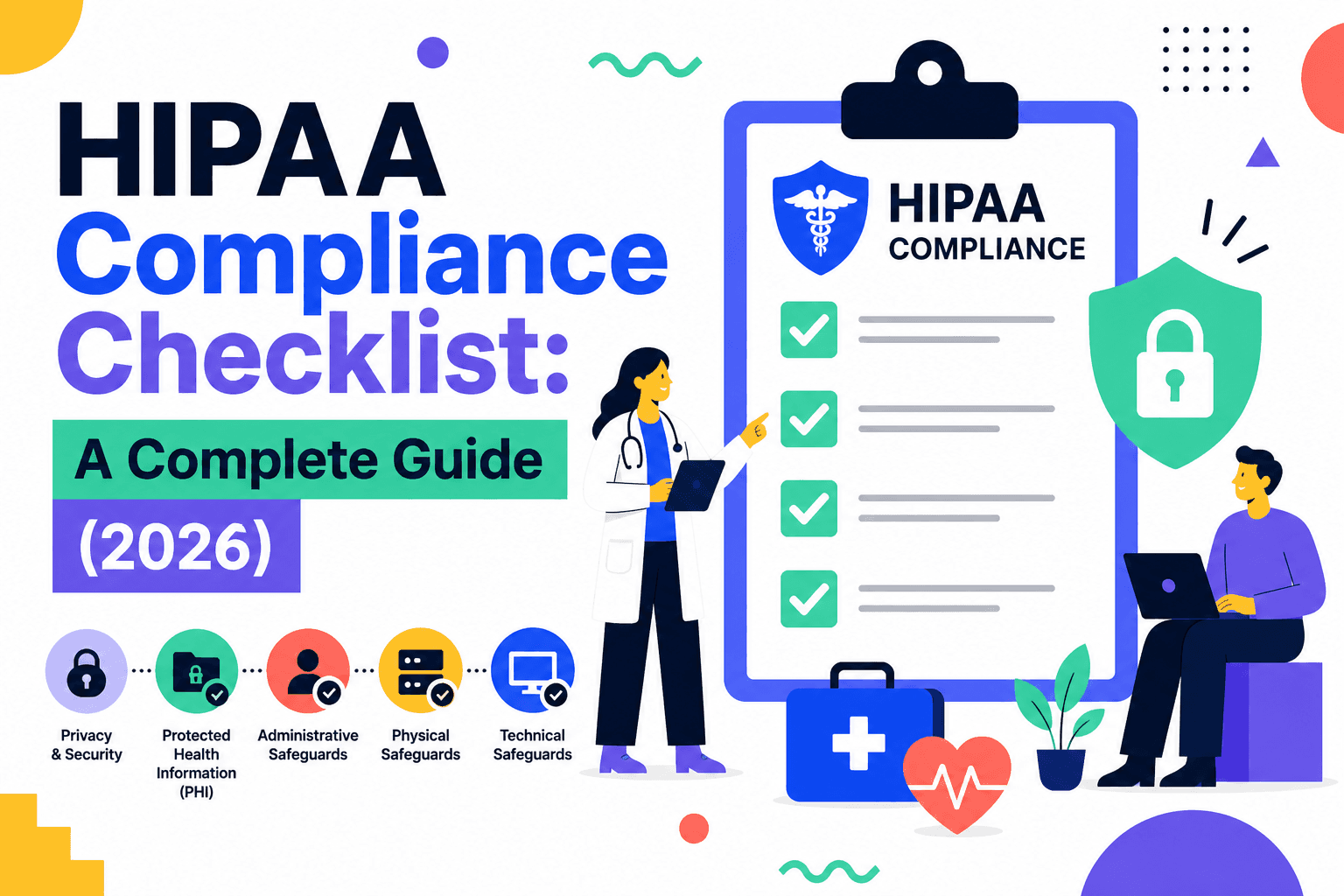
HIPAA
PCI DSS
NIST CSF
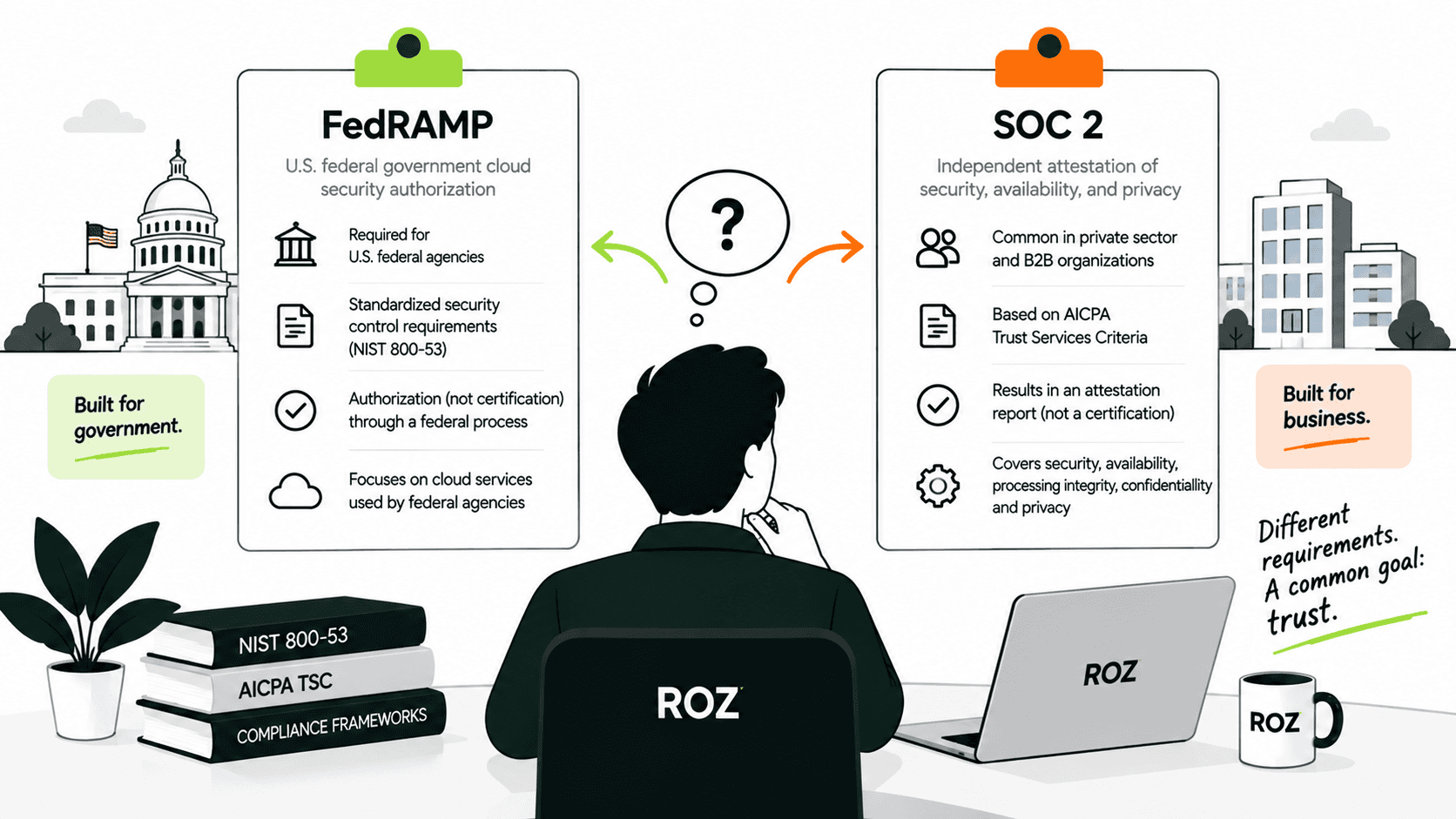
FedRAMP
SOX
Why does control mapping matter for audit firms?
Control mapping supports audit traceability, evidence reuse, and operational consistency across engagements. Proper framework mapping allows your team to achieve evidence reuse, reducing the need for duplicate testing across multiple frameworks.
When you map controls correctly, readiness assessments happen faster. Traceability improves, allowing reviewers to see exactly which evidence supports which requirement. If you skip structured mapping, firms may struggle to defend conclusions and may spend additional time re-testing systems.
Why do control mapping workflows become difficult as audit firms scale?
Control mapping can be simple with a small number of engagements. However, as auditing firms widen their client base and expand the coverage of their compliance frameworks, the operational complexity increases significantly and poses multiple operational and documentation issues.
1. Multi-Framework Engagement Complexity
Most modern audit clients do not operate under a single framework. Take the example of a B2B SaaS company. They may simultaneously be working with SOC 2 reporting for customer assurance, the ISO 27001 compliance initiatives for international contracts, and compliance with HIPAA for the handling of health-related data. While there is a lot of overlap between framework requirements, control testing and documentation may have different expectations. Audit teams are left to answer questions such as:
What controls are common?
What control testing or evidence can be used for other frameworks?
Which controls require additional testing for different frameworks?
Managing the complexity of multiple compliance frameworks becomes almost impossible as the number of engagements grows.
2. Spreadsheet-Based Workflows Create Operational Friction
Numerous firms rely on spreadsheets to manage control mapping. While this approach is feasible at the start, spreadsheets create the following challenges:
Version control issues
Inconsistent naming of controls
Lost relationships between controls and evidence
Difficulty maintaining consistent audit trails
Each of these challenges is compounded as control mapping is extended to multiple compliance frameworks and sources of evidence, a loss of clarity.
3. Evidence Collection Becomes Fragmented
Evidence is often scattered throughout multiple locations, including
Ticketing systems
Cloud storage providers
Shared drives
Internal policy repositories
In the absence of centralized frameworks, auditors waste time by sourcing, validating, and requesting evidence from multiple sources repeatedly. Evidence fragmentation results in reducing visibility and traceability between controls and supporting documentation.
4. Reviewer Bottlenecks Increase
The lack of properly defined control mapping results in more review inefficiencies. Reviewers can experience:
Ambiguous control descriptions
Missing evidence references
Duplicate controls
Inconsistent testing documentation
Such inefficiency extends the time taken to validate controls, inflates quality assurance efforts, and adds work in periods of high audit demand.
7 Ways Audit Firms Can Simplify Control Mapping Workflows
Audit firms can overcome these inefficiencies by implementing structured, technology-enabled processes. Here are seven ways to streamline your approach.
1. Control Language Standardization
Create a centralized control library and standardize your naming conventions for consistency. Control language standardization enables auditors to apply reusable control testing procedures across clients, thus standardizing testing procedures. Control language standardization helps auditors evaluate identity and access management controls more consistently across clients.
2. Build shared control frameworks
After a control is mapped, it can be used many times over. Common controls such as MFA, vulnerability management, and vendor risk management can often map across SOC 2, ISO 27001, and NIST frameworks simultaneously, reducing duplicate evidence requests.
3. Evidence collection standardization
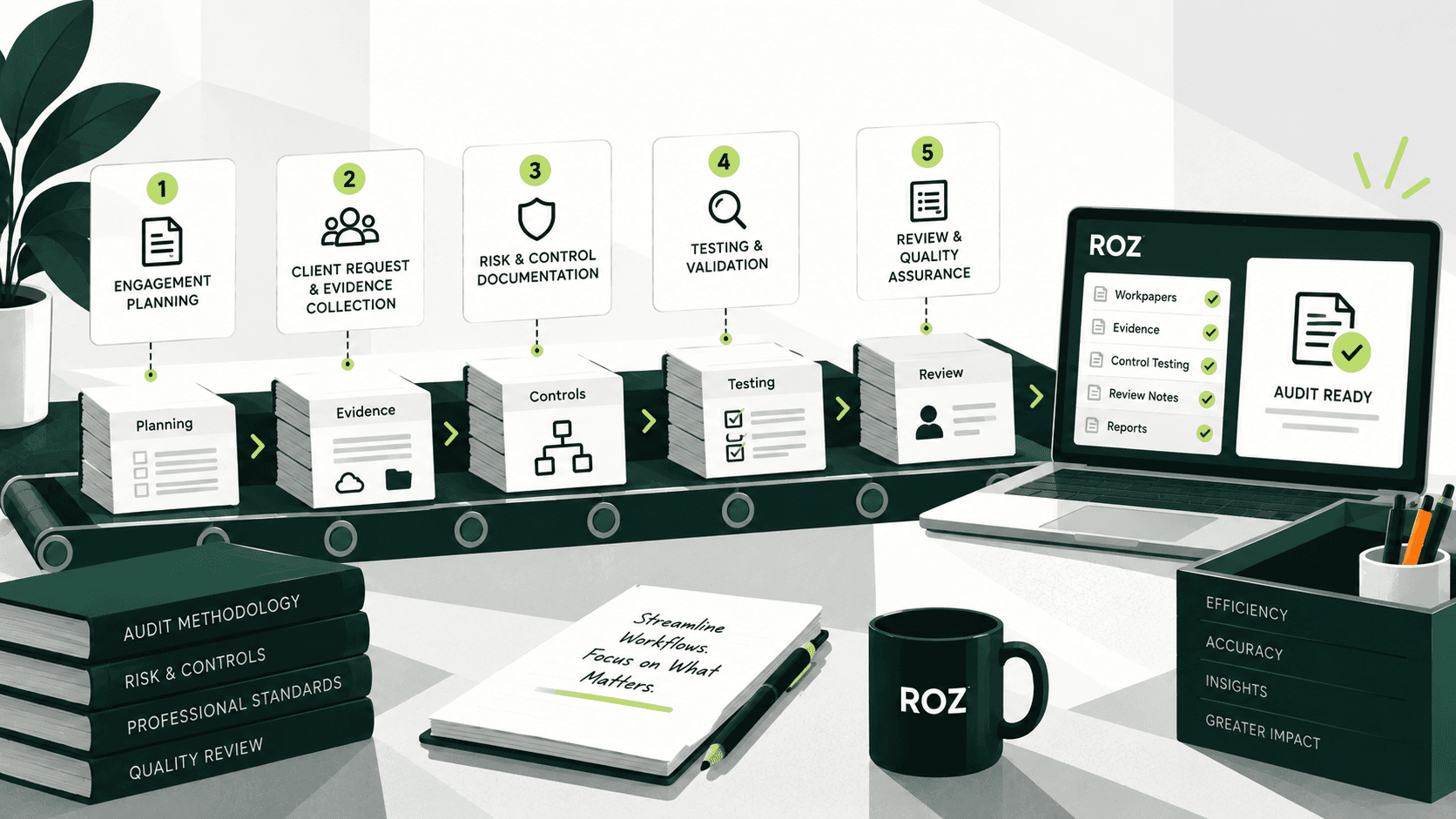
Centralized evidence repositories reduce reliance on fragmented email-based evidence collection workflows. This allows teams the capability of evidence tagging with the addition of version control and the preservation of audit trails.
4. Automate gap identification
The aid of technology gives firms the ability to easily identify gaps for control coverage and evidence. Automated gap analysis improves the readiness of the firm and enables the creation of a remediation pre-audit workflow and control gaps prior to testing.
5. Reduce manual framework mapping
Modern solutions use AI and technology to suggest and simplify the mapping of controls across different frameworks. Automated mapping tools can help identify alignment between controls across frameworks, such as mapping SOC 2 CC6.1 to related NIST control families. This reduces the amount of manual mapping required across frameworks.
6. Create traceable audit workflows
All workpapers should connect to source documents that provide supporting evidence. It is especially important for reviewer validation and the ability to defend against regulators to create requirement-to-control traceability and clear evidence lineage.
7. Use AI to scale audit operations carefully
AI-native audit platforms support audit workflows; they do not replace auditor judgment. AI should support professional judgment by handling data extraction and first-pass mapping. Human auditors retain responsibility for reviewing evidence and making final compliance conclusions.
How do AI-native platforms help audit firms scale?
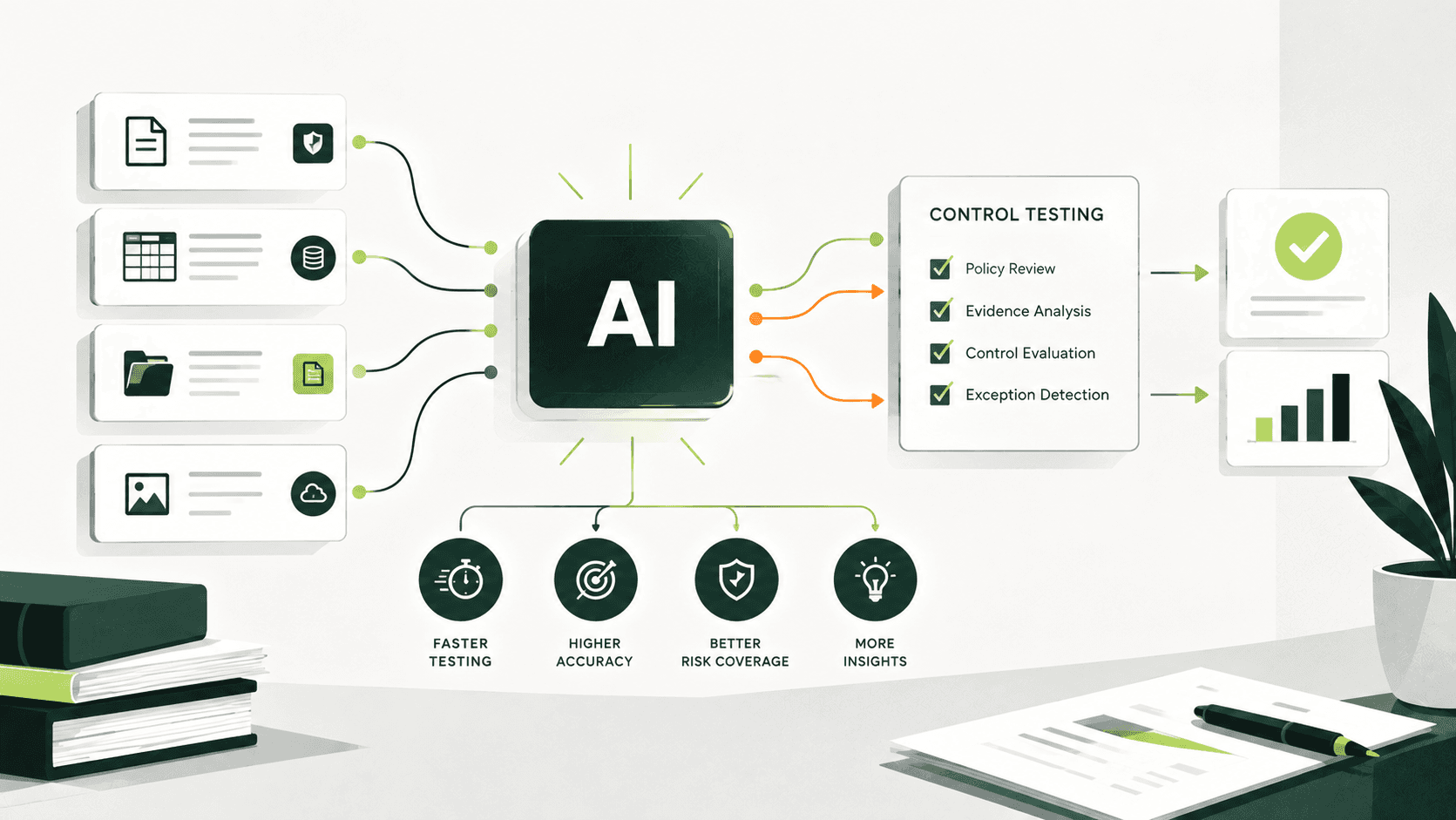
Implementing an AI-native audit platform transforms how firms handle documentation-heavy compliance engagements.
Automating Audit Preparation Tasks
Artificial intelligence can assist and automate several time-consuming processes, including control gap analysis, evidence categorization, and workpaper preparation and reporting. The emphasis shifts from evidence gathering to assessing and strategizing responses to relevant audit risks.
Improving audit consistency and traceability
Standardization of the audit process and centralization of audit documentation are other important features of the workflow systems. This leads to less variability between reviewers, meaning the conclusion derived by two different reviewers is likely to be the same.
Supporting multi-framework compliance programs
AI-powered platforms generate shared evidence models across multiple frameworks, allowing for more effective cross-framework management of unified control governance for various compliance frameworks.
Why does human oversight still matter?
AI processing of audit evidence can be rapid, but the risks of inaccurate AI-generated outputs are the reason why human oversight is critical. Stringent audit quality requirements demand user verification of evidence. While AI systems can help find likely control-related issues, testing audit conclusions and deciding how to report audit results remain the responsibility of audit practitioners.
How does Roz streamline control mapping workflows?
Roz is an AI-native audit platform designed for CPA firms and advisory teams managing documentation-heavy compliance engagements.
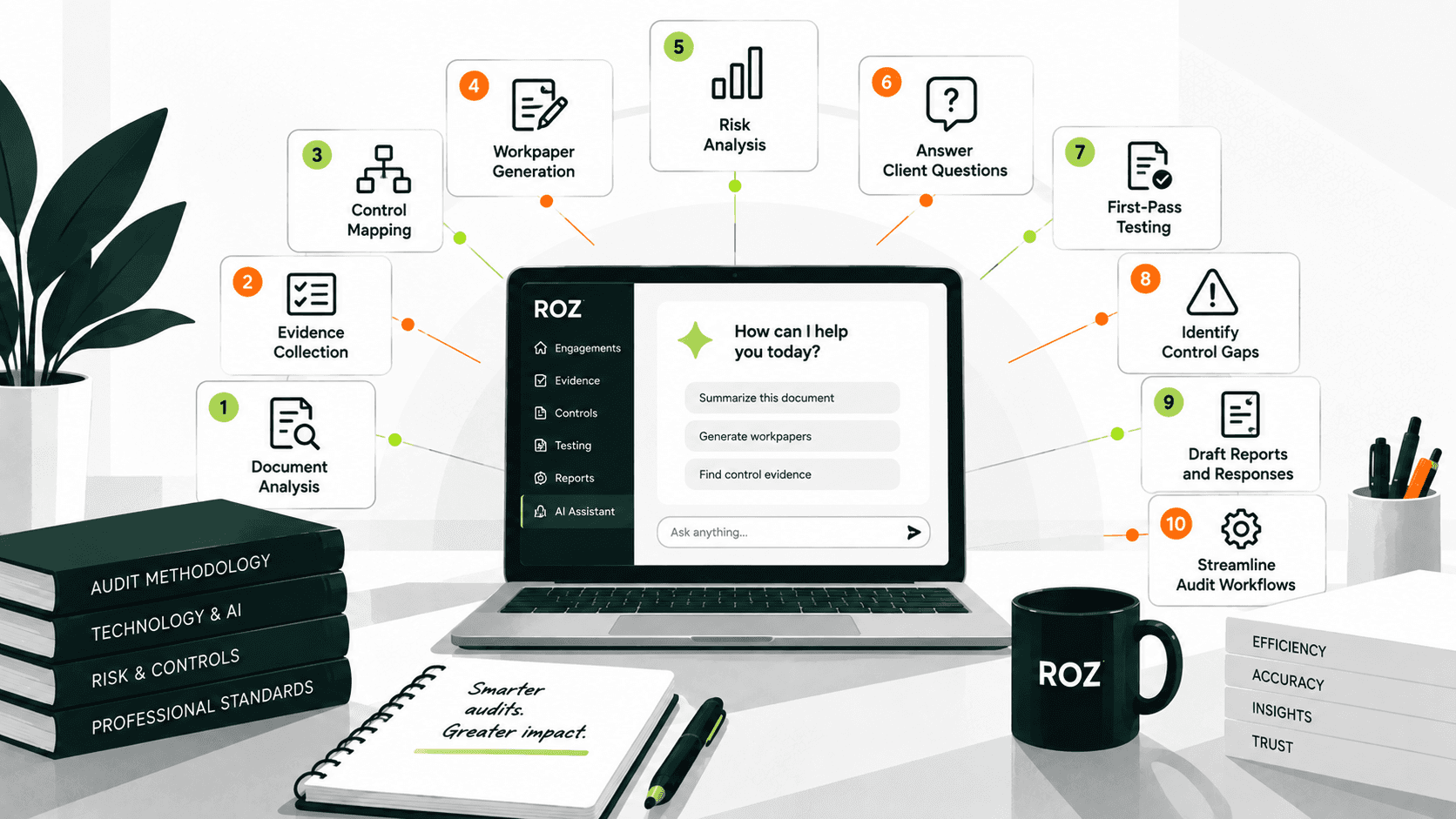
AI-Native Control Extraction: Roz makes it easier to review control documentation by providing an intelligent data room that organizes control documentation and supports control mapping across multiple frameworks
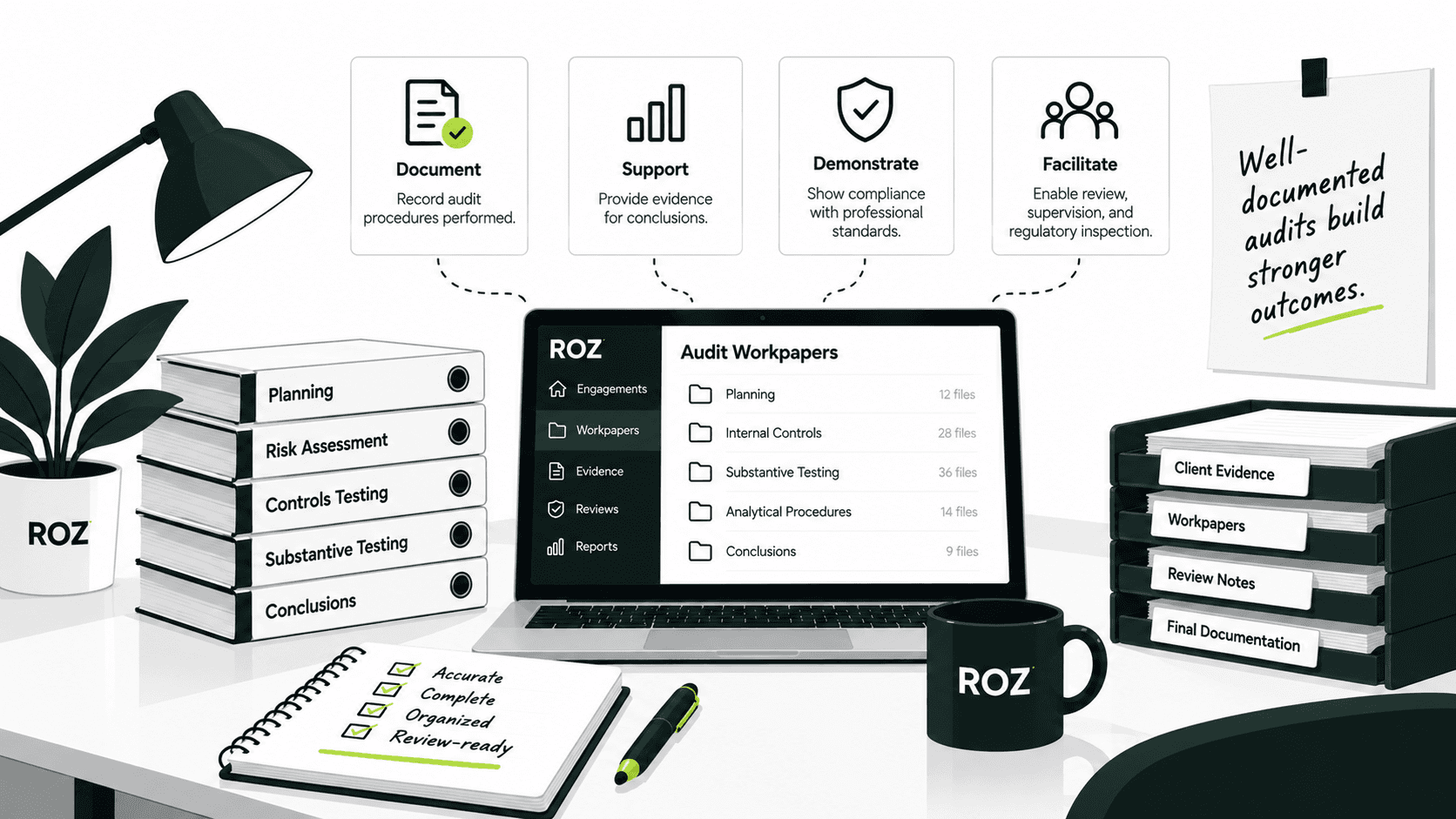
Centralized Documentation: The platform creates bespoke workspaces for each client to store all related policies, evidence, and engagement documents. This centralization enables clear traceability to the source and keeps a complete audit trail.
AI-Assisted Analysis and Workpapers: Roz creates draft workpapers, reviews documents, and performs first-pass gap analyses against the requirements of the framework. With this support, your team is able to design readiness engagements that are more efficient and consistent and that allow a greater volume of work to be managed while maintaining auditor review and approval responsibilities and without formal sign-off.
Conclusion
Control mapping complexity increases alongside a firm's growth. Manual workflows and spreadsheets create inefficiencies that reduce operational efficiency. By building shared controls, reusing evidence, and deploying an AI-native audit platform, firms can streamline repetitive audit work while human oversight ensures rigorous audit quality.
Evaluate your current workflows today. Standardize your control libraries, and explore centralized audit automation approaches like Roz to scale your firm's compliance operations effectively.
Frequently Asked Questions (FAQ)
What is control mapping in auditing?
Control mapping in auditing entails the activity of connecting an organization’s internal policies, procedures, and technical configurations to specific clauses of a compliance framework (such as SOC 2 and ISO 27001, among others) and demonstrating how controls support compliance requirements.
Why is control mapping important for SOC 2 and ISO 27001?
Control mapping is relevant as it establishes the interconnections between SOC 2 and ISO 27001. Audit firms, with adequate control mapping, would assess a single control and utilize the same evidence for the two sets of standards, thus eliminating unnecessary efforts and reducing audit fatigue.
How can AI automate control mapping?
Through the application of AI, control mapping can be performed by determining a company’s internal policies and correlating controls with distinct clauses of a compliance framework based on the principles of semantic similarity. Following such an exercise, auditors would be responsible for reviewing the AI-generated control mappings.