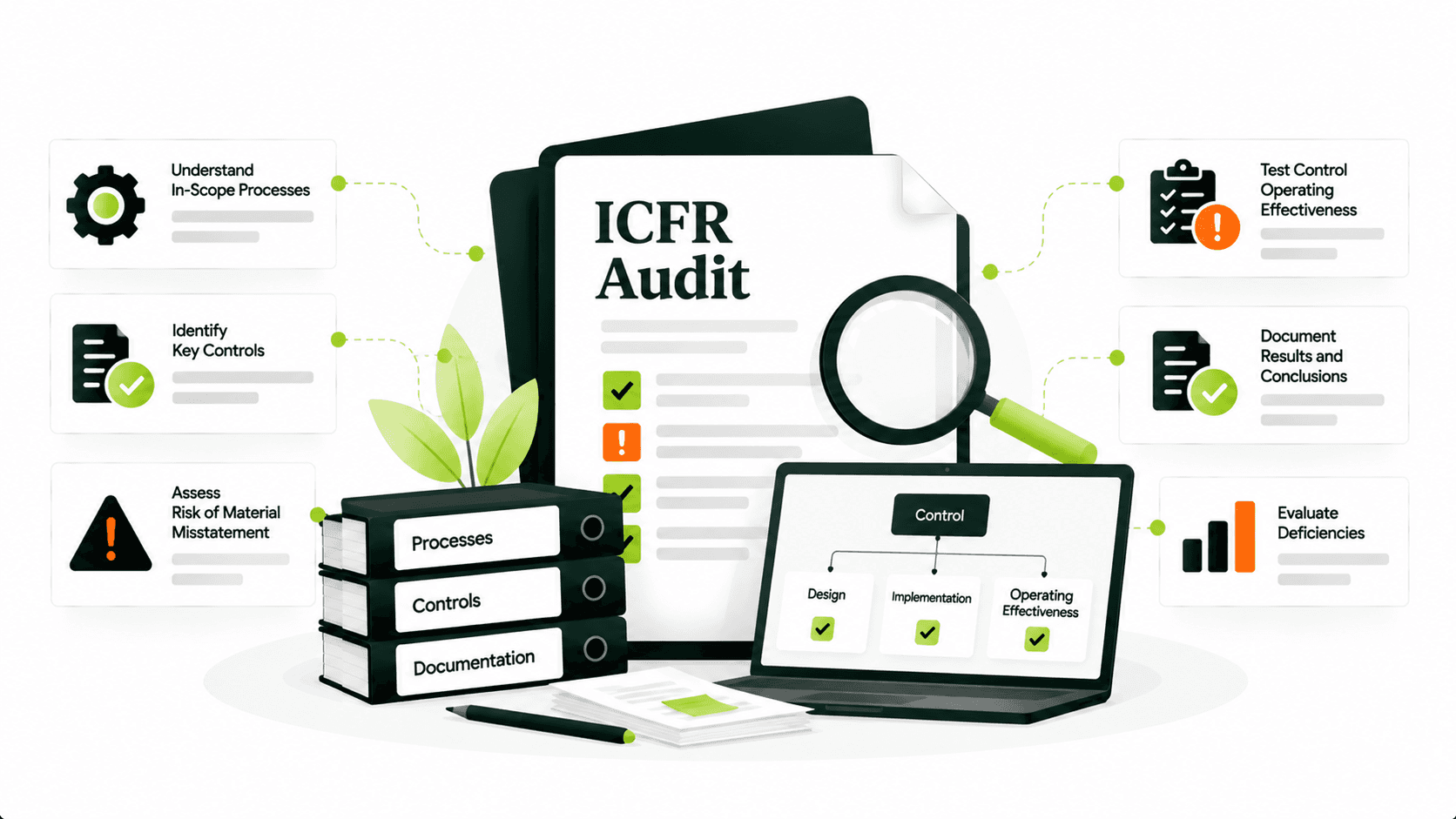
Audit fieldwork is the phase where auditors gather evidence, test controls, and evaluate whether controls operate as intended. It sits between planning and reporting and is often where delays become visible.
Here's the pattern worth understanding: fieldwork rarely stalls because the audit team is idle. It stalls because work is blocked. A request goes unanswered. Evidence arrives but can't be used. A question remains unresolved for several days. Each delay may seem small on its own, but they can compound across multiple controls and team members.
In this article, I will break down seven common bottlenecks that can extend audit fieldwork timelines, along with practical steps auditors can take to reduce delays without compromising audit quality.
What Actually Causes Audit Fieldwork Delays?
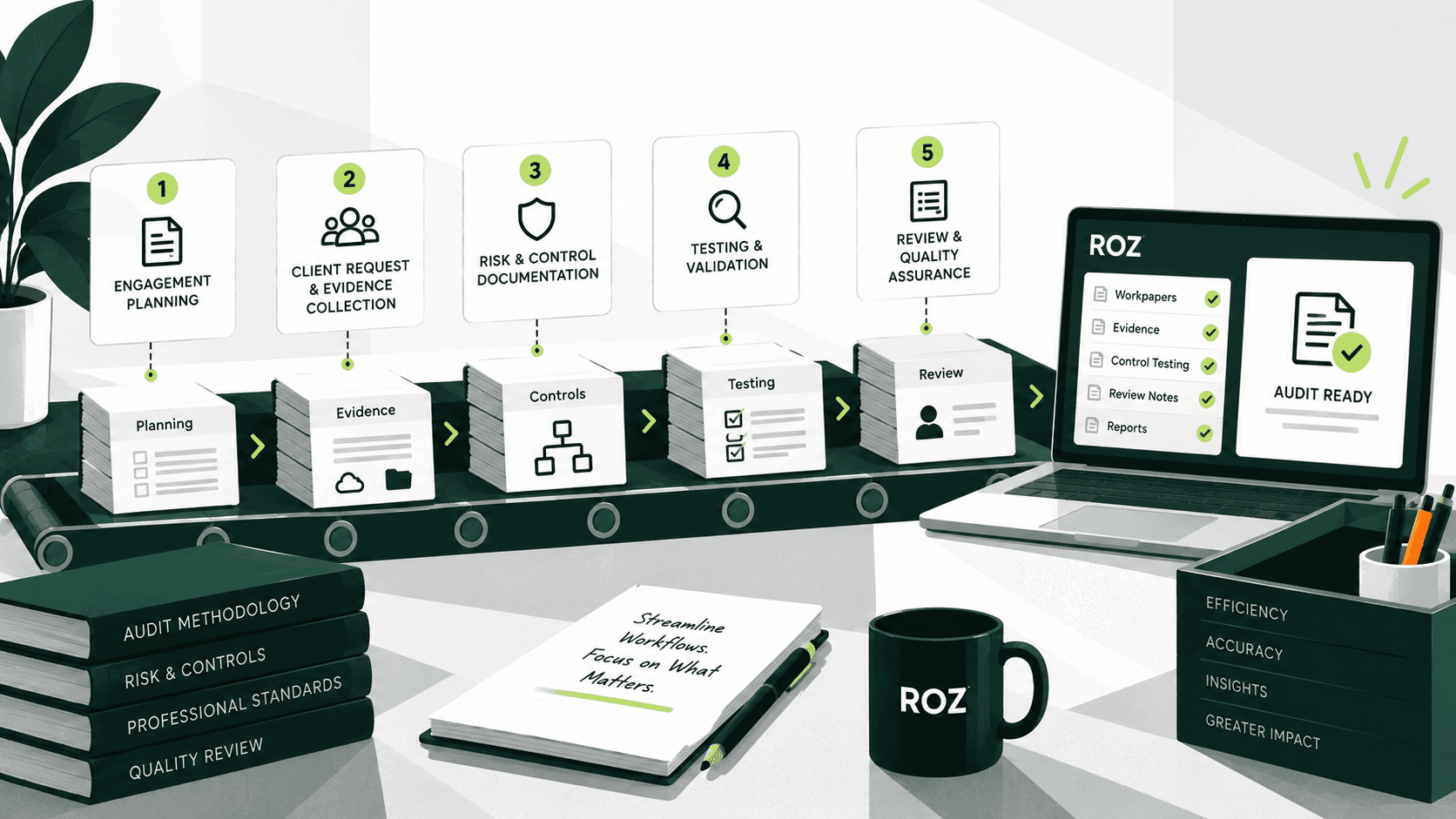
Audit engagements typically move through a predictable flow:
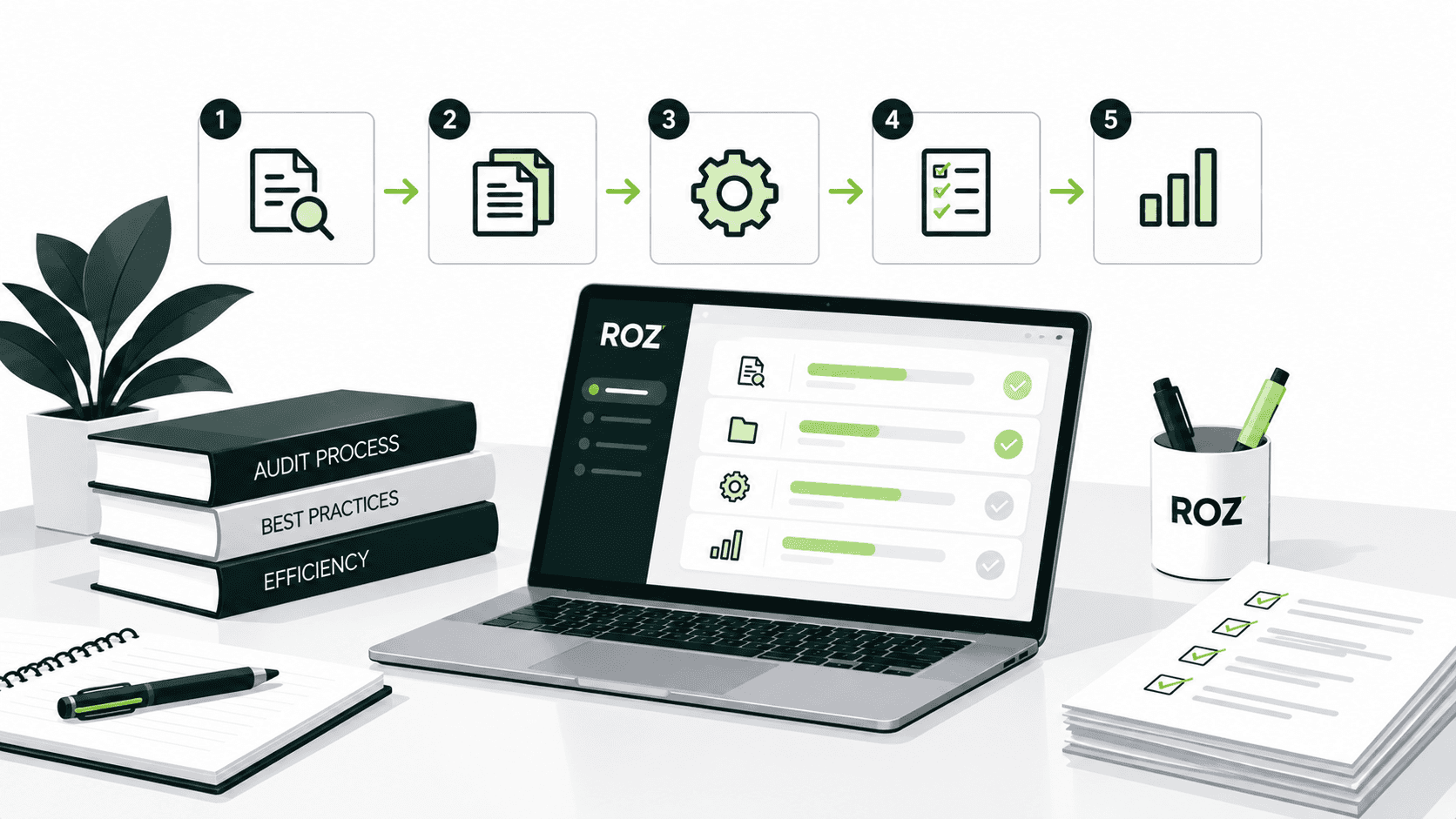
Scope → Evidence Request → Evidence Review → Testing → Workpapers → Review → Resolution

At any point, work can fall into one of four states:
In progress: Auditor is actively working on the task.
Waiting: The auditor cannot proceed because the task depends on another person, system, or deliverable.
Blocked: A task cannot proceed because a required dependency, input, access, or decision is unavailable.
Rework: Previously completed work is no longer acceptable and has to be changed.
Generally, the work experiences a delay when it is waiting, blocked or sent back for rework. Each of the above steps in an engagement is closely linked to the other. Thus, a delay in any of the steps can potentially impact the overall engagement schedule. For example, a late response to a PBC query can impact the engagement team’s ability to review the supporting evidence, which, in turn, can impact the team’s ability to test and complete the workpapers. Thus, by the end of the engagement, a small restriction in the beginning of the engagement can significantly impact the team’s schedule.
1. Unclear Scope and Testing Criteria
If the scope and control testing procedures aren’t clearly defined, fieldwork can begin before the team knows exactly what it will be testing. This can lead to revised evidence requests, changes to testing procedures, and additional review work to identify inconsistencies. When inconsistencies are identified, previously completed work may need to be repeated.
How to avoid it: Define the elements of a testing procedure for each control to be tested. These elements are the risk being mitigated, the control, the procedure to be performed to test the control, the evidence to be examined, and the expected outcome or exception to the rule.
Practical trick: Use a “Ready to Test” gate. A control should not be tested until all five elements are defined. If any element is missing, the control is not ready to be tested.
2. PBC Requests Create Back-and-Forth
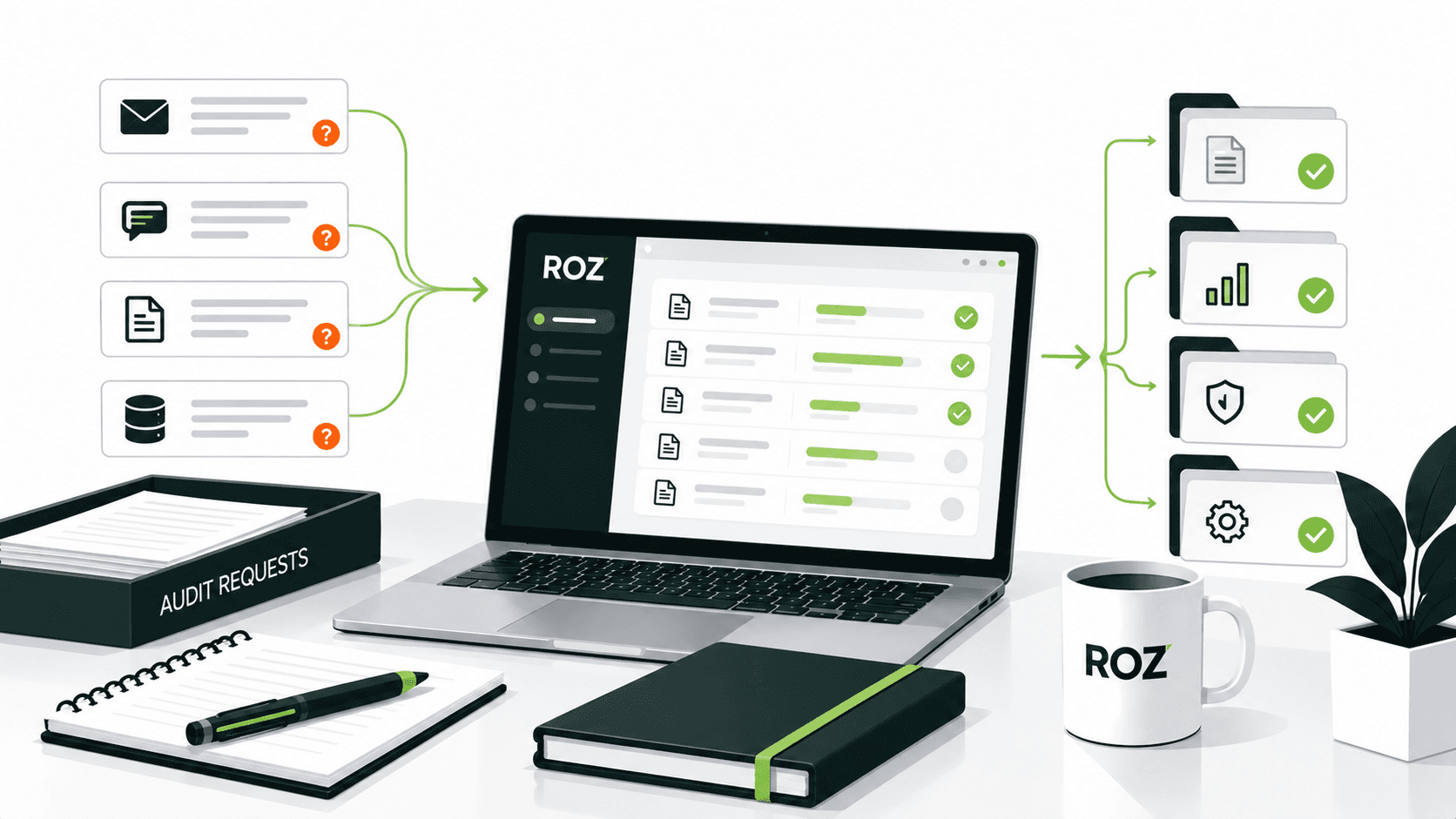
Fieldwork is regularly delayed due to the prepared-by-client (PBC) requests. There are many reasons for this. Often it is because the request is overly broad and doesn’t identify the required time period or the format in which the request should be provided.
Consider the request “access review documentation” vs the request “Q2 User Access Review, production system, reviewer name, review date, name of user reviewed, exception identified (if any) and reviewer action (if any)”. The second example provides the client a frame of reference as to the specific information the requesting party is seeking.
How to avoid it: Every PBC request should be as specific as possible and communicate the rationale, time frame, responsible individual, required format, and due date.
Practical trick: Apply the “One Request, One Proof, Objective” rule. Prior to making a request, know the objective of the request and what you intend to prove.
3. Evidence Arrives, but Isn't Test-Ready

Being able to use evidence and having evidence are completely different things. Just because evidence is in the audit folder does not mean that testing will move forward. Evidence may not advance testing if it covers the wrong period or population or is missing attributes required by the testing procedure.
How to avoid it: Evidence should be checked for readiness before testing begins. Evidence should have an obvious source, be relevant to a control, be complete, and have the ability to be traced to the process being performed.
Practical trick: Adopt the “Test Ready, not Merely Received” mentality. Evidence is tracked throughout its life cycle rather than merely at receipt. Most teams track evidence upon receipt, and this is the primary reason an evidence gap occurs during testing.
4. Walkthroughs and Clarification Questions Become Bottlenecks
Fieldwork is constrained by the availability of control owners and process experts. If that information is captured verbally and not recorded, each follow-up question arising from a walkthrough takes time and, in combination with all the other delays, starts to slow the process significantly.
How to avoid it: Develop control-specific queries in preparation for walkthroughs. These queries should cover control input, owner, action, review, evidence, and exception treatment.
Practical trick: Group your questions for each control and avoid sending them individually. It's preferable that the control owner respond to all questions in a single email rather than respond to multiple emails throughout the week.
5. Inconsistent Workpapers Create Rework
When different auditors document their work in different ways, the reviewers are forced to use their time to analyze the work to decipher the method rather than considering the conclusion. This additional effort is inefficient and may not become apparent until the workpaper reaches review.
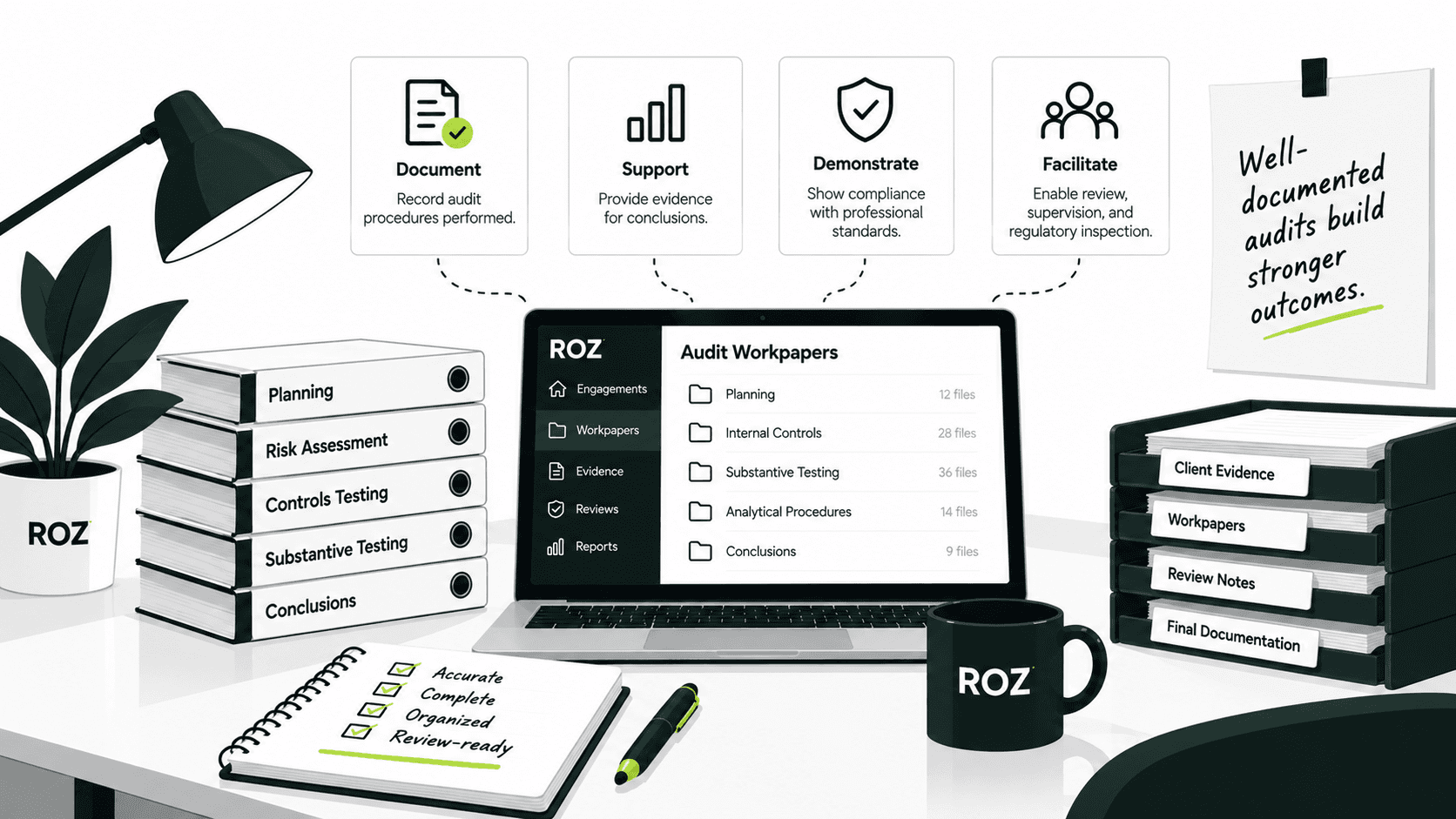
How to avoid it: Use a consistent workpaper structure: control, procedure, population or sample, evidence, results, exceptions, and conclusion.
Practical trick: The term “review-ready” can be established at the beginning of the engagement to ensure workpapers contain sufficient information and documentation to support the conclusion.
6. Late Review Creates a Review-Note Avalanche
When review is performed at the end of the engagement, errors and inconsistencies are typically identified at the same time and in the same workpapers. This can lead to a large volume of review notes toward the end of the engagement. Additionally, this leads to inefficiencies when evidence is requested to be collected and analyzed to support previously drawn conclusions.
How to avoid it: Move review closer to the point of production. Instead of testing everything and then reviewing everything, alternate between testing and review in smaller batches.
Practical trick: The First-10 Rule states a reviewer should evaluate the first ten workpapers to set the standard for the remaining work to be completed. Reviewing workpapers early in the engagement sets the standard for test documentation.
7. Dependencies Force Control Testing to Happen Sequentially

Controls in audits are related to one another. Missing just one control can prevent the testing of several controls. Consequently, what starts out as just one control not being tested will ultimately result in a number of controls not being tested.
How to avoid it: Prior to performing fieldwork, audit teams should create a dependency map to show all the people, data, systems and other types of evidence that a control is dependent on and prioritize which of those blockers impact the most controls.
Practical trick: Use dependency-first scheduling. Rather than asking "which control should we test next," ask "which unresolved dependency, once removed, unlocks the most work."
How to Reduce Audit Fieldwork Delays
The IIA Global Internal Audit Standards set expectations for engagement planning, fieldwork execution, and communication. There are several reasons that cause delays to fieldwork. The following list describes those reasons and provides suggestions to overcome the delays.
Before fieldwork: Audit teams should agree on the testing scope and evidence requirements, identify control owners, write clear requests for specific actions, create dependency maps, set expectations for workpaper review, and develop an overall plan to coordinate their activities.
During fieldwork: When control testing is put on hold, document and track those controls and focus on what blocks the most control testing. To the extent practicable, control testing should be performed, and samples of work in process should be reviewed.
Before completion: All controls testing should be completed, outstanding questions should be resolved and evidence should be reviewed to confirm that workpapers are ready for distribution.
How AI Can Help Reduce These Bottlenecks
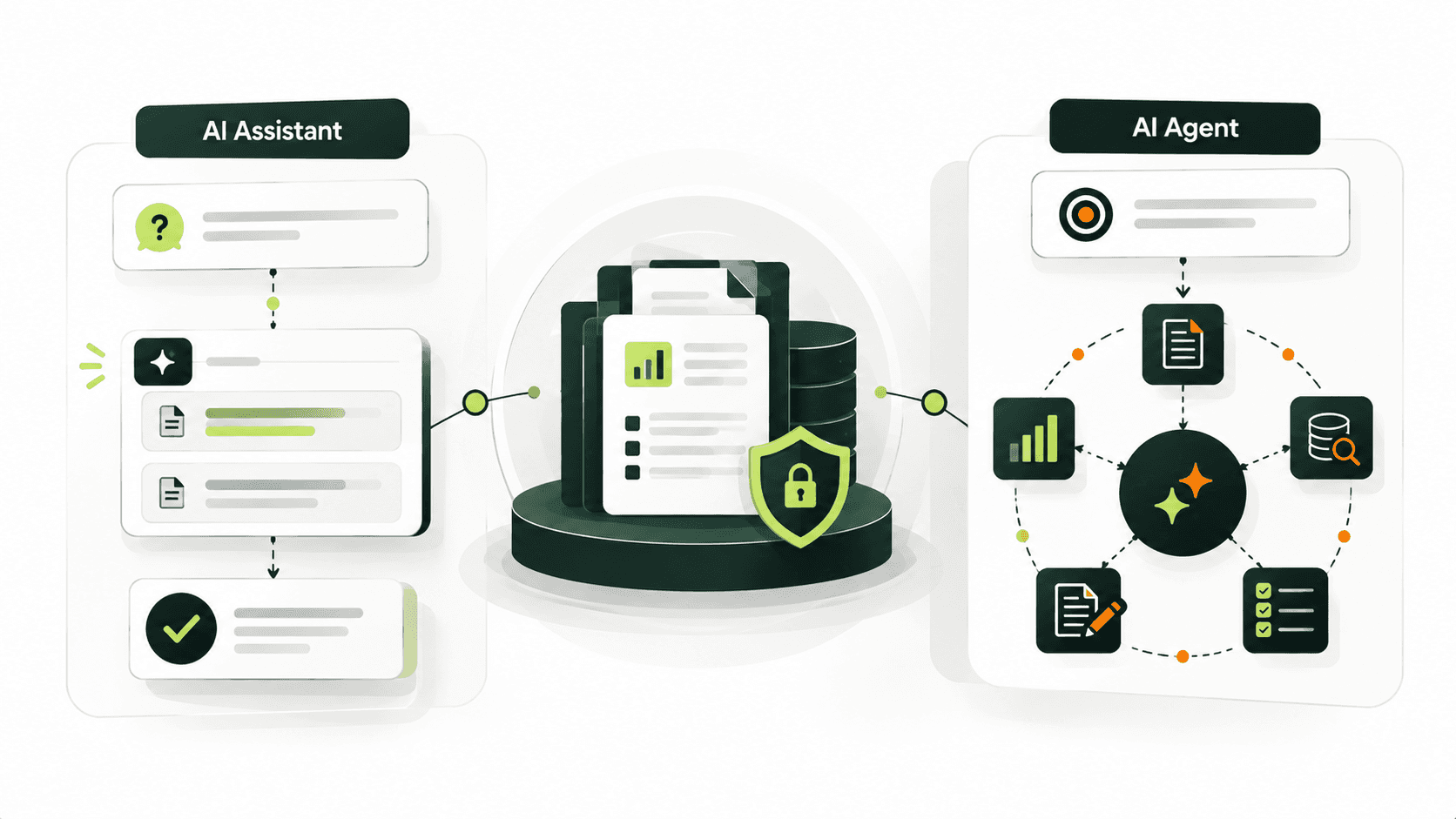
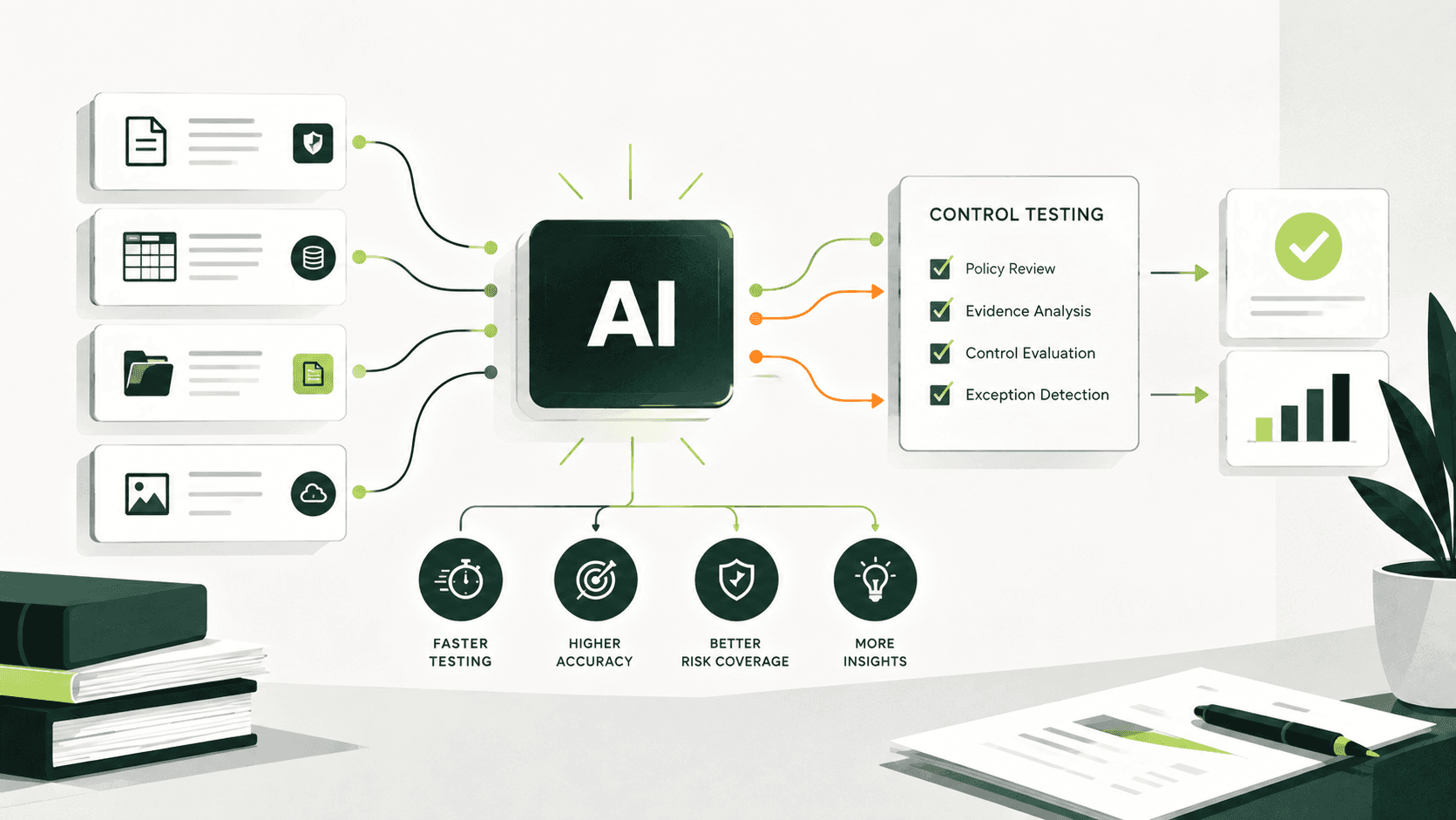
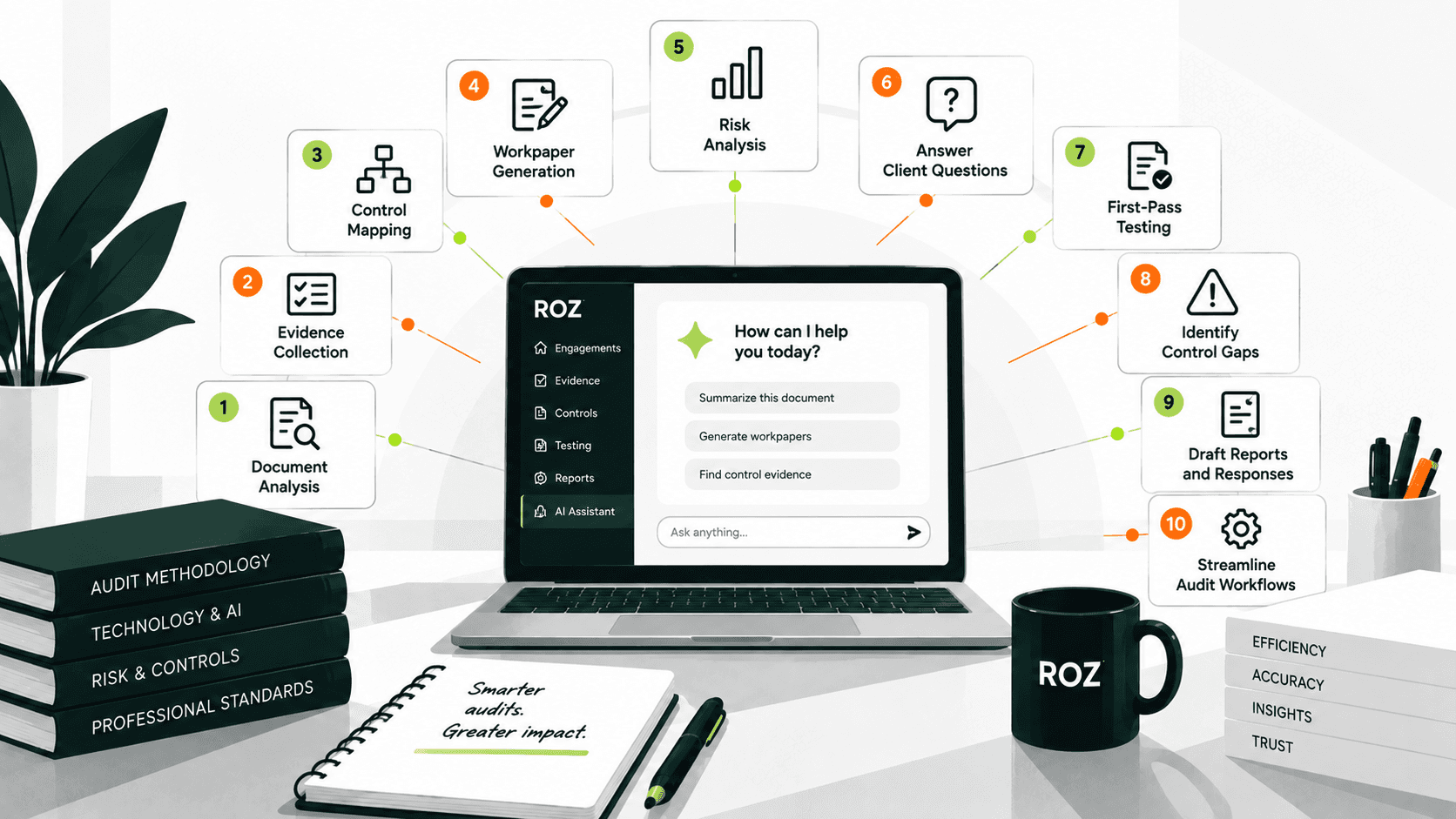
AI does not replace auditor judgment. It can reduce repetitive work across several fieldwork bottlenecks and support auditors during control testing.
Key areas where AI can support audit fieldwork include:
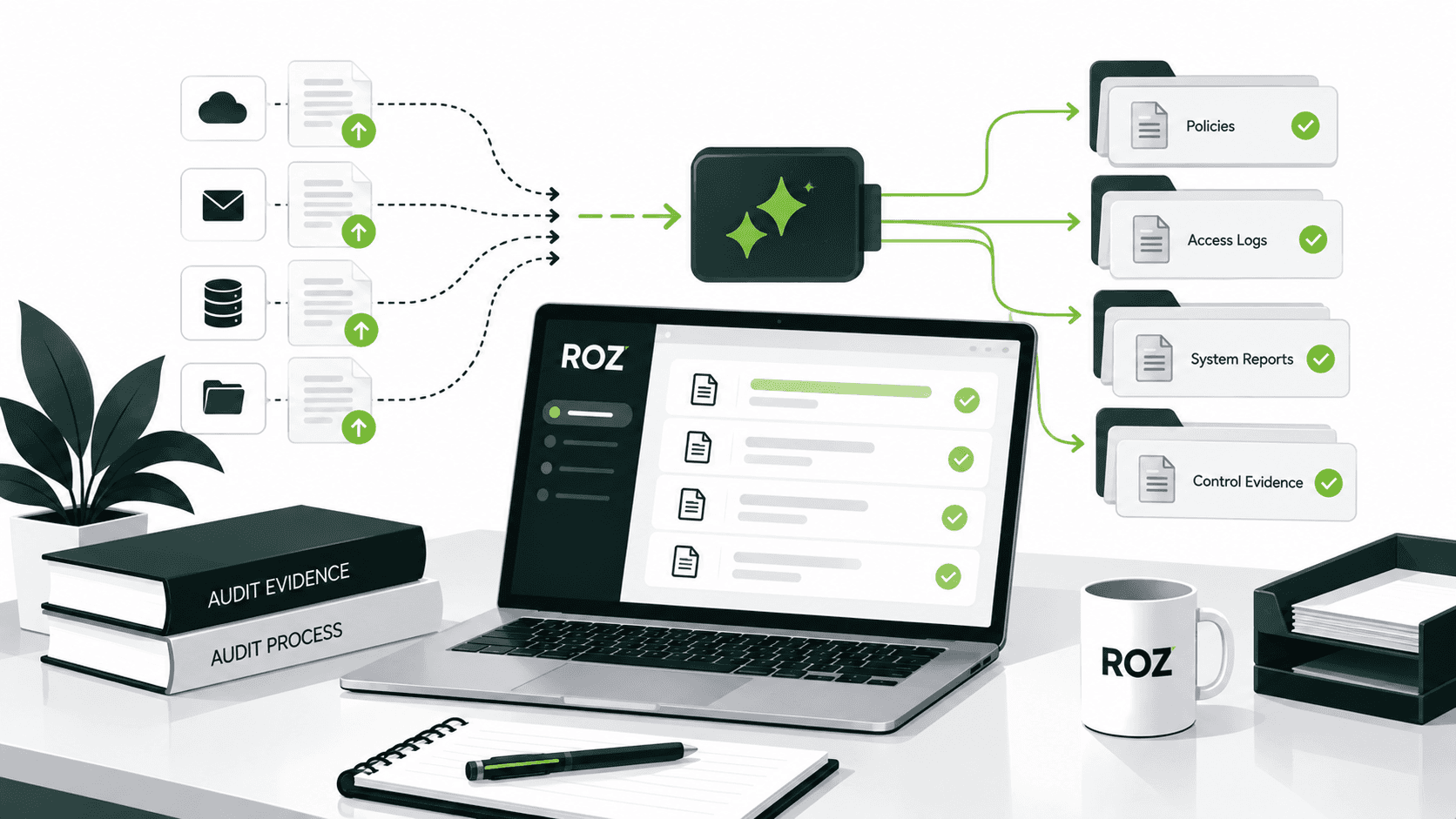
Evidence review: AI-assisted tools can identify relevant evidence and surface potential gaps before testing begins.
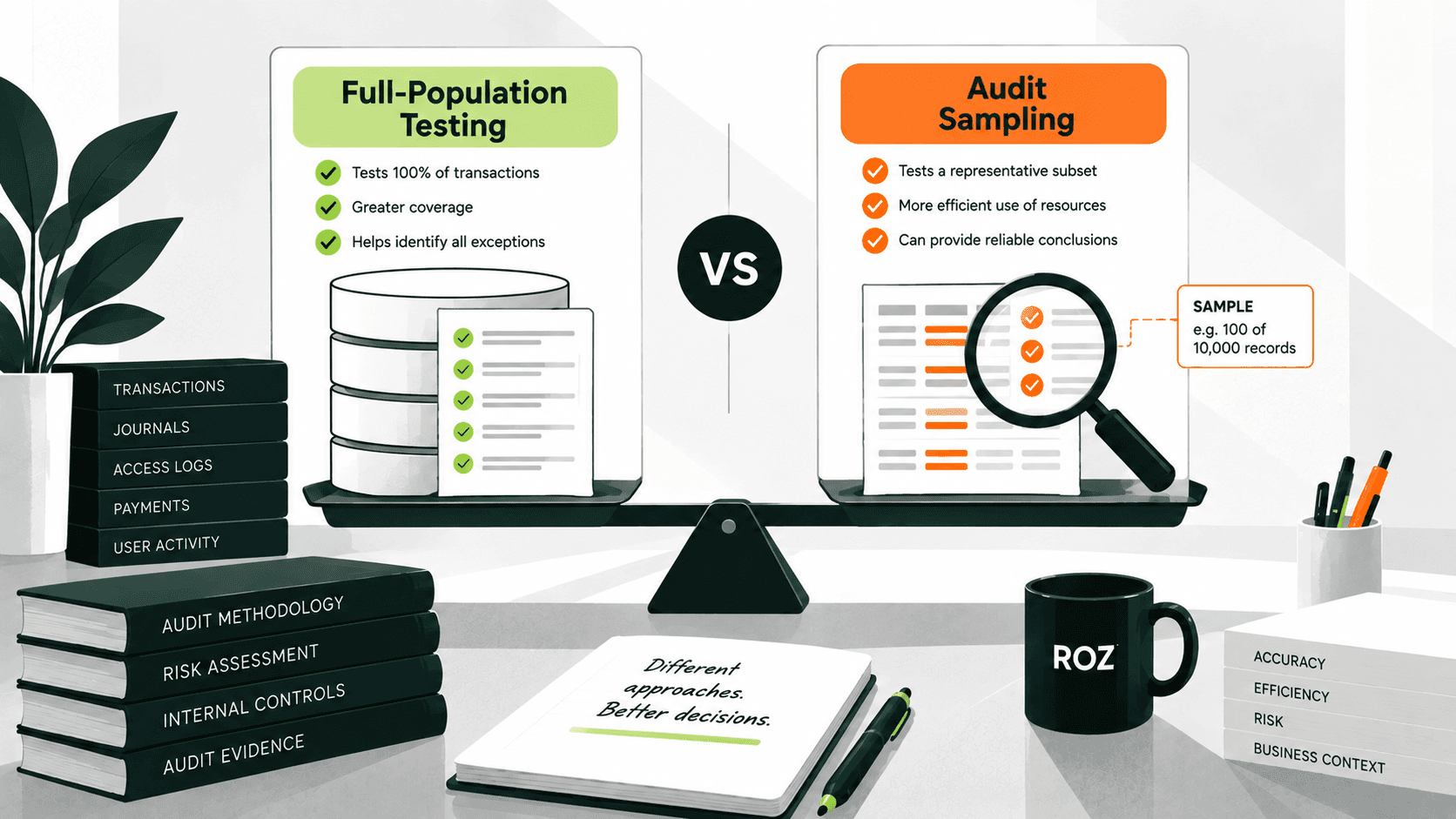
Control testing: AI can apply defined testing criteria to evidence and sample sets, returning results and surfacing potential exceptions for auditor review.
Workpaper preparation: AI can generate first-draft workpapers that connect evidence, procedures, and results in a consistent structure.
Workflow visibility: AI-assisted tools can surface outstanding dependencies and help teams identify which blockers need attention first.
How Roz Applies This in Practice
Roz is an AI-native audit fieldwork and control-testing platform designed around this workflow. Controls can move through evidence collection, AI-assisted testing, review, annotations, and workpaper preparation in a structured environment.
Roz performs a first pass of control testing against relevant evidence and sample sets, providing results with reasoning and traceability to supporting sources. Auditors then verify the findings, evaluate potential exceptions, and reach the final conclusion.
The division of work is straightforward: AI assists with repetitive first-pass tasks, while auditors retain responsibility for professional judgment and conclusions.
Conclusion
Audit fieldwork delays rarely come from one major problem. More often, unclear scope, incomplete evidence, blocked requests, delayed reviews, and rework accumulate across the engagement.
AI can help reduce repetitive work in evidence review, control testing, and workpaper preparation. When used appropriately, it gives auditors more time to investigate exceptions, review evidence, and apply professional judgment. The goal is not to remove auditors from the workflow. It is to make fieldwork more connected and give auditors more time for the work that requires their judgment.
Frequently Asked Questions
Why does audit fieldwork take so long?
Many delays during an audit are caused by unclear expectations and, consequently, incomplete evidence. There can also be delays from the inability to answer auditors' questions and from reviewing work and notes by others.
What are the most common audit fieldwork bottlenecks?
Some main fieldwork constraints are: unclear expectations, PBC delays, evidence that is not ready for testing, delays during walkthroughs, work that is not logged in an orderly and clear manner, reviewing work that is out of sync, and delays caused by dependencies between controls, people, systems, or evidence.
How do PBC requests delay audit fieldwork?
PBC delays can be problematic because the requests can be unclear. A specific request should be clear about the evidence needed, the reason, the relevant date, the format, and the due date.
How can auditors speed up control testing?
Auditors can define test criteria early, validate evidence before testing, review work in smaller batches, and use AI-assisted tools for repetitive evidence analysis and first-pass testing.