Audit documentation is one of the most time-consuming parts of any engagement. Writing testing narratives, formatting evidence summaries, and organizing workpapers for review can consume hours that could be better spent on risk evaluation and client advisory work. Generative AI is changing that equation.
CPA firms and advisory teams are increasingly using AI to produce first-pass workpapers from client evidence, firm templates, and defined audit procedures. The efficiency gains are real. But so are the risks; hallucinated content, unsupported conclusions, and overreliance on automated outputs can all undermine documentation quality if firms do not implement the right processes around AI use.
In this article, I will explain what AI-generated audit workpapers are, how generative AI supports the documentation process, and what best practices firms should follow to get the most out of AI without compromising audit quality or professional standards.
What Are AI-Generated Audit Workpapers?
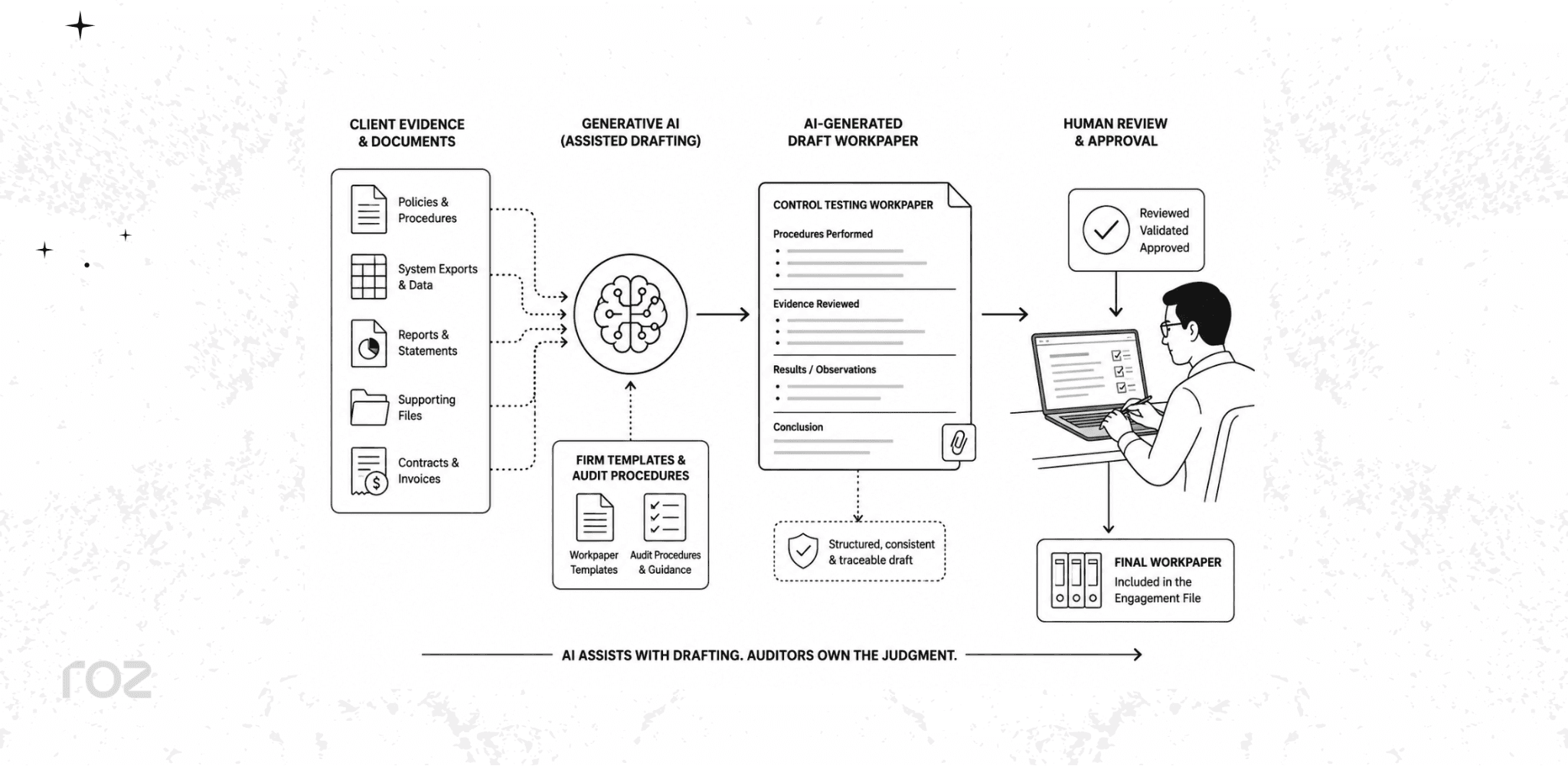
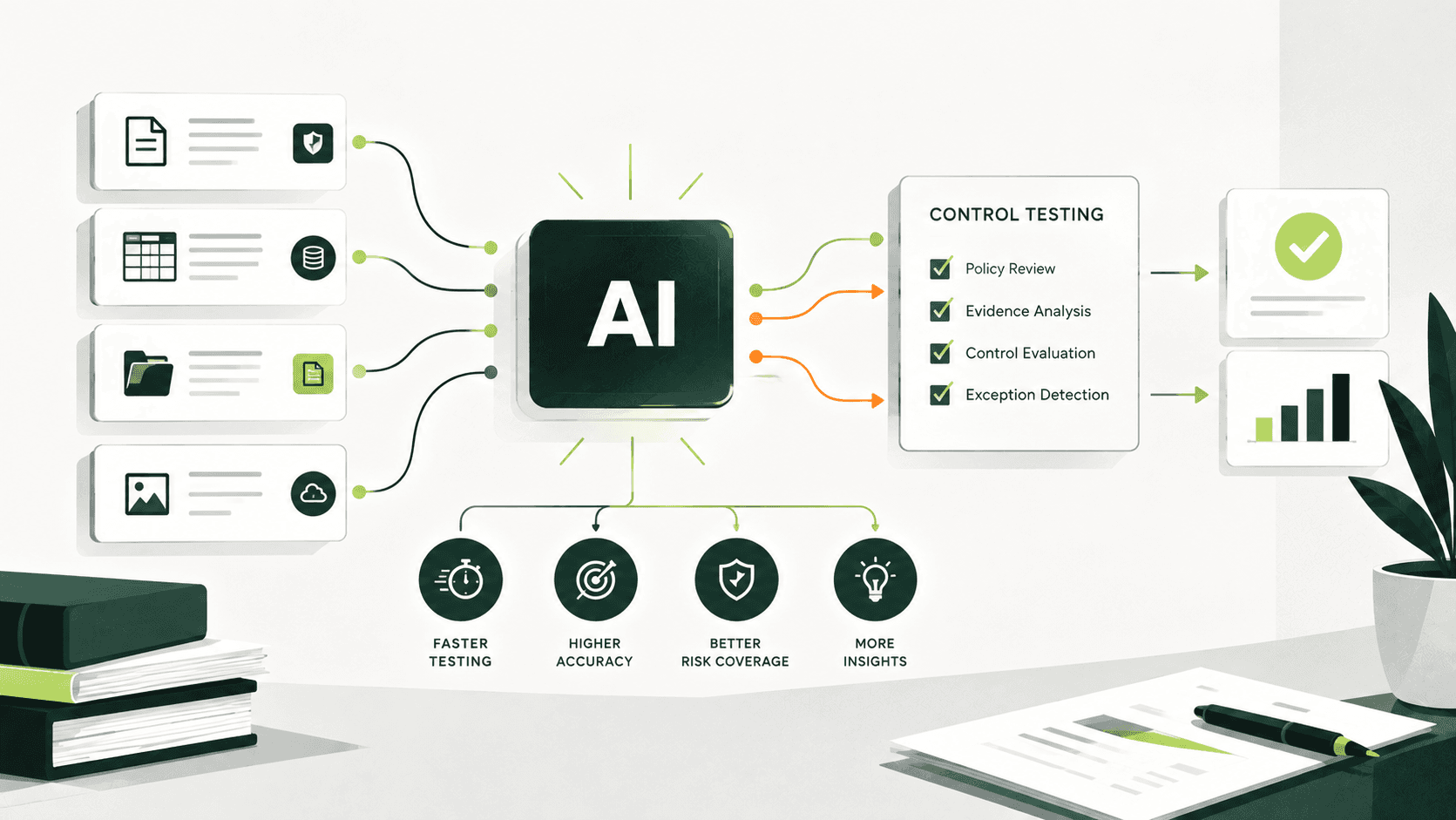
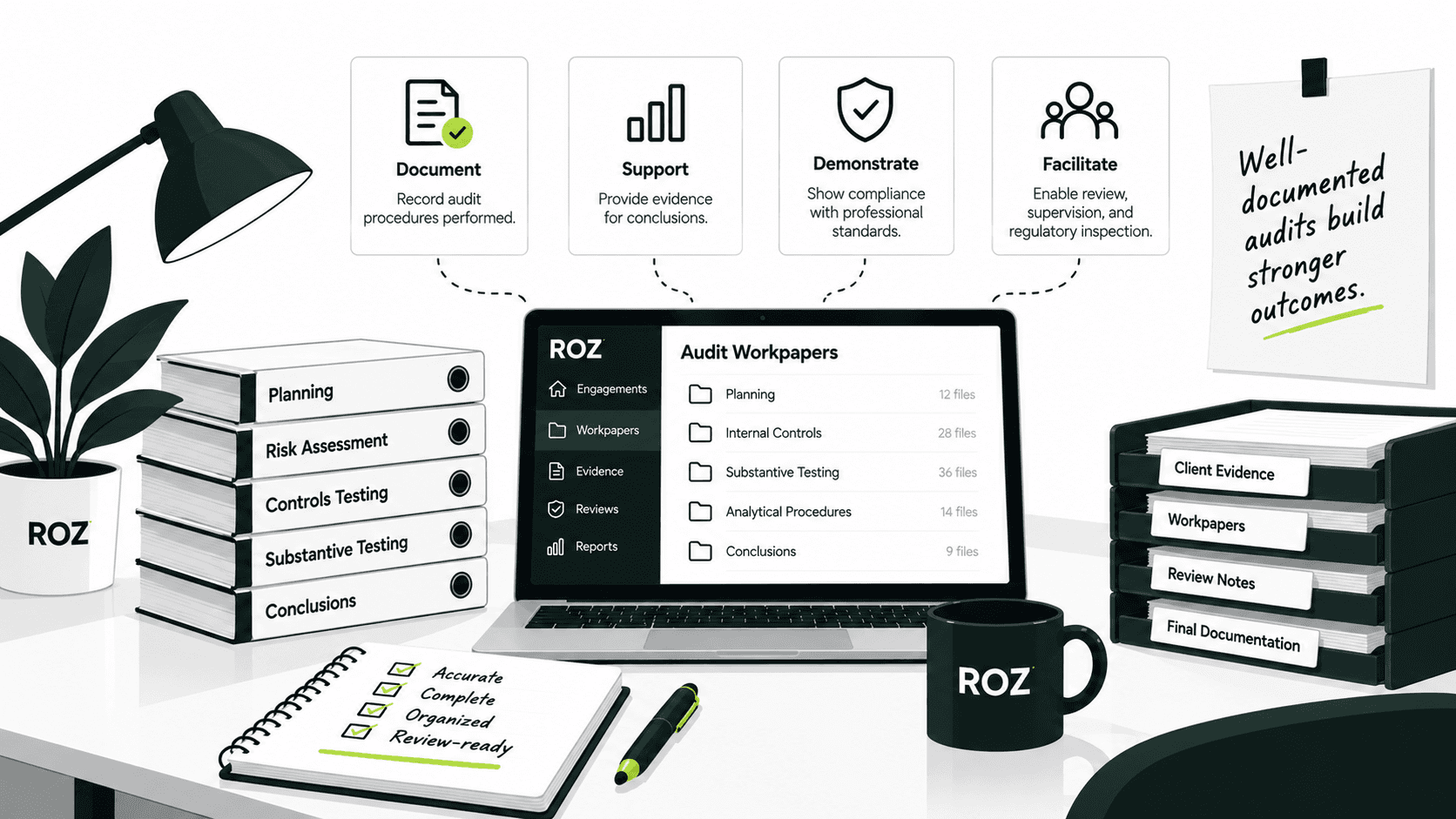
AI-generated audit workpapers are draft audit documents created using generative AI. They are generated from engagement-specific evidence, documented audit procedures, firm-approved templates, and other relevant engagement information. AI organizes these inputs into a structured first draft, which is then reviewed, edited, and approved by the engagement team before becoming part of the final engagement file.
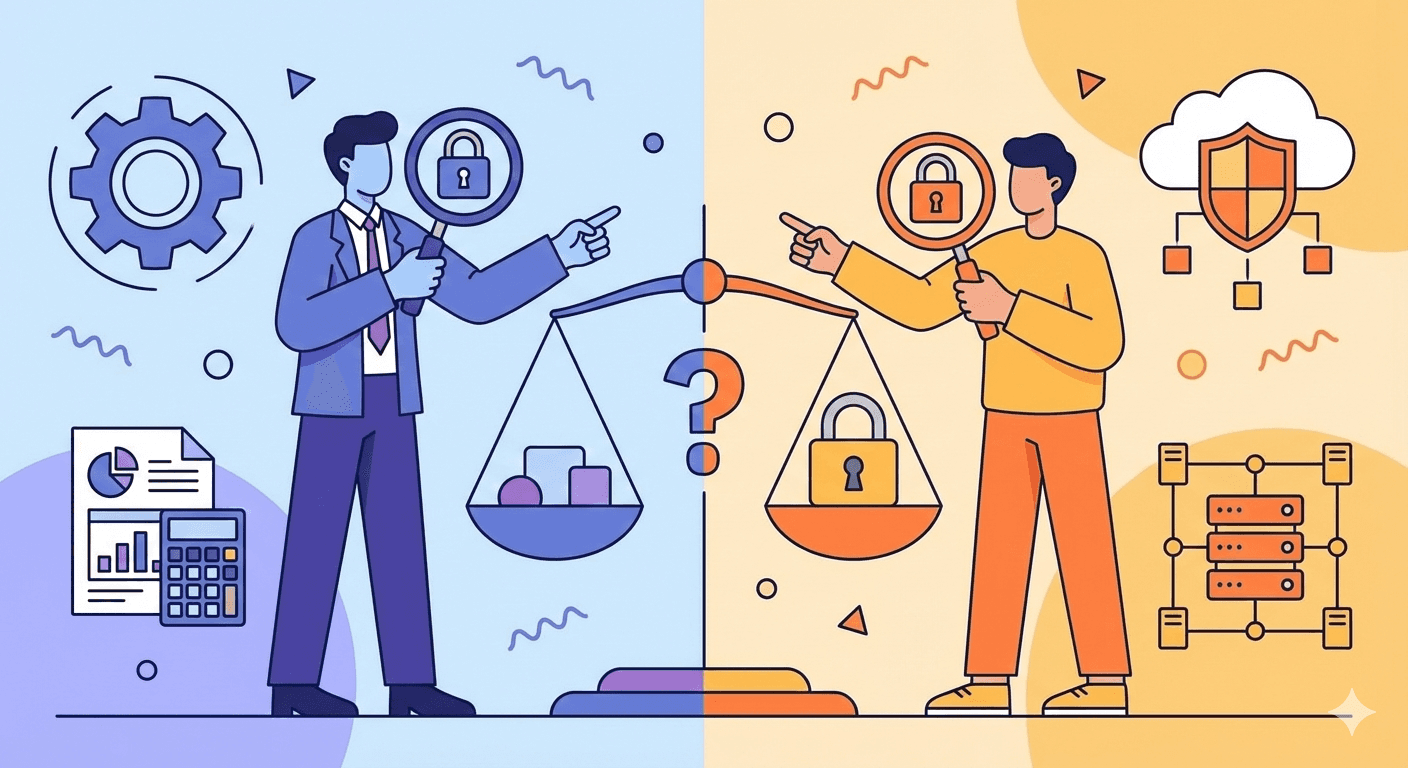
It is critical that we make this distinction. The incorporation of generative AI into audit documentation is not a substitution for the judgment, professional skepticism, and responsibility of the auditor for the workpapers.
The input used to generate audit workpapers directly determines their quality. The most effective and accurate first versions of the workpapers are generated when engagement-specific documentation, relevant and supportive client evidence, clear templates, and concise and clear prompts are used.
How Generative AI Supports Audit Documentation
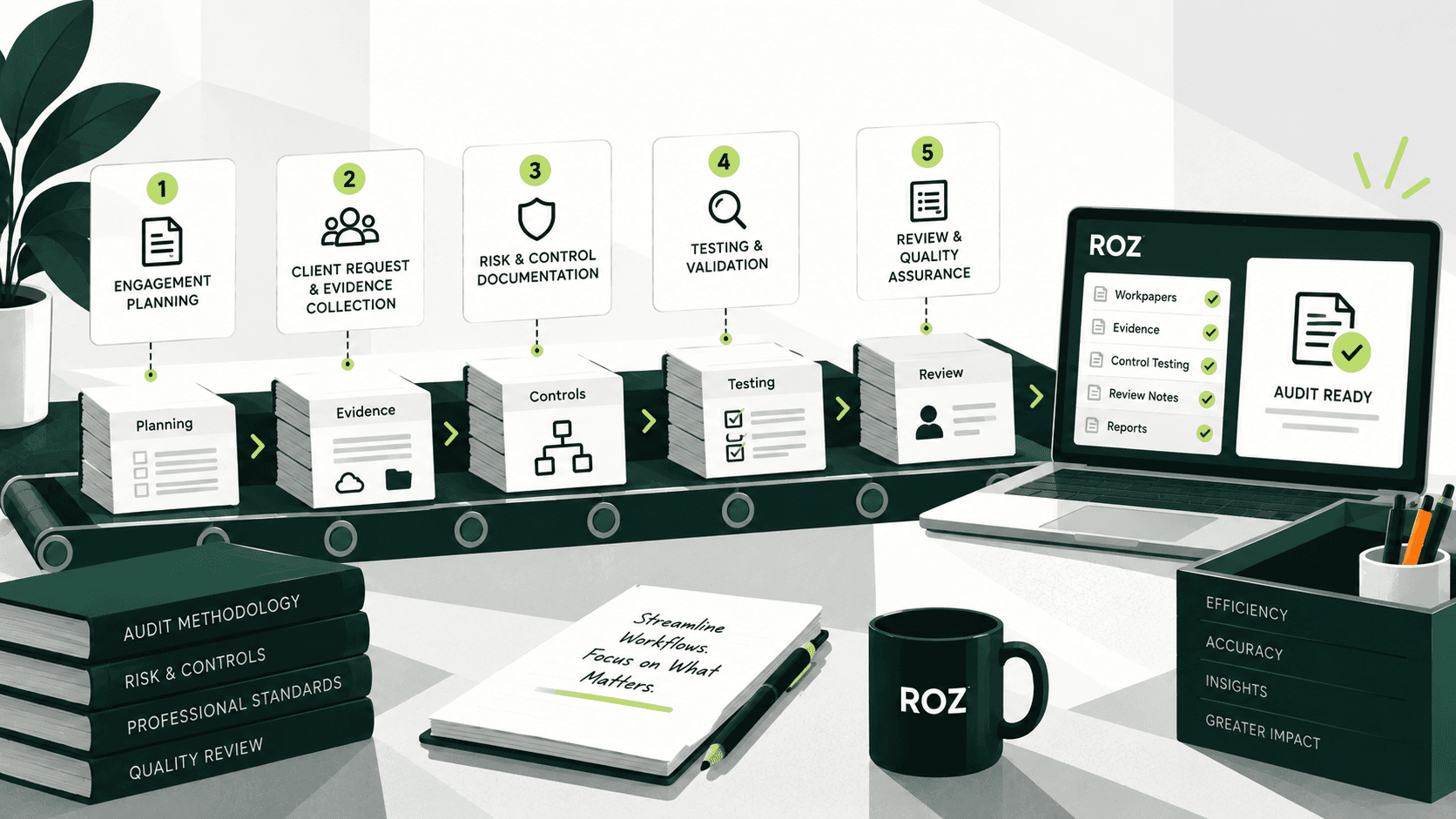
Generative AI provides value at many stages of the documentation process, beyond just the drafting stage.
Drafting testing narratives: Based on evidence and defined control criteria, AI can generate first-pass descriptions of completed procedures based on uploaded evidence and defined control criteria. This significantly lowers the amount of time staff needs to spend to draft the same procedural language for multiple engagements.
Summarizing audit evidence: Generative AI is capable of converting long and tedious documents (e.g., policy files, system exports, screenshots, and third-party reports) into concise and easy-to-read summaries for reviewers, all while maintaining traceability to the original document.
Standardizing documentation: Using standardized prompts and templates, generative AI helps produce more consistent workpaper language, thus decreasing the variability that is caused by staff members working individually.
Organizing supporting evidence: AI-based audit platforms can maintain an audit trail from the conclusion back to the evidence by linking each workpaper to the supporting documents.
Preparing reviewer-ready workpapers: AI helps handle structural and formatting tasks, meaning senior staff can spend their time reviewing the content instead of correcting formatting.
The end result of this documentation workflow is improved consistency and less administrative burden, while still allowing auditors to focus on the most important decisions.
Best Practices for Using Generative AI in Audit Workpapers
This is the core question firms need to answer before deploying AI in any engagement workflow. The following practices reflect the current state of responsible AI use in audit documentation.
1. Use AI for first-pass drafting only
AI-generated workpapers should be viewed as an initial draft. AI outputs an initial draft based upon an input it receives. That draft is not relied upon as audit documentation preparer's work until an auditor reviews it and incorporates their professional judgment into it.
Firms that skip the review step introduce meaningful quality risk, even if the AI output appears to be of high quality.
2. Validate every AI-generated statement
Every statement in an AI-drafted workpaper must be validated based upon the audit evidence and documentation. In this context, AI-drafted audit documentation should be evaluated to ensure:
the work was actually done
the evidence was actually collected
the tests and outcomes were as described
the conclusions reached were as stated
AI outputs may contain statements that lead the reviewer to draw conclusions that are not factually supported. Validation of AI outputs is not optional.
3. Maintain clear evidence traceability
Every statement made in an audit document should be linked to supporting evidence. If a reviewer is unable to link a statement to evidence, the documentation should not be considered complete for review until supporting evidence can be traced.
The use of AI in audit documentation is significantly easier to manage if the platform being used links to the supporting documents.
4. Preserve professional judgment on key determinations
The influence of AI on certain outcomes should be completely prohibited. Some of these areas include:
Audit conclusions: The auditor decides if enough appropriate evidence has been obtained.
Control effectiveness: Human judgment governs whether a control operates effectively.
Risk assessments: The auditor decides the likelihood and impact of the identified risks.
Sufficiency of evidence: Determining if the evidence collected is sufficient to support the conclusion is an auditor's call, not AI's.
Professional standards indicate that the responsibility for professional judgment, professional skepticism, and audit conclusions rests with the auditor, not with AI. This is explicit in the IIA Global Internal Audit Standards and PCAOB guidance. The use of AI does not relieve the obligation.
5. Standardize prompts and workpaper templates
Standardized prompts generally produce more consistent outputs. Approved templates and prompts for each stage of drafting workpapers should be developed and documented. This ensures AI drafts are of appropriate scope and detail. This standard improves the quality of drafts across engagements and staff and improves the efficiency of the review process.
6. Review AI-generated language carefully
AI can generate workpapers that can contain several errors and require careful analysis, including the following:
Unsupported conclusions: Statements that go beyond what the evidence actually shows.
Overly confident wording: Language that implies more certainty than the testing results justify.
Inaccurate terminology: Misuse of audit or framework-specific terms.
Missing exceptions: Gaps where the AI failed to capture a deviation found during testing.
Hallucinated content: Fabricated procedures or evidence that do not correspond to the underlying audit evidence or engagement documentation.
Reviewing the drafts of the AI system and analyzing them critically rather than just checking for formatting is very important.
7. Protect confidential client information
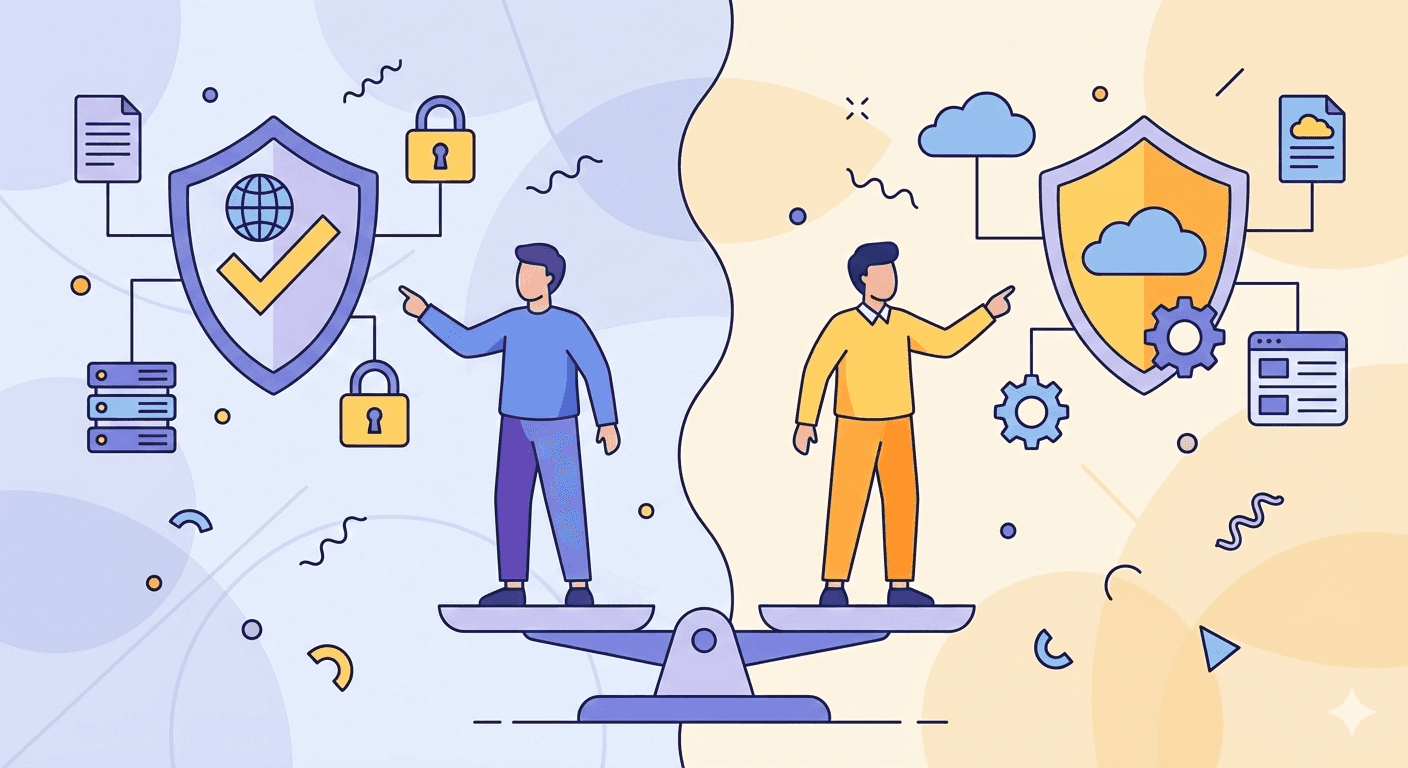
Evaluate the AI tools before the start of an engagement to check if they are data secure. Client documents are confidential, and the tools used to process them must align with the organization's security requirements, the applicable privacy regulations, and the internal policies of the firm. Before general AI tools can be used for auditing engagements, firms must assess whether the tools align with their confidentiality, security, regulatory, and contract requirements. Most firms prefer enterprise-grade AI solutions because they provide more control over data and more governance.
8. Document AI usage where appropriate
AI use for documentation must be transparent for quality control and regulatory purposes. It is important to record which AI tools were used for which tasks, the process for validating the outputs, and the justification for the use of AI in order to meet the engagement objective.
How to Implement Generative AI for Audit Workpapers
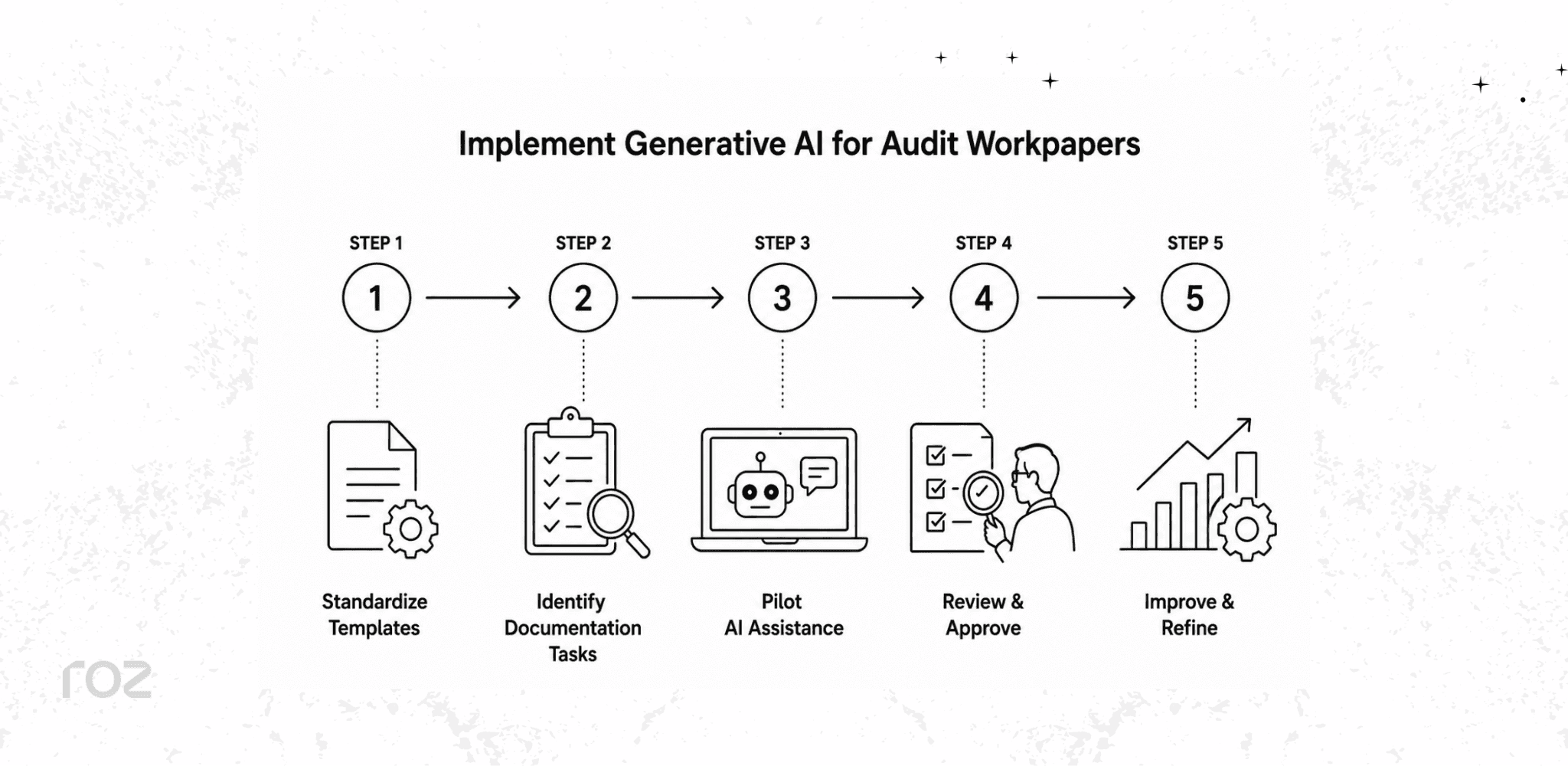
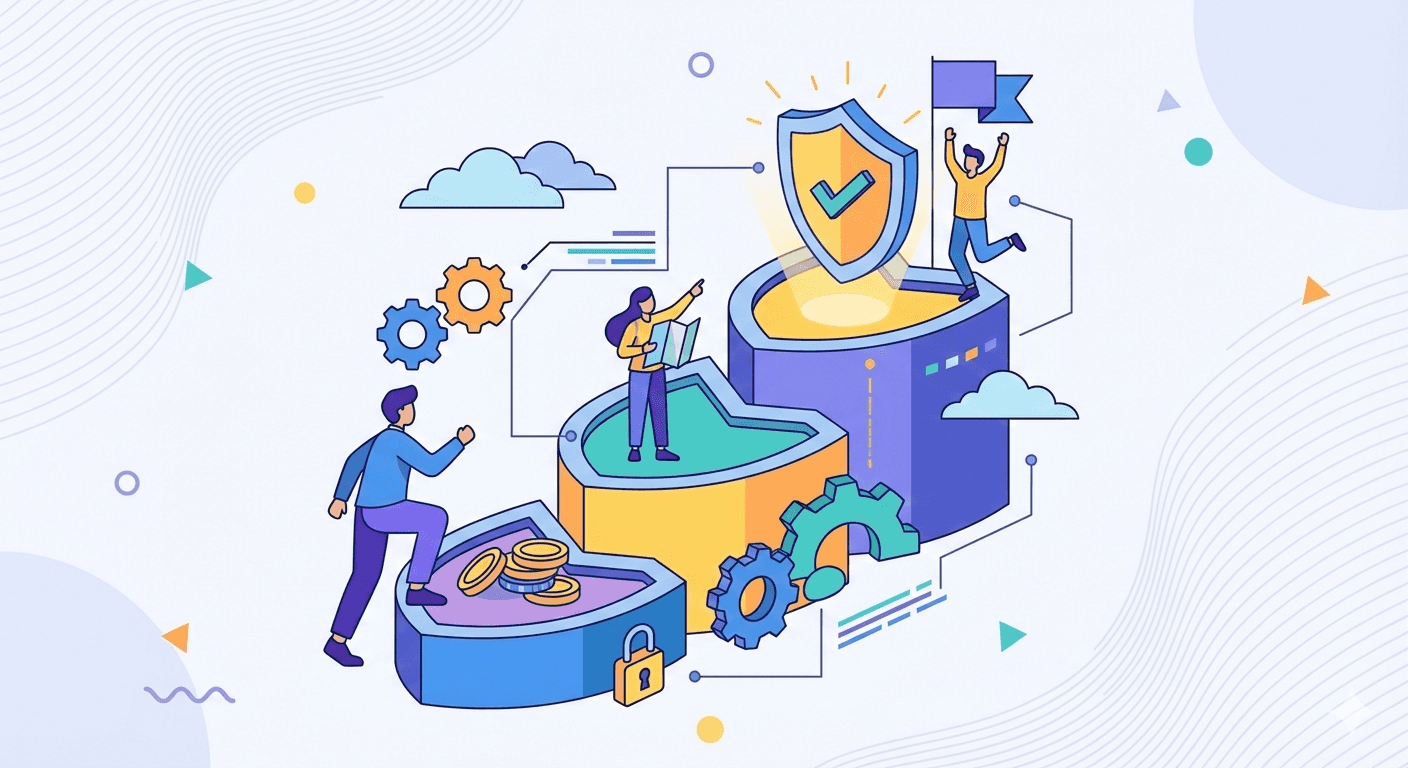
The use of a specific methodology during implementation is designed to reduce the occurrence of negative outcomes and increase the comfort level among workers in systems that use AI to assist them, prior to proceeding with the implementation across various operations.
Standardize workpaper templates: In advance of AI rollout, there is a need to establish the documentation requirements and the structures and terminology for the various types of workpapers. Workpaper templates allow AI to work within defined boundaries and provide a structure within which output can be assessed.
Identify repetitive documentation tasks: Identify those documentation tasks that are written with the least variability, e.g., control testing narratives, walkthroughs, summaries, evidence, and planning documentation are common starting points.
Pilot AI on lower-risk documentation activities: Start with workpapers that contain lower risk from an audit perspective; they should be the first target for AI. These lower-complexity workpapers make it easier to evaluate AI performance before expanding to more complex engagements.
Establish review and approval workflows: There should be a defined process for who reviews AI workpapers, what is validated prior to approval, and how approval is documented. AI-generated documentation actually requires more review, not less.
Monitor output quality and refine prompts: Pay attention to the common errors, feedback from the reviewers, and the effort expended to fix uncorrectable issues in the AI workpapers.
How Roz Supports AI-Assisted Audit Workpapers
Preparing audit workpapers often involves gathering evidence from multiple sources, organizing documentation, and linking conclusions back to supporting files. These manual tasks can consume significant engagement time before review even begins.
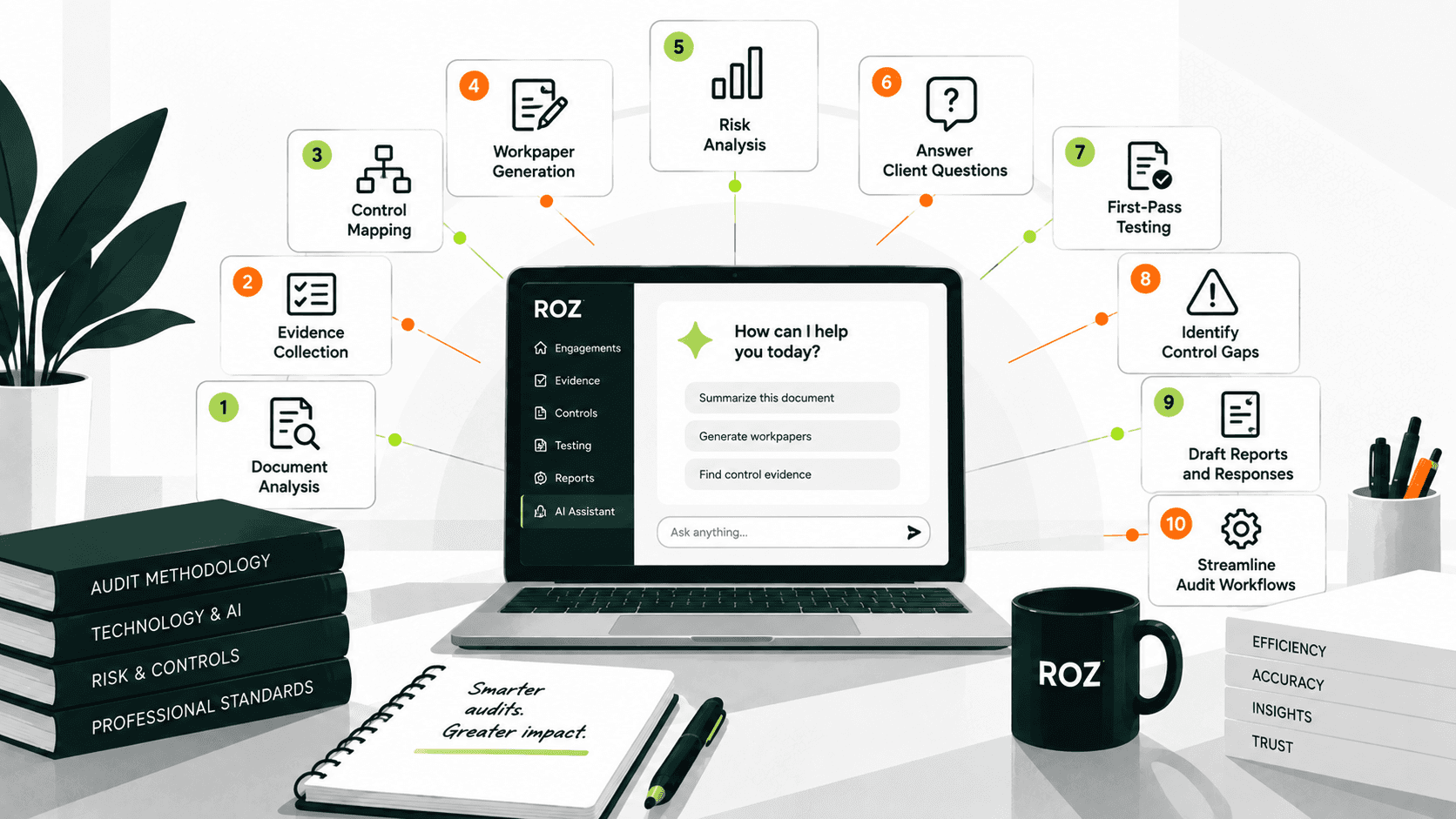
Roz helps firms accelerate workpaper preparation by generating AI-assisted first-pass workpapers from client evidence and firm-approved templates. It also summarizes supporting documentation with source-linked traceability, helping auditors locate evidence more efficiently and maintain consistent documentation across engagements.
Rather than replacing auditor judgment, Roz streamlines the documentation and first-pass analysis that support the audit process. Every workpaper remains subject to auditor review, with professional judgment, testing conclusions, and final opinions continuing to rest with the engagement team.
Conclusion
Generative AI is changing how firms prepare audit documentation by reducing the time spent on repetitive drafting and formatting tasks. It also helps improve consistency by applying standardized templates and terminology across engagements, while allowing auditors to focus on evidence evaluation, professional judgment, and review.
The firms that stand to gain use AI to supplement documentation, recognizing that AI does not supplant the auditor’s judgment. AI can assist with first-pass documentation, but the auditor is responsible for validating each output with the audit evidence and ensuring traceability.
Responsible use of AI in auditing is less about the capabilities of the technology and more about the adequacy of governance, oversight, and the exercise of professional judgment in the audit.
Frequently Asked Questions
Can generative AI create audit workpapers?
Yes. Generative AI can create drafts of audit workpapers based on uploaded client evidence, defined audit procedures, and documentation templates. It is the auditor’s responsibility to review, validate, and approve AI-generated workpapers before they become part of the final engagement documentation.
What are the risks of using generative AI for audit workpapers?
The main concerns are that generative AI can fabricate content, make ill-supported draft conclusions, generate workpapers devoid of the specific context of the engagement, and lead to conflicting evidence being interpreted in an inconsistent manner. Furthermore, using an AI tool that is not approved for client-sensitive information would breach confidentiality.
What types of audit workpapers can AI help prepare?.
AI may assist in drafting various audit workpapers, including control testing workpapers, walkthrough narratives, ITGC testing documentation, evidence summaries, risk assessments documentation, audit planning documentation, and substantive testing workpapers. Output quality depends on the quality of the supporting evidence, prompts, templates, and engagement-specific context.