Audit firms are being asked to do more with the same teams. Compliance frameworks are multiplying. Client timelines are tightening. And experienced auditors are harder to find than they were two years ago.
The numbers confirm it. According to the CFO Pulse Survey 2024, 83% of financial leaders could not find qualified accounting talent, up from 70% in 2022. Meanwhile, 70% of internal auditors report that growing regulatory requirements are already straining their current audit plans, according to IIA's 2025 North American Pulse of Internal Audit.
Hiring more staff is the instinctive response. It is also, for most firms, not a realistic one. Recruiting timelines are long, training takes time, and the pipeline of qualified candidates is not growing fast enough to match demand.
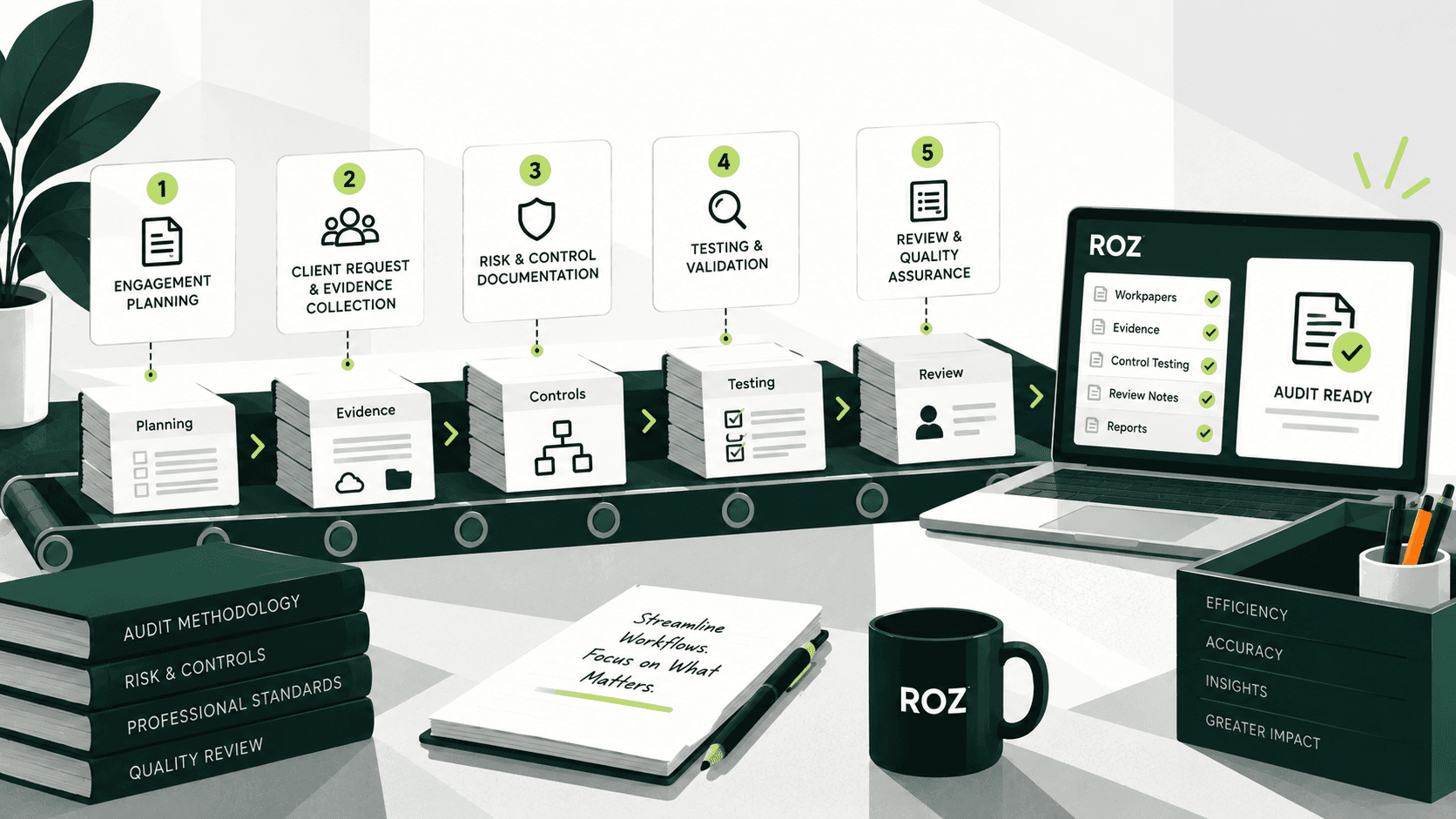
The firms gaining ground are not waiting for the hiring market to improve. They are restructuring how audit work gets delivered, cutting administrative drag, standardizing repeatable processes, and using AI to support first-pass analysis. In this article, I will break down where capacity is actually lost and what firms can do to recover it.
Why Audit Capacity Is Becoming a Bigger Challenge
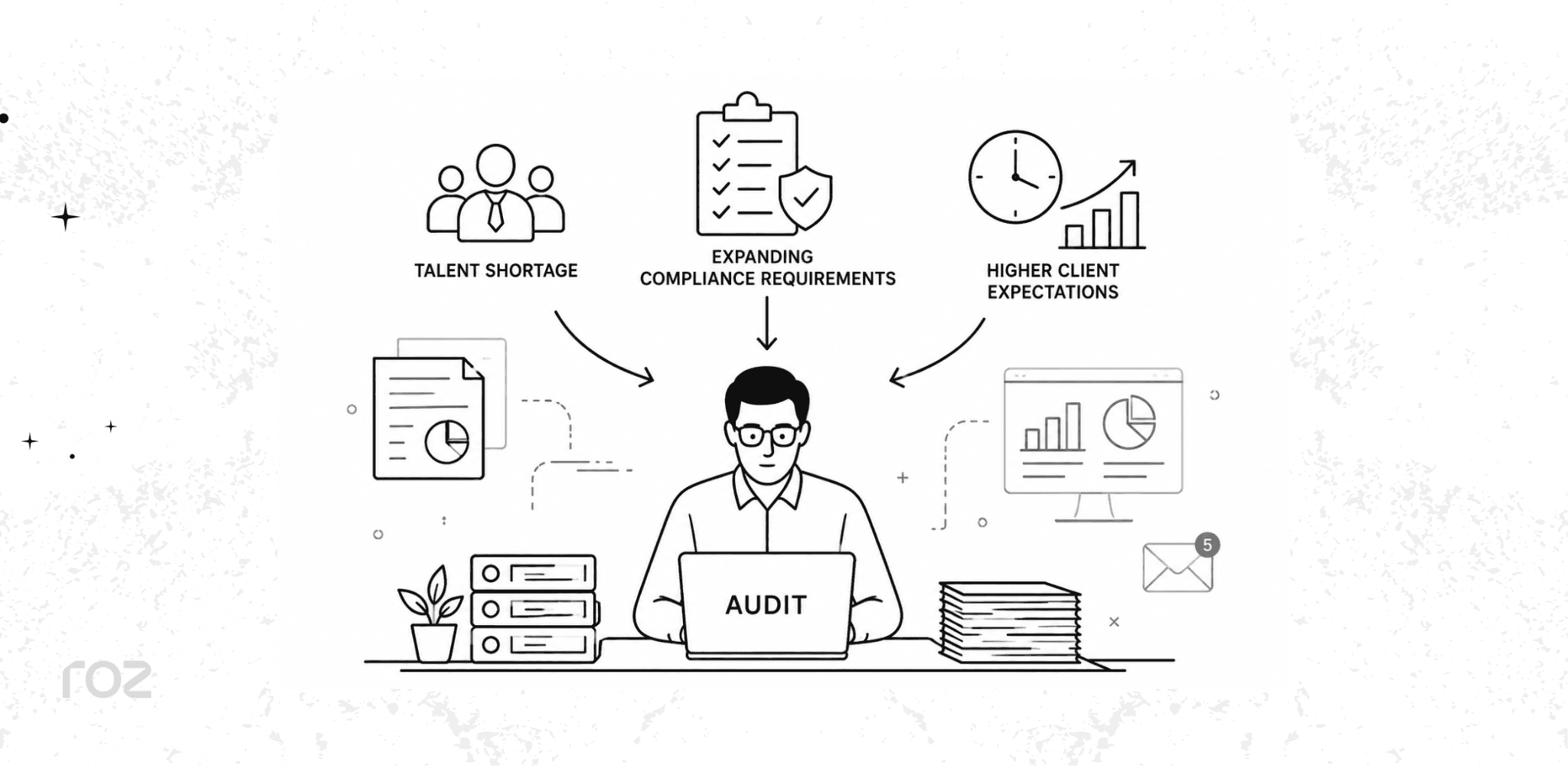
The capacity problem in audit is not new, but it is getting harder to manage. Three overlapping pressures are driving it.
Auditor talent shortage: The supply of experienced auditors is shrinking. Enrollment in accounting programs is declining, and many graduates are choosing adjacent fields with more flexible career paths. In the US, 90% of employers in finance and accounting already struggle to recruit qualified professionals, according to a 2023 Hays survey.
Expanding compliance requirements: Firms performing control-based reporting, SOC 2, ISO 27001, SOX, HIPAA, and CMMC are covering more ground per engagement. Each set of requirements carries its own documentation standards, evidence expectations, and testing obligations.
Higher client expectations: Clients expect faster turnaround, clearer communication, and more thorough documentation. Those expectations have not eased as firms have become more stretched.
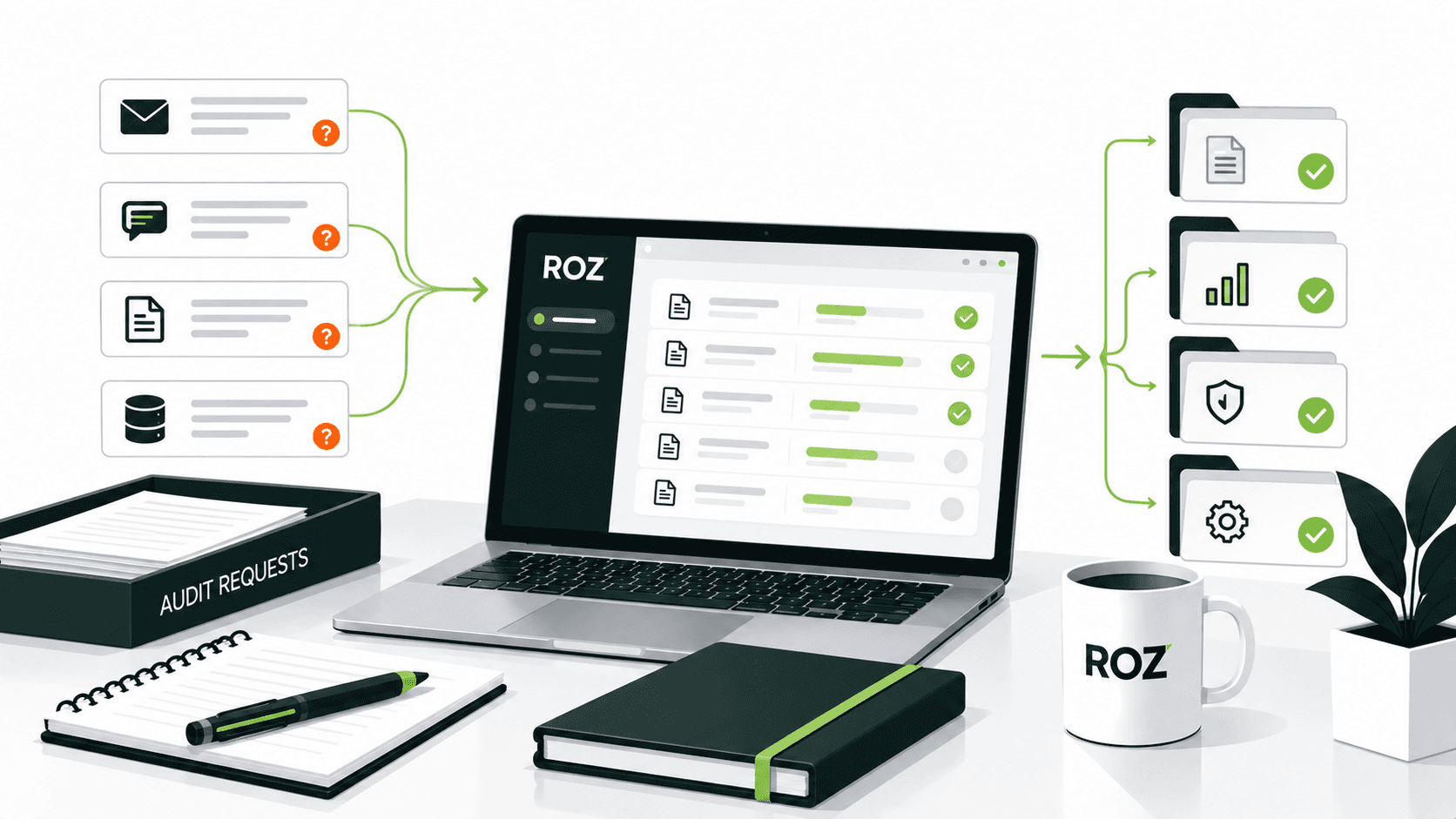
What is often overlooked is that much of the capacity lost inside firms has little to do with the technical audit work itself. Much of the lost capacity comes from administrative work such as chasing evidence, formatting workpapers, managing email threads, and repeating documentation tasks across engagements.
Where Audit Teams Lose the Most Time
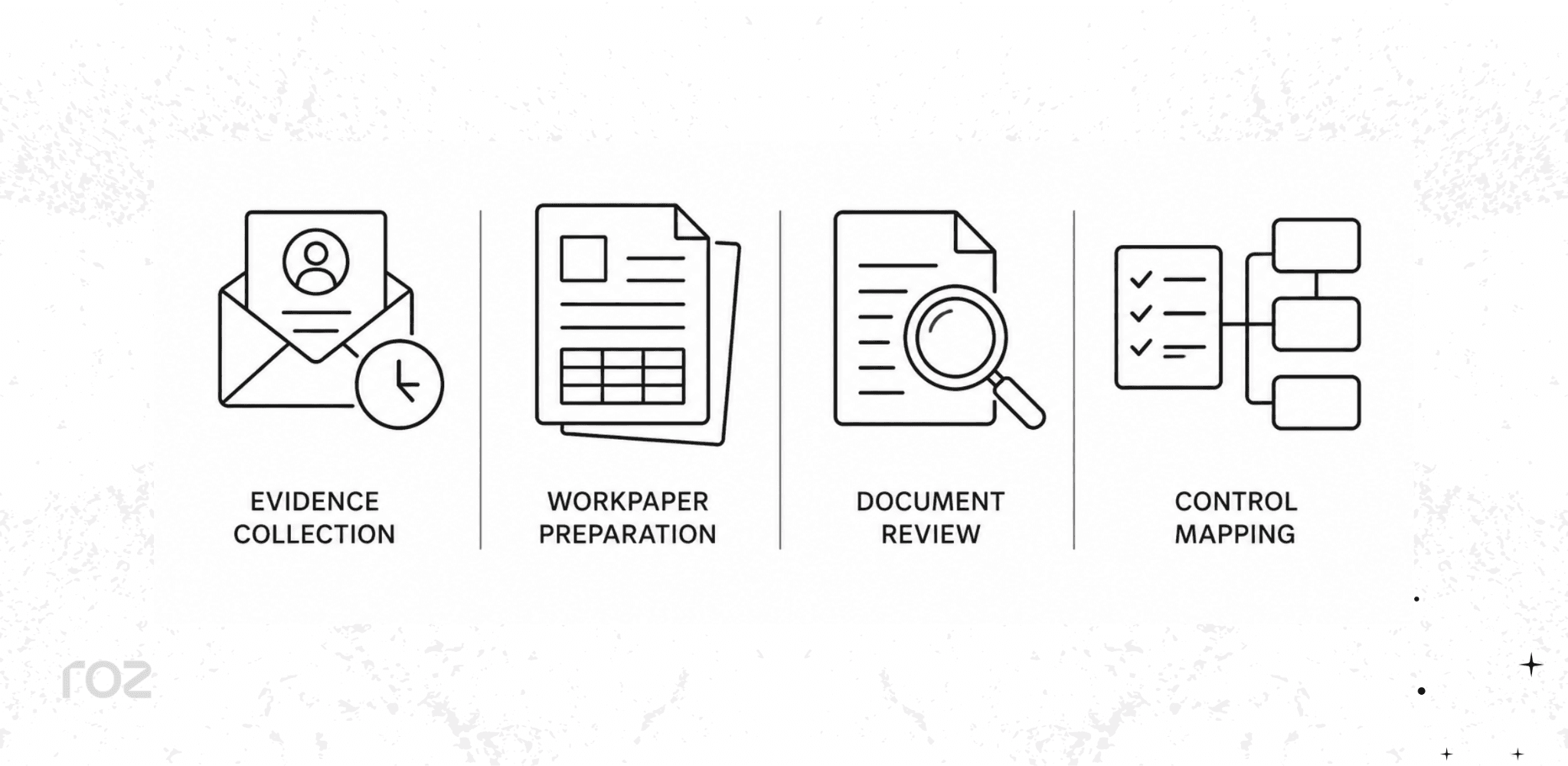
Audit capacity does not disappear all at once. It erodes gradually, consumed by recurring administrative tasks that pull experienced staff away from work that requires professional judgment. Here is where the time typically goes.
Evidence collection: Manual email-based request lists create predictable delays. Clients miss items and submit wrong files, and the back-and-forth repeats across dozens of requests per engagement, consuming hours that should go toward analysis.
Workpaper preparation: Reformatting content, documenting testing procedures, mapping evidence to controls, and applying consistent structure across sections is repetitive work. When built from scratch each engagement, the time cost compounds quickly across the team.
Document review: Policies, configuration exports, and screenshots must be reviewed against specific control criteria. On multi-system engagements, this means working through hundreds of pages to locate a handful of relevant details.
Control mapping: Comparing client documentation against framework requirements, whether SOC 2 Trust Services Criteria, ISO 27001 controls, or NIST standards, is structured but time-intensive work. When multiple team members approach it inconsistently, the review burden increases further upstream.
7 Practical Ways Audit Firms Can Increase Capacity Without Hiring
1. Standardize Audit Methodology
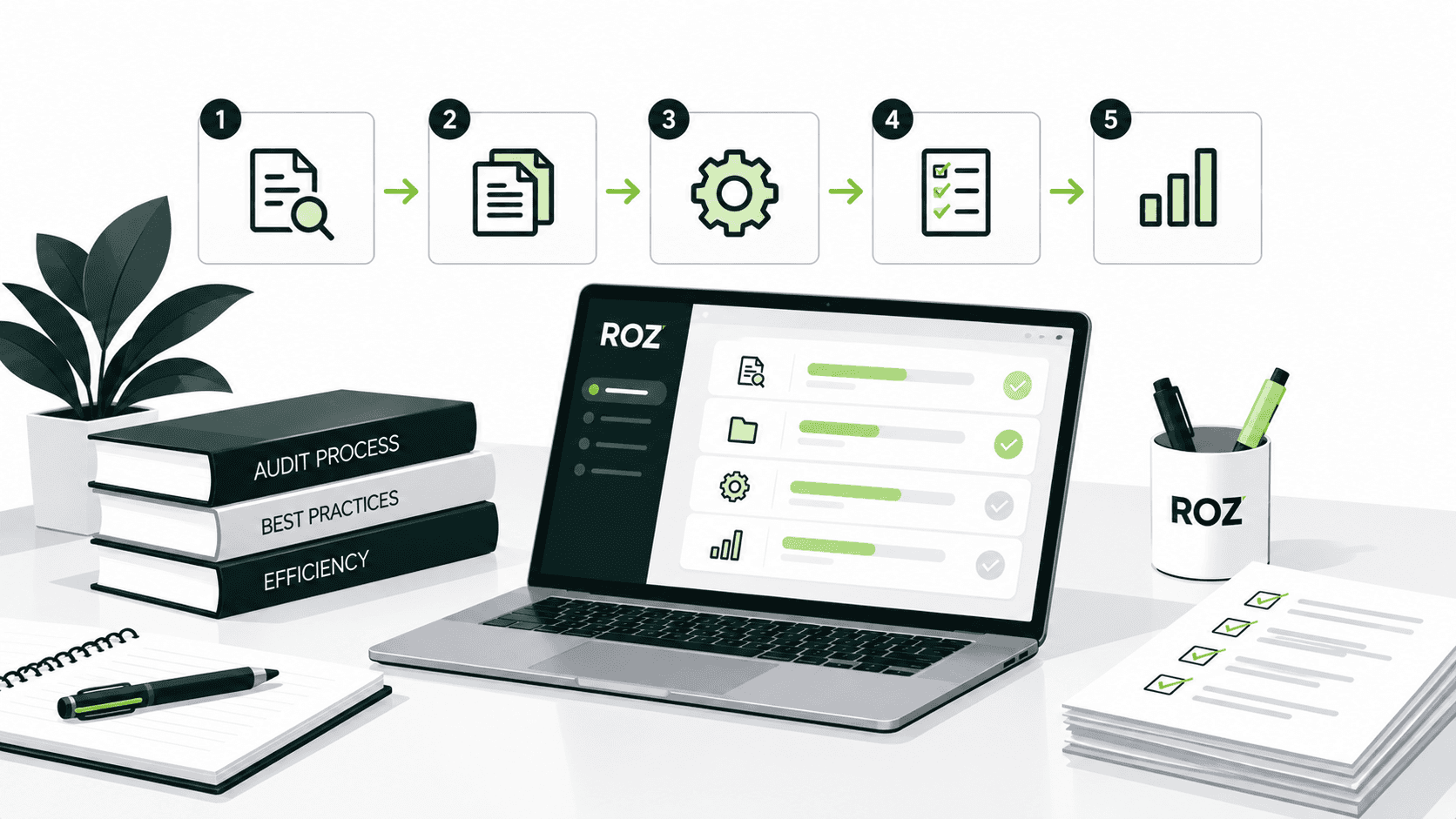
Standardization is the foundation for consistent and scalable audit workflows. Firms should take time to develop consistent templates, checklists, and workflows that they can repeat for each engagement type before they consider workflow automation.
If a firm has standardized its audit methodology, it will result in faster onboarding of staff, less time for senior staff to spend adjusting and correcting audit work, and the ability for the firm to increase engagement capacity while maintaining quality. The time spent on creating standardized work methodology for audits is never wasted.
2. Automate Administrative Work
A significant portion of audit time is spent on administrative activities that do not require professional judgment, such as tracking evidence requests, organizing documentation, sending reminder emails, and maintaining consistent file naming conventions.
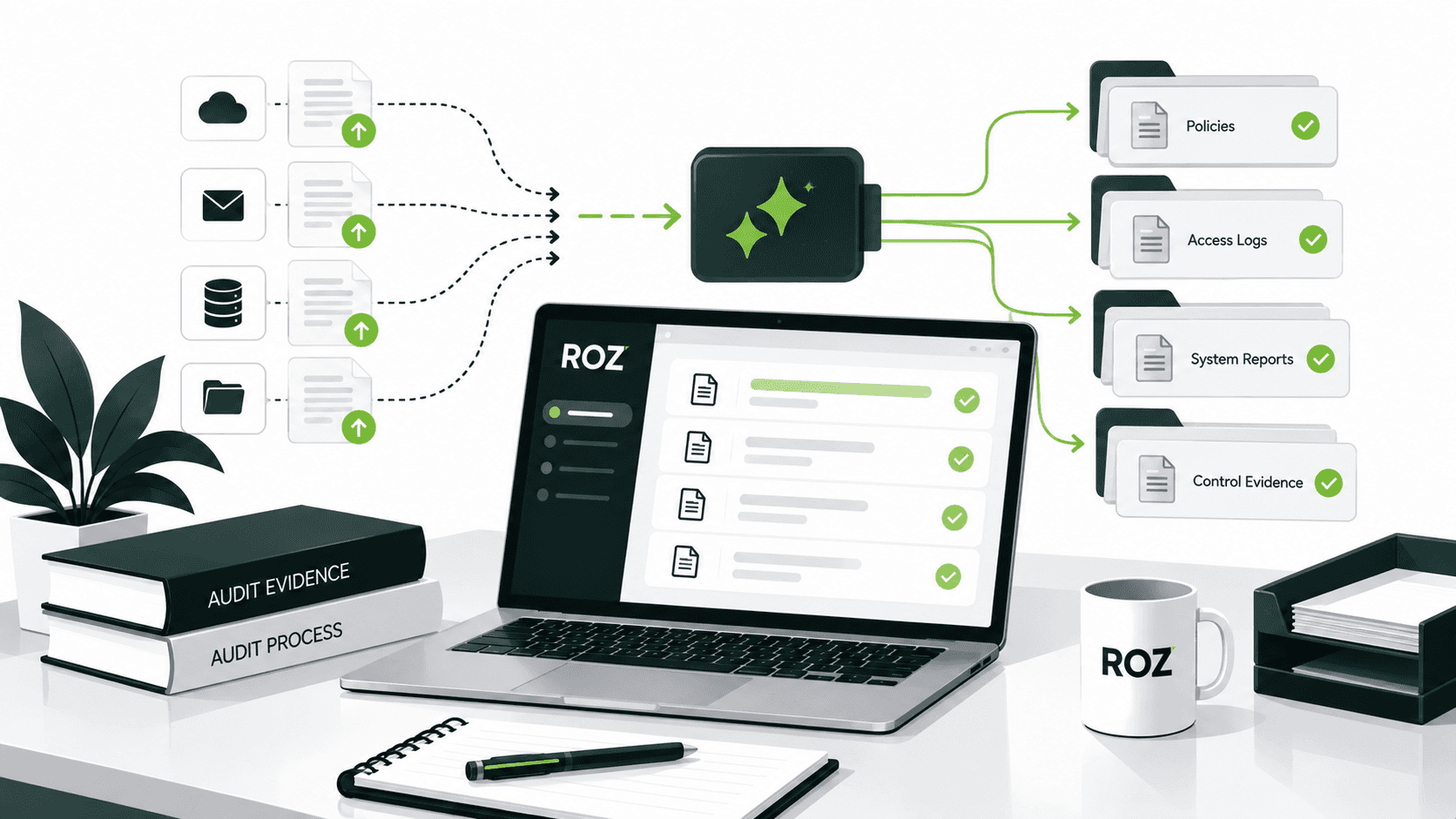
These activities can be streamlined through structured workflows and technology. For example, tracking requests can be done with a tool instead of a manual spreadsheet, evidence can be exchanged with a document upload portal, eliminating the need for emails, and a document management system can be used to ensure consistent naming conventions. These changes, applied collectively, decrease the burden of administrative tasks on auditors. This helps auditors to spend more time on planning, testing, and reviewing.
3. Use AI for First-Pass Documentation
AI can generate first drafts of workpapers, report sections, and documentation based on uploaded evidence.
AI can document the initial draft, but the auditor must complete the work using their own judgment. The professional judgment and assessment of the evidence along with the conclusion are still the responsibility of the engagement team. AI has the potential to help auditors reduce the time spent drafting and organizing documentation. This allows auditors to refocus their effort on reviewing, analyzing, and making important judgments and decisions.
4. Reduce Duplicate Work Across Engagements
Most engagements have similar controls, testing methodologies, and documentation formats. In the absence of organized knowledge for reuse, each engagement team recreates the necessary information.
Control libraries, testing methodologies, and knowledge bases that allow for the reuse of previous work are vital to firms that cater to the same clients repeatedly and to firms that work across various compliance frameworks that have overlapping control requirements.
5. Improve Client Collaboration
Fragmented communication is one of the leading causes of delays during an engagement. Managing evidence requests through email creates a whole host of issues. There is no easy way to see what evidence was submitted, what is still pending, and what needs to be followed up on.
Platforms that provide real-time evidence request tracking eliminate the need for constant email threads. They also allow both the audit team and the client to quickly see the current status of the engagement. Evidence requests and submissions are organized with minimal time and effort.
6. Review Larger Evidence Sets More Efficiently
Evidence requests and submissions are often extremely large, on the order of hundreds of pages. Often the hardest part of reviewing evidence is collecting the evidence that relates to a specific control.
Analyzing large documents is a time-consuming but critical part of the audit process. New tools that accelerate the identification of relevant evidence and integrating evidence with a citation and summary greatly improve the audit process by reducing time for evidence collection and increasing the time auditors can spend reviewing evidence.
7. Track Engagement Progress in Real Time
If team members are the only ones who can see their engagement status, delivery is often impacted before the bottlenecks are recognized. It is more difficult to resolve outstanding evidence requests, delayed reviews, or incomplete testing, the longer they go unrecognized.
Engagement dashboards that update automatically display the status of requests and the review workload, as well as upcoming due dates. Stakeholders are better able to identify and resolve engagement-related issues, and overall engagement throughput is improved.
What Technology Can and Cannot Do
This distinction matters. Firms that apply technology to the wrong tasks create more review work, not less.
Technology Can | Technology Cannot |
Organize and track audit evidence | Replace auditor judgment |
Generate first-pass workpaper drafts | Issue audit opinions |
Extract controls from uploaded policies | Make professional judgments |
Accelerate documentation and evidence organization | Replace audit review |
Identify potentially missing or inconsistent information for review | Determine whether audit evidence is sufficient |
Compare documented controls against framework requirements | Assess materiality or audit risk independently |
Professional judgment, testing conclusions, and audit opinions remain the responsibility of the engagement team. Evidence collection, documentation, and preliminary analysis are areas where technology aids. Nevertheless, auditors must assess the evidence, decide whether it is sufficient and suitable, and draw conclusions based on the auditing standards in force.
How AI Supports Capacity Growth Without Expanding Headcount
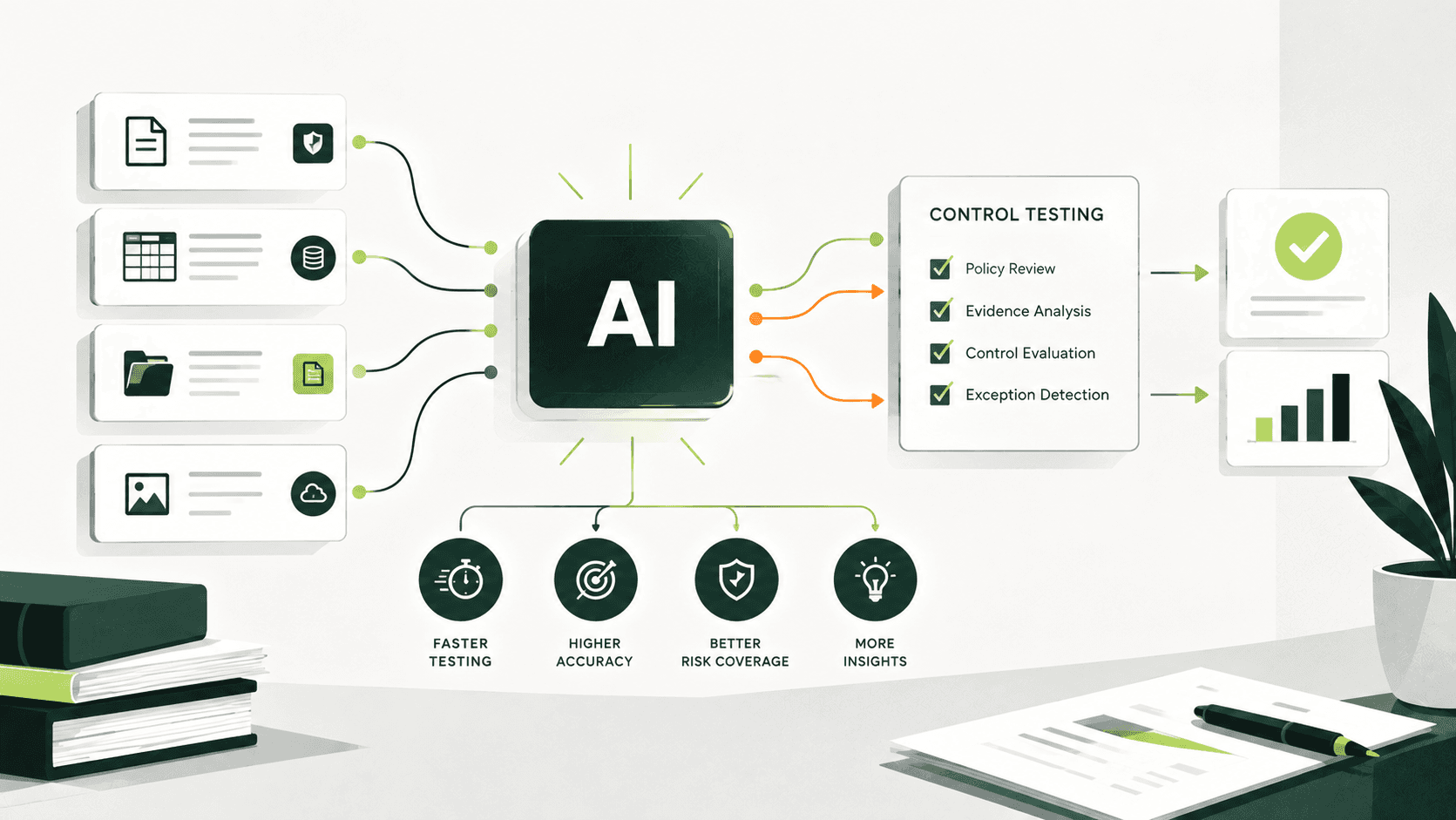
At its best in the audit process, AI handles task-oriented volume work that is preparatory to auditor review. AI is least useful in the audit process when it is misapplied as a decision-making tool.
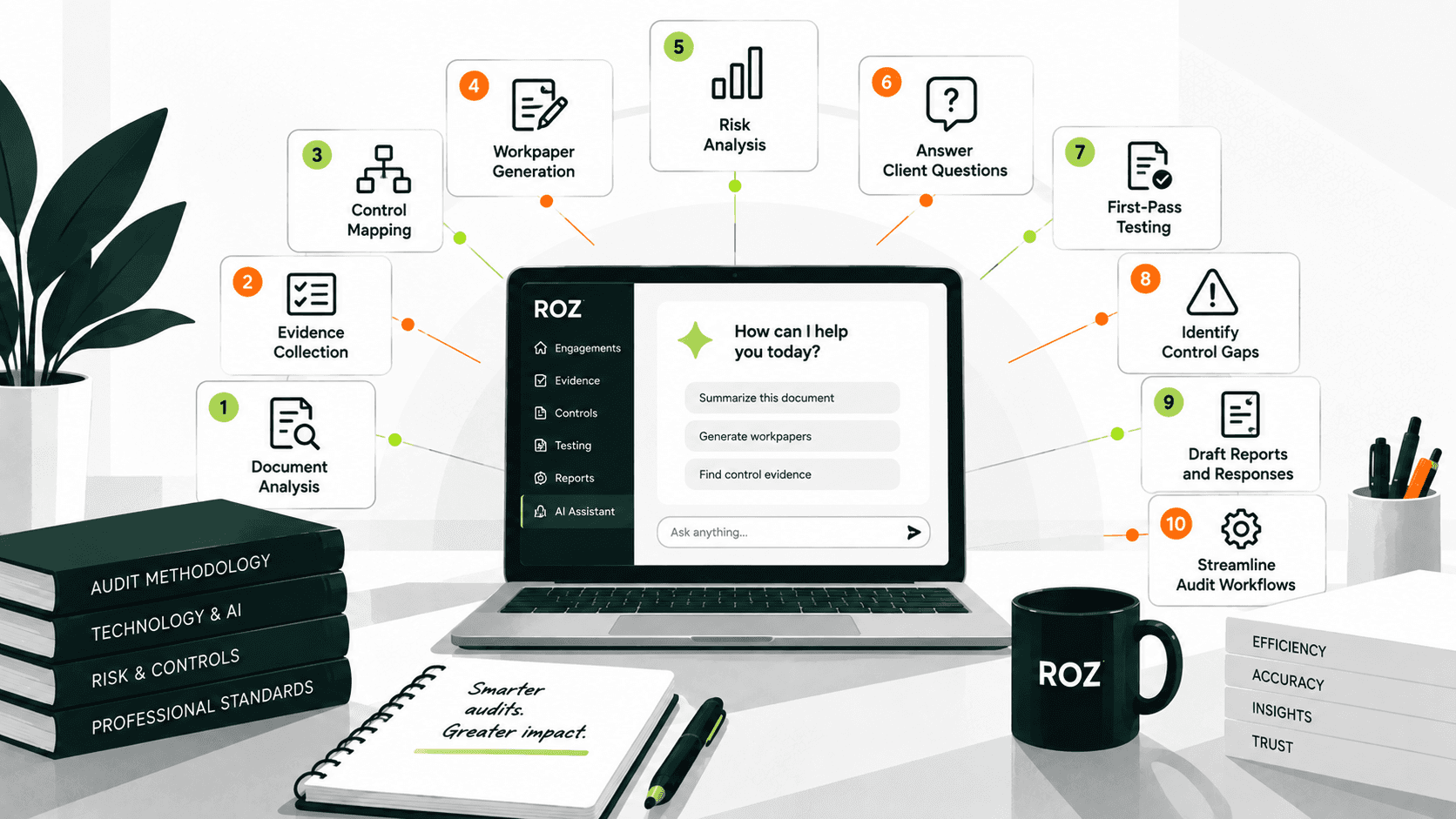
Examples of how AI can support audit capacity include:
AI-generated workpapers: Drafting report sections and workpapers from firm templates and uploaded client documentation, with source links and audit trails.
Evidence sufficiency support: Identifying controls in which uploaded evidence is likely insufficient or does not meet the documented requirements. The final judgment for sufficiency is the auditor’s responsibility.
Control extraction: Collecting controls from uploaded documents and creating a unified and organized control framework.
Questionnaire assistance: AI-assisted draft responses in compliance questionnaires with source evidence and confidence scoring.
Gap analysis: Identifying deficiencies within a client’s documented controls in relation to the requirements of a control framework.
Risk and control matrix views: Structuring controls to facilitate easy access and assessment.
Engagement dashboards: Structuring control-related information to provide management oversight on status, reviewer workload, and outstanding tasks.
According to the Thomson Reuters Institute 2024 Generative AI in Professional Services Report, approximately one-quarter of professionals surveyed said their organizations had already begun updating workflows by incorporating generative AI. Among audit and accounting firms specifically, top use cases include bookkeeping, document review, tax research, and compliance analysis, all areas where first-pass automation has clear applications.
The principle is the same for all these applications: AI generates an initial draft, while auditors review the output, apply professional judgment, and reach the final conclusions.
Best Practices for Increasing Audit Capacity
Firms that have seen the most measurable gains in capacity tend to follow a consistent set of principles:
Standardize audit methodologies before introducing automation: Automation applied to an inconsistent process produces inconsistent results faster. Get the methodology right first.
Streamline repetitive administrative tasks: Evidence tracking, file organization, and status reporting are better targets for automation than core technical audit procedures.
Keep auditors responsible for professional judgment and final conclusions: This is not just a risk management principle; it is a regulatory one. AI outputs require human review before they become part of the engagement file.
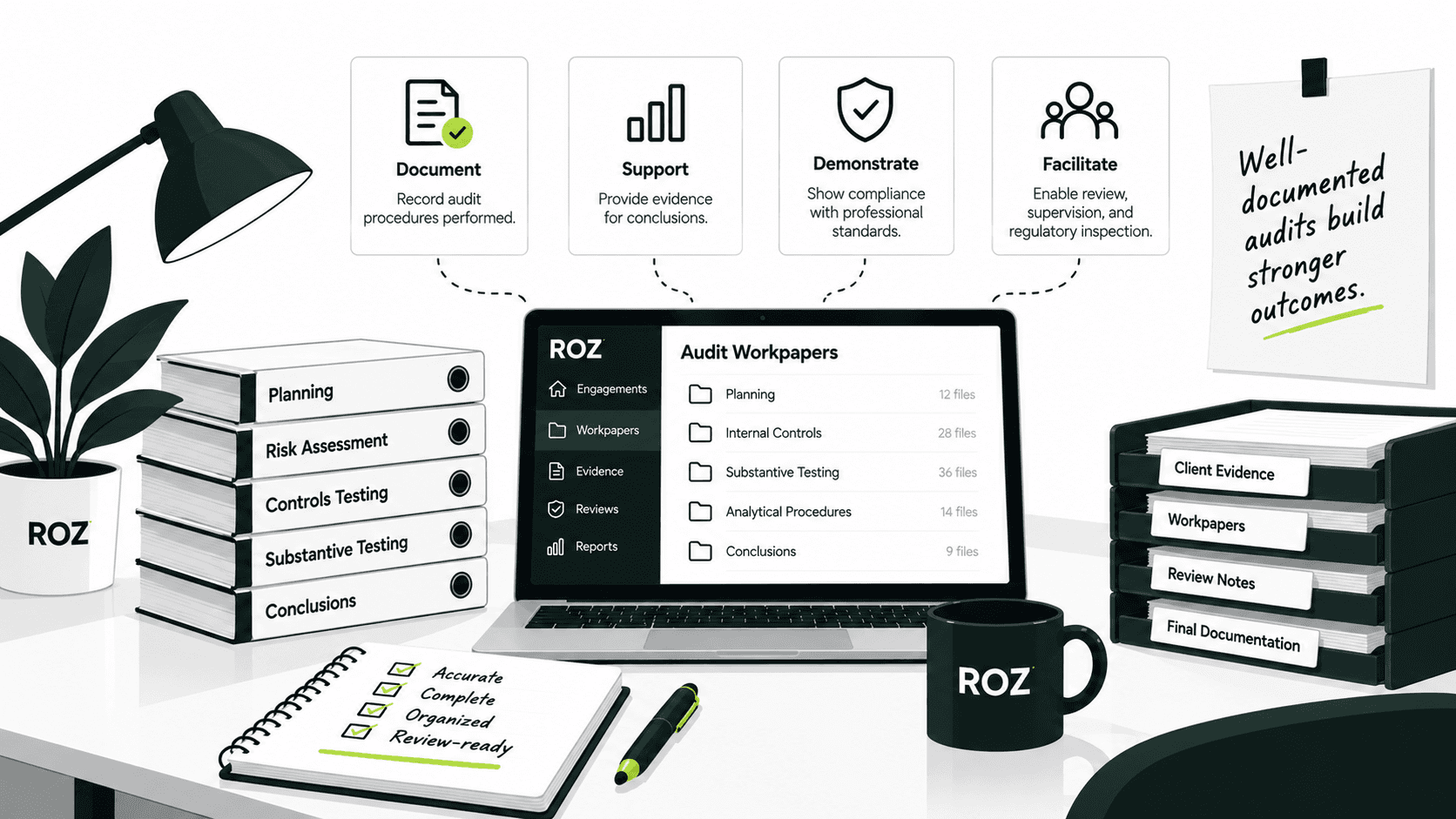
Centralize engagement documentation to reduce duplicate work: A shared, structured workspace per client reduces the time spent locating files and reconciling versions across team members.
Measure capacity improvements using concrete metrics: Engagement turnaround time, reviewer hours per workpaper, evidence request completion times, and total engagement throughput per quarter are more useful than general assessments of team productivity.
How Roz Supports Audit Capacity Growth
As audit firms take on more engagements, administrative work often grows faster than billable work. Teams spend significant time collecting evidence, organizing documentation, preparing workpapers, and tracking review status across multiple clients. These tasks can limit capacity even when technical resources are available.
Roz helps firms reduce that administrative burden by centralizing engagement documentation, accelerating evidence collection, supporting readiness assessments, and generating AI-assisted first-pass workpapers with source-linked traceability. Structured engagement workflows and evidence organization make it easier for audit teams to manage multiple engagements while maintaining consistency across projects.
Rather than replacing auditors, Roz supports the work that surrounds professional judgment. By streamlining documentation and first-pass analysis, it enables firms to deliver engagements more efficiently while keeping testing conclusions, audit opinions, and final decisions in the hands of the engagement team.
Conclusion
The audit capacity challenge is real. The talent shortage is not resolving quickly, compliance demands are becoming more complex, and client expectations are not becoming more lenient.
But the path forward does not depend entirely on hiring. Most firms have untapped capacity sitting inside their current workflows, in the administrative overhead that consumes auditor hours, in the duplicate work that gets rebuilt from scratch each engagement, and in the evidence management processes that slow every phase of delivery.
Standardizing methodology, streamlining repetitive administrative work, and using AI for first-pass documentation are not replacements for skilled auditors. They are the conditions that allow skilled auditors to focus on the work that actually requires their judgment.
The firms that make this shift now will be better positioned to deliver high-quality audits at scale, through AI-assisted engagement delivery that improves productivity without compromising the professional standards that clients and regulators expect.
Frequently Asked Questions
Does AI replace auditors in the audit process?
No, AI can assist in the analysis of documents and organization of evidence and even generate draft workpapers. However, auditors will always be needed to exercise their judgment, perform the tests, and draw the conclusion for the audit opinion. This responsibility does not move to the tool; rather, it remains with the licensed professional who signs the opinion.
Which audit tasks benefit most from automation?
Administrative tasks offer the clearest gains: request tracking, evidence organization, workpaper drafting, client communication workflows, control extraction, and engagement status monitoring. These are high-volume, structured tasks where auditor judgment is not the primary input.
How can a firm measure whether capacity has actually improved?
Track average turnaround time per engagement, reviewer hours per engagement, engagements completed per quarter, and time between evidence request and receipt. These metrics quantify the impact of workflow changes over time.
What is the difference between audit automation and AI in auditing?
Audit automation minimizes manual effort by creating defined, rules-based processes, such as request tracking, status updates, and file organization. Conversely, AI augments auditing by analyzing large datasets, interpreting and generating text, and document content extraction. While the potential to increase capacity exists with both, they operate at different stages of a process.