SOC Report: What It Is, Types & Why It Matters
If you have tried closing an enterprise deal, you probably have been asked, “Do you have a SOC report?” Many companies will lose potential deals or waste time on additional checks during vendor onboarding or RFP evaluation if they lack one.
So what exactly is a SOC report? And which one does your company need?
A SOC report is an independent attestation from a licensed CPA firm that follows the rules set by the AICPA. It evaluates the design of an organization’s internal controls and, in Type II engagements, their operating effectiveness over a defined review period. These reports provide customers, auditors, and business partners with structured assurance regarding the controls that support your services.
One important clarification: a SOC report should not be confused with a SOC. The two are distinct concepts, though both relate to organizational security.
In this article, I will break down what a SOC report is and actually covers.
What Is a SOC Report?
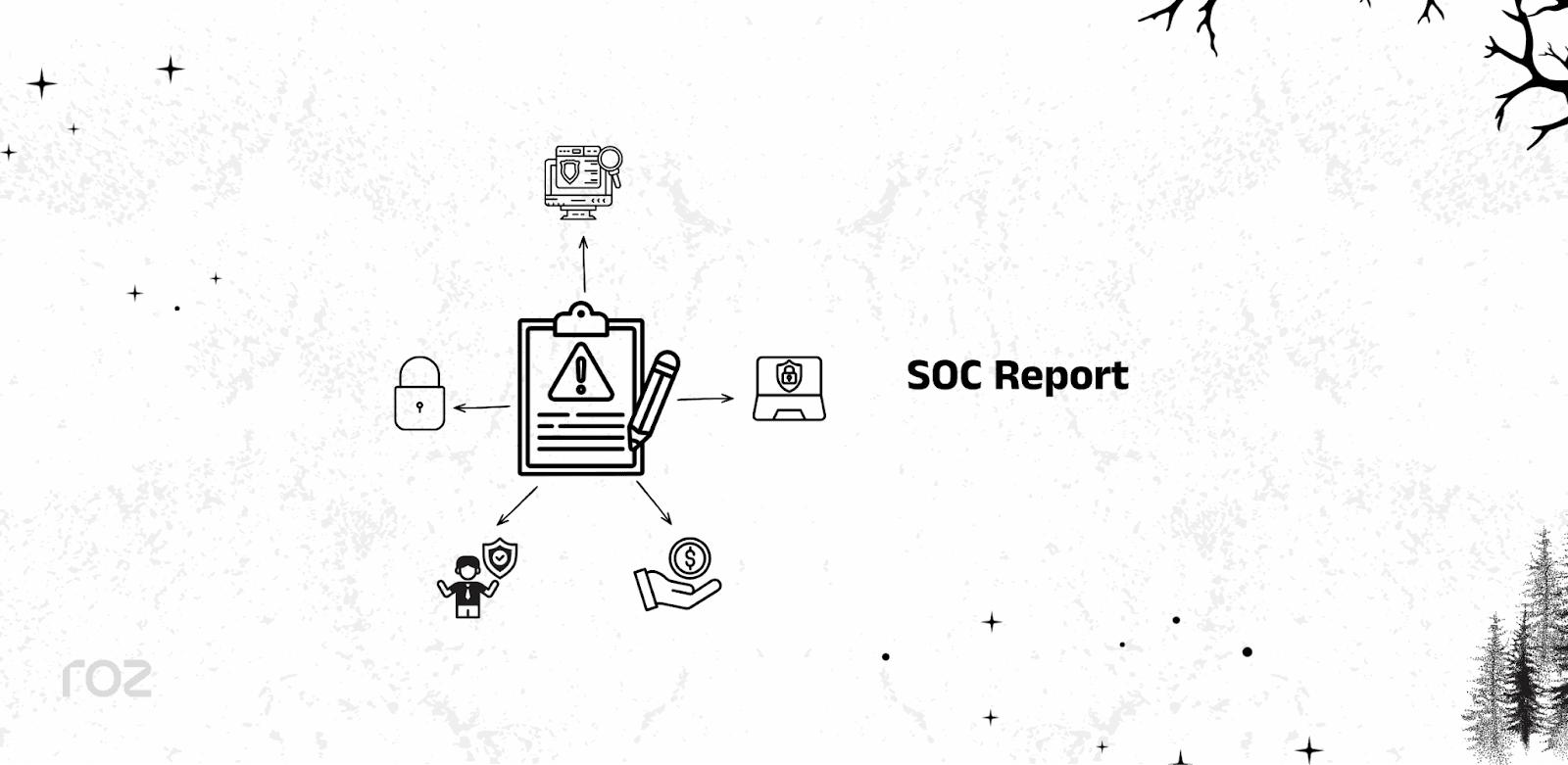
A SOC Report is an independent CPA attestation examining service organizations' controls across their systems, people, and processes. Attestations can only be completed by licensed CPA firms and are governed by the AICPA standards.
This distinction matters. A certification usually means that the company has satisfied a preset requirements checklist. On the other hand, a SOC attestation has a licensed auditor review your company’s unique controls against a set of criteria and issue an opinion on the adequacy of those controls. This procedure is a more robust independent validation than checklist-based approaches.
What Does a SOC Report Evaluate?
Depending on the type of SOC report, it can cover the following:
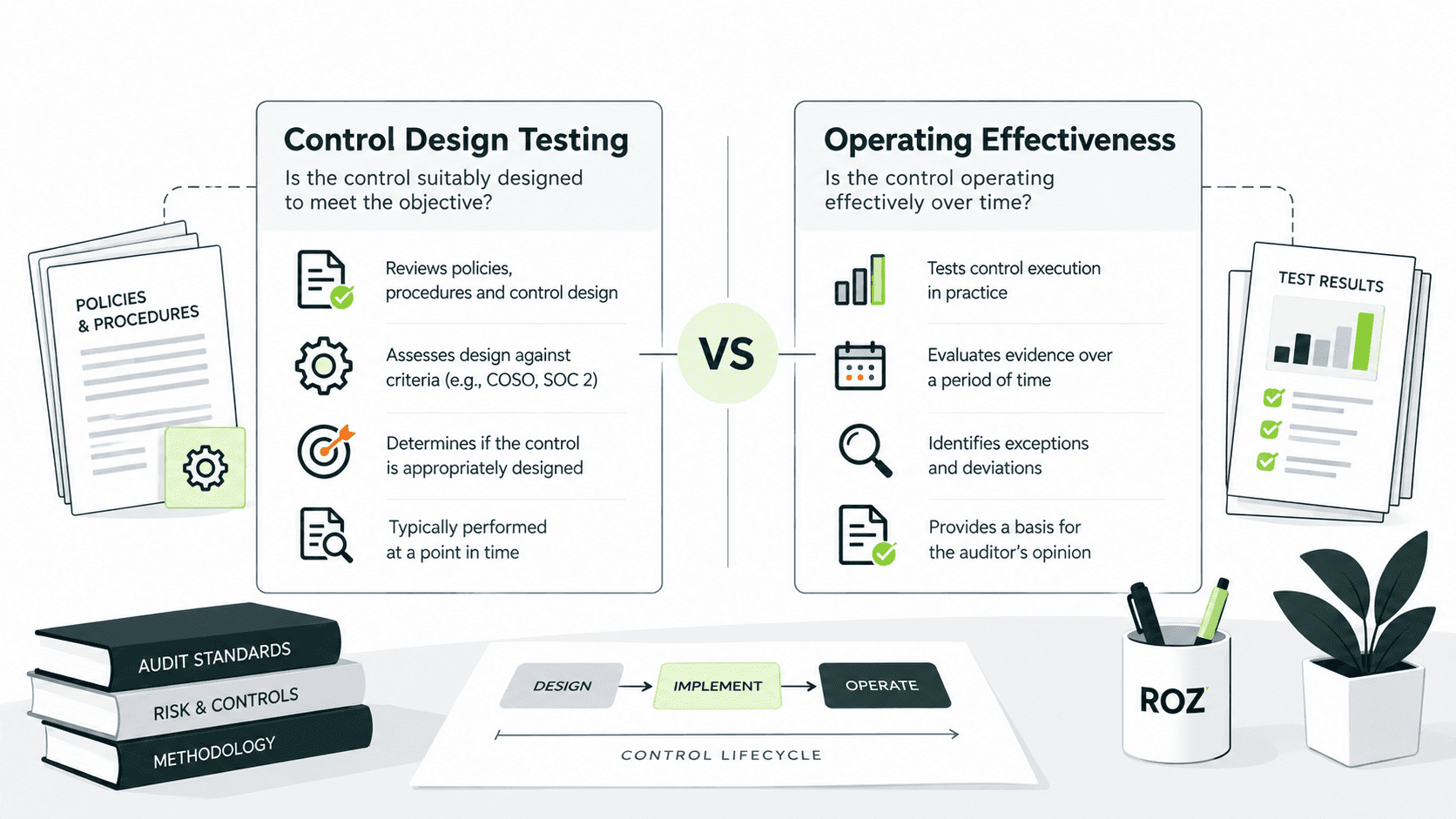
Control design: Are your controls designed adequately to meet the criteria?
Control operating effectiveness: Did those controls work as intended over a span of time? (This applies to Type II reports only.)
Risk management processes: How does your company manage and control risks?
System description: How is your system structured, and what services does it deliver?
Who Needs a SOC Report?
Companies seek SOC reports while offering services that may impact the customer’s
Financial Reporting (SOC 1)
Security, availability, processing integrity, confidentiality, or privacy (SOC 2).
Reports are especially relevant for service companies that manage sensitive data, customer transaction processing, or host infrastructure.
Industries That Typically Require SOC Reports
SOC reports are more common in industries where companies provide services that customers depend on to perform financial reporting or to secure data. These may include:
SaaS companies
Cloud service providers
Data processors and analytics firms
Fintech and payment processors
Payroll and HR management services
Managed IT and security services
When Customers Require a SOC Report
Requests for SOC reports can be seen in:
Enterprise vendor onboarding
Security due diligence and questionnaires
RFP (Request for Proposal) responses
Third-party risk assessments by customers or partners
Many enterprise customers prefer or request SOC 2 Type II reports during vendor security reviews.
If you receive multiple detailed security questionnaires, or if customers demand evidence of internal controls, you are expected to have a SOC 2 report, as it is the most standardized and easiest way to answer the inquiry.
What Are the Different Types of SOC Reports?
SOC 1 Report
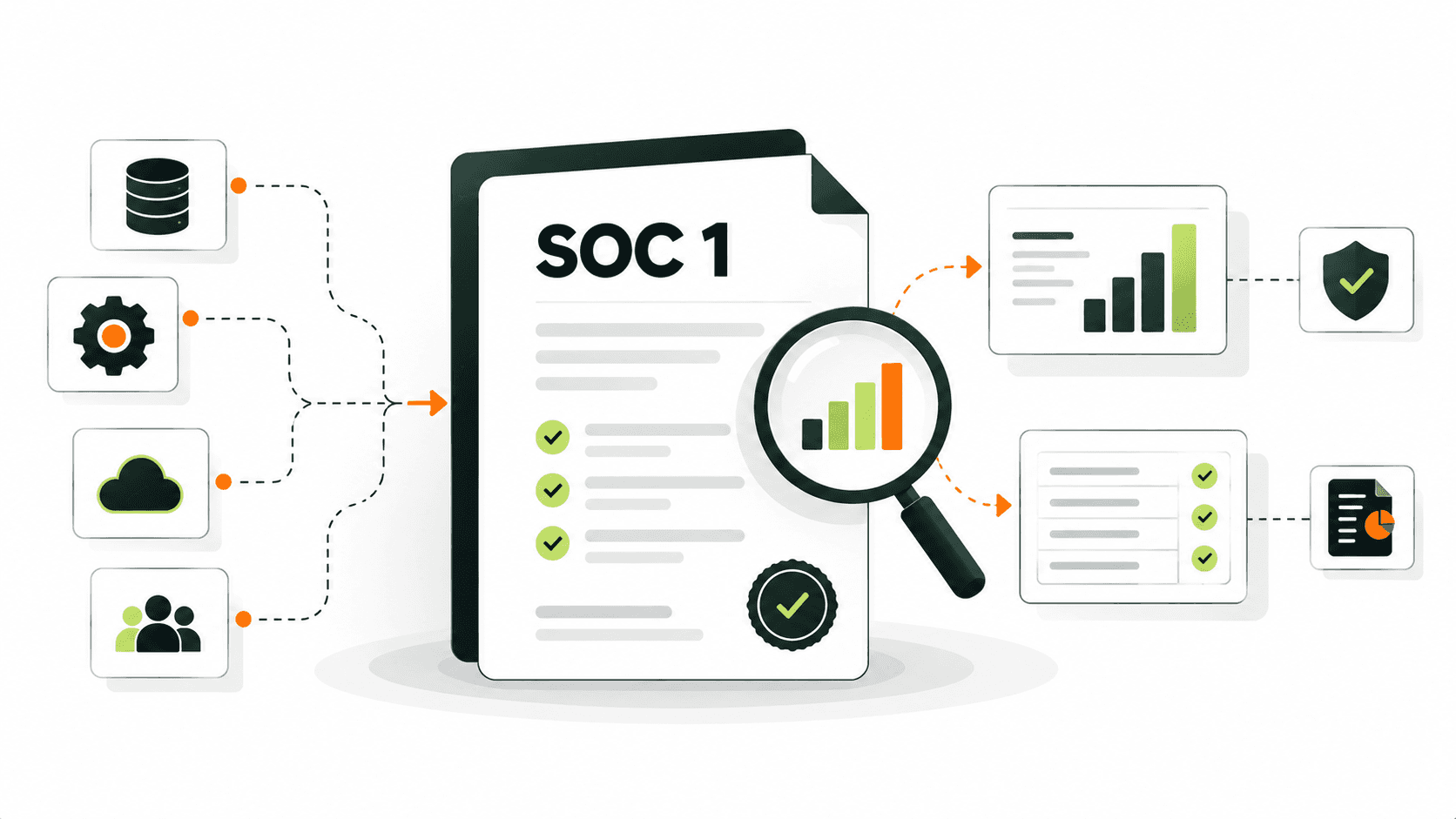
The AICPA defines SOC 1 as an examination of the service company’s internal controls that are relevant to the user entity's internal controls for financial reporting. SOC 1 reports are specifically intended to meet the needs of entities that use service companies and the CPAs that audit the user entities' financial statements.
If your company pays employees, performs financial transactions, keeps accounting records, or operates systems related to financial reporting, customers may request a SOC 1 report when those systems impact their financial reporting controls.
SOC 1 Type I vs. Type II
Type I evaluates the control design at a specific moment to confirm its correct application. It’s a snapshot demonstrating that the right controls are in place.
Type II evaluates both the design and the operational effectiveness of the controls for a specified duration (generally 6 to 12 months.) It offers more than Type I: the assurance that the controls have been reliable in the previous years.
SOC 2 Report
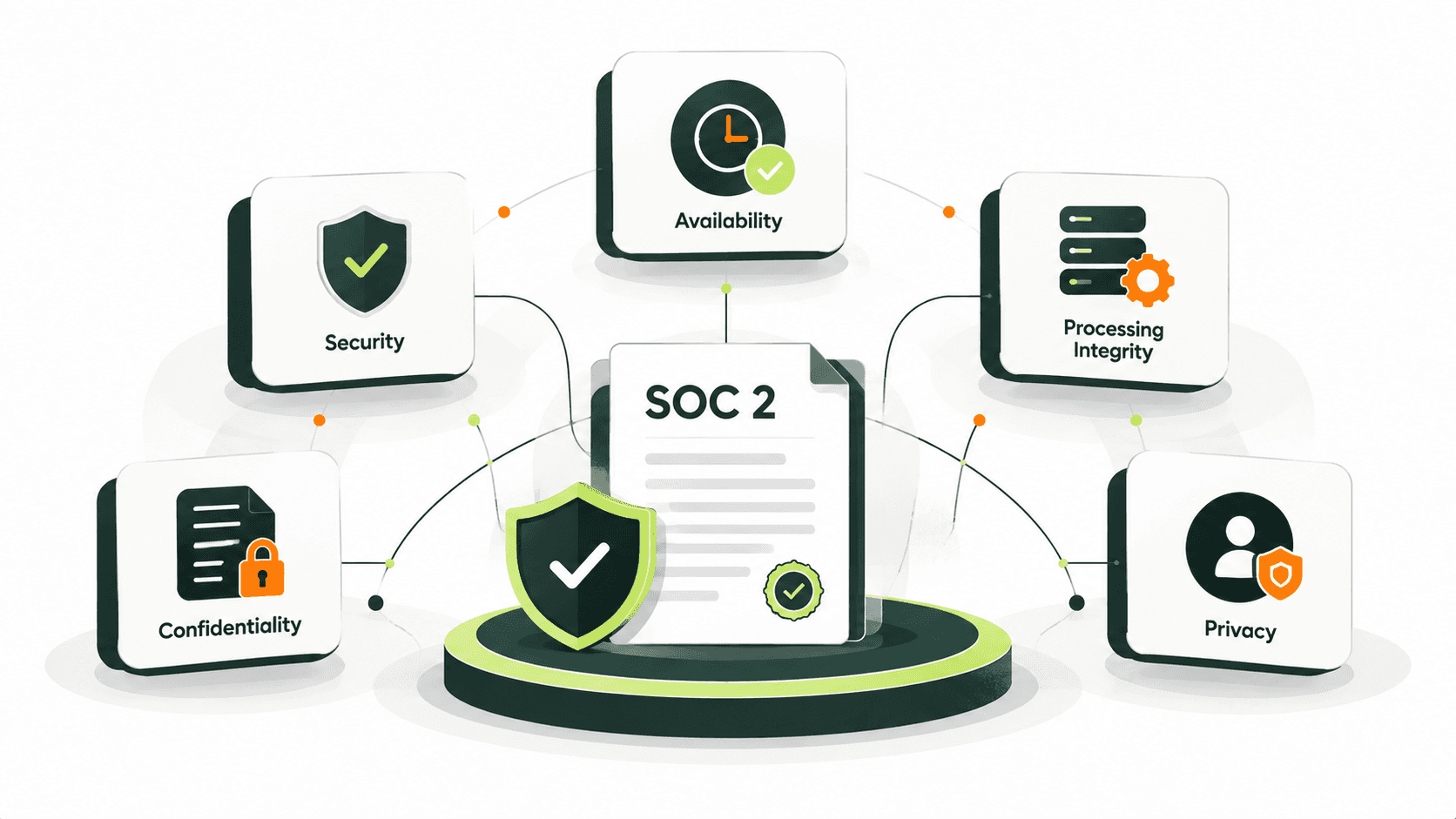
SOC 2 reports are a requirement for technology and SaaS companies. The AICPA states the SOC 2 examination reports on a service company's relevant security, availability, processing integrity, confidentiality, or privacy.
These five categories are the Trust Services Criteria:
Security: Protecting systems from any unauthorized access, whether logical or physical.
Availability: Ensuring systems are accessible as promised or agreed.
Processing Integrity: Guaranteeing processing is complete, valid, accurate, and timely.
Confidentiality: Safeguarding information that is identified as being confidential.
Privacy: Properly managing the collection, use, retention, disclosure, and disposal of personal data.
Security is a requirement for all SOC 2 engagements. The company's service commitments and system scope dictate the selection of the remaining criteria.
SOC 2 Type I vs. Type II
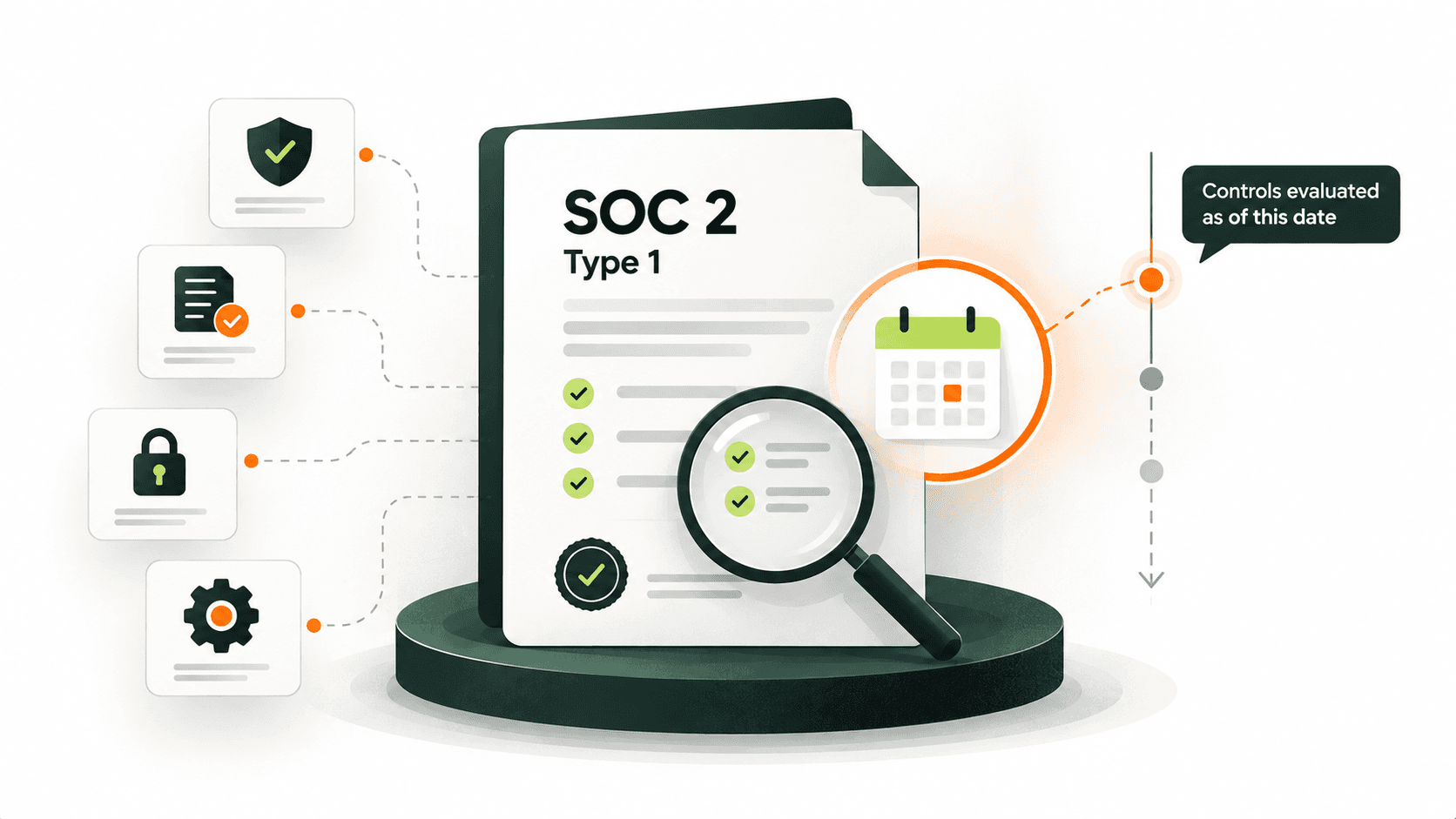
Type I evaluates whether your security controls are designed sufficiently at a single point in time. This is ideal for early-stage companies or companies that have a pressing sales timeframe to demonstrate compliance.
Type II evaluates both the suitability of the design and the operating effectiveness of your controls over a specified period (typically 6-12 months). Type I provides a snapshot in time, while Type II provides an extended period of time to illustrate the controls in action. As a result, enterprise clients generally appreciate Type II more and demand it highly.
SOC 3 Report
A SOC 3 report is a summary of a SOC 2 examination and is usable by the general public. SOC 3 reports address the same Trust Services Criteria as SOC 2, namely, security, availability, processing integrity, confidentiality, and privacy. But, unlike the SOC 2 report, the SOC 3 report does not include detailed descriptions of the systems, the testing of controls, or the results of the auditors' tests. SOC 3 reports, intended for public distribution, frequently serve as trust badges on websites, marketing materials, and public assurance statements.
SOC for Cybersecurity
The SOC for the Cybersecurity framework was created by the AICPA to provide a way for companies to evaluate and communicate the effectiveness of their enterprise-wide programs for managing cybersecurity risks.
Unlike SOC 2, which looks into service company controls relating to particular service commitments, SOC for Cybersecurity:
Evaluates the entire company’s framework for managing cybersecurity risks.
It is applicable to the entire company, not service provider specific.
Is applicable to a wider audience.
A SOC for cybersecurity examination gives an independent CPA opinion on:
How fairly is management's description of the program for managing cybersecurity risks presented?
How effective the program’s controls are in attaining the cybersecurity goals.
The report has an extensive audience, including management, boards of directors, investors, and business partners.
SOC for Supply Chain
The SOC for the Supply Chain framework was created by the AICPA to help companies in demonstrating the effectiveness of their supply chain risk management. This examination offers an independent CPA opinion on the following two elements:
How accurate management’s description of their supply chain system is.
How the system’s controls are designed and operated to effectively achieve the goals of the supply chain.
The report mainly focuses on the controls of the production, manufacturing, and distribution systems. It is intended for companies wishing to demonstrate how they respond to and manage risks that could adversely affect the supply chain.
With the rise in regulatory obligations and third-party risk management, the SOC for Supply Chain has become critical for industries such as healthcare, defense, energy, and consumer goods, where operational continuity and product integrity are vital.
Why SOC Reports Matter for Your Business
Builds Customer Trust
An independent attestation from a licensed CPA firm demonstrates that your controls have been reviewed and provides trust to your customers so that they do not have to do review work on their own before signing contracts.
Accelerates Enterprise Sales
SOC reports streamline the procurement and sales process. Having a current SOC 2 Type II report at the beginning of the sales process reduces and even eliminates the burden of having to fill in and complete security questionnaires.
Reduces Vendor Risk Friction
Most enterprise companies that include external vendors do a lot of due diligence before onboarding new tools or partners. Having a SOC report reduces due diligence and demonstrates that your company has been audited for readiness.
Strengthens Internal Governance
Preparing for a SOC audit often surfaces gaps in documentation, access controls, and change management processes. The audit cycle itself becomes a mechanism for improving security posture over time.
Supports Regulatory Alignment
SOC reports do not certify compliance with regulations like SOX, HIPAA, GDPR, or SEC cybersecurity requirements. However, they may support or complement compliance efforts by providing evidence of overlapping control effectiveness.
How to Ensure SOC Readiness
Here's a practical breakdown of the steps involved:
Step 1 (Define Scope): Identify which SOC report type is appropriate and which Trust Services Criteria are applicable to your services.
Step 2 (Conduct a Gap Assessment): Map your existing controls in relation to the coverage criteria and identify missing or weak coverage.
Step 3 (Implement Controls): Revise existing policies, implement other safeguards (such as multi-factor authentication and encryption) as necessary, and designate control owners.
Step 4 (Collect Evidence): Collect and organize all control documentation, such as logs, screenshots, training records, and policy versions for Type II report controls, which must capture evidence proving the controls were consistently operated during the review period.
Step 5 (Engage a CPA Firm): Choose a CPA firm that specializes in your industry and has experience in conducting SOC examinations, as SOC reports can only be issued by licensed CPA firms under AICPA attestation standards.
Step 6 (Undergo the Audit Period Type II): For Type II reports, controls are evaluated at least once during an observation period, which can be 3, 6, 9, or 12 months.
How Long Does a SOC Audit Take?
According to Sprinto, time frames vary based on the report type, the maturity of your controls, and the breadth of the engagement.
SOC 2 Type I: Type I reports look at one piece of the overall process (the design of the process) as of a fixed point in time, which allows these engagements to be completed more quickly than Type II reports. The overall timeline will depend on readiness and auditor availability.
SOC 2 Type II: Type II reports require a readiness phase (1-3 months), an observation phase (3-12 months), and an additional period for the auditor to do their testing and reporting (4-8 weeks). Because company maturity and scope can greatly influence each of these phases, SOC Type II reports typically take 6 to 15 months to complete.
Factors that can affect the timeline include:
The maturity and the quality of the documentation of the controls.
The size of the scope (the number of systems and criteria that have been selected).
Responsiveness to the auditor's requests for evidence.
The use of compliance automation tools.
Some companies complete a Type I report to provide some level of reasonable assurance while they prepare for a more comprehensive Type II engagement.
Conclusion
As a minimum, SOC reports are an expected norm for companies that are selling services in the enterprise markets. The most appropriate report, whether SOC 1, SOC 2, SOC 3, SOC for Cybersecurity, or SOC for Supply Chain, depends on your services and the requirements of the customers, as well as the maturity of the company's control environment.
First, assess your customers' required level of assurance, then create your audit plan. To avoid unnecessary engagements with a CPA firm, a readiness assessment is often beneficial in identifying gaps and streamlining the examination process.
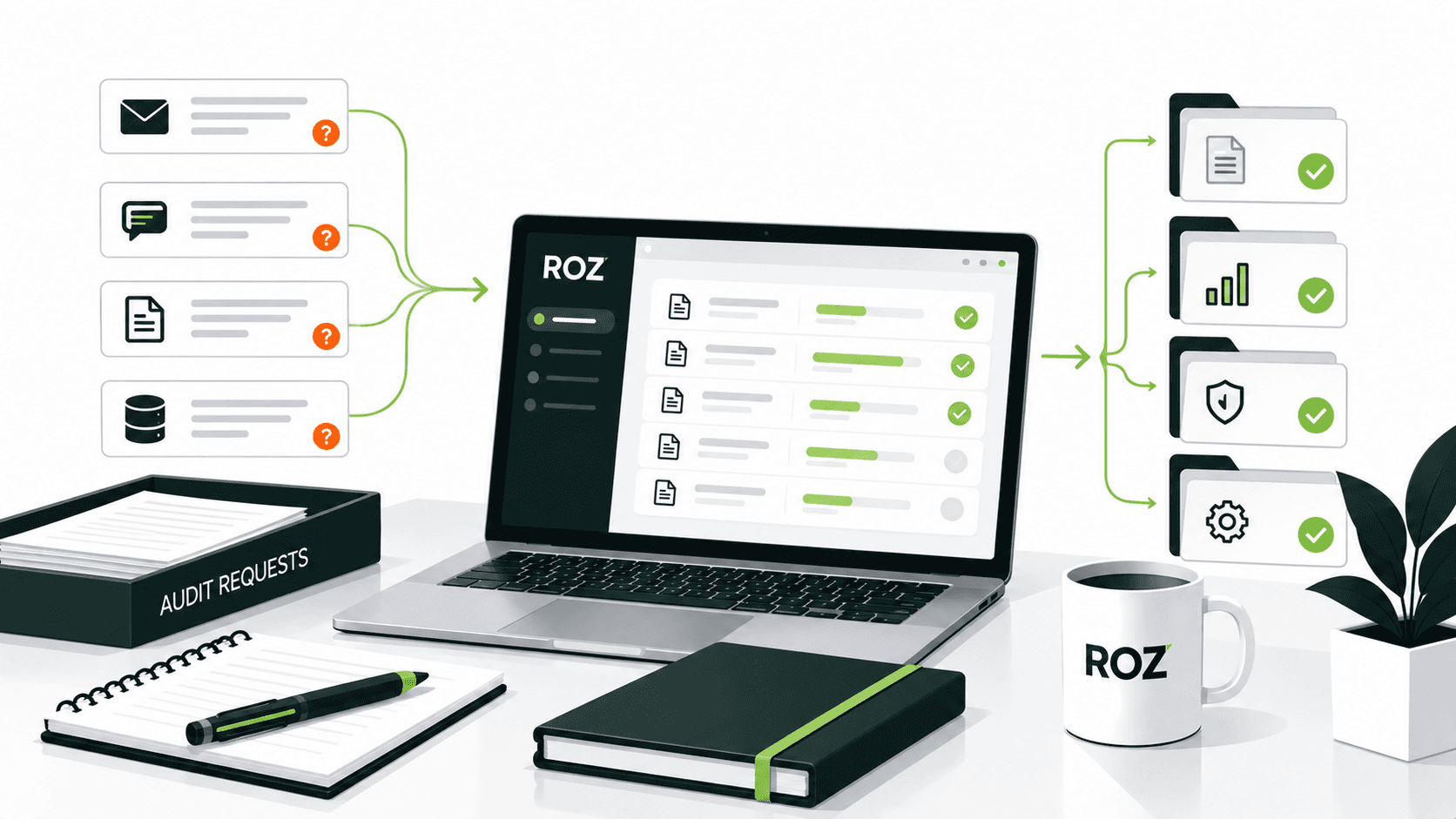
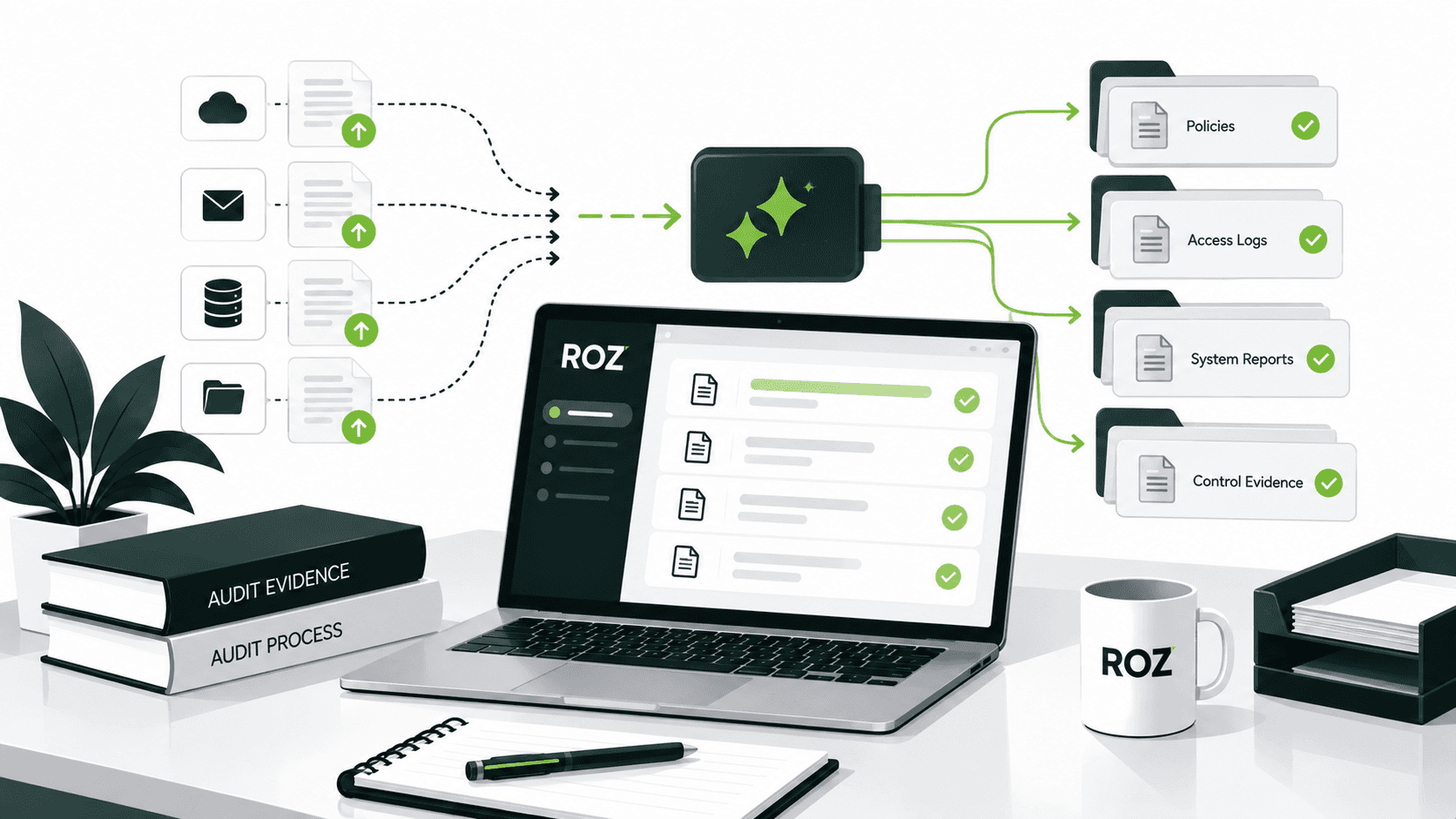
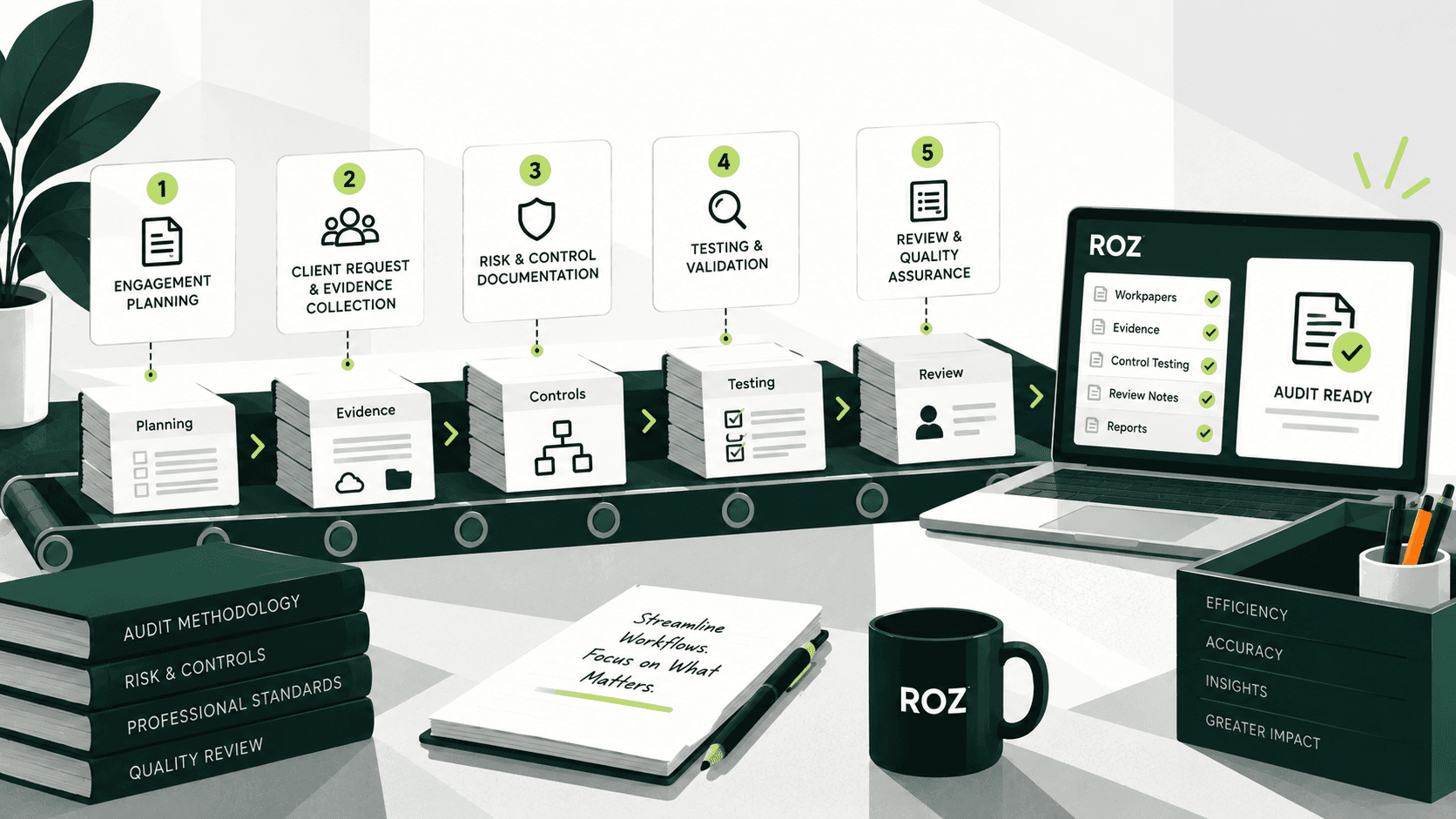
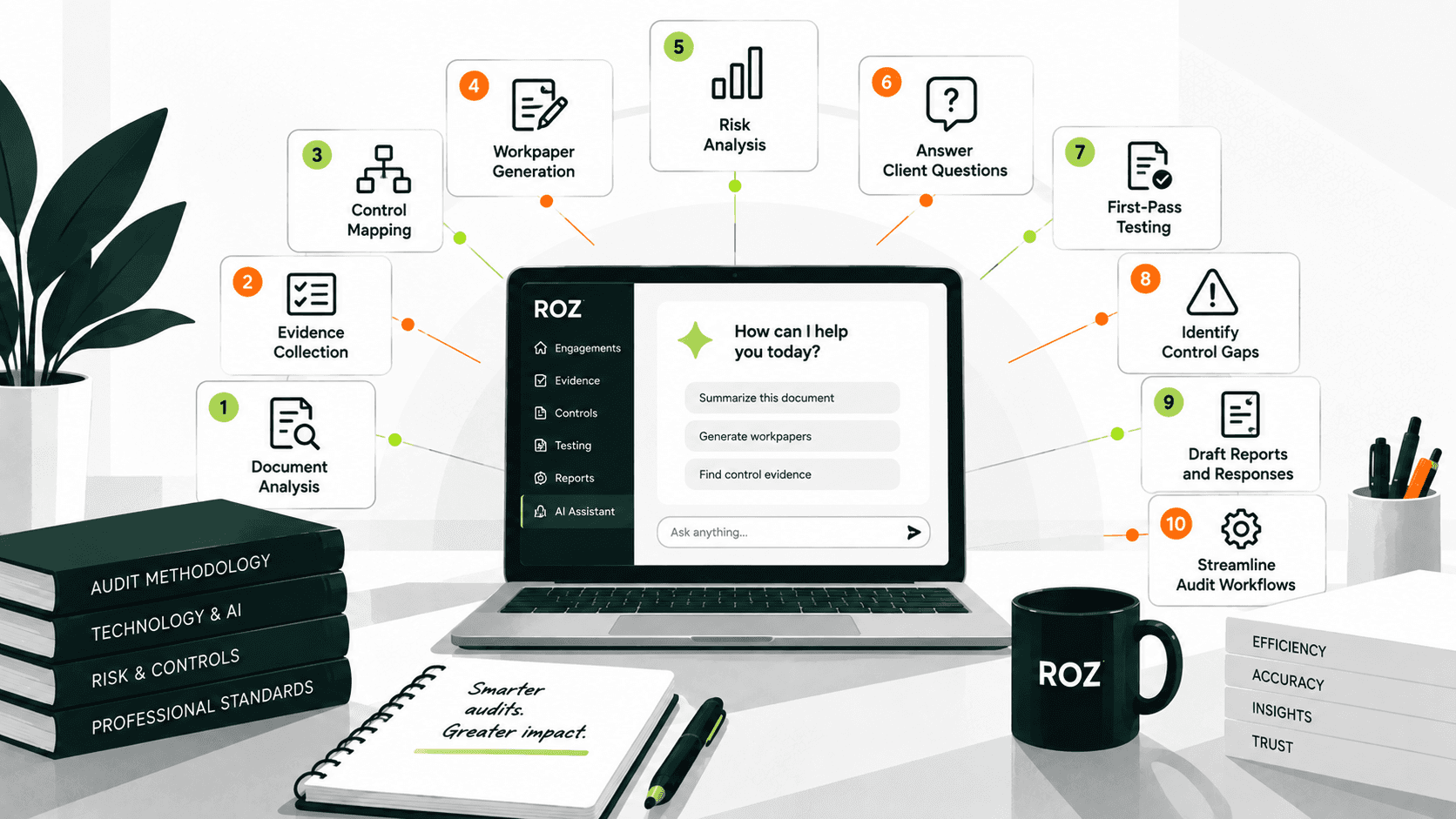
Our tool (Roz) supports CPA firms and advisory teams by organizing documentation, mapping controls, and automating workpapers, making SOC engagements more structured, efficient, and defensible.
SOC reporting is not just about an audit; it is also about building trustworthy, independent assurance that fosters enduring trust with customers.