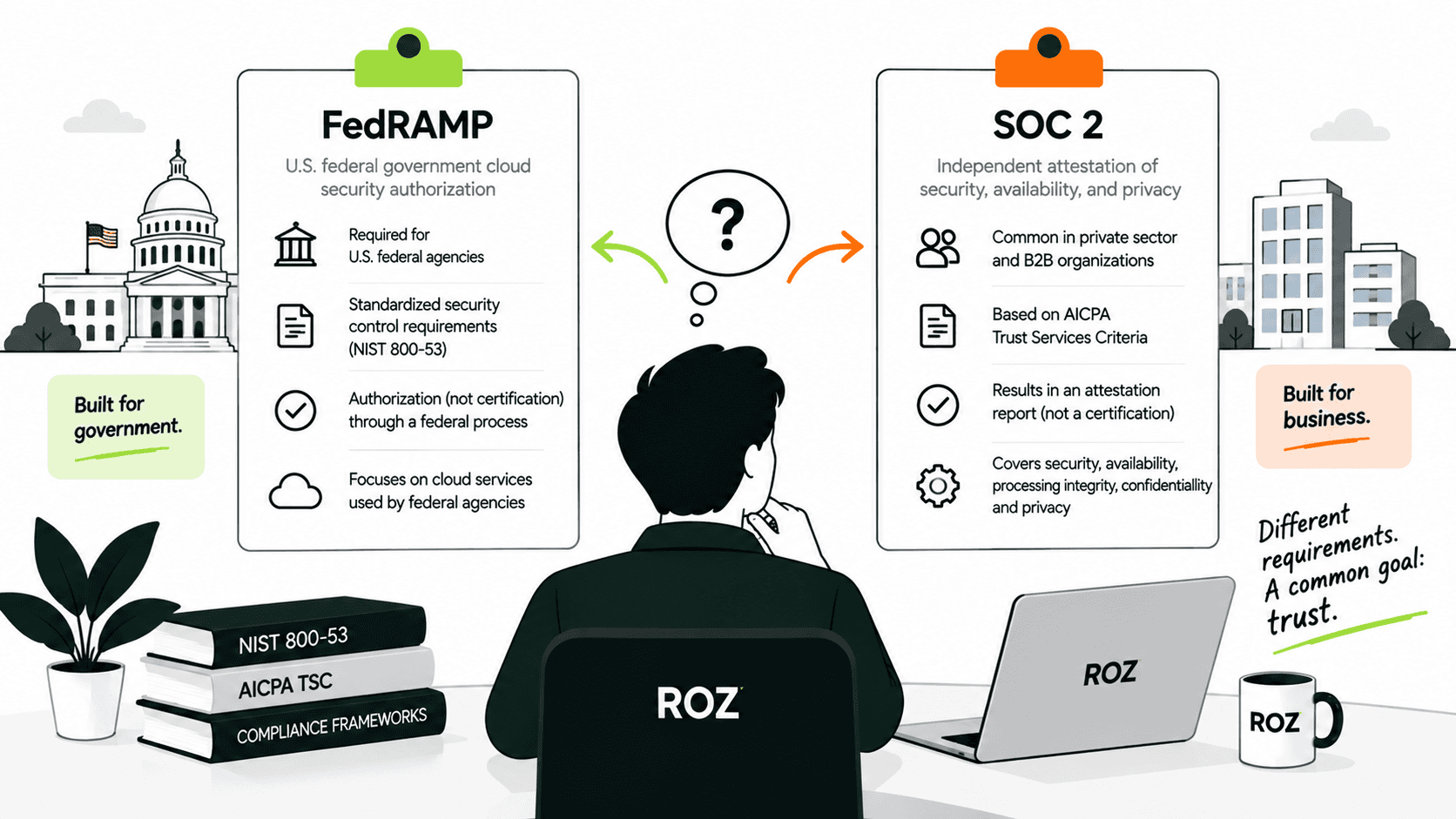
What exactly is the Federal Information Security Modernization Act (FISMA)? At its core, FISMA is a federal law dictating how government agencies and their private contractors must protect sensitive data. It is important to note right away: FISMA is a legal requirement, not a standalone certification. Achieving FISMA compliance means building a security program that aligns with National Institute of Standards and Technology (NIST) guidelines.
Why does this matter for you? If you want to win federal procurement contracts, you must meet these vendor risk expectations. Without a NIST-based compliance structure, your ability to work with federal agencies may be limited.
In this article, I will explain what FISMA compliance involves, who it applies to, the required frameworks, and how organizations can approach implementation in a structured, audit-ready way.
What Is FISMA Compliance?
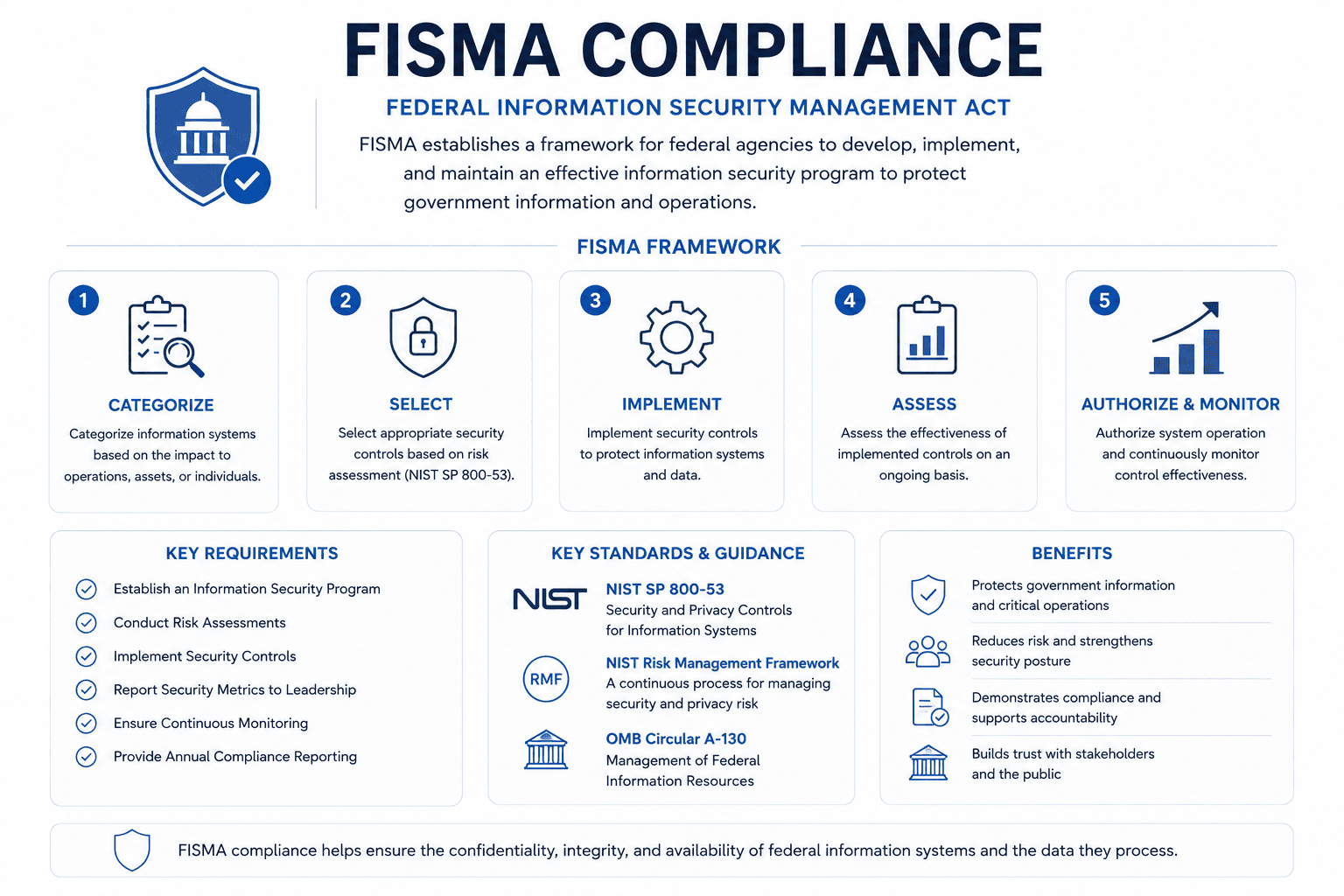
FISMA creates a framework to help the government manage cybersecurity risks to its data. The Federal Information Security Modernization Act (FISMA) establishes requirements for federal agencies and their contractors to protect federal information systems through a risk-based information security program.
FISMA provides two primary resources to fulfill this purpose:
NIST: The National Institute of Standards and Technology develops standards and guidance, including security controls and risk management frameworks.
OMB: The Office of Management and Budget supervises all agencies to guarantee compliance and assesses the overall performance.
FISMA provisions cover the confidentiality of systems, data, and all contractors who access those systems. The FISMA compliance framework is a structured, government-wide approach that shows agencies what their cybersecurity protections should include and provides a baseline for managing cybersecurity risks against threats and attacks. FISMA provides a structured risk management approach in which agencies prioritize and lessen the risk of exposure.
Who Needs FISMA Compliance?
While FISMA provisions primarily apply to federal agencies of the United States, they apply to the supply chain, which includes contractors. If you either store, process, or transfer data for a federal agency, FISMA provisions apply to you.
Such organizations that need to be FISMA compliant include:
Federal agencies: The primary recipients of this law.
Contractors and subcontractors: Any organizations that provide services to federal agencies.
SaaS and cloud providers: Any service handling federal information.
System owners or assessors perform risk assessments to determine appropriate controls and support the Authorization to Operate (ATO) process. Federal agencies are unlikely to provide ATOs for their systems and networks without evidence that your systems and processes adhere to FISMA compliance.
FISMA Compliance Requirements
To comply with FISMA, your organization must follow specific security frameworks and standards set by the National Institute of Standards and Technology (NIST).
NIST Risk Management Framework (RMF)
The NIST Risk Management Framework (RMF) provides a structured, six-step process for managing security and privacy risks. It's a lifecycle approach that includes system categorization, control selection, implementation, assessment, authorization, and continuous monitoring.
NIST SP 800-53 Controls
The specific security controls you must implement come from NIST SP 800-53. This is a comprehensive catalog of safeguards and countermeasures for information systems. The controls are organized into families, such as:
Access Control
Incident Response
Configuration Management
You will select the controls that are appropriate for your system's risk and impact level.
System Impact Levels
Under another standard, FIPS 199, you must classify your systems based on the potential impact of a security breach. There are three levels:
Low-Impact: A compromise would have little to no impact on operations, assets, or individuals.
Moderate-Impact: A compromise would have a considerable adverse impact.
High-Impact: A compromise would have a serious and detrimental impact.
The classification you choose will shape the entry-level security safeguards you must adopt from NIST SP 800-53.
FISMA Compliance Process
1. Categorize Systems
Utilize FIPS 199 to assess the risk of your information systems and determine impact levels.
2. Select Controls
Decide which baseline security controls from NIST SP 800-53 to incorporate and adjust to the system environment.
3. Implement Controls
Implement the selected controls and document how each control is applied within the system.
4. Assess Controls
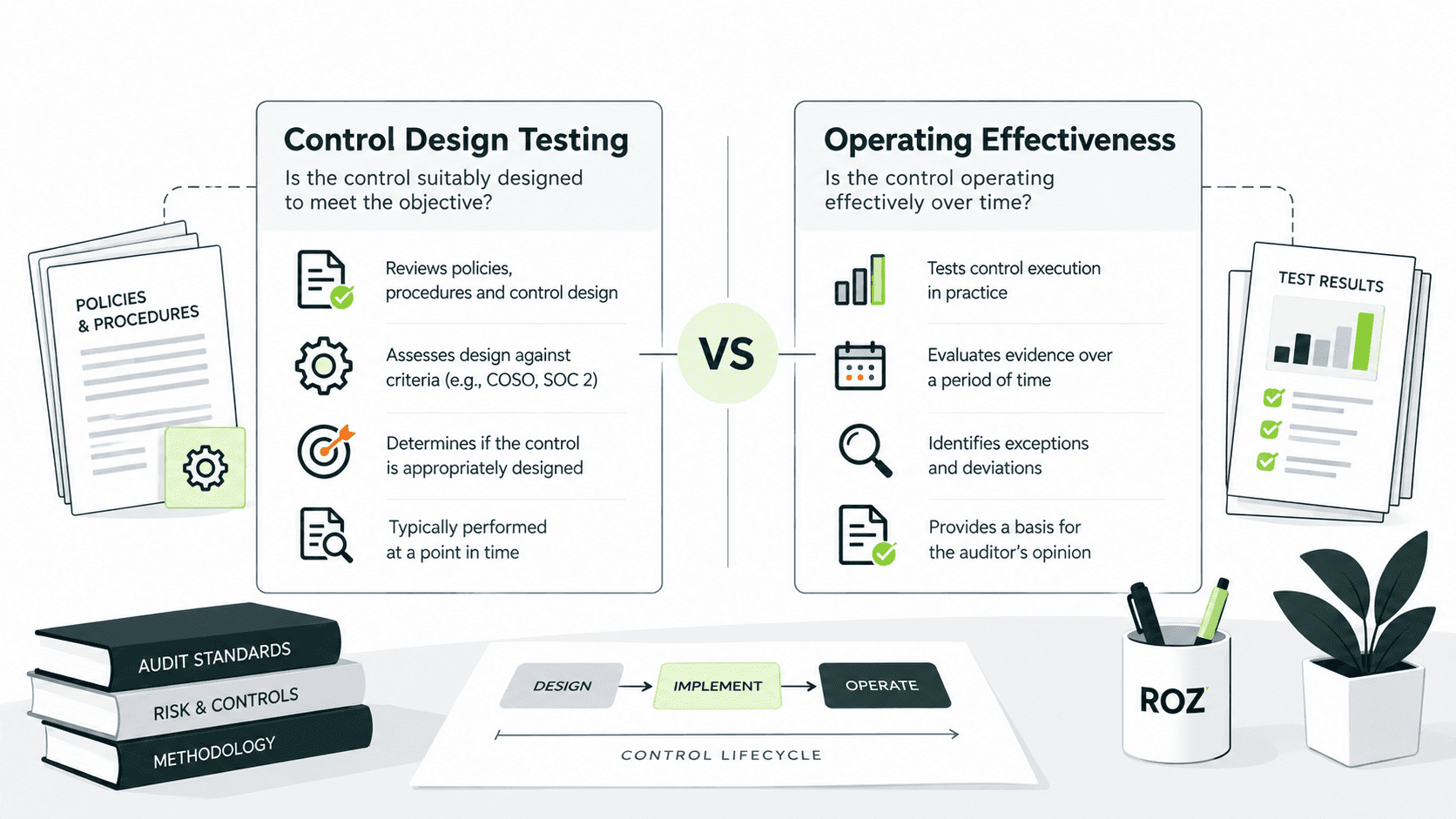
Examine the safeguards for the system and verify that they are functioning as intended. This assessment may be conducted by internal teams or independent assessors.
5. Authorize System
Submit the system authorization package to a federal authorizing official along with other documents. The authorizing official then decides to grant an ATO.
6. Continuous Monitoring
Actively monitor the controls and system-related vulnerabilities and updates. Consistently report and manage system risk.
What Is Authorization to Operate (ATO)?
An Authorization to Operate (ATO) is a formal declaration from a federal official that the security risk of using your IT system is acceptable. You must have an ATO before your system can operate in a federal environment or handle federal data.
The ATO decision depends on three key documents:
System Security Plan (SSP): Describes your system’s boundaries, environment, and the security controls you have in place.
Security Assessment Report (SAR): Documents the results of your security assessment and points out any weaknesses in your controls.
Plan of Action and Milestones (POA&M): This is your roadmap for fixing the vulnerabilities identified in the SAR.
Why ATO matters for federal contracts
Without an ATO, the system cannot be used by federal agencies. An ATO shows that your company is ready to do business with the government, meaning that you have accurately implemented your security controls and that they have undergone assessment.
FISMA Compliance Checklist
Check off your progress according to the Federal Information Security Modernization Act (FISMA) and the NIST framework:
Establish the boundaries and components of a system, as well as external connections.
Define the information and systems based on the categorization of FIPS 199.
Map controls to NIST SP 800-53 requirements.
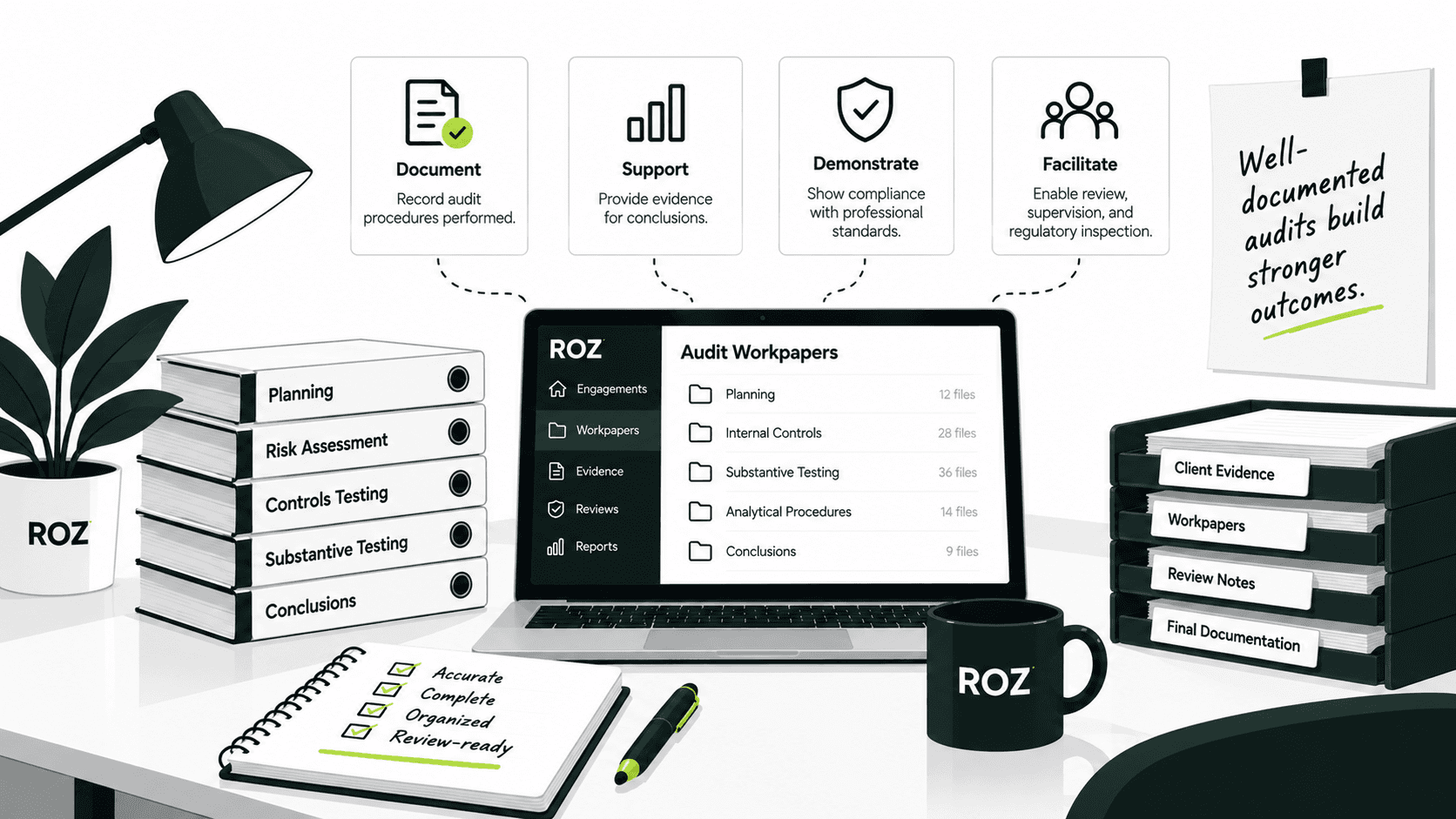
Create and present a System Security Plan (SSP) describing the system and controls.
Conduct a security assessment to find missing controls.
For the Plan of Action and Milestones (POA&M), track how missing controls are remedied.
Create a continuous monitoring program to manage risk.
Common Challenges in FISMA Compliance
FISMA is one of the more complex federal security requirements, and implementing a FISMA-compliant program can be challenging to implement with the following:
Control volume: NIST SP 800-53 has a significant volume of controls, creating complexity with the initial implementation.
Documentation overhead: System Security Plans (SSPs) and their associated policies and artifacts may require great effort and consume a great deal of time.
Continuous monitoring: FISMA compliance is an ongoing process that requires regular evaluation of system risks.
ATO timelines: Your expectations of the timeline required by government officials to review your application and issue an ATO are likely to be longer than expected; this can vary widely based on the systems involved, the complexity of the agency, and the systems.
Tooling fragmentation: Systematic use of different systems such as spreadsheets, documents, and fragmented tooling can lead to disorganized evidence and limited visibility.
Best Practices for FISMA Compliance
Dealing with FISMA Compliance becomes easier with a systemized method that includes the following:
Start with a gap assessment: Before you make any major changes, assess current alignment with NIST requirements.
Prioritize high-impact controls: Start with those controls that mitigate the most important risks.
Maintain audit-ready documentation: Keep System Security Plans (SSP), policies, evidence, etc. up-to-date throughout their lifecycle.
Automate evidence collection where feasible: Increases consistency and saves manual labor.
Align cross-functional teams: Ensure that your security, compliance, and engineering teams understand their roles in the risk management activities when you coordinate the various teams involved in the FISMA compliance process.
How Roz Accelerates FISMA Engagement Delivery
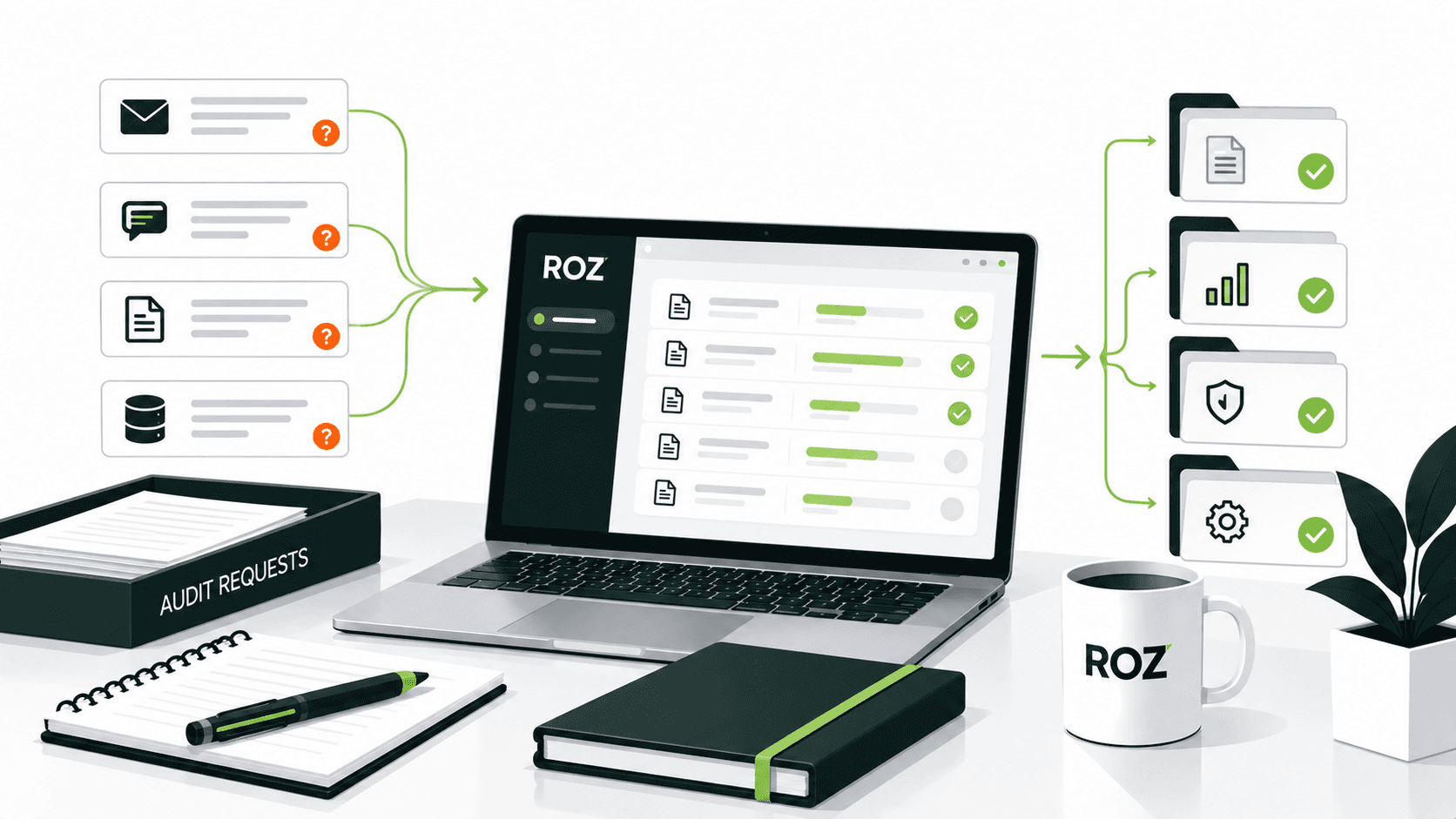
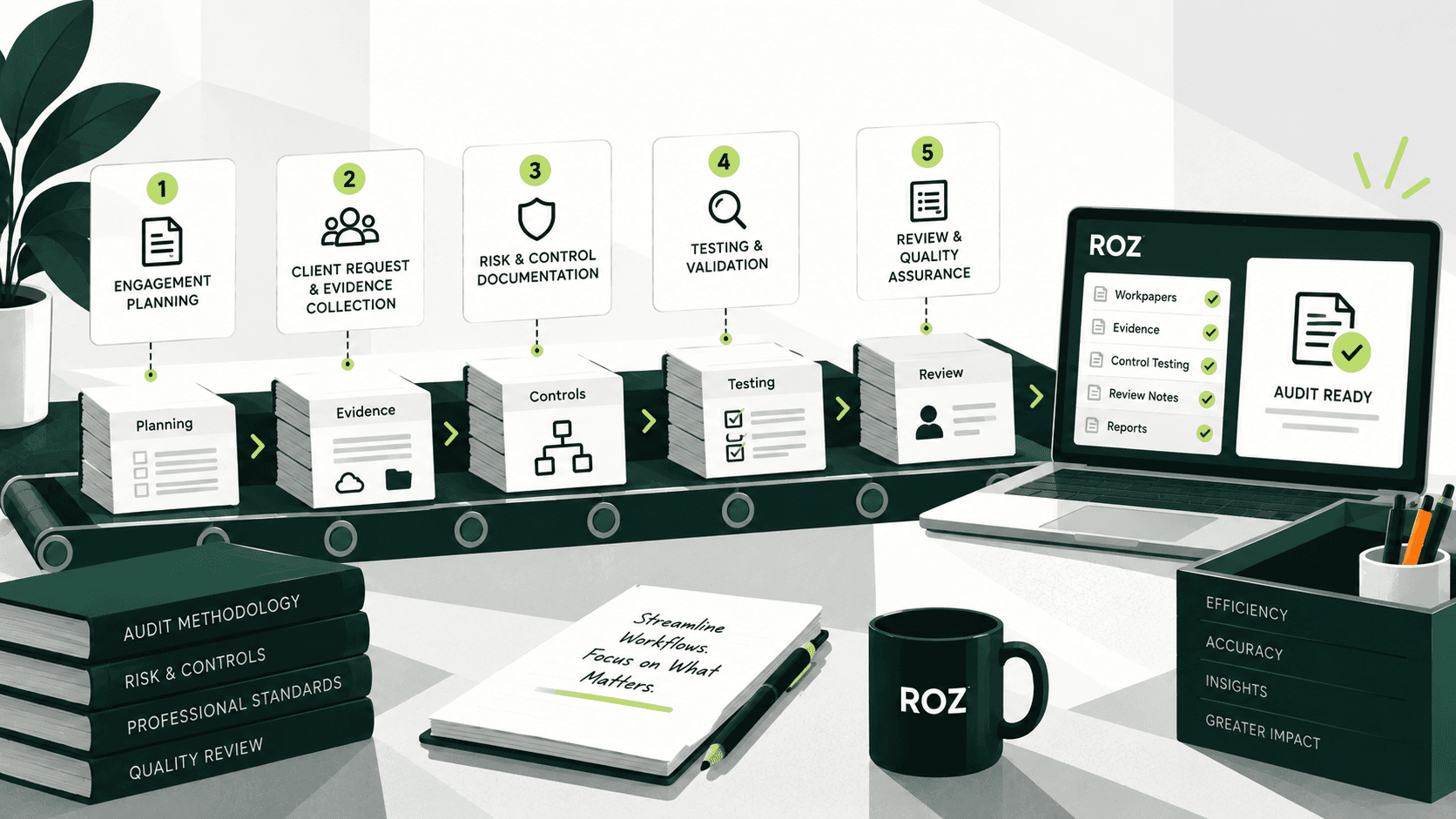
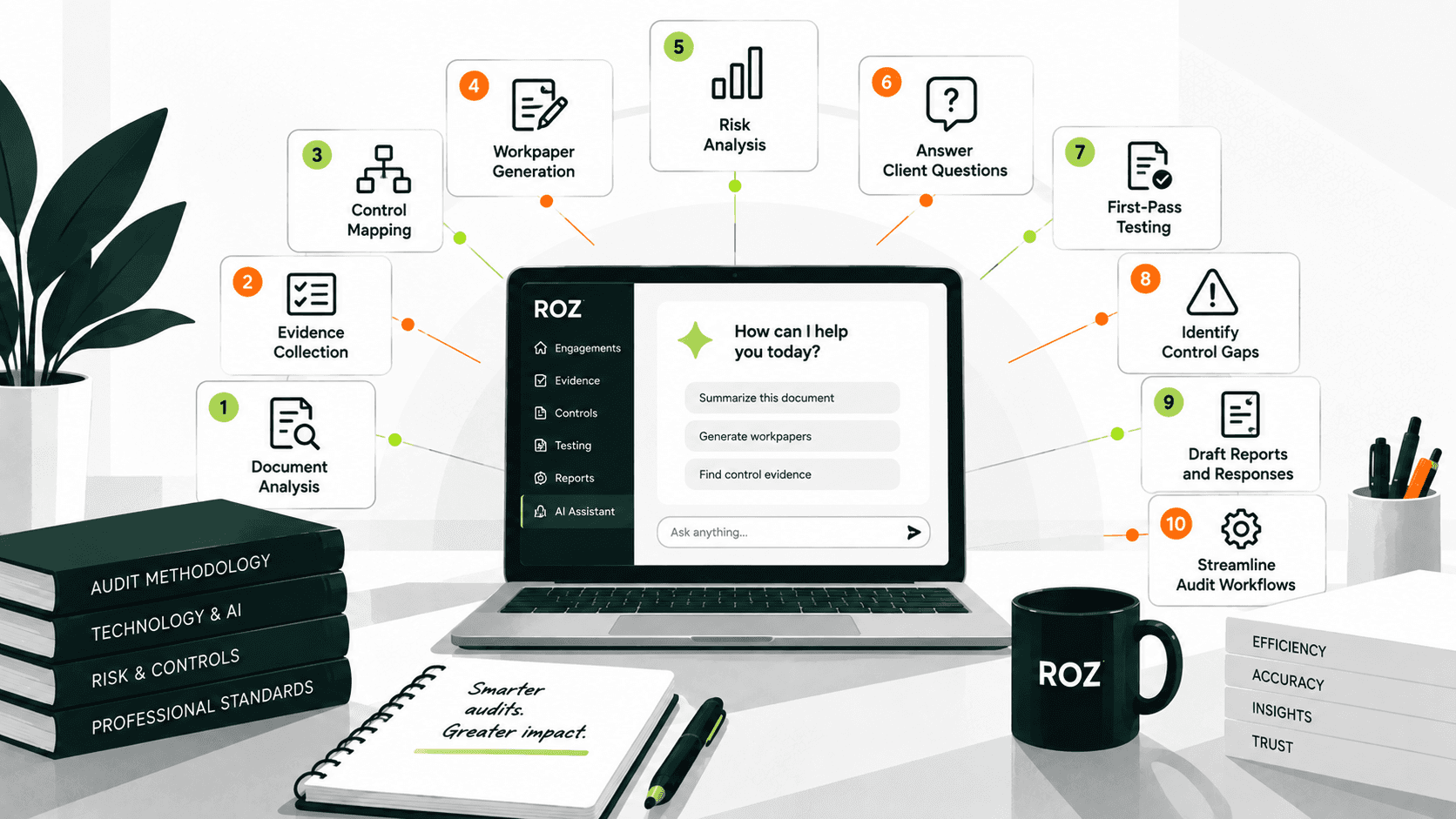
Federal compliances are documentation- and coordination-intensive. Roz is an AI-native engagement and audit-delivery platform that supports risk assurance and advisory firms by structuring documentation and assisting with first-pass analysis.
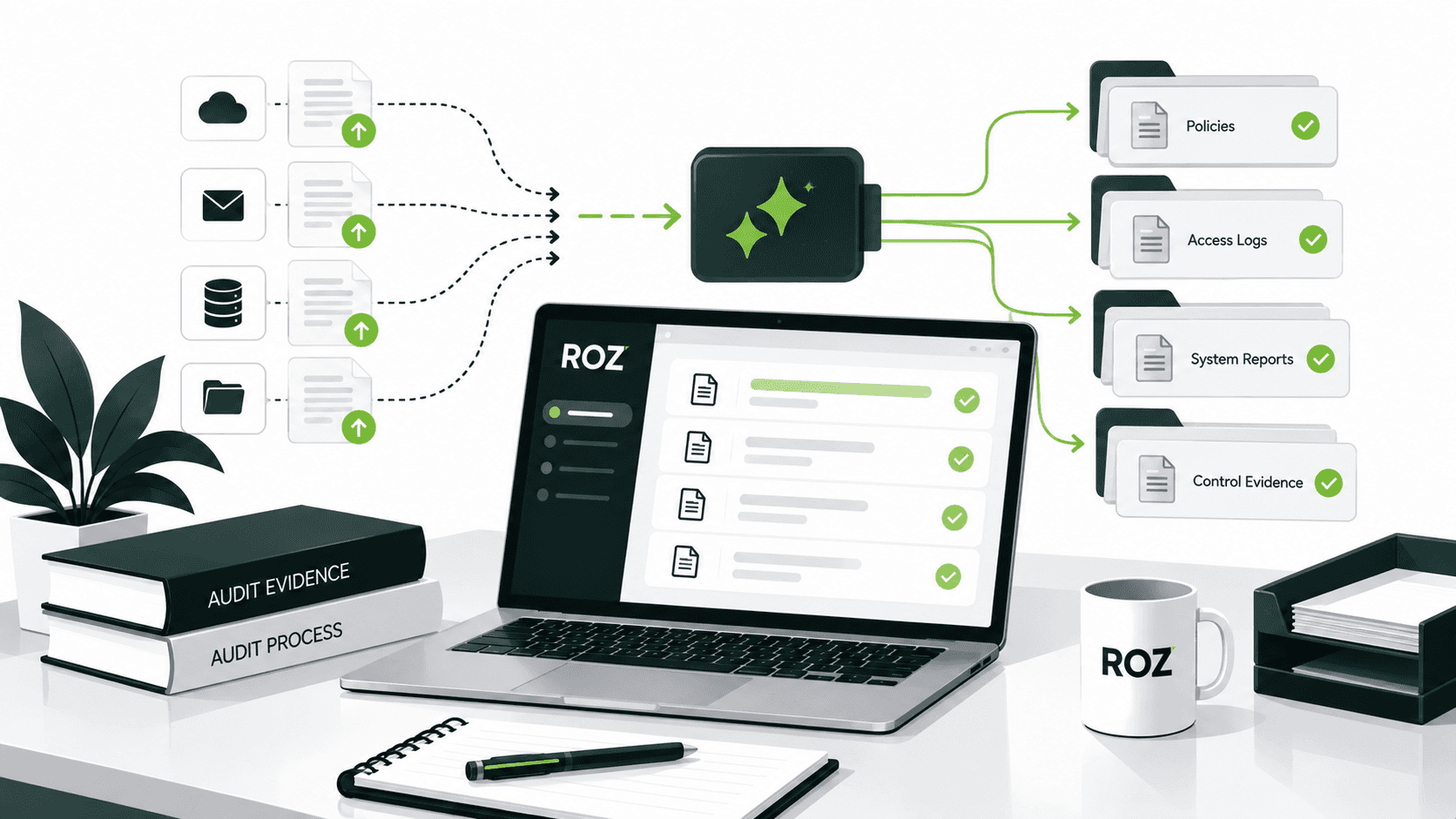
Centralized Workspaces: Organize system evidence, prior reports, and workpapers in secure, client-specific environments.
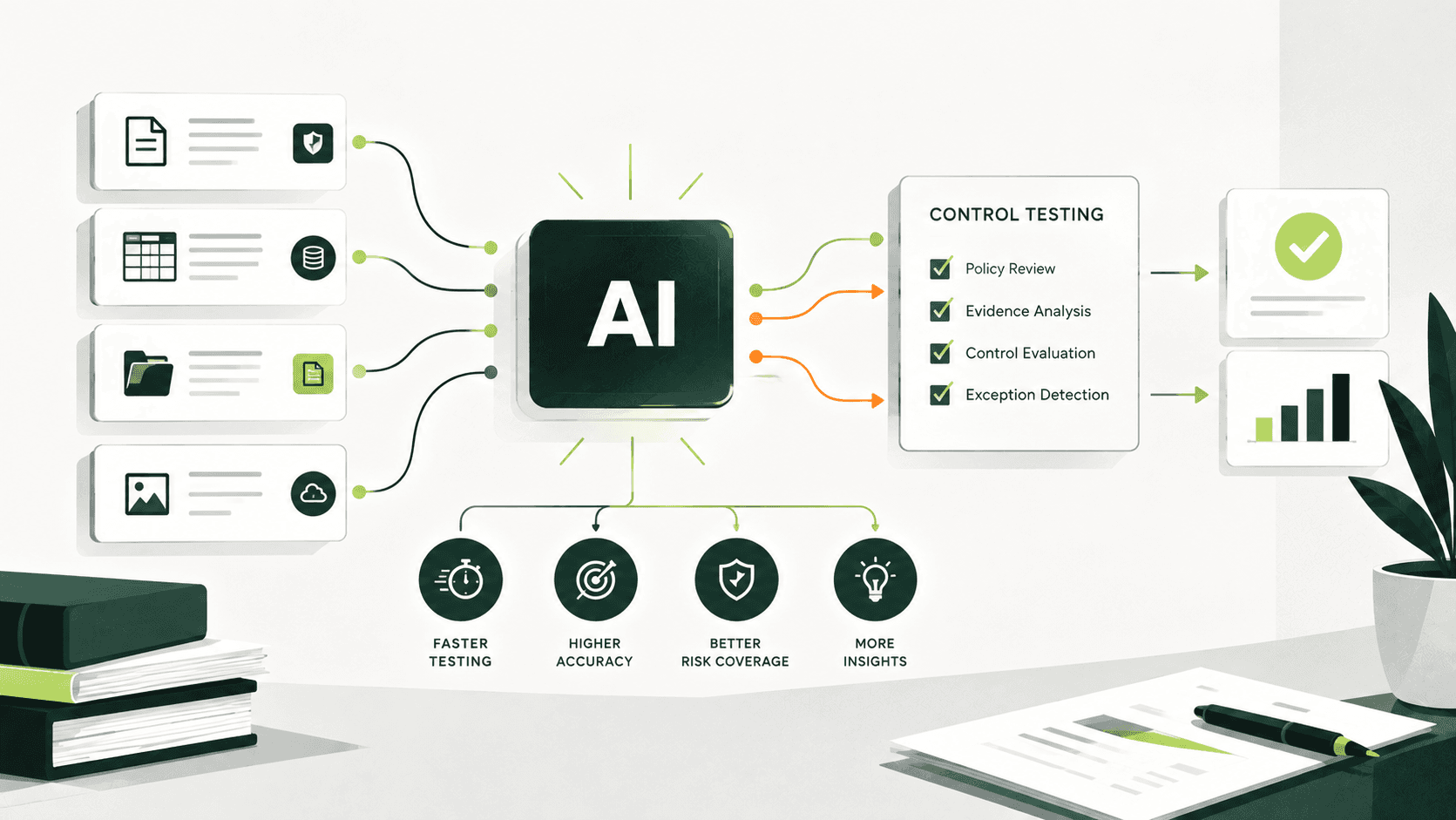
Control Extraction and Mapping: Roz can extract controls from uploaded policies and support structured mapping to NIST requirements.
Gap Identification: Roz supports comparison of documentation against established standards to help identify missing policies or areas of weak coverage.
AI-Assisted Draft Workpapers: Generate draft workpapers and report sections using client evidence, with full audit trails and source traceability.
Roz helps reduce manual effort and streamline audit readiness by structuring documentation and supporting first-pass analysis, without replacing auditors or certification processes.
Conclusion
FISMA is the law enforcing NIST-based risk management across the federal government and its supply chain. Building a compliant security program requires strict documentation discipline and a commitment to continuous monitoring.
Taking a risk-based approach to cybersecurity is not only a regulatory requirement but also supports stronger risk management practices; it can support improved trust in federal engagements. By understanding system boundaries, implementing the right controls, and organizing your evidence effectively, you build a resilient foundation that supports long-term growth in the federal sector.