


ISO 27001 Certification: What It Is & How It Works
Over the past few years, security has become a top priority for companies. This includes security when it comes to sensitive customer data. From 2026, companies will need to share contracts showing how their customers' data is protected before any company transaction.
For SaaS founders, CTOs, and heads of compliance, the term ISO 27001 Certification is associated with endless spreadsheets, confusing text, and massive processes and documentation. It is a huge distraction from building the core product.
Though it may seem this way, ISO 27001 is a lot more than a simple certification for a company. This is a framework that creates a lot more resilient and profitable company.
In this article, I will break down for you the ISO 27001 and certifications, the process of receiving it, the cost, and, of course, learn about all the different ways Roz can make this compliance work a lot simpler, quicker, and audit-friendly.
What Is ISO 27001 Certification?
ISO/IEC 27001 is best known international standard for Information Security Management Systems and provides companies with a framework to secure sensitive information.
Unlike many other standards, the ISO27001 Standard has been developed by both the International Organization for Standardization (ISO) and the International Electrotechnical Commission (IEC) and therefore, covers more than just IT security. It covers the people, the processes, and the technologies.
Let's understand ISMS better. The basis of ISO 27001 is the Information Security Management System. An ISMS isn’t software but a collection of structured procedures and policies. It is a complete framework that your company applies to pinpoint, assess, and tackle risks related to information security.
Certification vs. Compliance
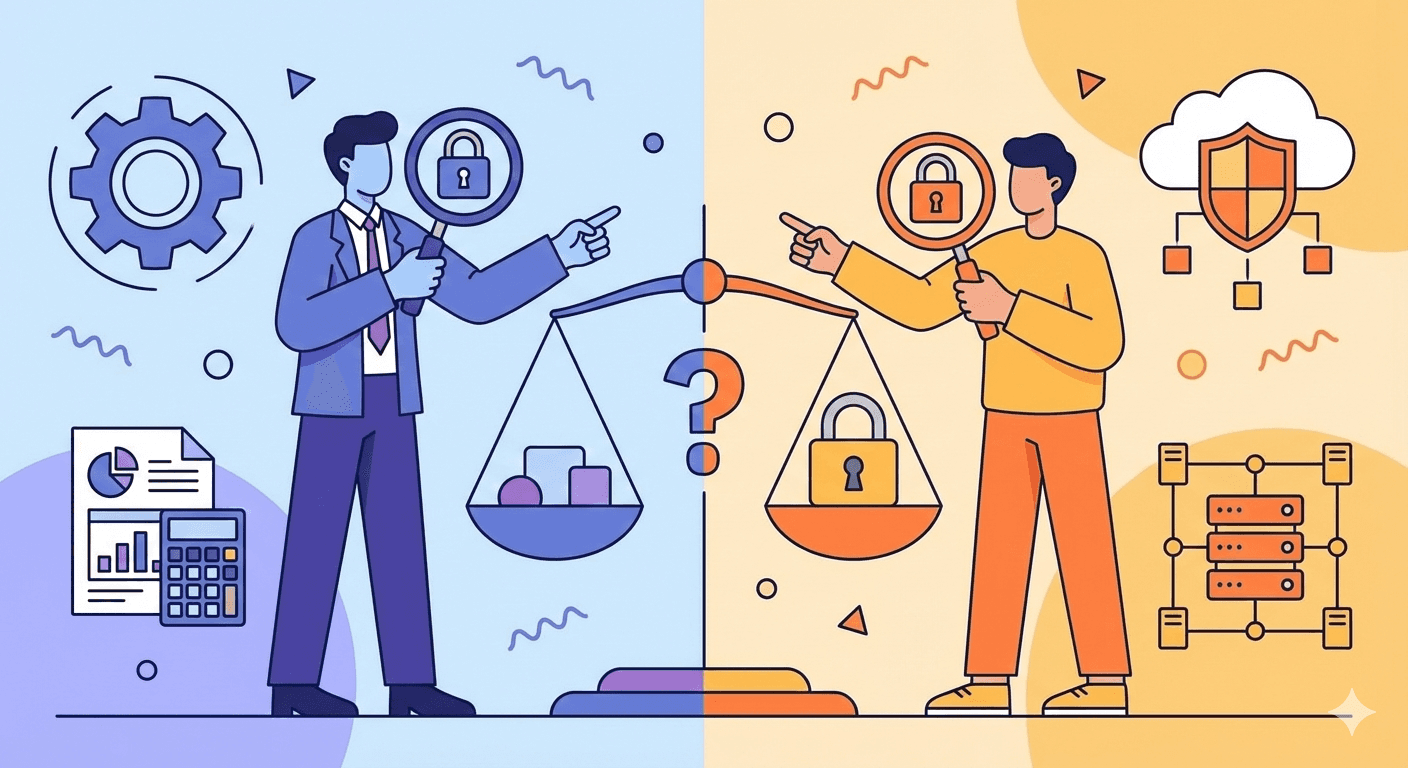
There are two terms that are commonly used: Compliance and Certification, and it is important to note that the two are very distinct from one another.
When it comes to Compliance, you state that you are following the requirements of the standard.
When it comes to Certification, an independent, authorized certifying body has done an audit of your ISMS, and your organization has satisfactorily met all of the standard’s criteria.
For most companies that are experiencing high levels of growth, their focus is on achieving certification, as it offers the credibility that enterprise customers demand.
Why ISO 27001 Certification Matters in 2026
Why are companies rushing to get certified? It usually comes down to four strategic pillars:
1. Competitive Advantage: In 2026, security is a sales enabler. Large enterprises often require certification for ISO 27001. Having the certificate shortens sales cycles and smoothens the procurement process. Therefore, you will be able to close sales that non-certified competitors will not be able to close.
2. Risk Management & Data Protection: The standard forces you to take a more positive approach to risks. By being more positive, you will be able to protect your intellectual property and data from your clients from breaches that can be catastrophic to your reputation and your company’s finances.
3. Regulatory Alignment: ISO 27001 gives you a good base for other regulations. If you are compliant with ISO 27001, you are often 70-80% of the way toward meeting requirements for GDPR, CCPA, and other global privacy laws.
4. Global Trust: Compared to other regional standards, ISO 27001 is known in all parts of the world. Therefore, you can use this certification when you are entering a new market in Europe, Asia, or the Americas.
Who Should Get ISO 27001 Certified?
While getting ISO 27001 Certification is something every company can achieve, it is more important to do it for:
SaaS Startups: Especially those focusing on selling to enterprises, as large companies have lengthy vendor risk assessments to onboard new customers.
FinTech & Payments: Trust is the most important factor when dealing with sensitive financial data.
Healthcare: Companies dealing with sensitive data of patients must have strong data protection controls in place, as also required by HIPAA.
Cloud Service Providers: Security in Data centers is important, as the core service is their offering.
Do You Need ISO 27001? Absolutely yes, you likely need to start the process if:
You have potential customers who send you long security questionnaires.
You have many customers who have switched to competitors because they are ISO 27001 certified.
You are planning to expand operations internationally.
How to Prepare for ISO 27001 Certification
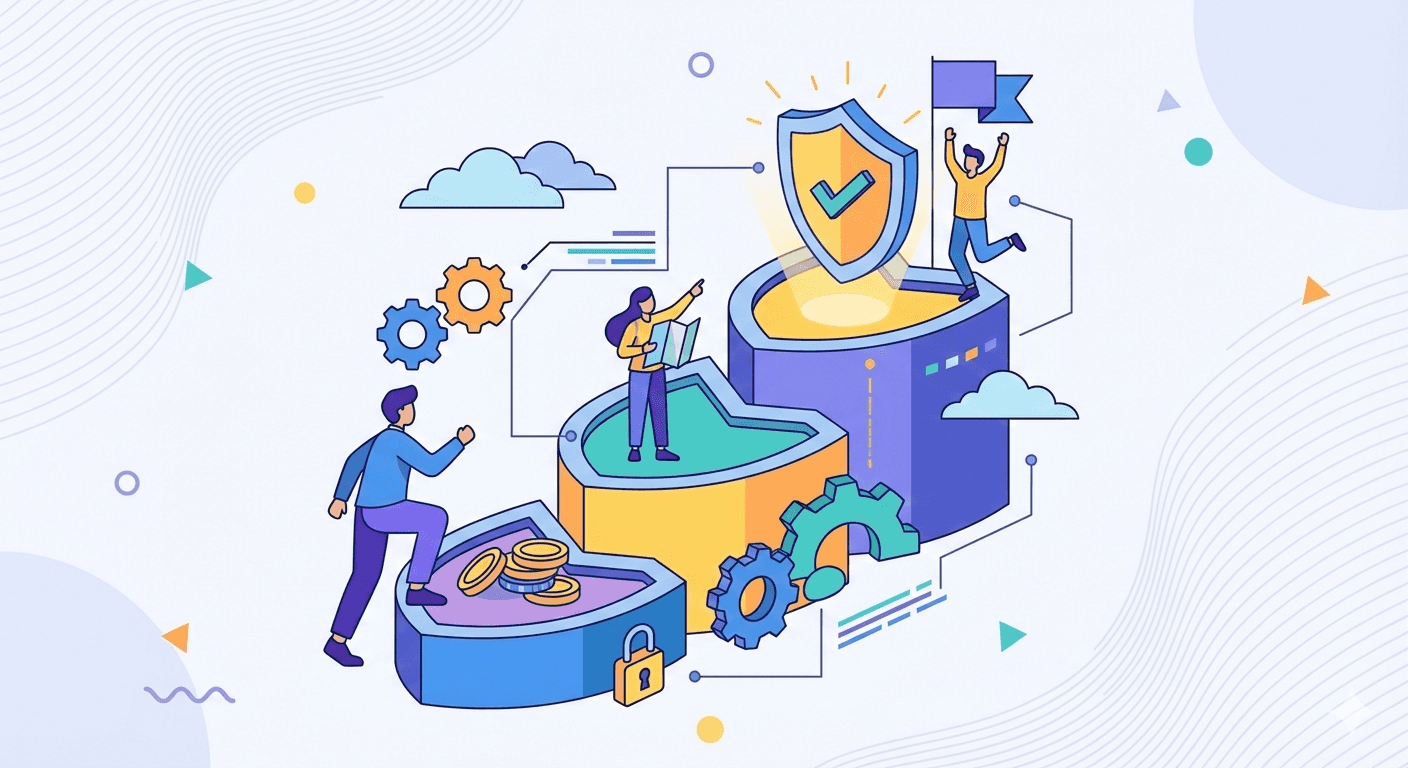
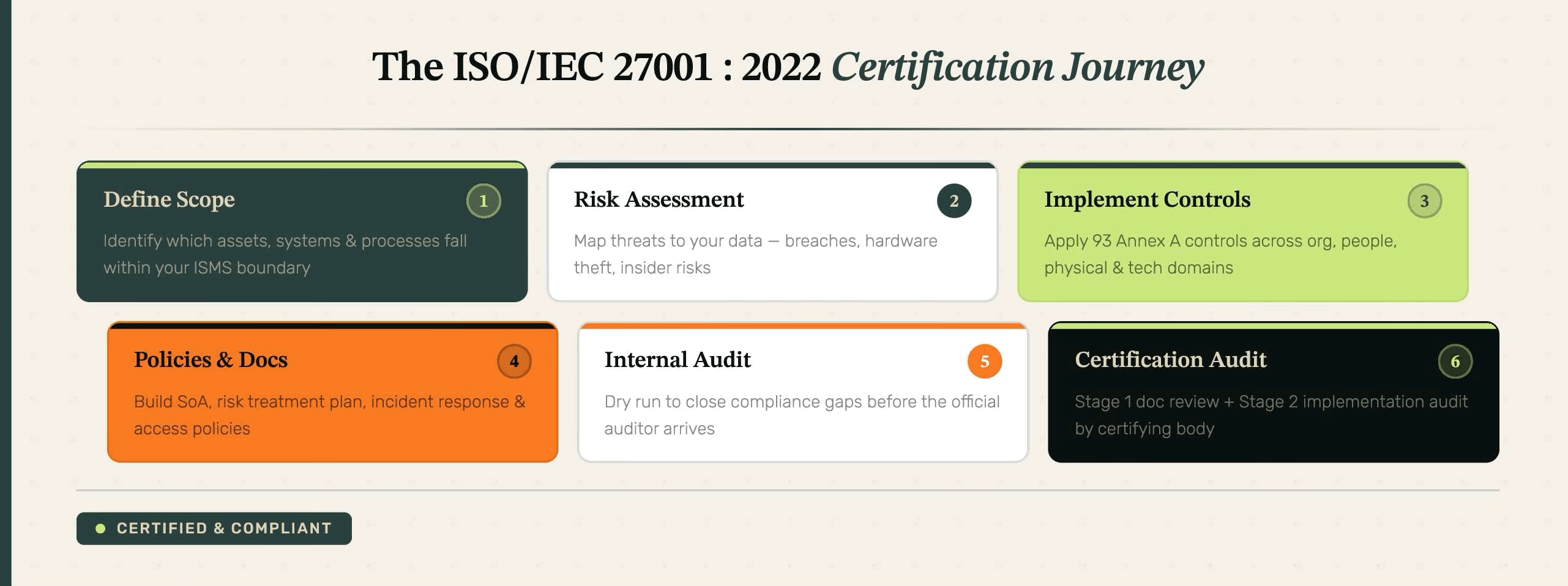
Achieving certification is a rigorous process, but it follows a logical path.
Step 1: Define the Scope
You need to decide which information assets will be included in your ISMS. Is it the entire company or only the SaaS platform? Having a clearly defined scope helps limit scope creep, ensuring you do not end up engaged in the audit of company segments with information security that aren’t relevant.
Step 2: Conduct a Risk Assessment
This is where the real work of ISO 27001 starts. Consider the risks to the safety of your organization’s information assets. Risk can arise from data breaches, hardware theft, and even people inside your organization.
Step 3: Implement Annex A Controls
The current ISO/IEC 27001:2022 standard defines 93 security controls in Annex A, organized into four themes:
Organizational
People
Physical
Technological
Your company's risk assessment results guide the selection and implementation of these controls.
Step 4: Establish Policies & Documentation
Your company’s security management scheme is only as good as the documentation that supports it. Because of ISO 27001’s documentation requirements, your company may have to dedicate an enormous amount of time to preparation.
Important documentation may include:
Information security policy
Risk assessment methodology
Risk treatment plan
Statement of Applicability (SoA)
Access control policies
Incident response procedures
Step 5: Conduct an Internal Audit
You are required to perform an internal audit before any real auditor comes in. This dry run will help you to identify the gaps in your compliance so that you can resolve them before they threaten your certification.
Step 6: The Certification Audit
There are two parts to the certification audit:
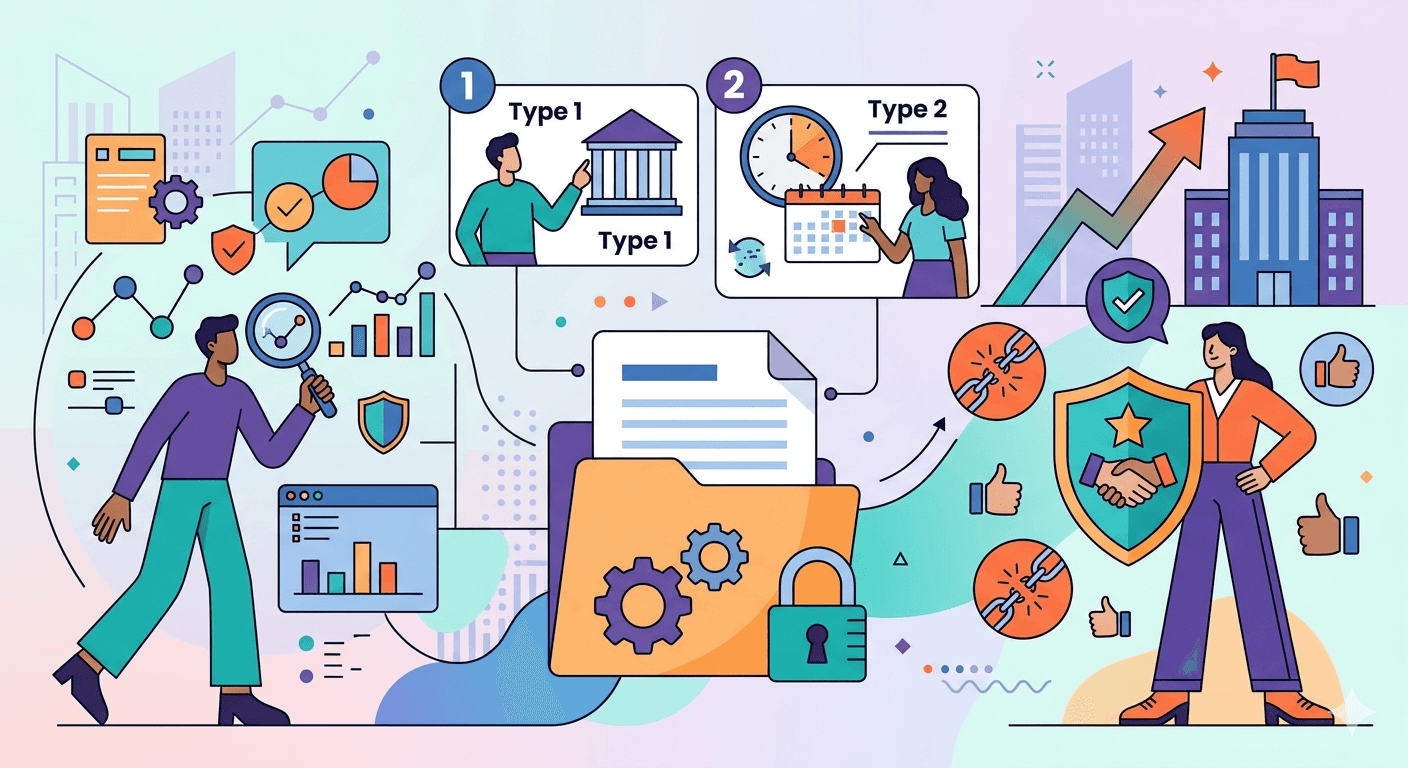
Stage 1 (Documentation Review): The auditor will conduct an assessment of your organization’s policies and procedures to determine whether your organization’s ISMS has been designed in the proper manner.
Stage 2 (Implementation Audit): The auditor seeks to find whether the policies you have written have been adhered to.
Preparation Timeline
While this depends on the maturity and size of your company, in most cases, the process will take between 6 to 12 months. But the use of compliance automation platforms can shorten this time remarkably.
ISO 27001 vs. SOC 2: Key Differences
This is the most common question we hear: "Do I need ISO 27001 or SOC 2?"
Feature | ISO 27001 | SOC 2 |
Primary Region | Global | Primarily, the United States |
Type | Certification (Pass/Fail) | Attestation (Auditor's Opinion) |
Focus | Information Security Management System (ISMS) | Trust Services Criteria (Security, Availability, etc.) |
Auditor | Certification Body | CPA Firm |
Renewal | 3-Year Cycle (with annual surveillance) | Annual |
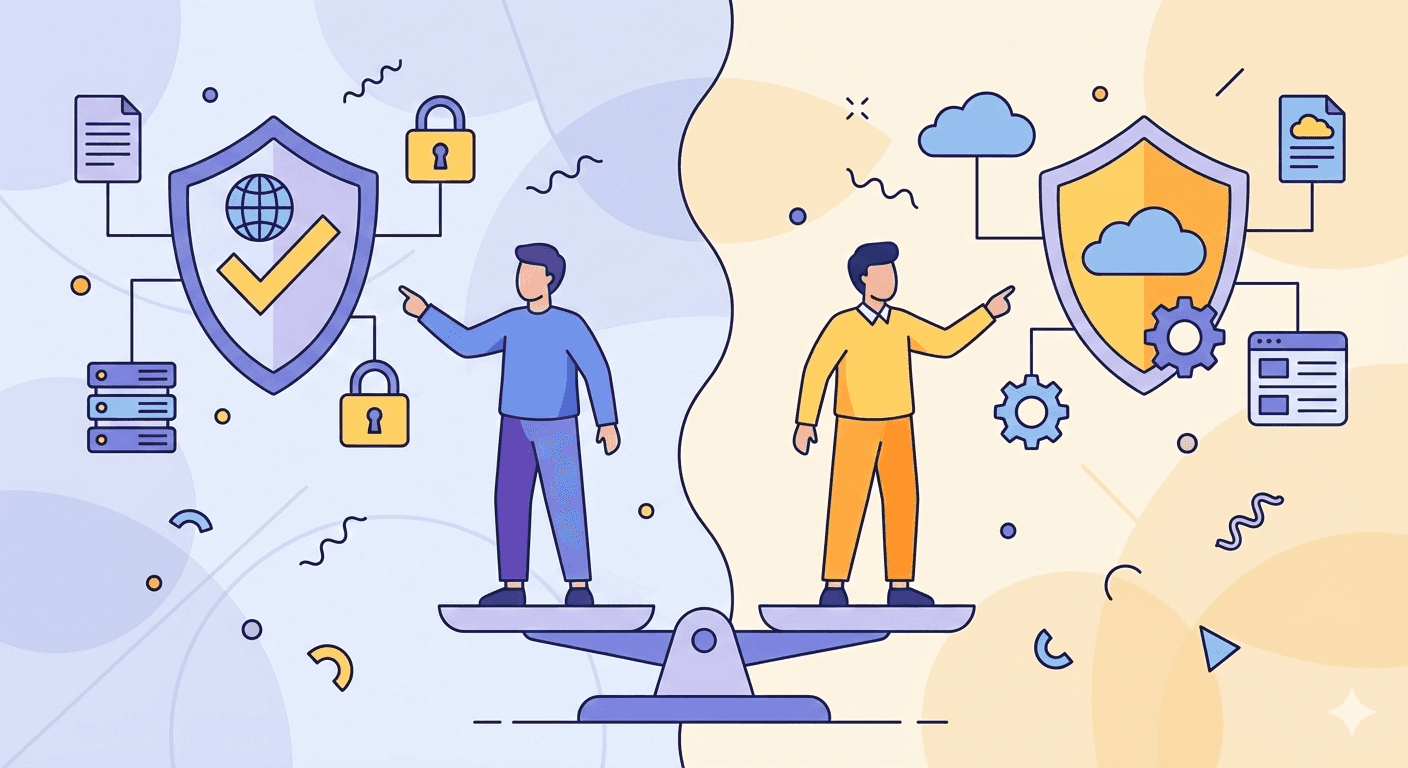
If you are selling internationally, prioritize ISO 27001. If you are focused solely on the North American market, SOC 2 might be the starting point. But many growing SaaS companies eventually require both to maximize their total addressable market.
How Much Does ISO 27001 Certification Cost in 2026?
ISO 27001 certification costs can depend on your company's size, complications, and scope. Here are the typical ranges for 2026:
Early-Stage Startup: $15,000 - $40,000
Mid-Sized SaaS: $40,000 - $100,000+
Enterprise: Significantly higher, depending on scope.
This total cost includes:
Certification Body Fees
Consultant/Platform Fees
Internal Resources
Compliance and audit readiness tools
The Hidden Cost: The hours that your team spends collecting and organizing the necessary documents are a cost that is often overlooked. Automation dramatically reduces this burden and allows your team to focus on the things that matter most.
Also, your lead engineer may need a therapist after trying to manage everything with a spreadsheet, haha.
Common ISO 27001 Audit Challenges
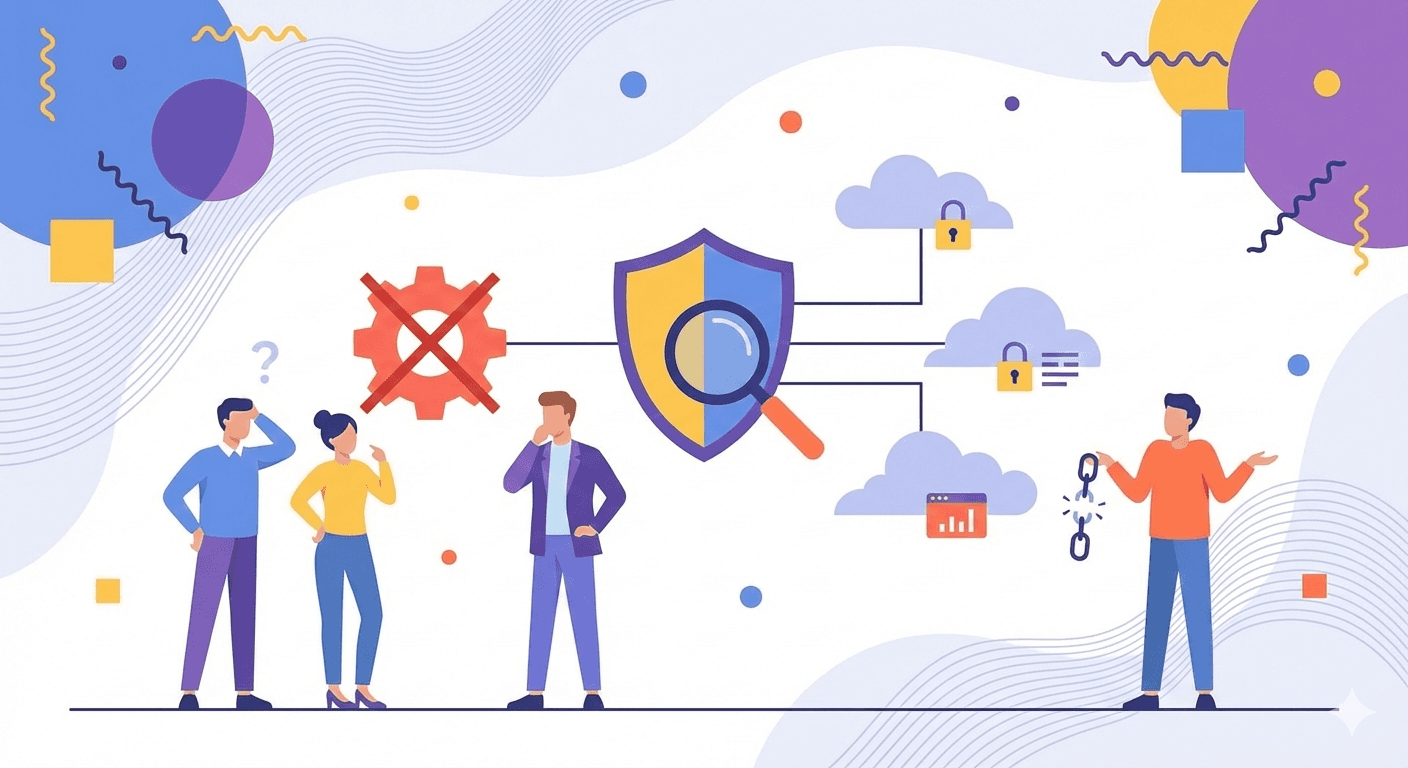
There are many challenges to certification. The traditional route to certification is sometimes the most friction-filled.
Scattered Evidence: Evidence distributed across various systems (Jira, AWS, HR, and others) makes it extremely difficult to gather.
Manual Tracking: Trying to manage 93 controls in a spreadsheet is hard and not sustainable.
Audit Stress: The weeks leading up to an audit tend to be filled with panic and long nights working to clean up the documentation.
Maintenance: Many companies can succeed in the first audit but cannot pass the annual surveillance audit because of the way their system is maintained.
How Roz Simplifies ISO 27001 Audit Readiness?
Modern problems require modern solutions. In this case, we are here. Roz is an audit-delivery and engagement platform that is redefining the way you prepare for your audits.
We are not just another simplistic chatbot or document depository. Roz is an intelligent enterprise data room that helps you manage your perpetual audit cycle.
Centralized Audit Workspace
Roz creates an organized and structured AI workspace where you can store your evidence, policies, and procedures. Instead of disorganized Google Drive folders, Roz creates a safe, audit-ready space.
AI-Powered Efficiency
Gap Analysis: Roz analyzes controls that exist in the policies you upload and compares these against ‘best practice’, automatically identifying these gaps.
Evidence Tracking: It traces evidence back to specific controls, ensuring you have a defensible audit trail.
Automated Drafting: Roz helps draft work papers and parts of the report and can even draft them from the evidence. This can decrease the time spent drafting by 90%.
We help your team prioritize high-value security activities instead of administrative busywork. By automating your compliance data in the form of “first-pass automation”, you will also be ready for any audit tomorrow, next year, and for many years in the future.
Conclusion
Obtaining an IS027001 certification is no longer an option for companies in the growth stage; it's an imperative. From defining controls to executing audits and managing risk, and the effort to gather evidence, they have all become the norms in company partnerships.
Frequently Asked Questions
How long does ISO 27001 certification take?
For most small to mid-sized companies, it usually takes between 6 to 12 months, mainly due to the security controls and resources employed (both tools and personnel).
Is ISO 27001 mandatory?
Legally, no. But the certification is becoming a commercial requirement. It is becoming a requirement for enterprise customers to show proof of security certification IS027001 before signing a contract.
How often is ISO 27001 audited?
The audit certification cycle is three years. In Year 1, you do a major certification audit. In Year 2 and Year 3, you do minor audits known as surveillance audits. In Year 4, you do recertification audits, and the cycle restarts.
Can startups get ISO 27001 certified?
Of course, and when it’s done early, it is often more straightforward than when complex legacy systems are involved. Startups can create an ISMS that is built to scale and can help create a ‘security first’ mindset early on.